Quick Overview
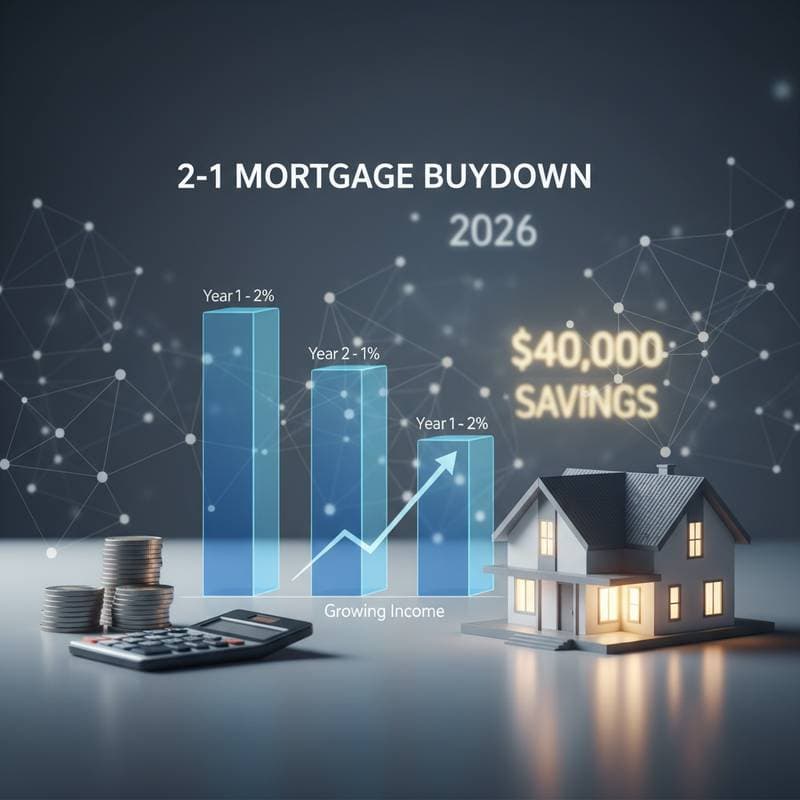
- The 2-1 buydown lowers your mortgage rate by 2% during the first year and 1% during the second year, which can result in thousands of dollars in initial savings.
- This option serves as an effective short-term tactic for individuals who anticipate income increases or intend to refinance in the future.
- Compare overall savings against the initial expense to confirm alignment with your financial objectives.
Key Benefits of the 2-1 Buydown
- Immediate financial relief: This structure provides essential flexibility during the initial two years of homeownership.
- Enhanced budgeting: It accommodates additional costs, such as purchasing furniture, developing landscaping, or completing renovations.
- Opportunities for refinancing: Should interest rates decline, refinancing becomes viable before the full rate applies.
- Incentives from builders and sellers: These parties often fund the buydown to make their offerings more competitive.
Relevance to 2026 Mortgage Landscape
Interest rates for mortgages remain volatile, placing pressure on prospective buyers. Numerous first-time buyers seek to secure properties before potential rate increases while maintaining affordable monthly obligations. The 2-1 buydown addresses this challenge effectively.
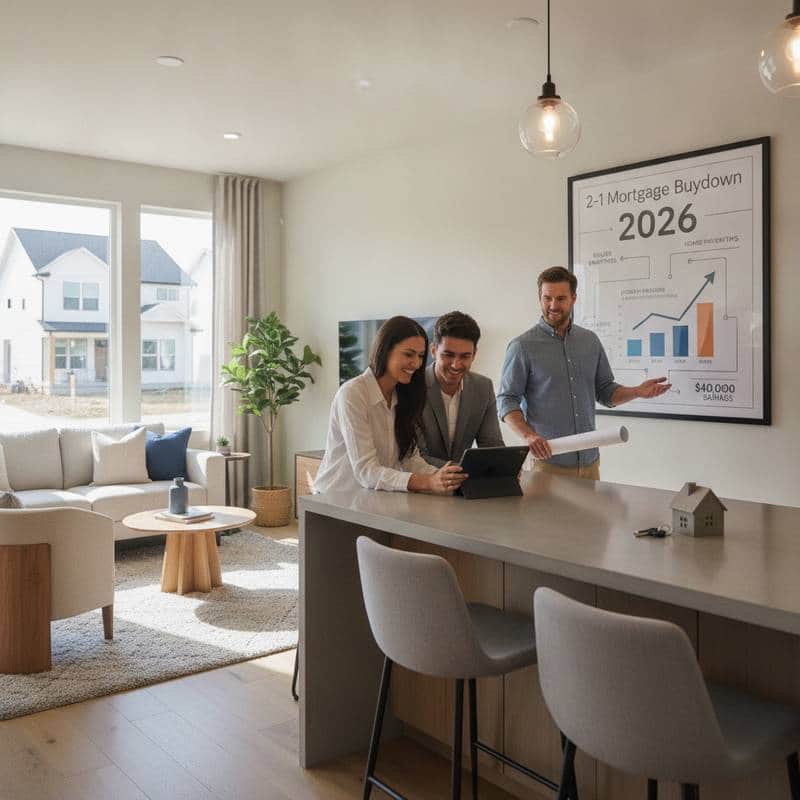
Consider constructing a new home with an anticipated move-in date next year. Full mortgage payments commence alongside expenses for furnishings, yard preparation, and corrections to incomplete builder work. The buydown eases this transition, allowing financial stability as you adapt to homeownership.
Calculations reveal substantial advantages; for instance, savings can reach $40,000 over the early phase compared to standard interest payments, particularly for higher loan amounts.
Funding the Buydown
The expense associated with the buydown requires allocation from a specific source. Common options include the following:
- Builder or seller contribution: These entities frequently absorb the cost to enhance the appeal of the transaction.
- Lender promotion: Certain lenders provide the buydown as part of special offers.
- Buyer investment: Individuals may choose to finance the buydown personally to achieve reduced payments.
A builder-funded buydown represents a significant advantage. In one scenario, such an arrangement reduced monthly payments by approximately $1,200 during the first year, enabling the buyer to invest in home improvements that increased property value.
Determining Suitability for Your Situation
For first-time buyers or those constructing homes, the 2-1 buydown offers valuable support during the adjustment to ownership responsibilities. However, it may not suit every circumstance.
Evaluate these factors:
- Anticipated income growth: If increases are expected soon, this option aligns well.
- Refinancing intentions: In cases of planned rate reductions, you benefit from savings without committing to the full rate long-term.
- Current budget constraints: Proceed with caution if finances are already extended, as the return to full payments may prove challenging without preparation.
Strategic Tips for Maximizing Value
Tip 1: Assess Total Costs and Savings
Before committing, compute the buydown expense against projected reductions in payments. Tools from lenders can assist in modeling scenarios based on loan size and rate assumptions. This analysis ensures the short-term benefits outweigh the upfront outlay.
Tip 2: Allocate Savings Effectively
The reduced payments over the first two years accumulate quickly. Direct these funds toward productive uses, such as:
- Reducing high-interest debt balances.
- Strengthening your emergency savings reserve.
- Accumulating resources for future home enhancements or maintenance.
This approach amplifies the buydown's impact beyond mere temporary relief.
Tip 3: Negotiate Coverage Terms
Discuss buydown funding with builders, sellers, or lenders early in the process. Request details on contributions and explore bundling with other incentives. Strong negotiation can shift costs away from your budget.
Tip 4: Review Agreement Details Thoroughly
Examine the buydown contract to confirm funding responsibilities and provisions for early sale or refinancing. Some arrangements return unused funds to reduce your principal, while others do not. Addressing these elements prevents unexpected outcomes.
Frequently Asked Questions
Can a 2-1 buydown apply to purchases of existing homes?
Yes, sellers of resale properties can include it as a concession. Verify that your lender permits temporary buydowns for such loans.
What occurs upon refinancing before the buydown expires?
Remaining funds in the buydown account may apply to your loan balance, subject to the specific terms. Consult your lender for a detailed explanation.
How does a buydown compare to paying discount points?
A buydown provides temporary relief, whereas points secure a permanent rate reduction. For long-term residency, points often yield greater savings. For shorter stays or anticipated refinancing, the buydown may prove more advantageous.
Securing Long-Term Financial Stability
Selecting the appropriate mortgage strategy, such as the 2-1 buydown, positions you for sustained success in homeownership. By aligning this tool with your income trajectory and future plans, you minimize early stresses and build equity efficiently. Consult professionals to tailor this option to your unique needs and achieve lasting benefits.