Summary
- Hempcrete receives approval in 12 states, sparking interest among builders for sustainable projects.
- This material offers carbon-negative properties, exceptional durability, and superior indoor comfort.
- Permitting processes require careful planning, yet adoption accelerates with growing resources.
Understanding Hempcrete
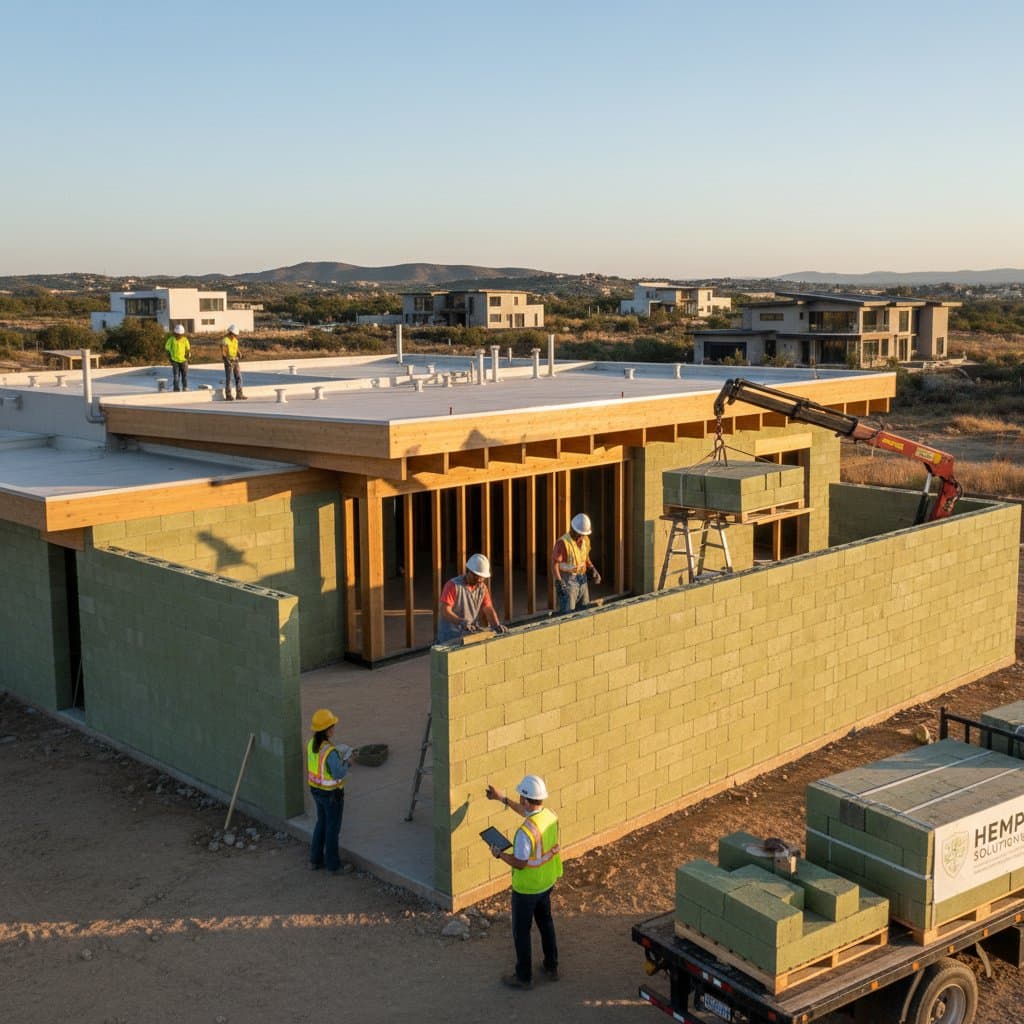
Hempcrete consists of hemp hurds, the inner woody core of the hemp plant, combined with lime and water. Builders mix these components into a slurry, which they pour or tamp into forms to create walls. Upon curing, the result forms a solid, breathable structure that excels in insulation.
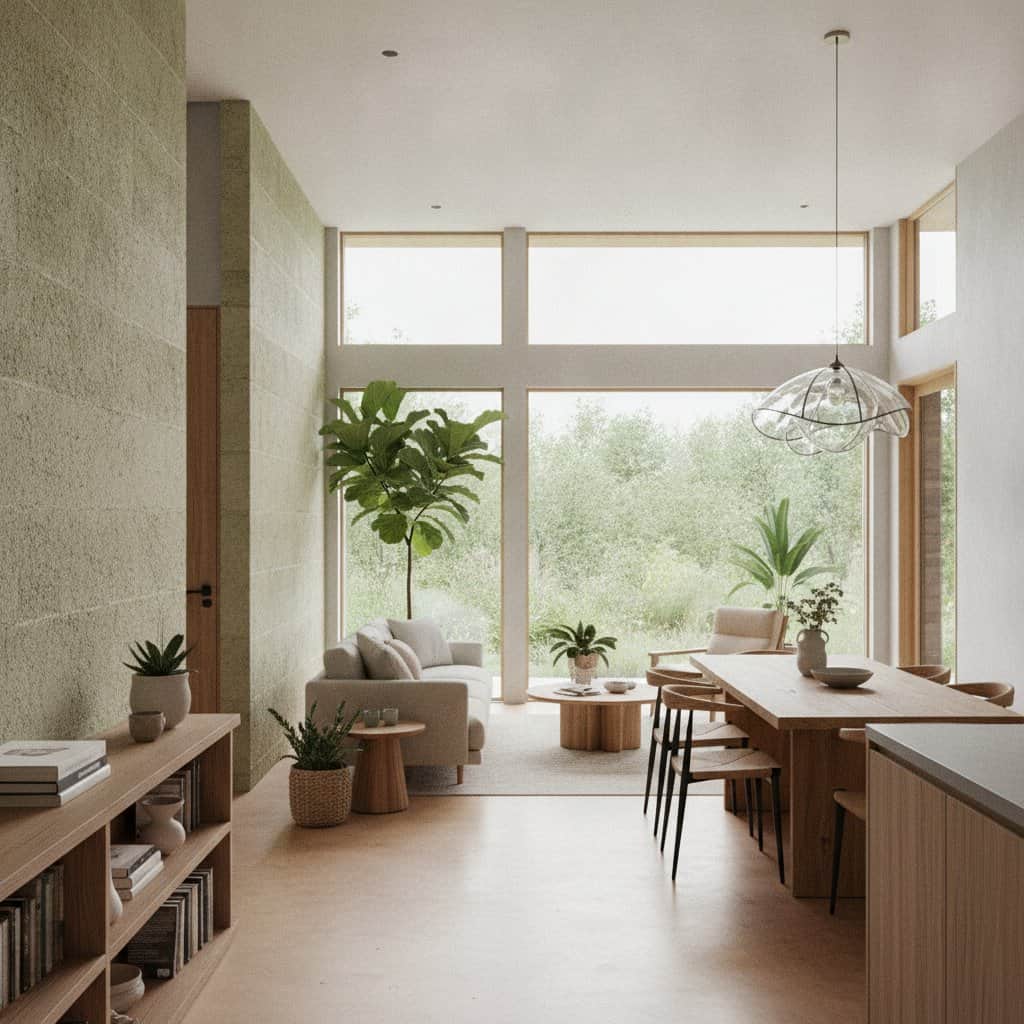
Hempcrete does not support structural loads, so projects require a separate frame of wood or steel. The material fills the spaces within this frame, providing inherent temperature and humidity regulation. Key advantages include its carbon-negative profile, where hemp sequesters carbon during growth and lime continues absorption during curing. It resists fire and pests naturally, without added chemicals, and delivers effective insulation alongside moisture management. Residents often describe the indoor environment as serene and balanced.
Common Pitfalls in Hempcrete Construction
Approach hempcrete differently from concrete, as its properties demand specific handling techniques.
Excessive moisture in the initial mix prolongs drying times significantly. Aim for a firm, crumbly texture to ensure efficient curing.
Consider these essential precautions:
Plan Wall Dimensions from the Start
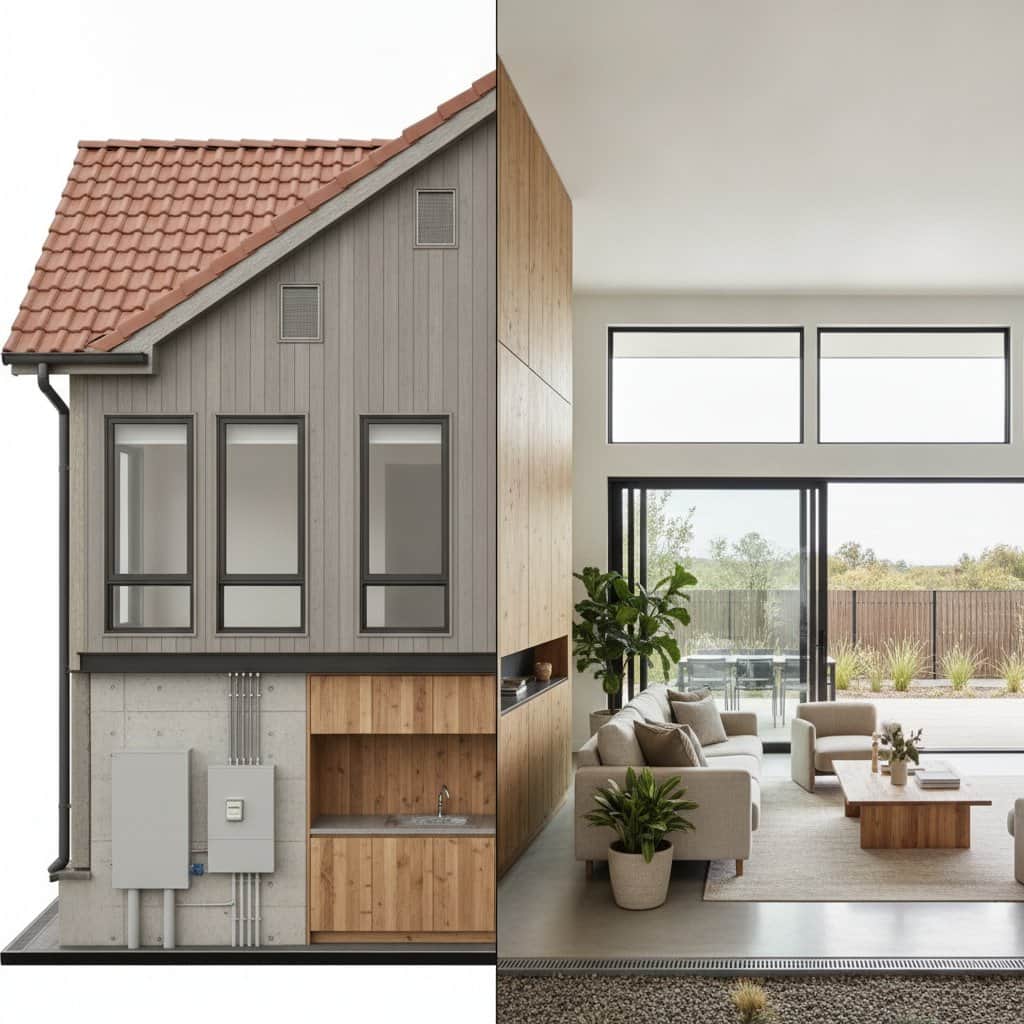
Hempcrete walls exceed the thickness of conventional insulated stud walls, which enhances performance but impacts interior space. Adjust architectural plans accordingly. For space-constrained designs, explore thinner infill panels or hybrid approaches that integrate hempcrete selectively.
Select Permeable Finishing Materials
Pair hempcrete with breathable options such as lime, clay, or mineral-based plasters. Avoid non-permeable barriers like plastic paints, which can cause moisture accumulation and structural issues.
Account for Extended Curing Periods
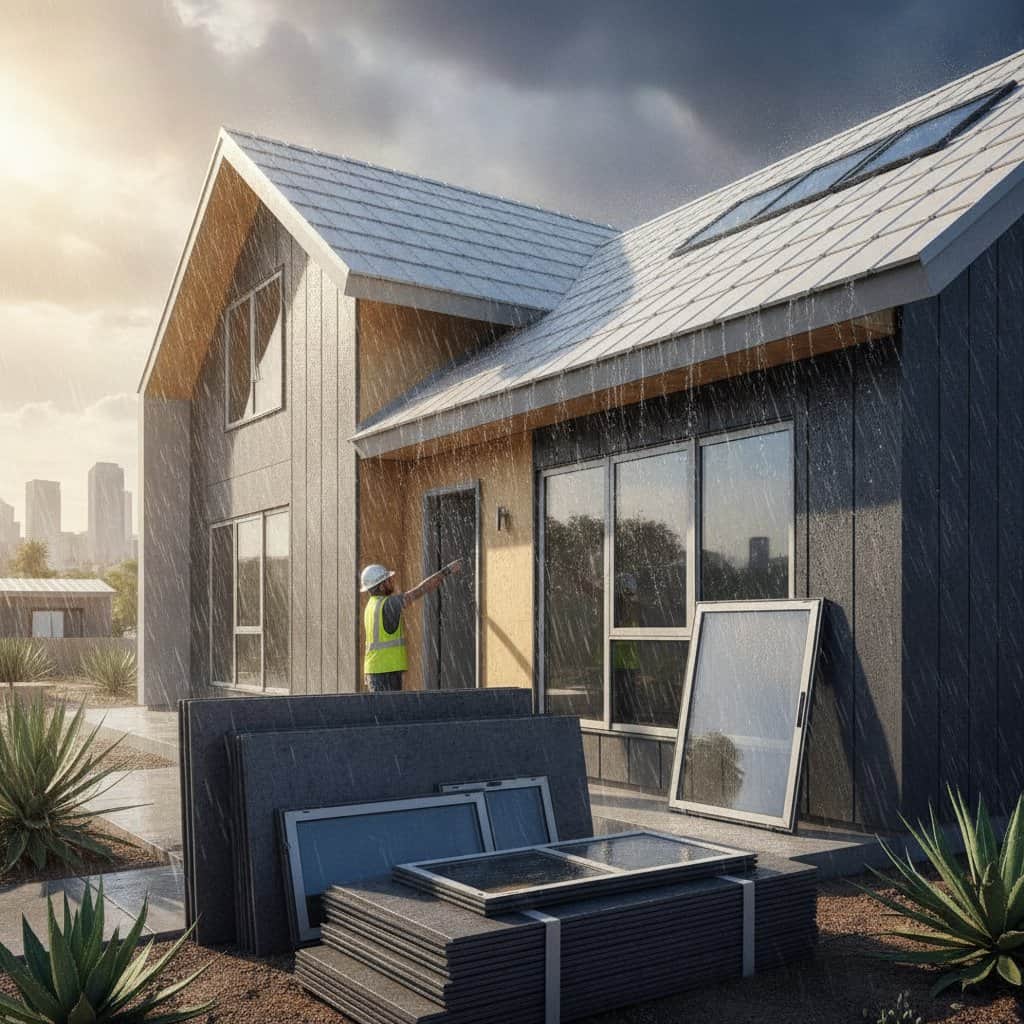
Curing and drying may span weeks, influenced by climate and wall thickness. Incorporate ample time in project schedules to prevent premature finishing applications.
Source Materials Locally Where Possible
Local procurement of hemp and lime reduces expenses and emissions while bolstering regional suppliers essential to the industry.
The Carbon-Negative Benefits of Hempcrete
Hempcrete qualifies as carbon-negative, a feature that appeals to environmental advocates. Hemp plants capture carbon dioxide rapidly during cultivation. The lime binder absorbs additional carbon throughout the curing process.
This ongoing sequestration contrasts sharply with the high-emission production of concrete and steel. Hempcrete thus contributes to lower overall building impacts. Moreover, hemp matures in months as a renewable crop, avoiding competition with food agriculture.
Cost Considerations for Hempcrete Projects
Initial expenses for hempcrete surpass those of standard methods, primarily due to labor-intensive application. Material costs align closely with traditional options when sourced efficiently.
View hempcrete as an investment in enduring efficiency. Reduced energy consumption, enhanced air quality, and prolonged structure life offset upfront costs. Builders achieve budget alignment by applying hempcrete to exterior walls while using conventional methods internally.
Frequently Asked Questions
Does hempcrete retain any hemp odor after installation?
No, the cured material remains odorless. A mild plaster scent may linger briefly during drying.
Is hempcrete suitable for renovation projects?
Yes, it adapts well to retrofits, serving as infill, insulation, or underlayment in existing structures.
What is the current legal status of hempcrete?
Approval expands seasonally, with 12 states now permitting its use. Verify requirements through local building authorities.
How does hempcrete perform in varying climates?
It manages humidity effectively through vapor permeability. Ensure compatible, breathable finishes for optimal results.
Advancing Your Hempcrete Project
With permits approved in 12 states, hempcrete transitions from experimental to viable for sustainable builds. Trained inspectors and reliable supply chains support this shift. Homeowners gain access to resilient, eco-friendly homes that prioritize health and environmental stewardship. Consult certified professionals to navigate local codes and realize these benefits.