Builder Buydowns Bring 5% Mortgage Rates Back
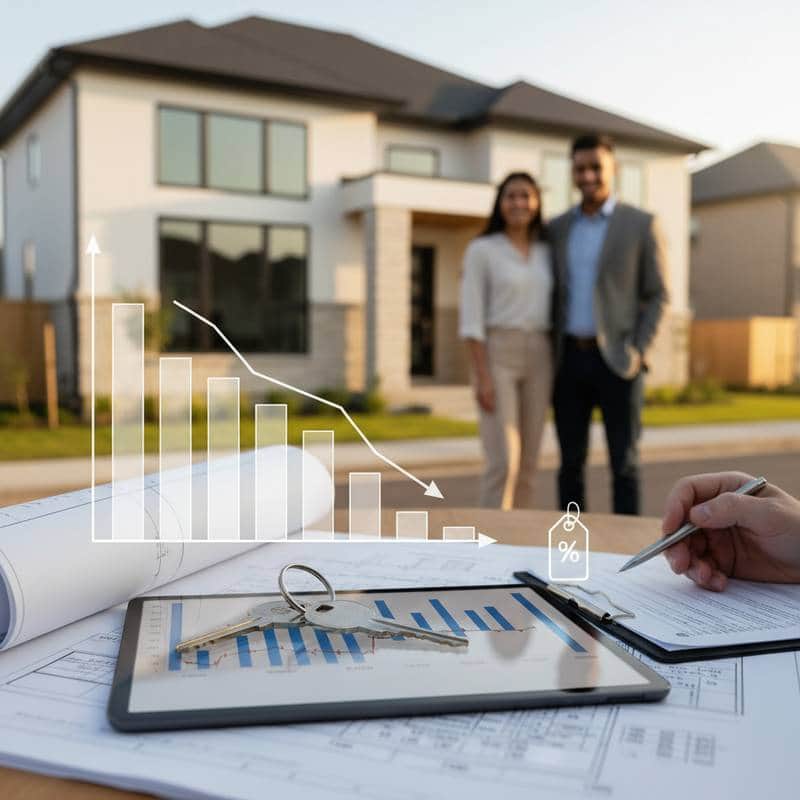
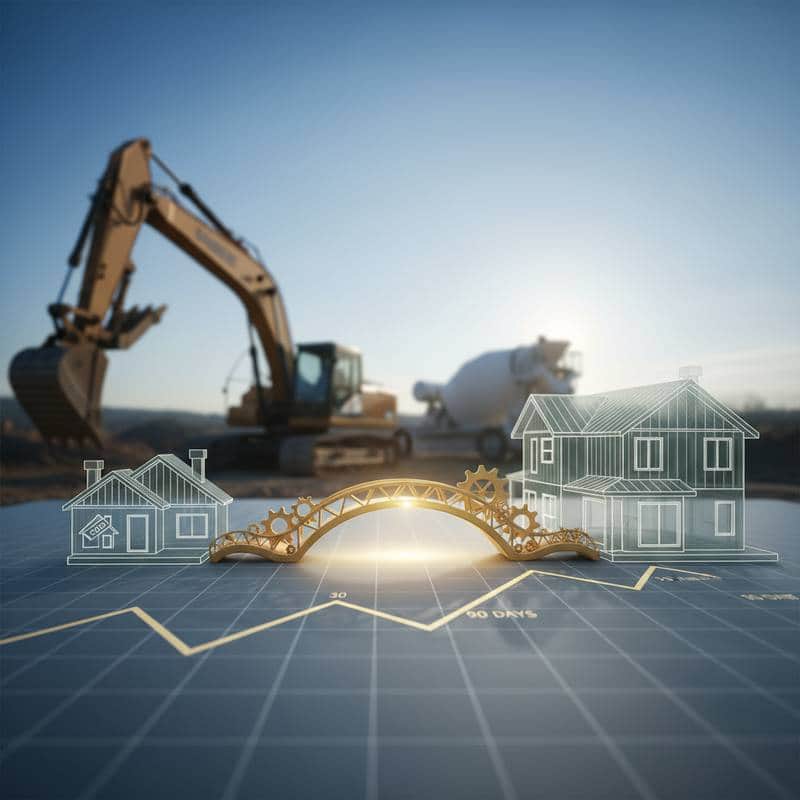
Builder buydowns temporarily reduce mortgage interest rates to 5%, enabling lower initial payments and broader access to homeownership.
Loading...
Showing articles 85 - 96 of 512
Builder buydowns temporarily reduce mortgage interest rates to 5%, enabling lower initial payments and broader access to homeownership.
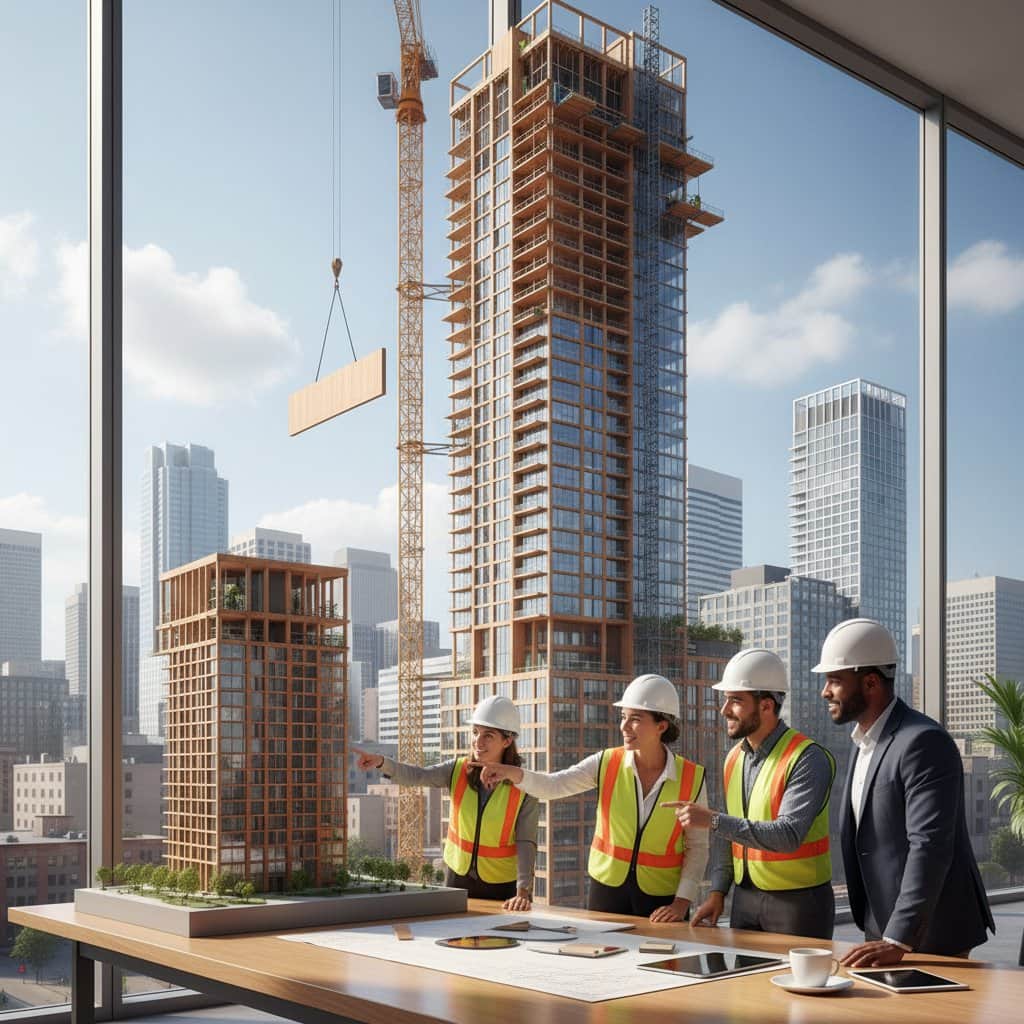
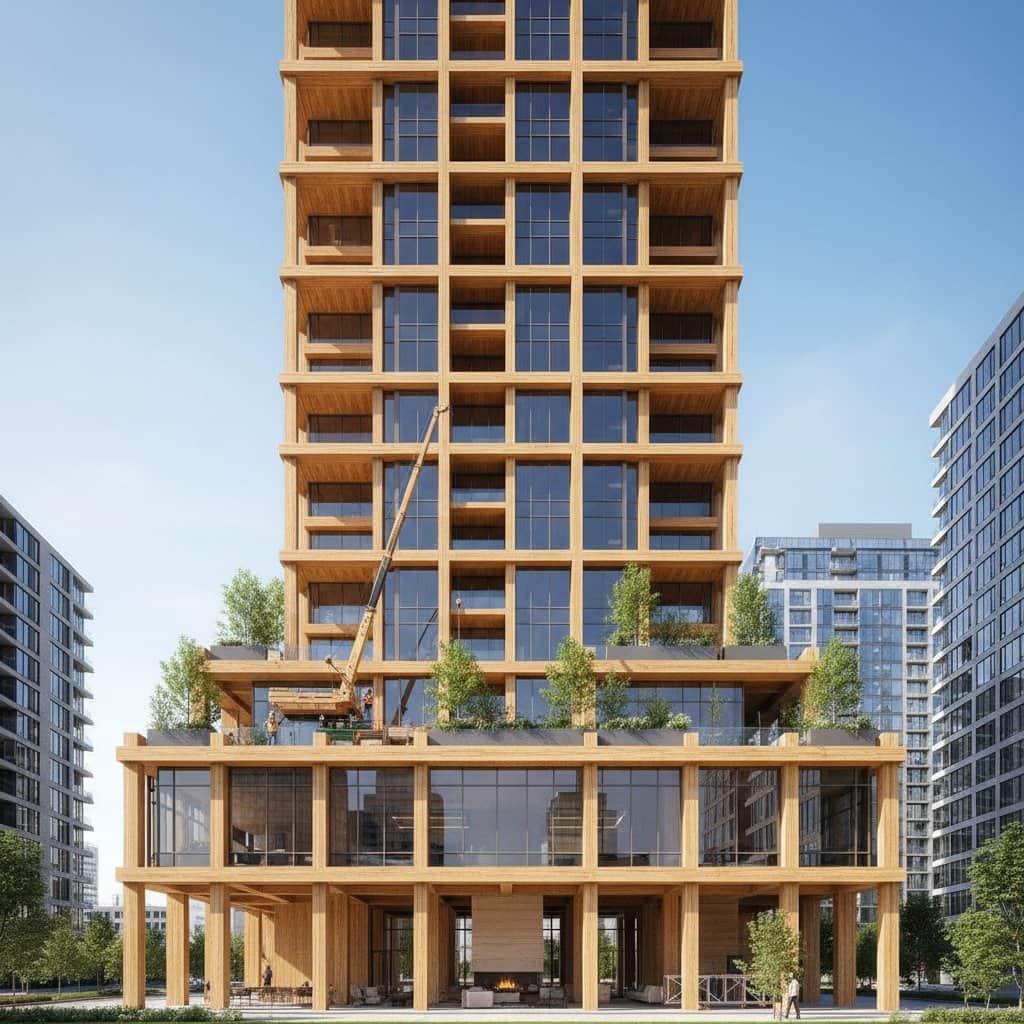
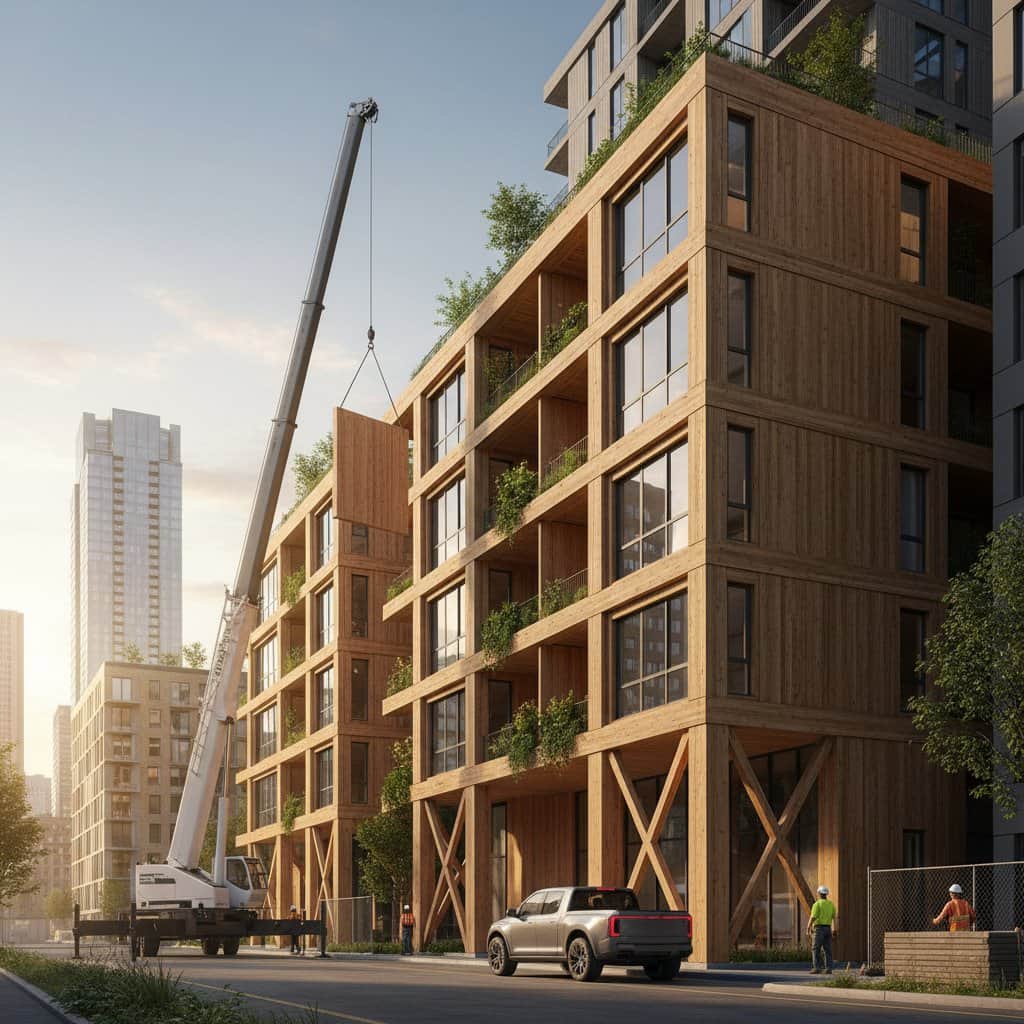
The 2026 International Building Code approves taller mass timber structures, revolutionizing high-rise development with sustainable wood alternatives to steel and concrete. These prefabricated systems offer rapid assembly, cost savings, and carbon sequestration, enhanced by rigorous safety standards. Developers benefit from lighter designs, aesthetic appeal, and environmental gains in urban projects.
Zero-down builder financing transforms the homebuilding landscape by eliminating upfront down payments, making homeownership accessible to more buyers. Builders benefit from increased sales velocity, while buyers gain entry without depleting savings. However, key factors such as interest rates, equity building, and contract details require careful review. This guide explains the trend's growth in 2026 and provides strategies for informed decisions.
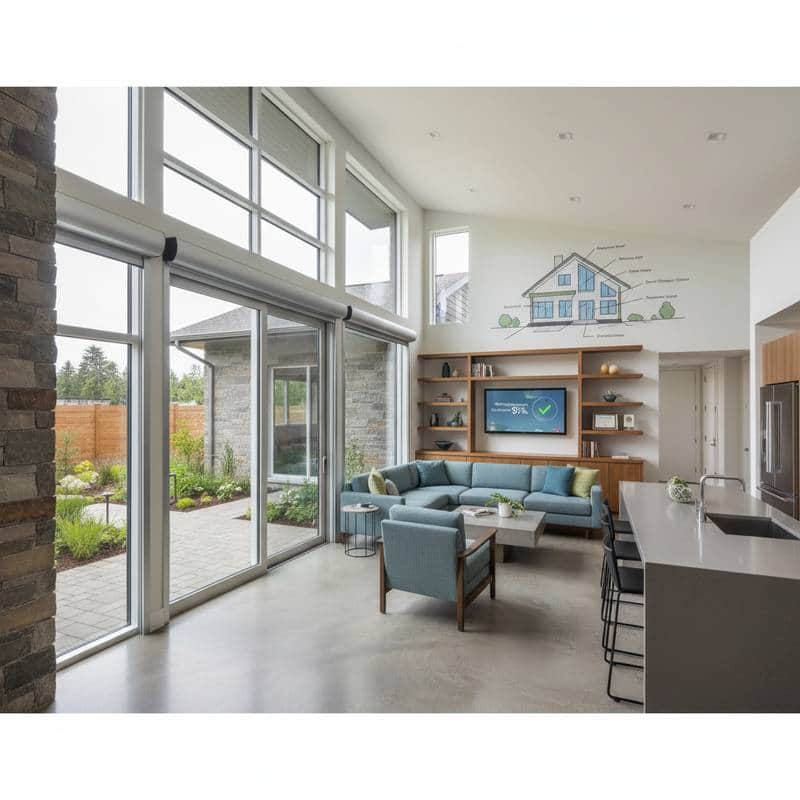
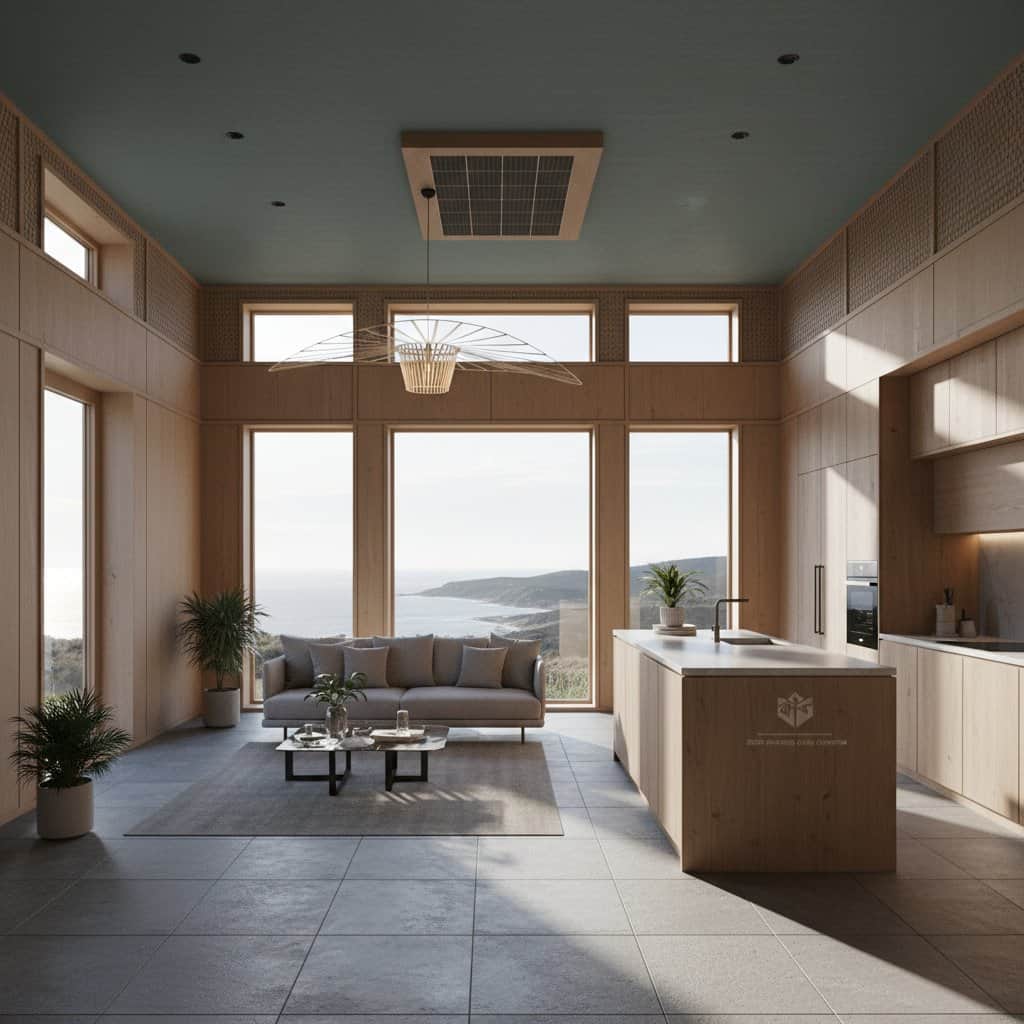
Luxury prefab homes reshape contemporary housing by providing upscale aesthetics, integrated smart technologies, and superior energy performance at approximately $200,000. These residences assemble swiftly and adhere to budgets, merging ease, environmental responsibility, and personalization minus the challenges of conventional building. Learn why the 2026 prefab advancements render premium homes remarkably accessible.
Builder buydowns reshape new home affordability in 2026. These incentives temporarily reduce mortgage rates to draw in buyers, sustain builder pricing, and foster confidence despite elevated interest rates. Buyers gain tangible financial advantages, improved sales dynamics, and options for future refinancing in this prominent trend for new construction.
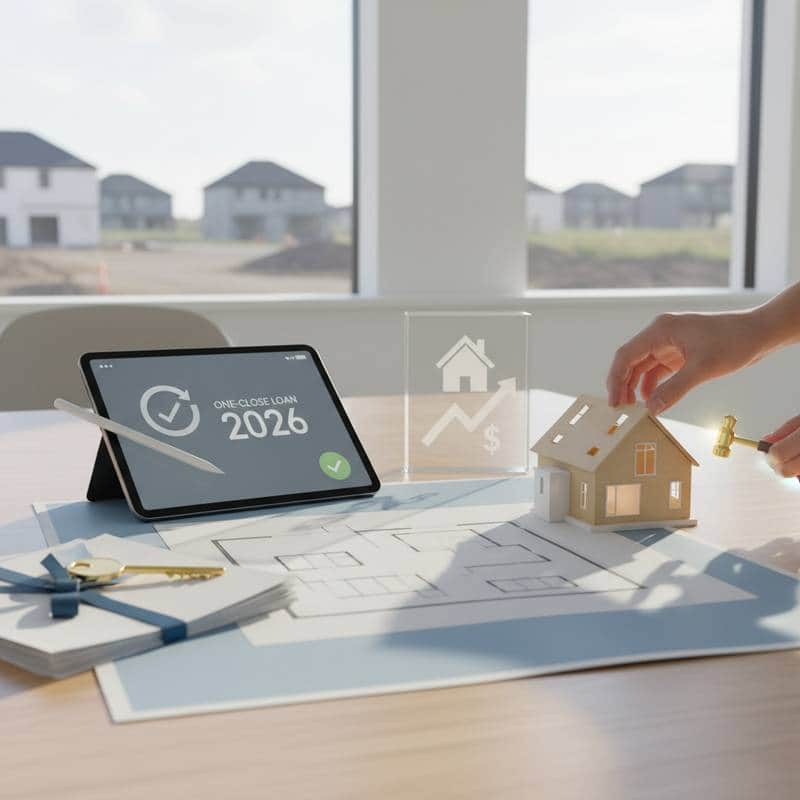
Constructing a custom home presents unique challenges, yet one-close loans for 2026 offer a streamlined path forward. This financing option merges construction and permanent mortgage phases into one efficient process, allowing borrowers to lock in interest rates early. Understand qualification requirements, potential pitfalls, and strategies to maintain budget control with this practical solution.
The 2026 building codes advance home resilience against wildfires, floods, and extreme weather through innovative materials and designs. Fire-rated exteriors, elevated structures, and efficient drainage systems deliver durable, cost-effective protection and serenity amid climate uncertainties.
A 2-1 buydown significantly reduces initial mortgage payments, potentially saving buyers up to $40,000 and facilitating a smoother entry into homeownership. Typically funded by builders, this option lowers interest rates for the first two years before adjustment. Strategic use and transparent terms can provide enduring financial flexibility for 2026 homebuyers.
DSCR loans revolutionize real estate financing by emphasizing a property's income potential over the borrower's personal finances. This approach offers investors and builders rapid approvals, adaptable terms, and enhanced scalability. Understand DSCR ratios, lender criteria, and the advantages that position these loans as a superior alternative to conventional mortgages.
The 2026 fire code revision unlocks opportunities for taller mass timber apartment buildings, emphasizing safety through advanced engineering. This change supports quicker construction timelines, reduced environmental impact, and appealing natural interiors. Learn how these updates are reshaping multifamily housing with wood-based innovation.
Homebuyers pursue new construction properties featuring assumable FHA and VA loans at 3% rates. These arrangements yield considerable monthly payment reductions and accelerated equity accumulation, yet qualification requirements apply. Builders employ such incentives to expedite sales, offering a limited-time benefit for diligent buyers.
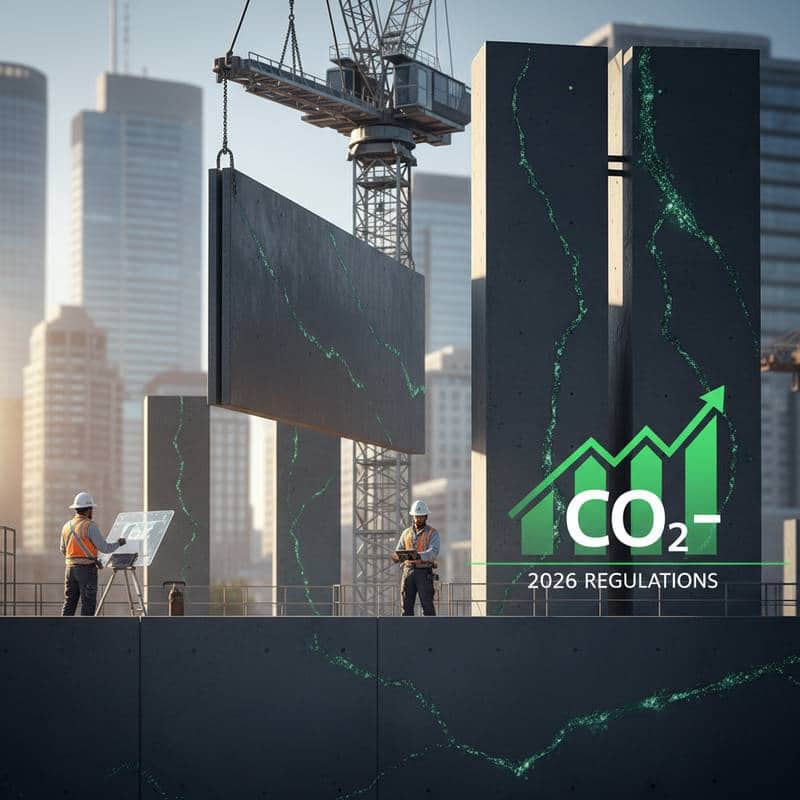
Carbon-capture concrete innovates the construction sector by sequestering CO2 directly into the material, achieving up to 40% emissions reductions. It preserves essential strength and durability while integrating effortlessly into current workflows, promoting sustainability and superior long-term performance for forward-thinking builders targeting greener outcomes by 2026.
Homebuilders are leveraging mortgage rate buydowns to restore affordability, potentially delivering rates near 5% by 2026. These targeted incentives lower initial payments, assist with loan approvals, and accelerate inventory sales. Although temporary, they provide essential financial relief for buyers facing elevated housing expenses and market volatility.
One-close loans revolutionize custom home building by merging construction financing with your permanent mortgage. Experience one application, one closing, and one fixed rate to eliminate refinancing worries and maintain budget control from start to finish.
The 2-1 buydown reduces mortgage payments by around $40,000 in the initial two years, providing essential relief for new homeowners. Builders commonly fund this incentive, facilitating easier qualification and offering flexibility for future refinancing in a high-rate environment.
One-close loans streamline home construction by integrating temporary and permanent financing in a single application and closing. This method delivers cost savings, rate stability, and reduced administrative burdens, empowering homeowners and builders for efficient 2026 projects.
Uncover 2026 innovations in hurricane and fire-proof home construction. Advanced materials such as reinforced concrete, metal roofing, and fire-rated interiors deliver strength, efficiency, and elegance for enduring protection.
The 2026 updates to one-close loans introduce significant changes in builder approvals, interest rate lock periods, draw schedules, and documentation standards. These modifications seek to minimize delays, safeguard borrowers, and facilitate smoother closings. Builders and homeowners alike must prioritize early planning to navigate these requirements effectively and achieve timely project completions.
Climate-resilient homes represent a forward-thinking investment, designed to endure extreme weather, minimize repair needs, and attract favorable mortgage terms. These properties integrate robust materials, energy-efficient features, and strategic designs to deliver enhanced security, comfort, and financial benefits. Explore the ways resilience in home construction is transforming sustainable and economical housing options.
Biochar concrete substitutes traditional cement with carbon-rich biochar, yielding a lighter, stronger, carbon-negative product. It sequesters atmospheric carbon, improves insulation, and minimizes waste. With declining costs and rising adoption, this material redefines concrete as a sustainable design asset.