Floating Rate Loans: 2026 Risk or Smart Bet?
Floating rate construction loans provide initial cost advantages and adaptability, yet introduce variability as interest rates evolve.
Loading...
Showing articles 97 - 108 of 479
Floating rate construction loans provide initial cost advantages and adaptability, yet introduce variability as interest rates evolve.
Construction liens are set to increase in 2026 due to stricter payment rules and documentation demands in new homeowner protection laws. Designed for fairness, these regulations introduce more paperwork and dispute risks. Homeowners can mitigate issues through lien waivers, detailed contracts, and ongoing communication to foster secure, transparent projects.
Construction loan rates stand at an attractive 4.9%, providing homebuilders with a chance to reduce costs and enhance project flexibility. Locking in this rate promptly secures lower payments and protects against future increases. Explore preparation steps, loan options, and timing advice to capitalize on this window.
Bridge loans in 2026 reshape construction financing through reduced interest rates, adaptable repayment structures, and expedited processing. Builders benefit from improved cash flow management, reduced project delays, and terms customized to specific project scales. Strategic preparation, negotiation tactics, and lender evaluations enable maximum advantages from these short-term financing solutions.
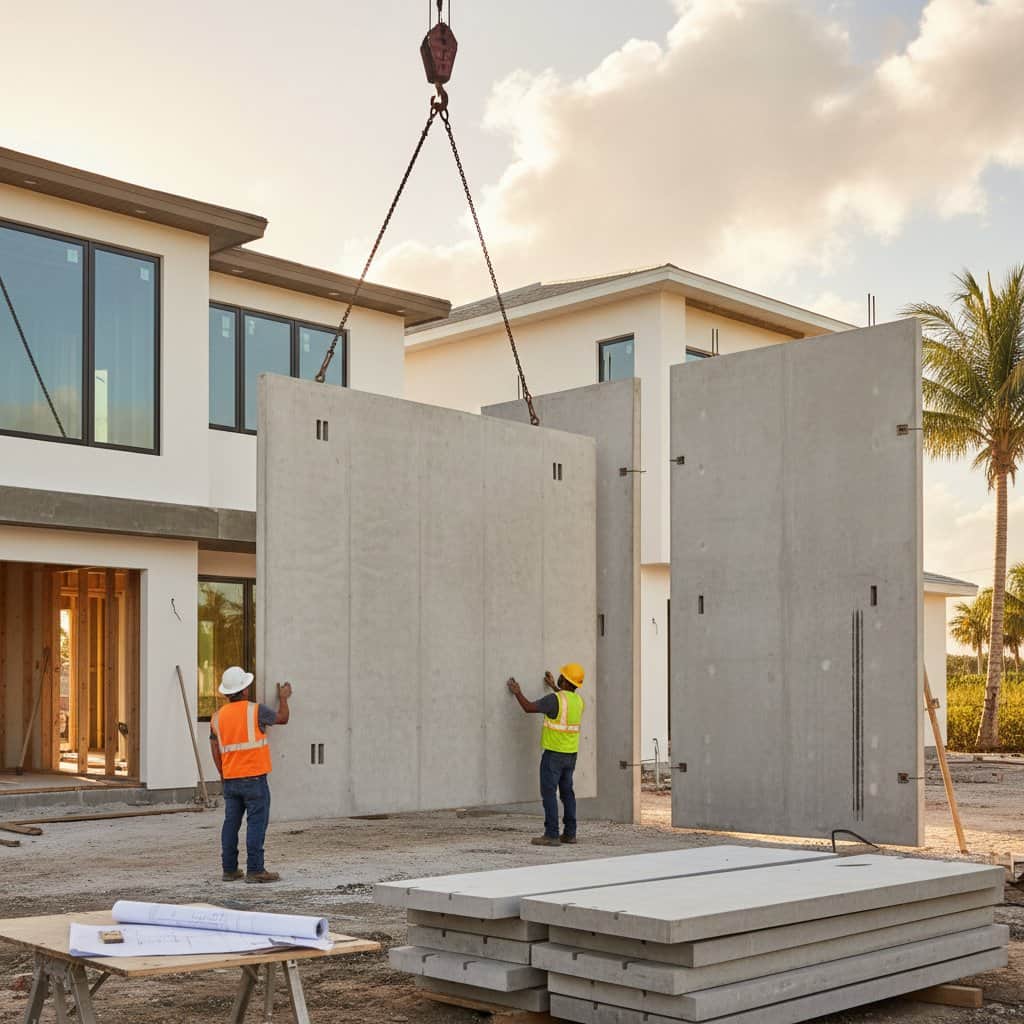
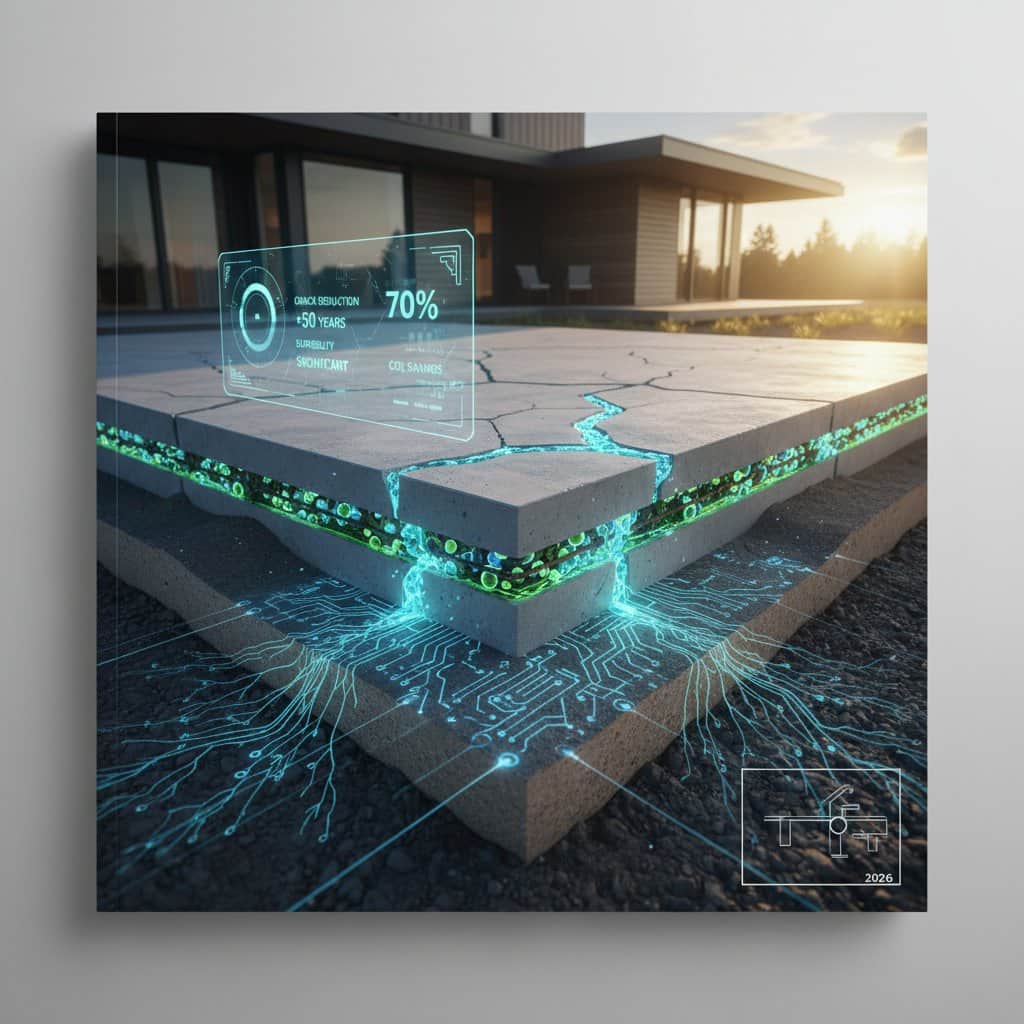
Starting in 2026, several states will enforce mandates for carbon-neutral concrete in new construction, transforming material sourcing and documentation practices. These requirements seek to lower emissions while preserving structural integrity and aesthetic options. This guide outlines preparation steps, cost management, and incentive opportunities to ensure projects remain compliant, durable, and environmentally responsible.
Anticipated 2026 bridge loan rate cuts deliver significant relief to builders by stabilizing cash flow and enhancing project adaptability. Reduced costs facilitate quicker completions, superior craftsmanship, and competitive edges for emerging firms. Discover strategies to leverage these changes for improved timelines, margins, and industry resilience.
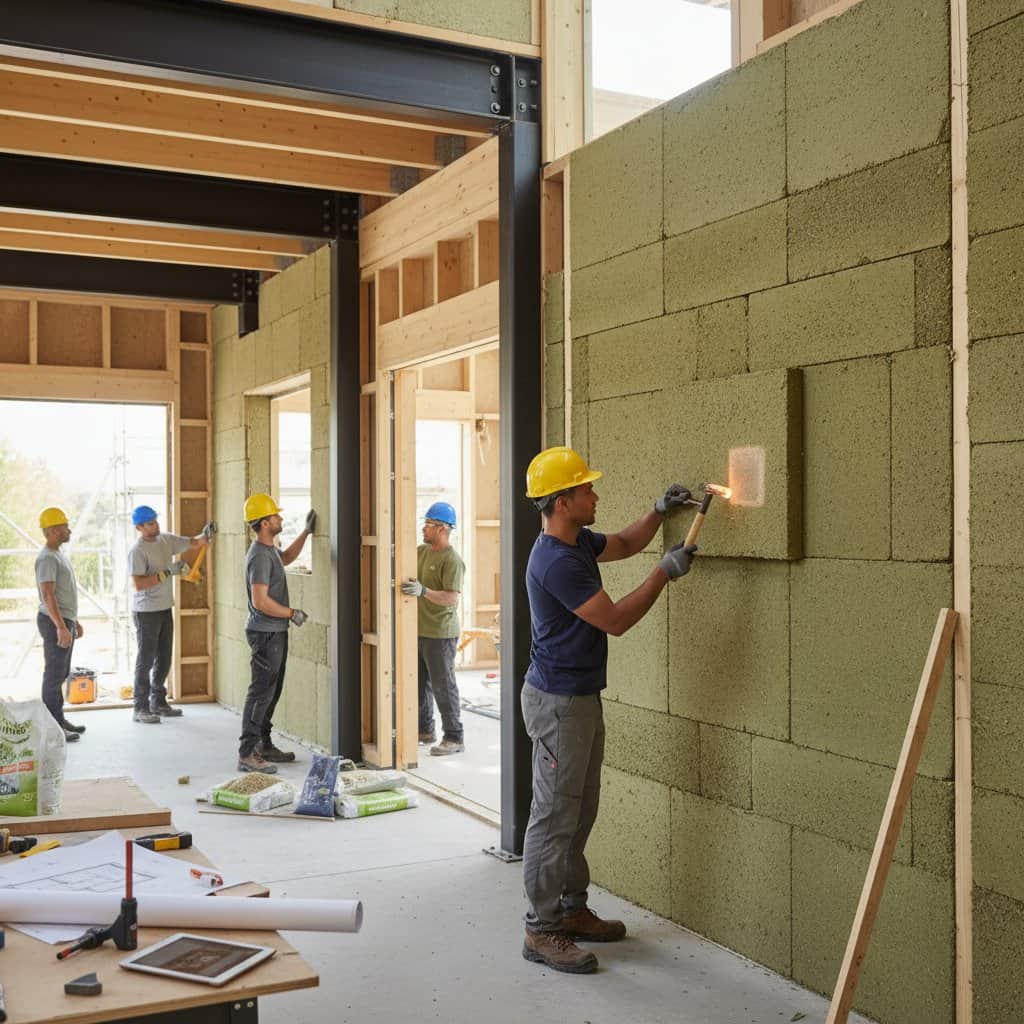
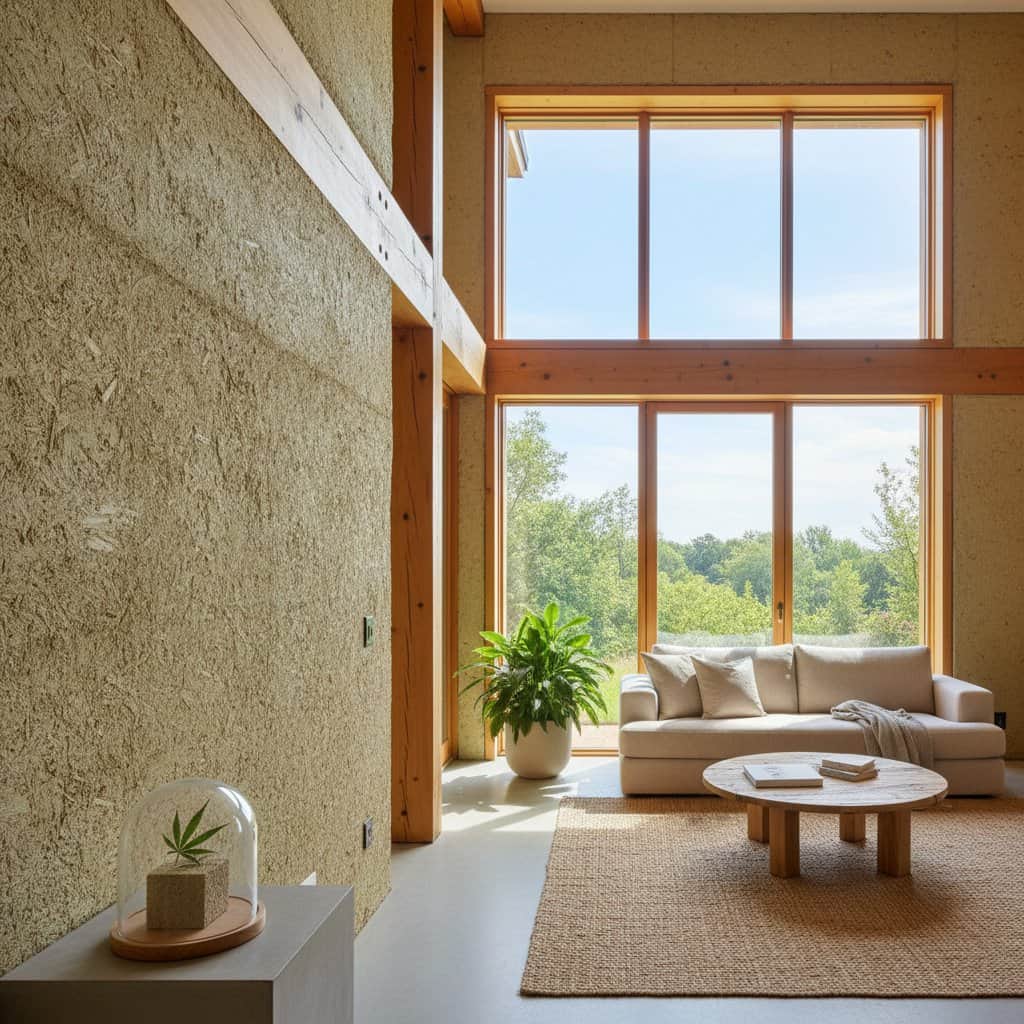
Several innovative builders are redefining sustainable construction through hempcrete, producing homes that regulate humidity, enhance comfort, and align with contemporary design. These projects range from luxury residences to community initiatives, demonstrating hempcrete's practicality, cost-effectiveness, and visual elegance. Learn how this carbon-negative material shifts from niche applications to a core element of modern building practices.
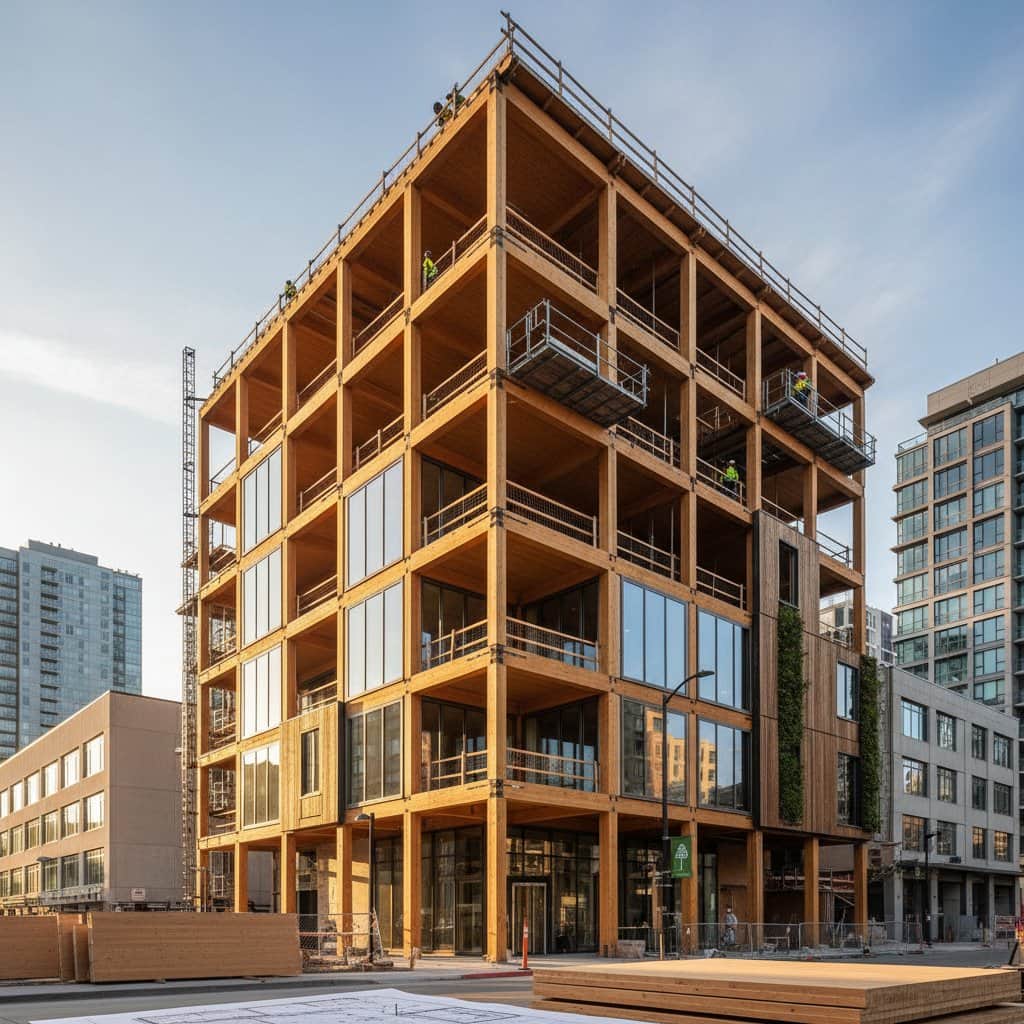
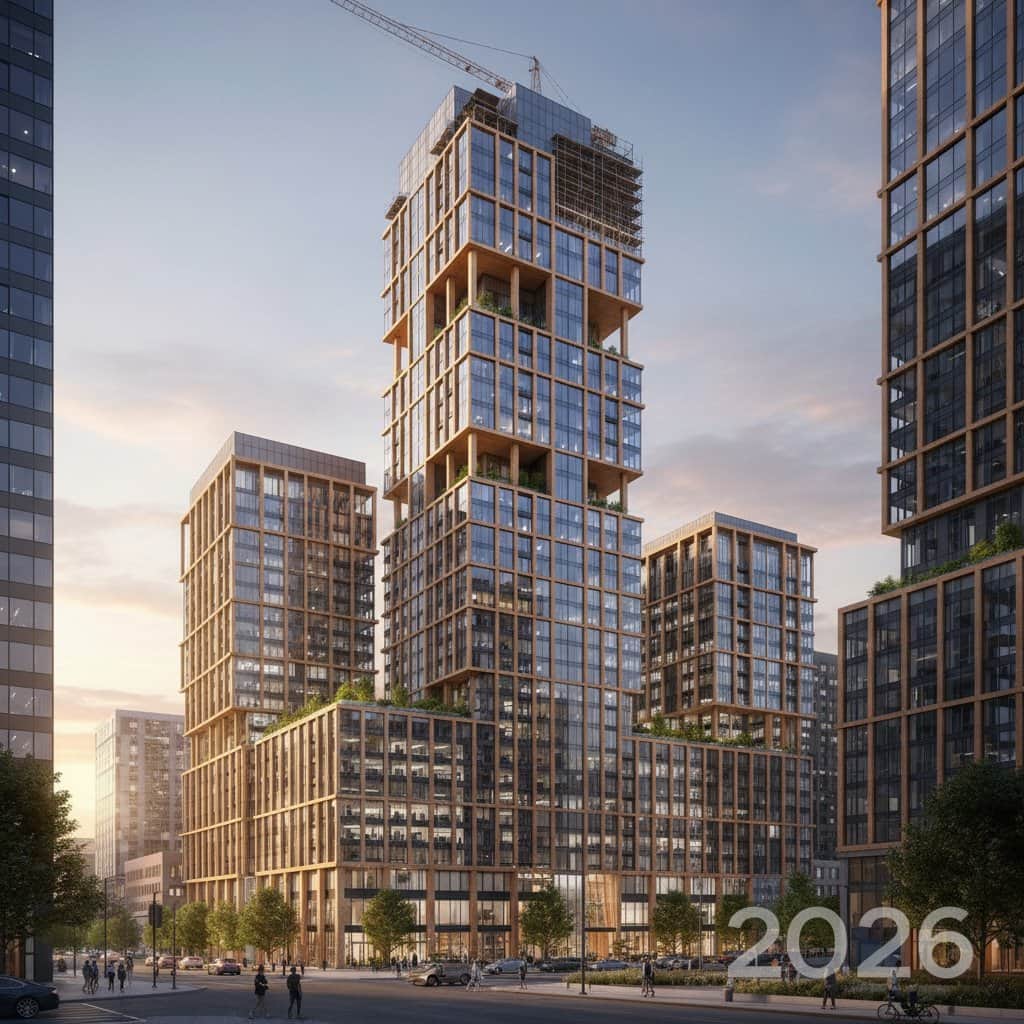
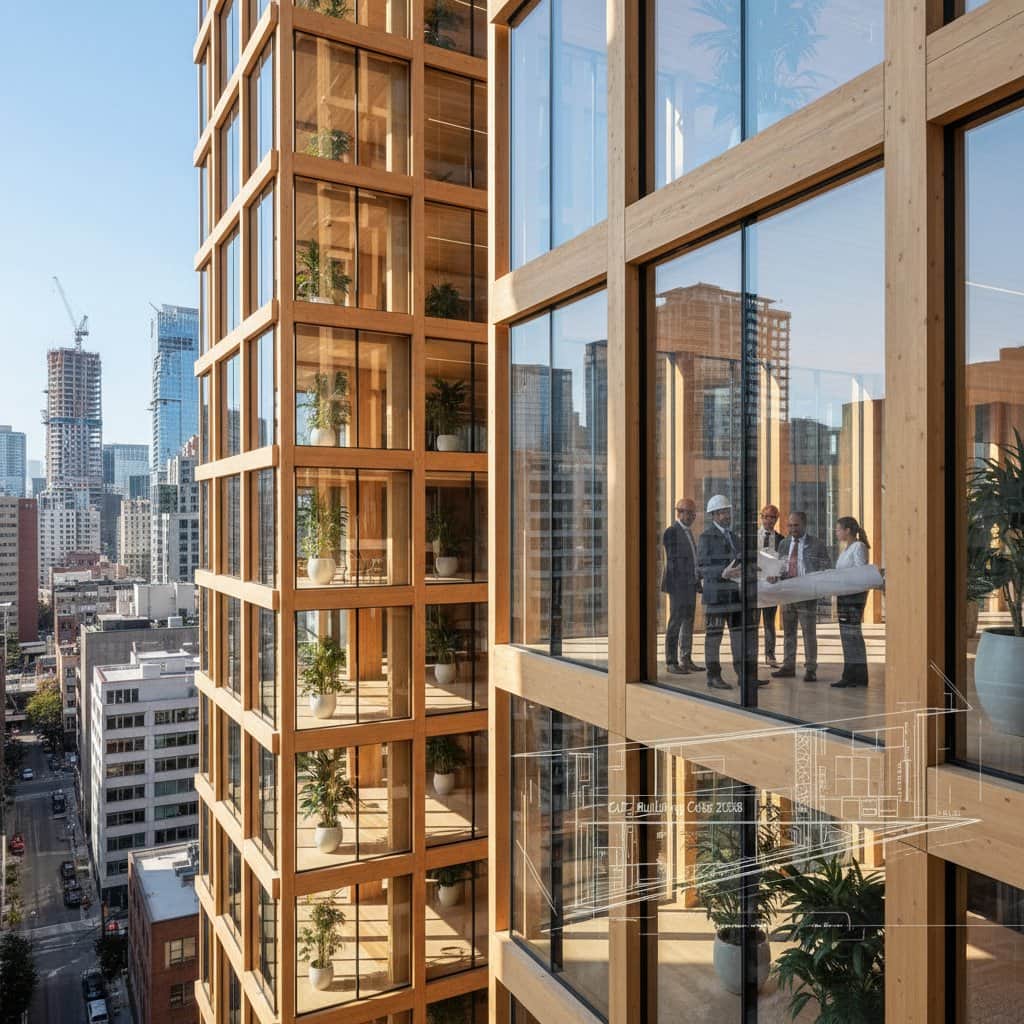
From ancient craftsmanship to cutting-edge engineering, 20-story timber towers deliver resilient, lightweight, and green urban solutions. Cross laminated timber sequesters carbon, accelerates construction, and creates inviting spaces warmer than concrete counterparts, ushering in sustainable cityscapes.
In 2026, 2-1 buydowns lower mortgage rates for the first two years, offering homebuyers financial flexibility and sellers a competitive edge. This temporary adjustment aids settling into homeownership while emphasizing the need for forward-thinking financial planning to handle upcoming rate increases.
A 2-1 buydown reduces early mortgage payments by approximately $18,000 over the first two years, facilitating a smoother entry into homeownership. Builders or lenders frequently fund this option, providing temporary relief without additional upfront costs from the borrower. This approach also supports easier qualification and positions borrowers for potential refinancing in year three.
A 2-1 buydown reduces mortgage interest rates for the first two years, potentially saving up to $40,000 on a 2026 loan. This guide explains the mechanics, funding options, and benefits for enhanced financial flexibility during homeownership.
Mass timber redefines high-rise construction by enabling 15-story buildings that prioritize sustainability, efficiency, and design excellence. Engineered wood products provide robust performance, enhanced fire resistance, and a welcoming aesthetic while significantly lowering environmental impact. Learn about the innovations driving this shift in modern architecture.
The 2-1 buydown mortgage reduces interest rates for the first two years, potentially saving buyers $40,000 on payments. Builders often fund this incentive to boost affordability. This approach provides essential financial flexibility during the transition to homeownership.
Mass timber redefines urban high-rises with eco-friendly design and rapid construction. The 2026 fire code updates introduce stringent standards for testing, containment, and suppression, offering builders a roadmap to safer, innovative projects.
The 2-1 buydown provides temporary relief on mortgage payments, reducing costs by approximately $40,000 over the first two years. Builders and lenders fund this incentive to improve affordability in high-rate environments. It suits buyers anticipating income growth or future refinancing, offering a pathway to stable homeownership.
Mass timber redefines urban skylines through eight-story wooden structures that combine exceptional strength, environmental sustainability, and inviting aesthetics. Engineered solutions such as cross-laminated timber and glulam enable rapid construction, enhanced safety, and a natural ambiance previously unattainable in high-rise designs. As urban areas adopt this renewable resource, architecture evolves toward greater efficiency, humanity, and ecological responsibility.
A 2-1 buydown temporarily lowers your mortgage rate by two points in year one and one point in year two, before settling at the fixed rate. This approach can save buyers up to $40,000, provides essential financial relief during the initial homeownership phase, and aligns with builder incentives for smoother transitions into long-term stability.
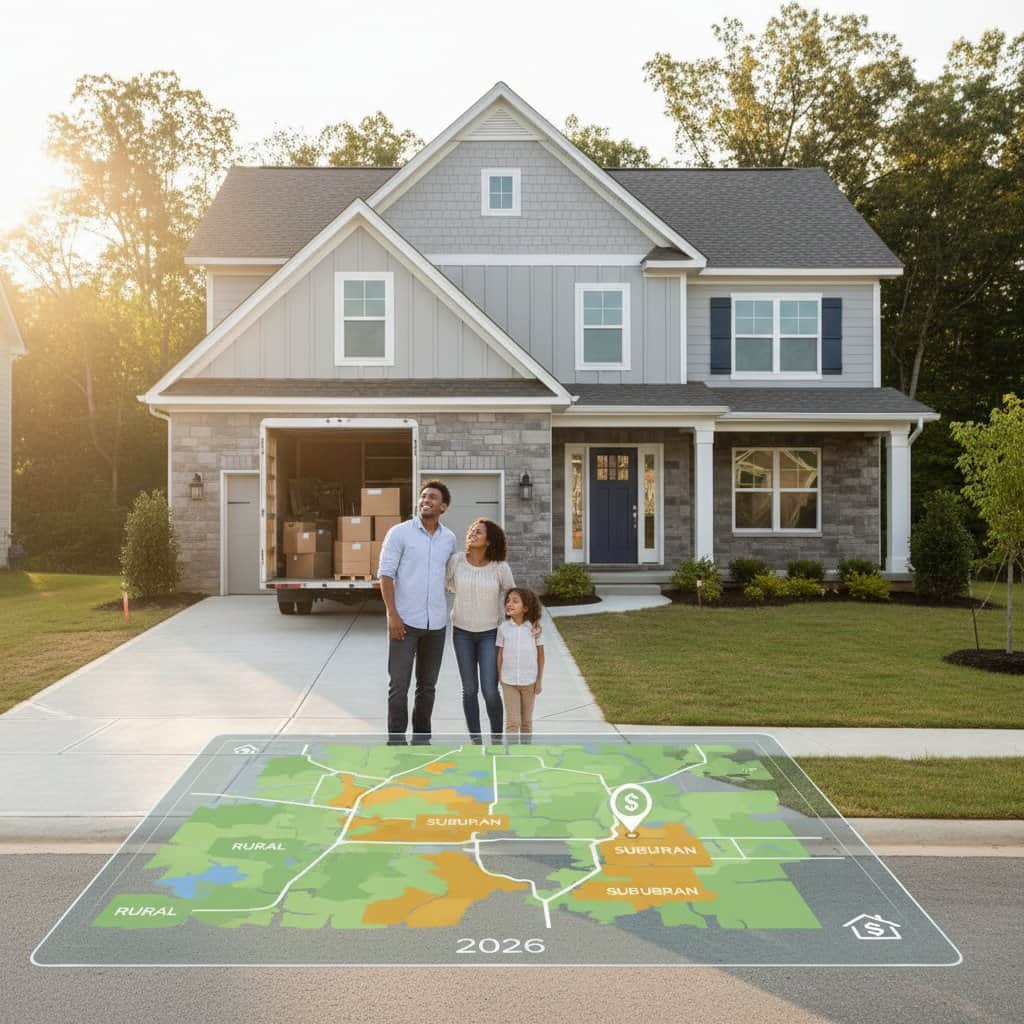
Builders deploy 2026 mortgage rate buydowns to counter high interest rates, providing temporary payment reductions via 1-0, 2-1, and 3-2-1 structures. These incentives lower entry costs for new homes, aid buyer transitions, and highlight key considerations for informed decisions.
Anticipated 2026 interest rate reductions are igniting a construction refinancing boom, providing builders and homeowners with enhanced financial options. Reduced payments enable the revival of paused projects, facilitate innovative upgrades, and foster community revitalization. This refinancing trend influences design preferences, from energy-efficient features to adaptable living spaces, restoring momentum in the construction sector.
In 2026, zero-down construction loans eliminate upfront barriers to home building by combining land and construction financing in a single, flexible package. These programs empower first-time and move-up buyers to create custom homes, boosting affordability and local development.