Loading...
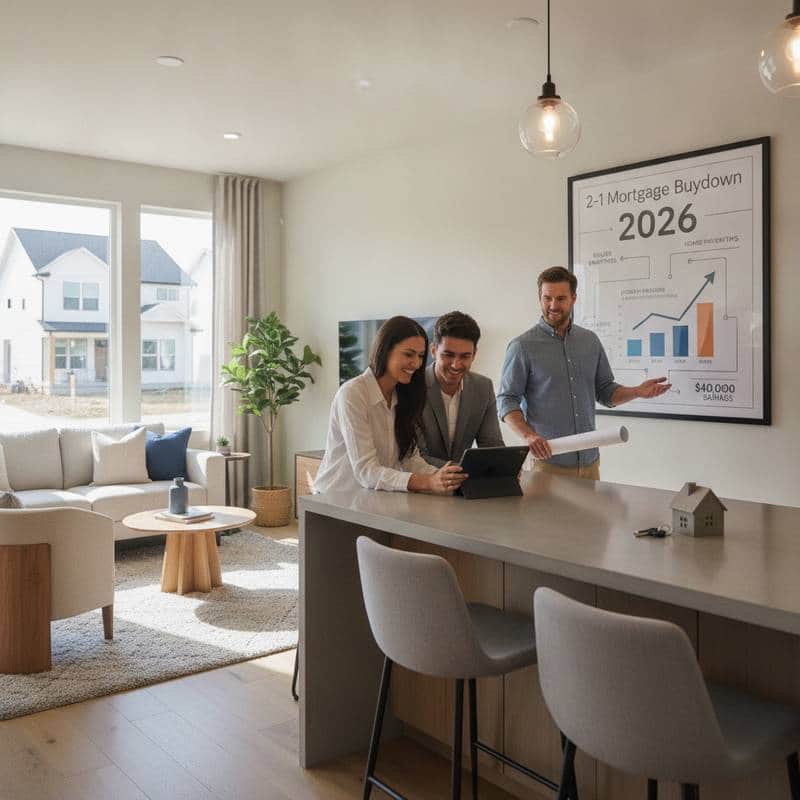
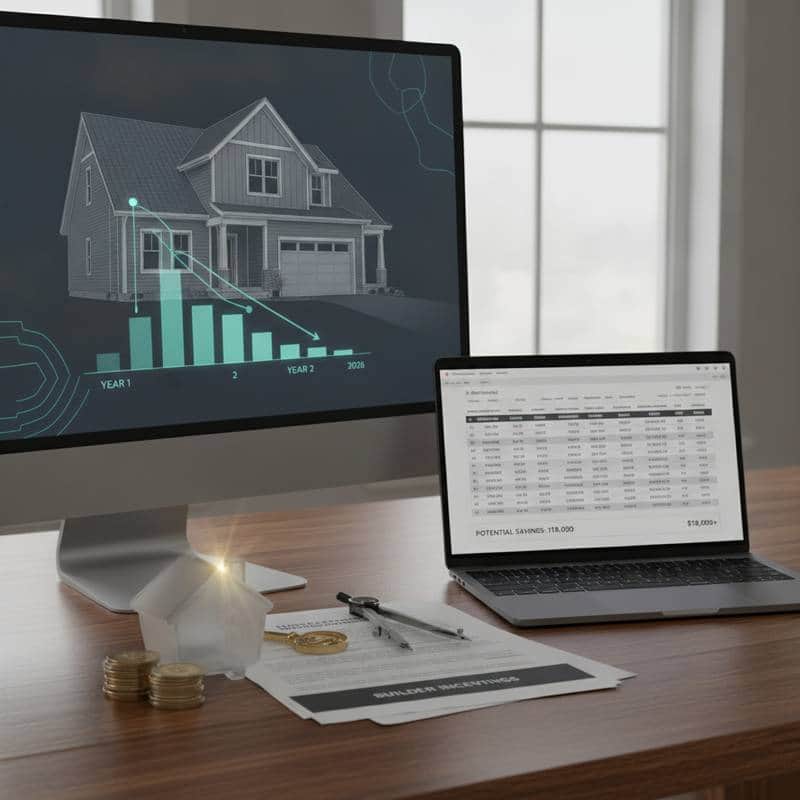
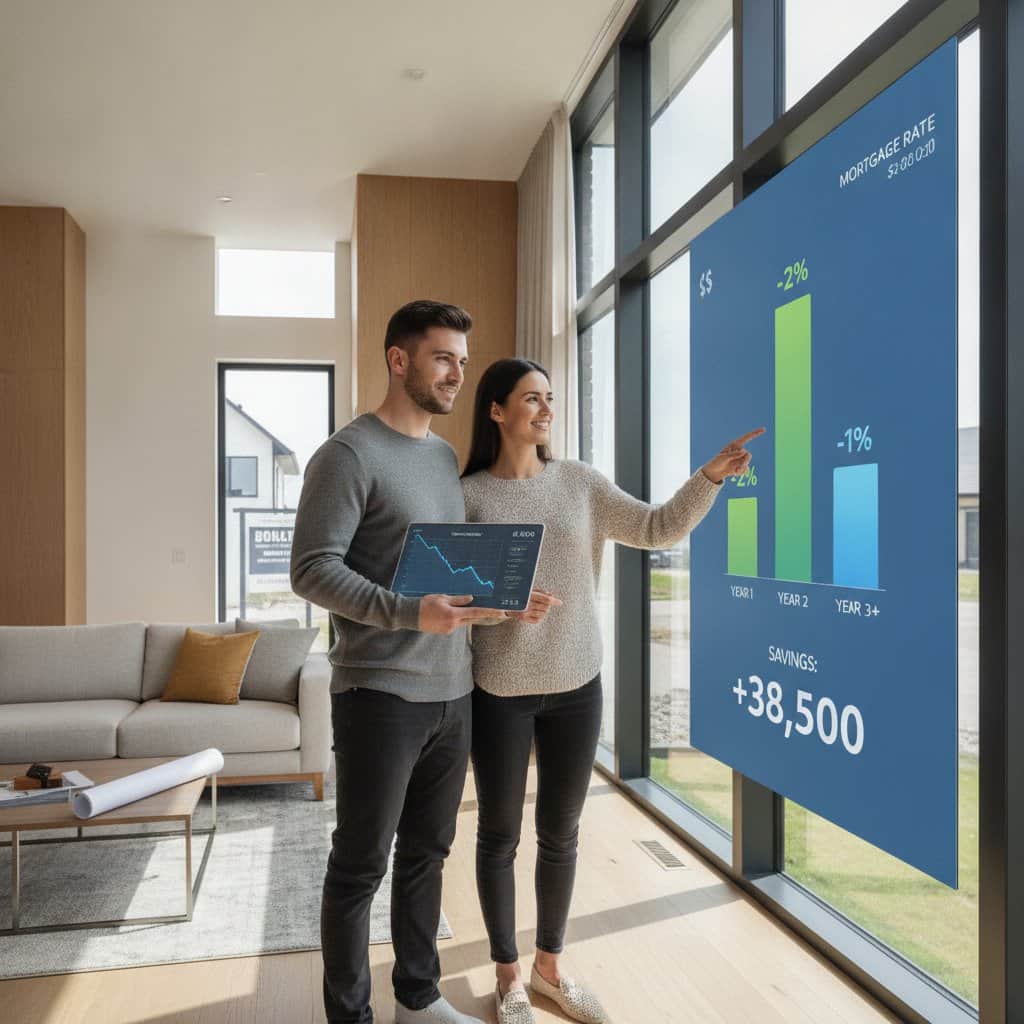
A 2-1 buydown temporarily lowers your mortgage rate by two points in year one and one point in year two, before settling at the fixed rate. This approach can save buyers up to $40,000, provides essential financial relief during the initial homeownership phase, and aligns with builder incentives for smoother transitions into long-term stability.
Builders deploy 2026 mortgage rate buydowns to counter high interest rates, providing temporary payment reductions via 1-0, 2-1, and 3-2-1 structures. These incentives lower entry costs for new homes, aid buyer transitions, and highlight key considerations for informed decisions.
Anticipated 2026 interest rate reductions are igniting a construction refinancing boom, providing builders and homeowners with enhanced financial options. Reduced payments enable the revival of paused projects, facilitate innovative upgrades, and foster community revitalization. This refinancing trend influences design preferences, from energy-efficient features to adaptable living spaces, restoring momentum in the construction sector.
In 2026, zero-down construction loans eliminate upfront barriers to home building by combining land and construction financing in a single, flexible package. These programs empower first-time and move-up buyers to create custom homes, boosting affordability and local development.
Banks reduce construction loan points for 2026, offering builders and renovators significant upfront savings. This adjustment allows for enhanced project features without increasing overall expenses. Discover comparison tips, key questions for lenders, and timing strategies to capitalize on this opportunity.
Beginning in 2026, the USDA zero down loan program extends to additional rural and semi-rural locations, providing first-time homebuyers with accessible paths to ownership. This initiative eliminates the down payment barrier, features competitive interest rates, and offers lenient credit requirements. Review eligibility criteria, key advantages, and effective application guidance to determine if this opportunity suits your needs.
Homeowners building new properties now benefit from bridge loans that lock rates in 90 days, providing rapid access to funds. This approach enables construction to begin before selling an existing home, mitigates market risks, and ensures a fluid move-in process with reduced uncertainty.
Intense rate wars are revolutionizing bridge construction loans, compelling developers to adapt financing approaches. Emerging variable rates, abbreviated terms, and hybrid models demand a strategic lens on loans as vital project components, emphasizing transparency, adaptability, and risk mitigation.
A 2-1 buydown lowers your mortgage rate for the initial two years, potentially saving up to $40,000 in interest while reducing early homeownership expenses. Builders frequently fund this option, which suits buyers anticipating income growth or planning to refinance. This temporary rate reduction enhances affordability and provides flexibility in the current housing market.
A 2-1 buydown lowers your mortgage interest rate by 2% in the first year and 1% in the second, offering substantial savings of about $40,000 during the initial years. Sellers, builders, or lenders fund this adjustment, providing new homeowners with essential financial relief and the option to refinance later when rates decline.
DSCR loans enable investors to finance rental properties based on projected cash flow rather than personal W2 income. This approach suits freelancers, entrepreneurs, and business owners seeking to develop real estate portfolios. The guide covers qualification requirements, new construction applications, market evaluation techniques, and strategies for long-term profitability.
Simplify your custom home build with one-close construction loans. This single-process financing locks in rates early, minimizes fees and paperwork, and shields against rate changes. As 2026 rate reductions loom, discover how this option delivers time and cost savings.
Flood zones directly shape mortgage terms by tying property risk to loan conditions, insurance obligations, and affordability. Buyers who understand their zone's implications can access better rates, mitigate costs, and ensure long-term property protection through informed planning.
Builder rate wars provide significant mortgage savings opportunities for new-home buyers. Temporary buydowns, closing cost credits, and customizable incentives enable lower monthly payments and home upgrades. This guide explains professional negotiation tactics, common pitfalls to avoid, and ways to leverage competition for optimal financial benefits.
The 2-1 buydown lowers interest rates temporarily for the initial two years of your mortgage, reducing monthly payments and potentially saving up to $40,000. This guide explains the process, advantages, drawbacks, and strategies to negotiate and leverage it for long-term financial benefits.
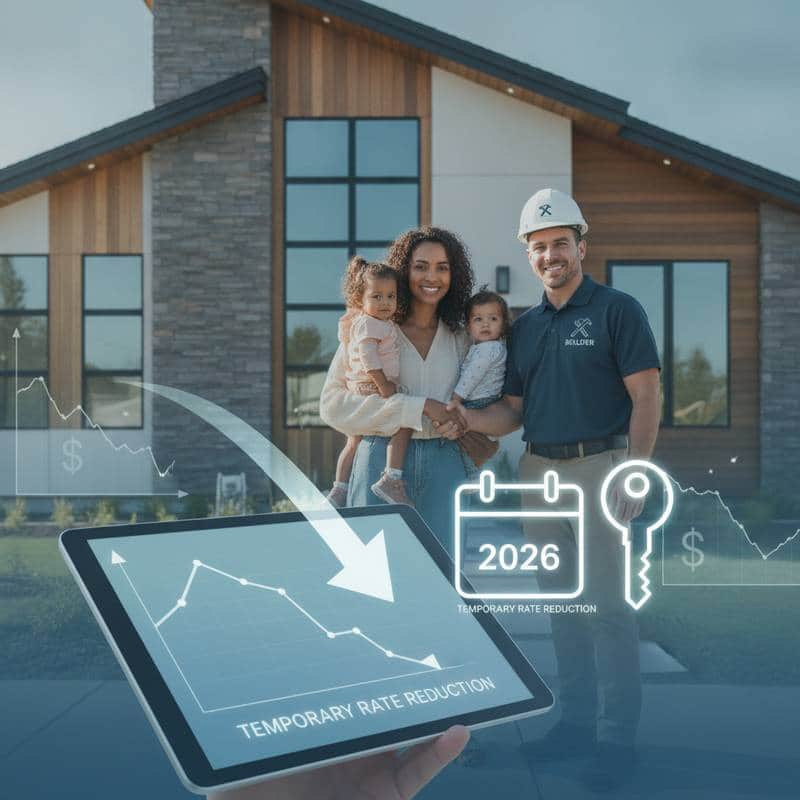
Learn how a 2-1 buydown lowers your mortgage rate for the initial two years, offering savings of up to $40,000 and making homeownership accessible. Understand builder incentives, ideal candidates, and its role in smoothing the transition to owning a home in 2026.
Learn how a 2-1 buydown strategy delivers up to $40,000 in mortgage savings. This financing tool reduces interest rates for the first two years, providing payment relief as you build financial resilience. Discover roles of builders, lenders, and strategic planning in converting temporary advantages into enduring security.
Homebuilders employ mortgage rate buydowns to sustain sales despite elevated interest rates. These incentives allow builders to cover portions of buyers' interest costs, resulting in reduced initial payments and improved affordability.
Builder rate buydowns emerge as vital 2026 incentives, providing temporary interest rate reductions that lower early mortgage payments and enhance buyer confidence in new home acquisitions.
With bridge loan rates at 6 percent, homeowners can initiate construction promptly, bypassing delays from unsold properties and unlocking equity efficiently.