Key Takeaways
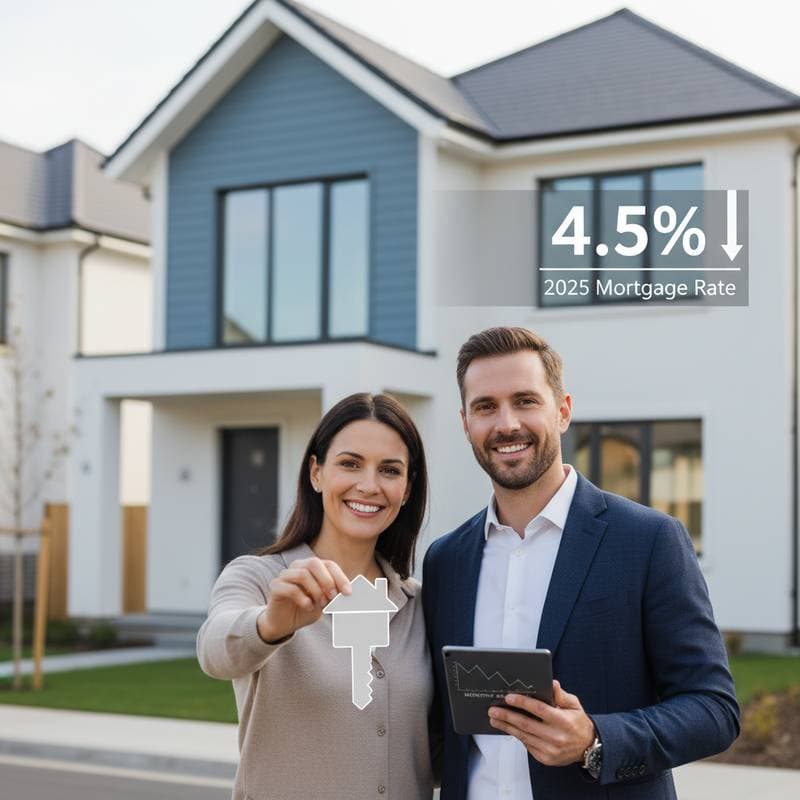
- Builder buydowns enable mortgage rates as low as 4.5%, countering higher market rates.
- These arrangements deliver substantial monthly savings, particularly during the initial loan years.
- A thorough understanding of buydown structures empowers informed decisions for new home purchases.
- Temporary buydowns offer short-term relief, while permanent options provide lasting benefits.
- Evaluate total costs and personal financial plans to ensure long-term viability.
Understanding Builder Buydowns
A builder buydown occurs when a home builder funds a reduction in the borrower's mortgage interest rate for a specified period. The builder makes an upfront payment to the lender, which subsidizes the interest, resulting in lower monthly payments for the buyer. This mechanism typically applies to the first few years of the loan or, in some cases, the entire loan term.
Consider a scenario where prevailing mortgage rates stand at 6.5%. Through a buydown, the builder could reduce the effective rate to 4.5%, decreasing the buyer's interest expenses significantly during the subsidized period. Builders implement these programs to attract buyers in high-rate environments, facilitating quicker sales of new constructions.
Core Benefits
- Reduced monthly payments restore budget flexibility for new homeowners.
- Builders maintain listed home prices while enhancing market competitiveness.
- Buydowns support inventory turnover in oversupplied developments.
Mechanics of Temporary and Permanent Buydowns
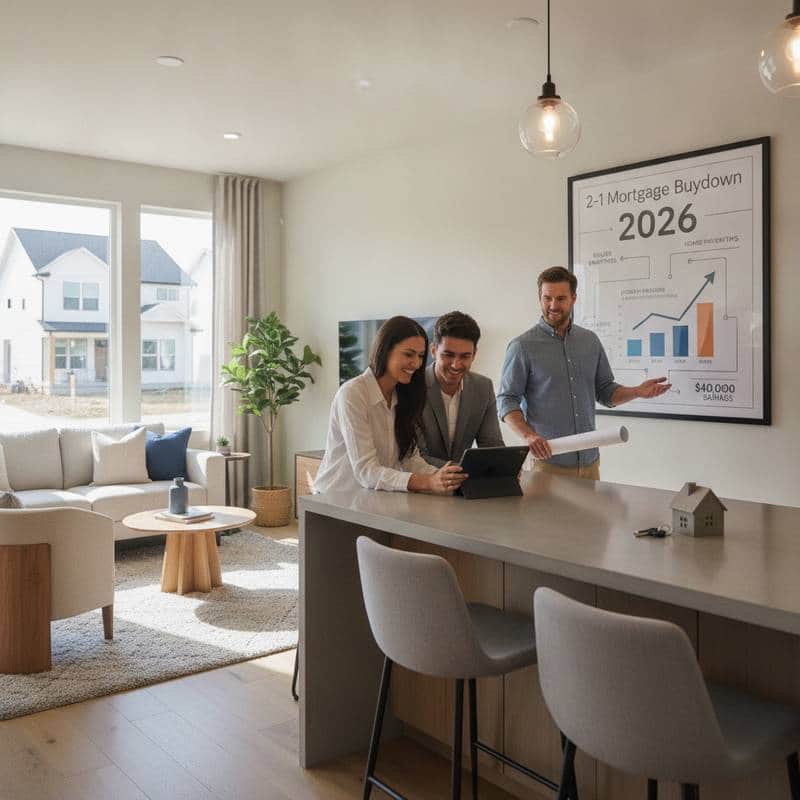
Temporary buydowns, often structured as 2-1 or 3-2-1 programs, provide graduated rate reductions. For instance, a 2-1 buydown lowers the rate by 2% in the first year and 1% in the second year, reverting to the original rate thereafter. The builder finances these discounts via points paid to the lender, equivalent to prepaid interest.
Permanent buydowns, by contrast, secure a fixed lower rate for the loan's duration. This requires a larger upfront investment from the builder, typically 2-3 points per percentage reduction. Buyers benefit from consistent savings, but availability depends on the builder's promotional strategy and lender partnerships.
To illustrate, on a $400,000 loan at 6.5%, a 2-1 buydown might save $500 in the first year and $250 in the second, totaling over $9,000 in interest over those years. Permanent options could yield $300 monthly savings throughout a 30-year term, amounting to more than $100,000 in total interest reduction.
Potential Drawbacks and Hidden Costs
Builder buydowns involve indirect costs embedded in the transaction. The builder's subsidy often originates from the home's sale price or development margins, meaning buyers may face elevated base prices to offset these expenses. Additionally, buydowns frequently tie buyers to the builder's preferred lender, potentially limiting access to competitive terms elsewhere.
Review contract details meticulously, including the buydown duration, adjustment schedule, and any fees for early payoff. Temporary buydowns pose risks if rates remain high post-subsidy, leading to payment shock. In such cases, buyers should assess affordability at the full rate before committing.
Market conditions influence buydown prevalence; they appear more in slower-selling communities or during rate plateaus. Compare offers across builders to identify genuine value versus inflated pricing tactics.
Evaluating Suitability for Your Situation
Determine buydown fit by aligning it with your homeownership timeline and financial stability. For long-term residents, permanent buydowns maximize sustained savings. Short-term owners might prefer temporary relief as a pathway to refinancing when rates decline.
Conduct a financial review:
- Calculate payments at the full rate to confirm post-subsidy affordability.
- Project total loan costs, factoring in buydown fees and potential refinancing expenses.
- Consult a mortgage advisor to compare buydown scenarios against market alternatives.
If planning a move within five years, a temporary buydown minimizes upfront costs while bridging high-rate periods. For families settling indefinitely, prioritize permanent structures to lock in affordability.
Real-World Applications and Buyer Experiences
Recent market trends show buydowns enabling purchases in rate-sensitive segments. One family targeted a suburban development but balked at 6.5% payments exceeding their budget. A 3-2-1 buydown reduced their initial rate to 3.5%, saving $450 monthly for three years and allowing a planned refinance at lower prevailing rates.
In another instance, a buyer declined a buydown due to restrictive lender terms and secured independent financing at comparable rates with fewer fees. These examples highlight the importance of personalized analysis; buydowns succeed when tailored to individual circumstances.
Steps to Implement a Builder Buydown
Initiate the process by discussing incentives during home selection. Request detailed buydown proposals, including rate schedules and cost breakdowns. Engage an independent loan officer to verify terms and explore non-builder options.
Secure pre-approval outside the builder's network to strengthen negotiation leverage. Document all agreements in writing, confirming subsidy sources and adjustment triggers. Monitor closing disclosures for alignment with initial quotes.
By integrating buydowns strategically, buyers access lower effective rates, enhancing affordability without compromising quality. This approach not only facilitates homeownership but also positions individuals for future financial flexibility in evolving markets.