Why Climate-Resilient Materials Are Booming in 2026
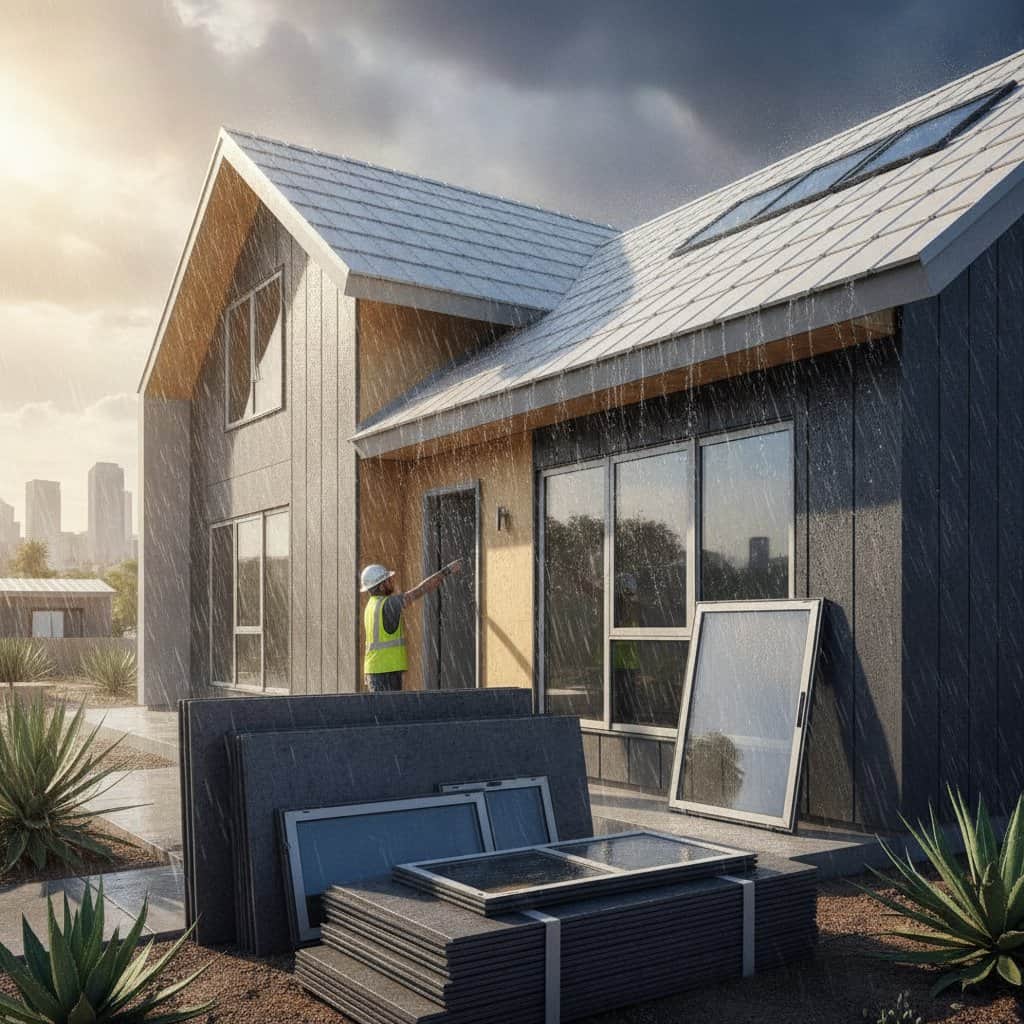
Extreme weather drives adoption of climate-resilient materials that reduce maintenance, improve energy performance, and extend service life for homes.
Loading...
Articles tagged with construction
Extreme weather drives adoption of climate-resilient materials that reduce maintenance, improve energy performance, and extend service life for homes.
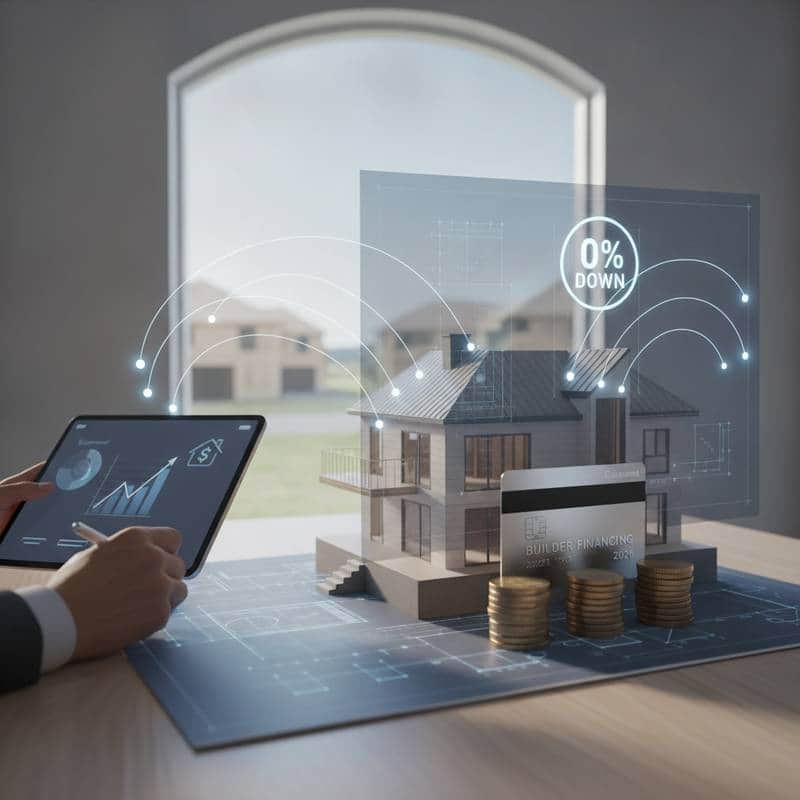
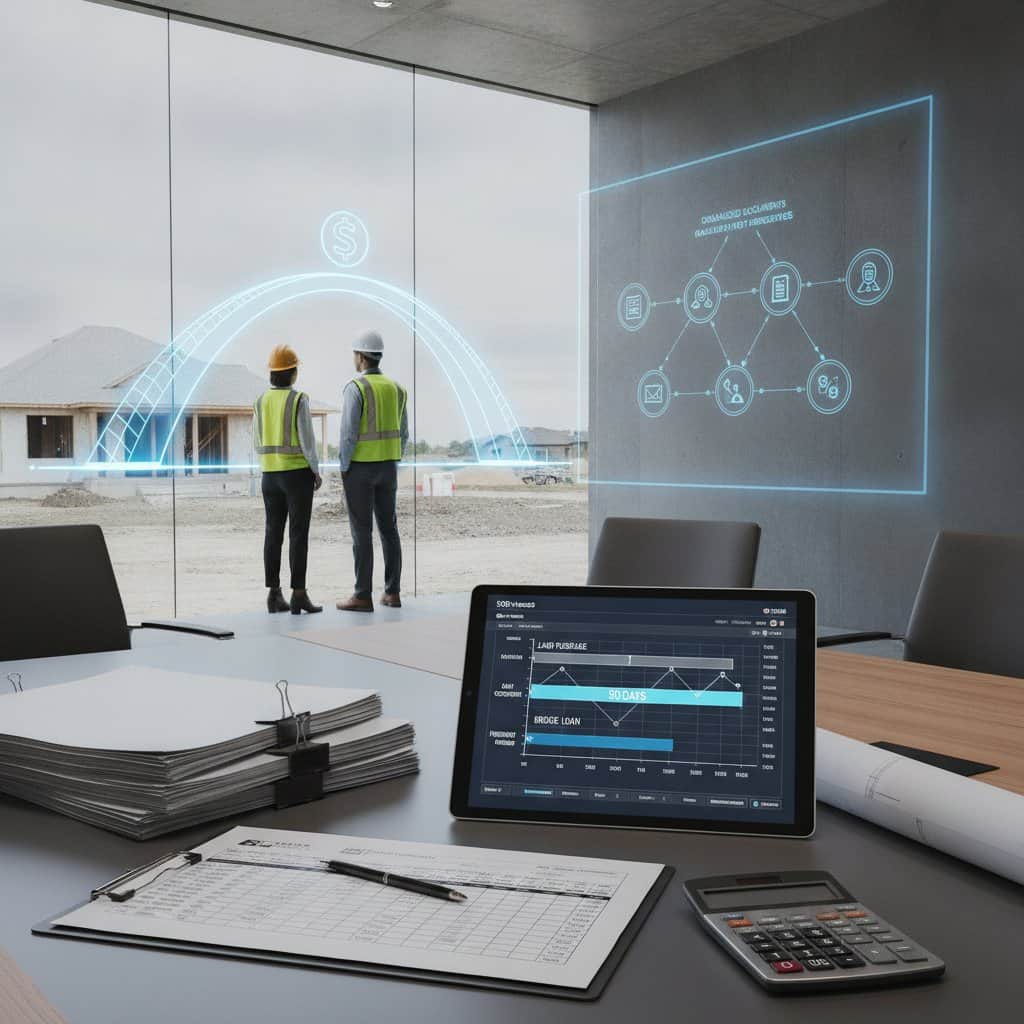
Discover 12 lenders offering no-down-payment builder financing, from government-backed programs to credit unions and private lenders. Learn how zero-down construction loans work, who qualifies, and how to choose the right lender. Build your dream home without draining savings—explore flexible, accessible financing options that make starting construction easier than ever.
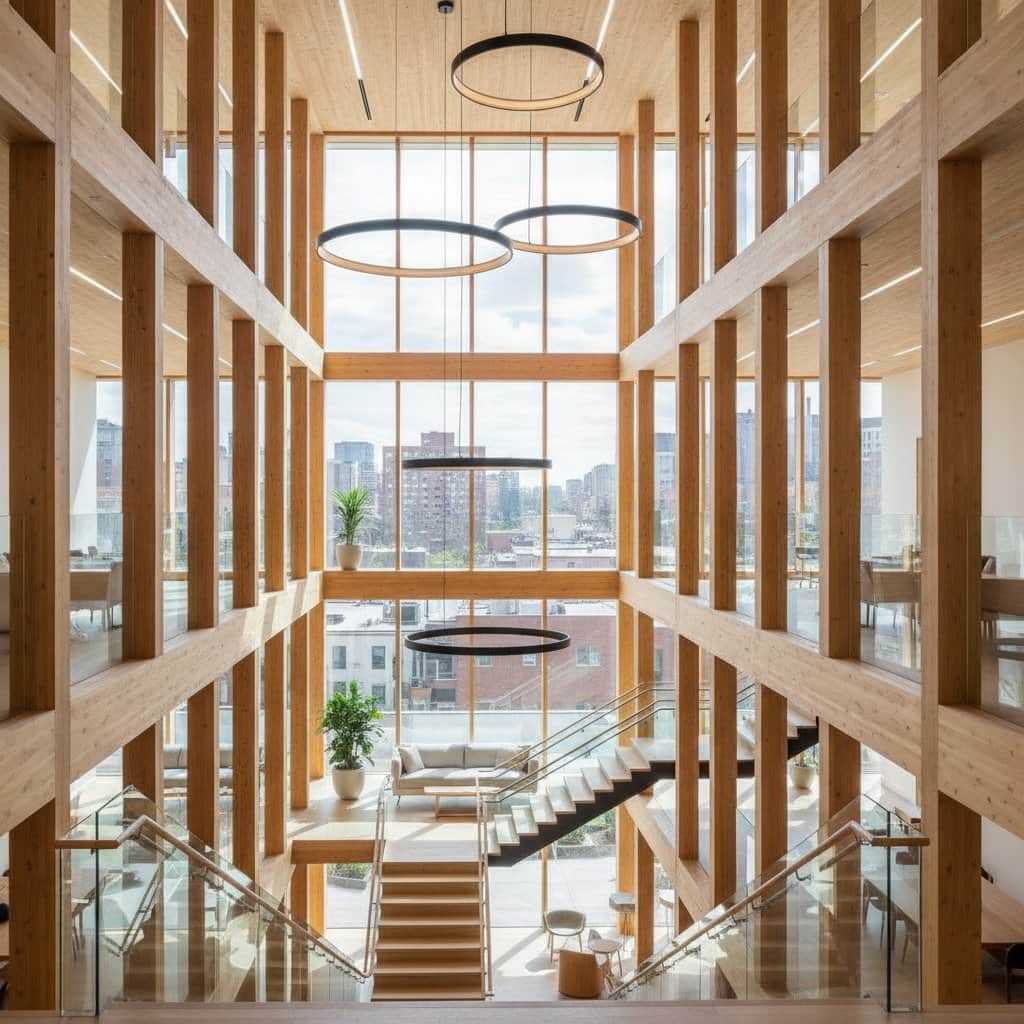
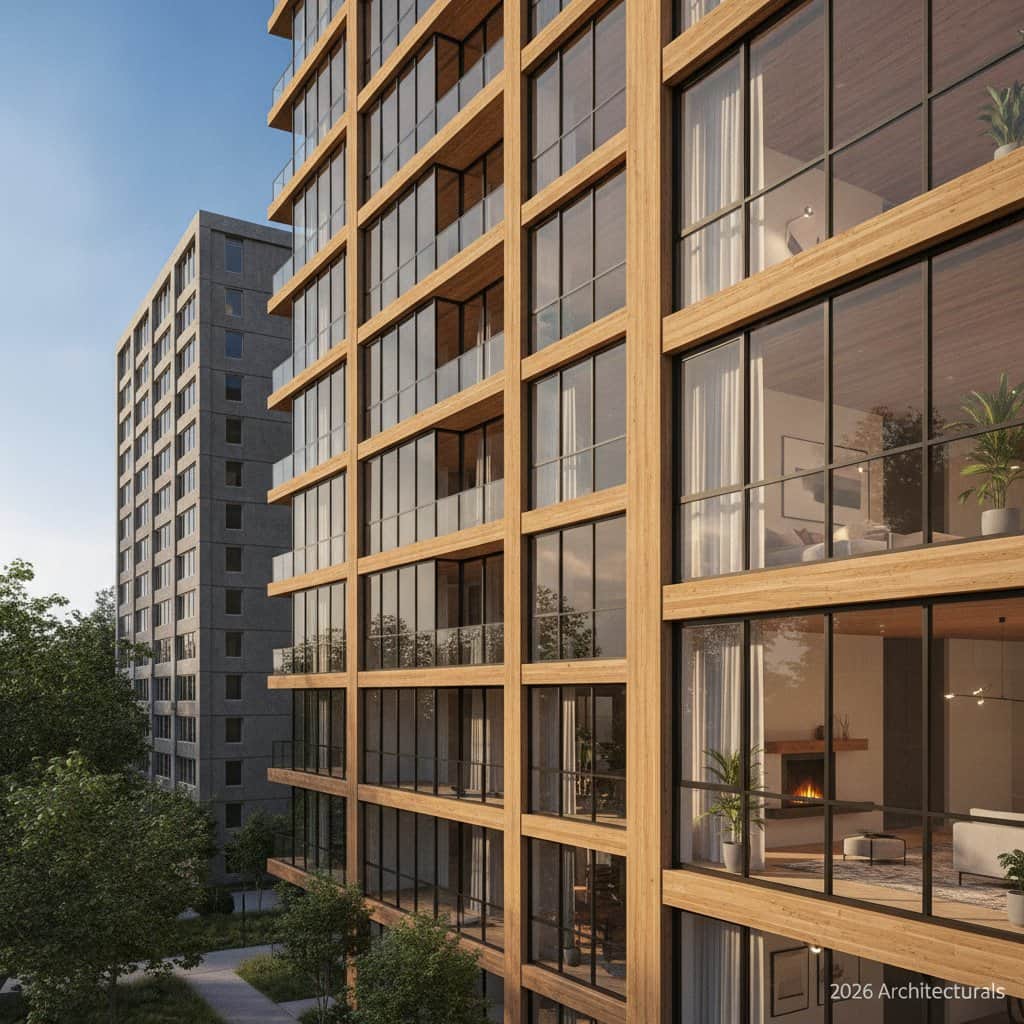
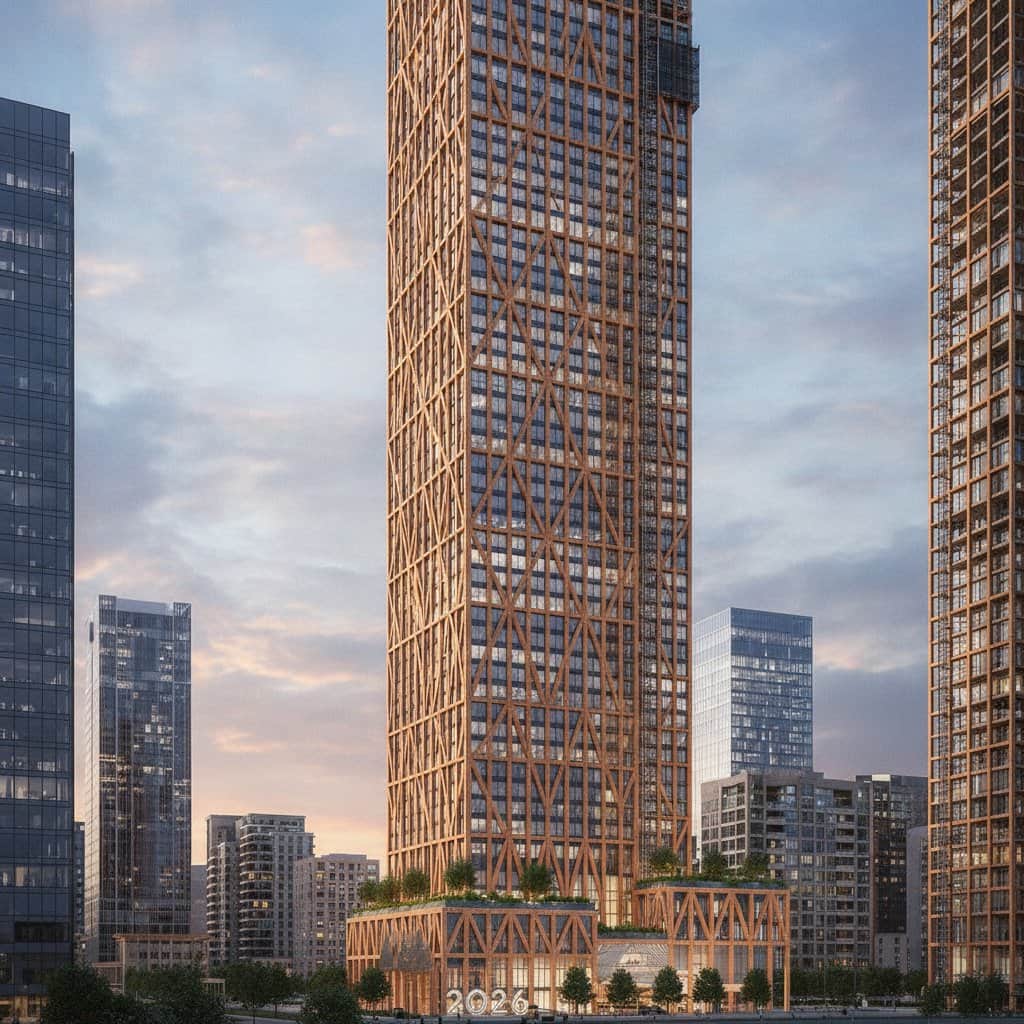
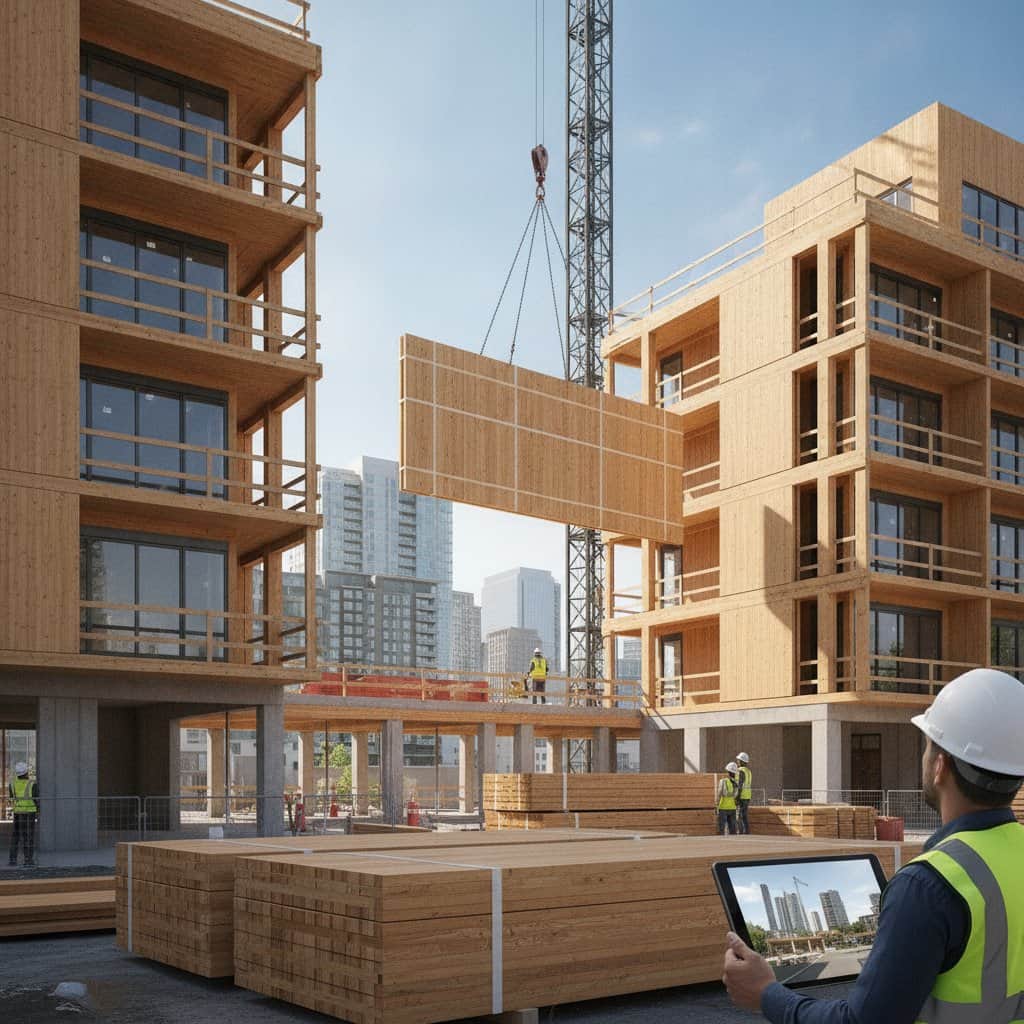
Cross-laminated timber towers redefine multi-family living through warmth, construction speed, and sustainability. Prefabricated panels shorten timelines, sequester carbon, and produce calm interiors that connect residents with natural materials.
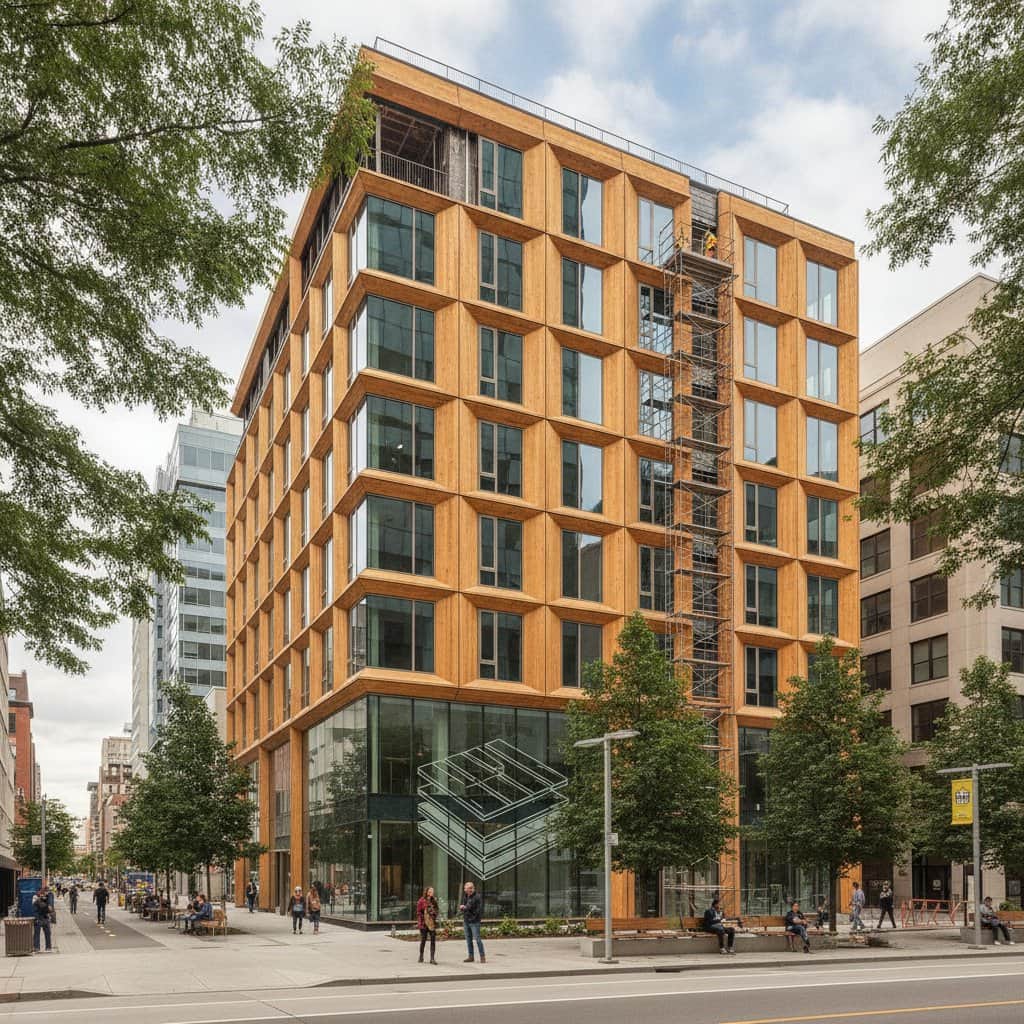
Mass timber enables 15-story wood buildings that combine strength, sustainability, and serenity. Prefabricated panels speed construction, store carbon, and create quieter interiors. Updated codes and proven performance support wider adoption.
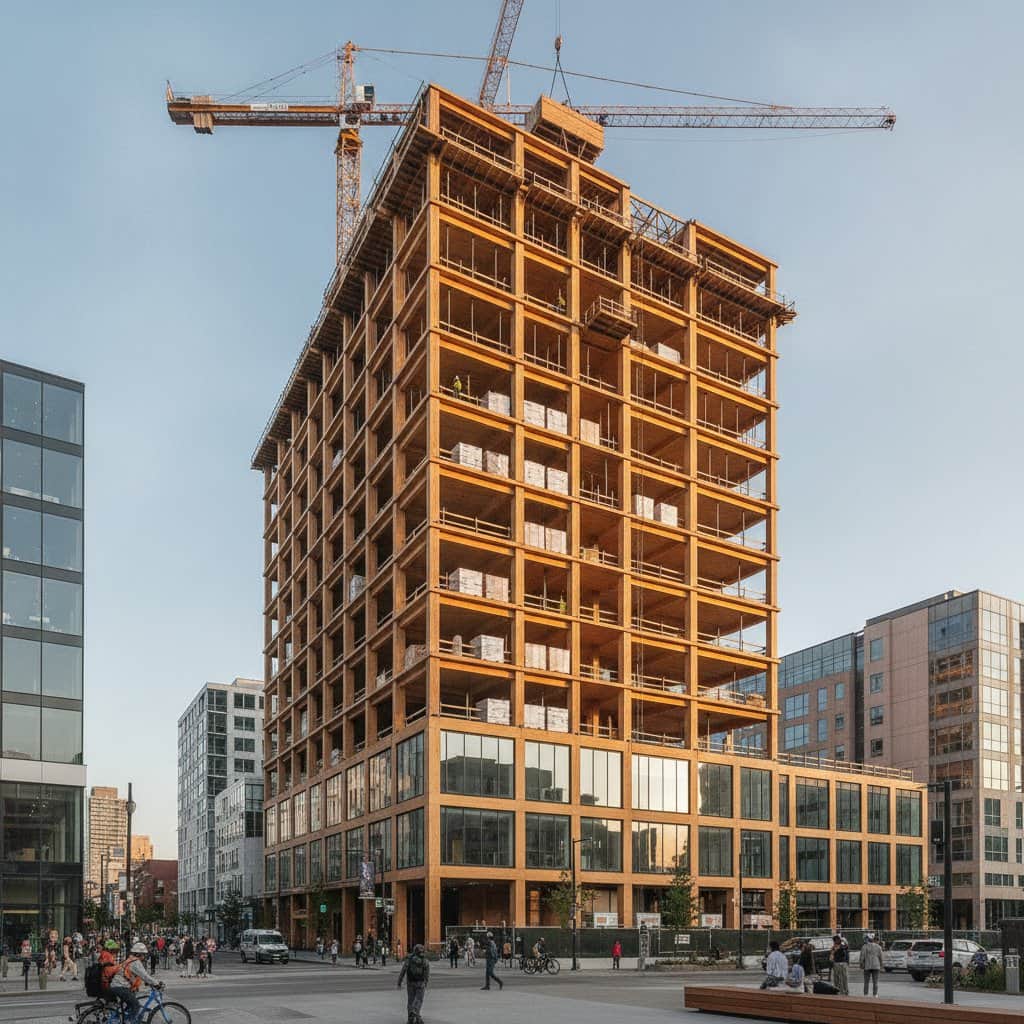
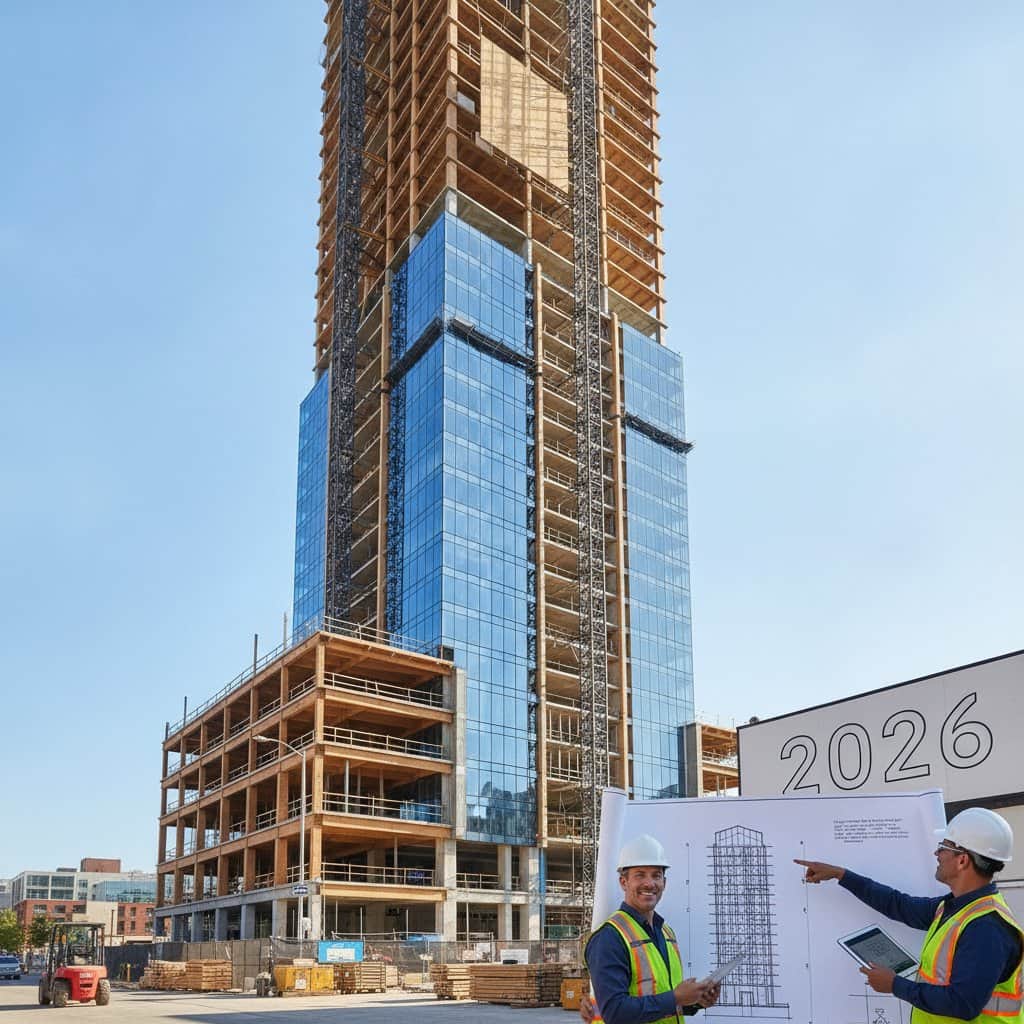
New 2026 fire codes are unlocking the potential for taller safer and more sustainable mass timber towers. By recognizing modern timber fire resistance and clarifying design standards these updates let architects build higher with confidence. The result is sustainable beautiful wooden high rises that balance safety performance and environmental responsibility reshaping skylines with natural warmth.
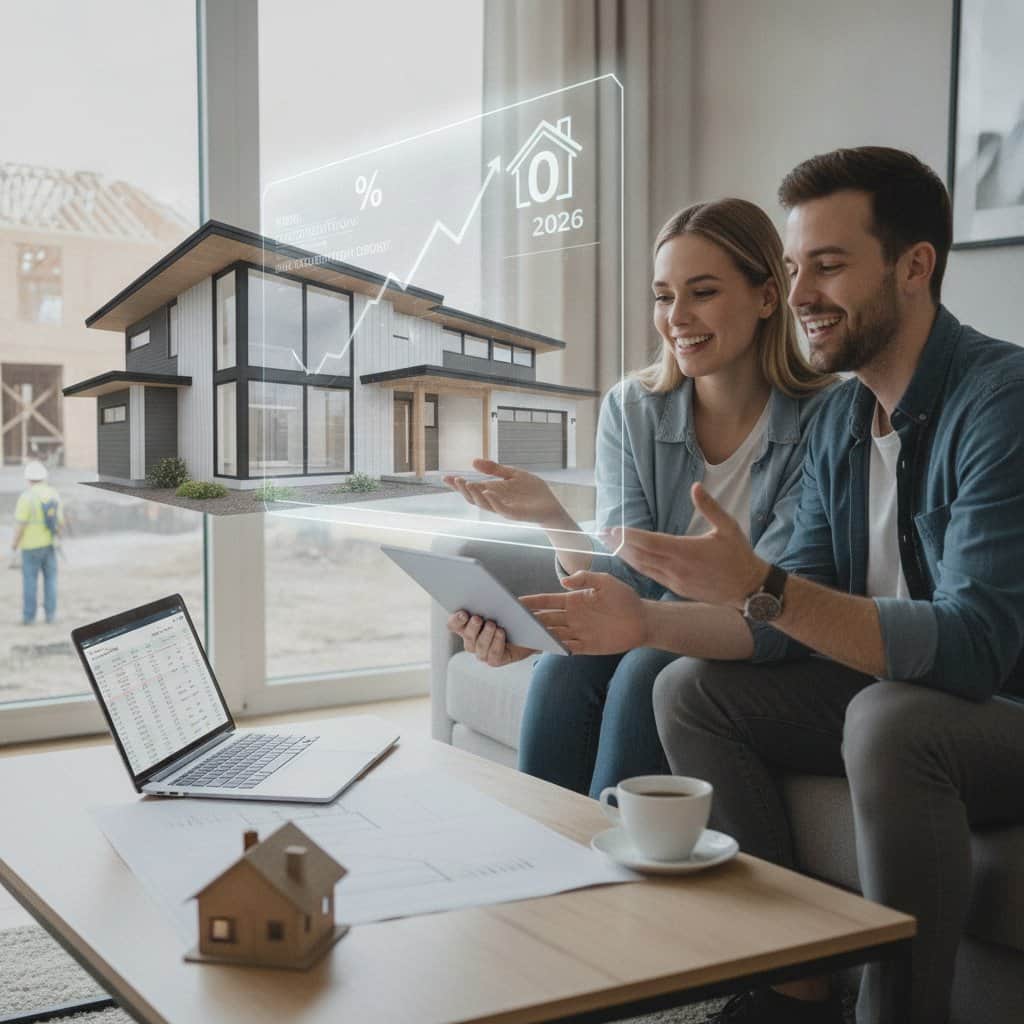
Zero-down construction loans now combine construction and permanent financing into one streamlined package. Qualified buyers can build without large upfront deposits while preserving savings for furnishings and landscaping. This guide outlines eligibility, budgeting practices, and steps to complete an application successfully.
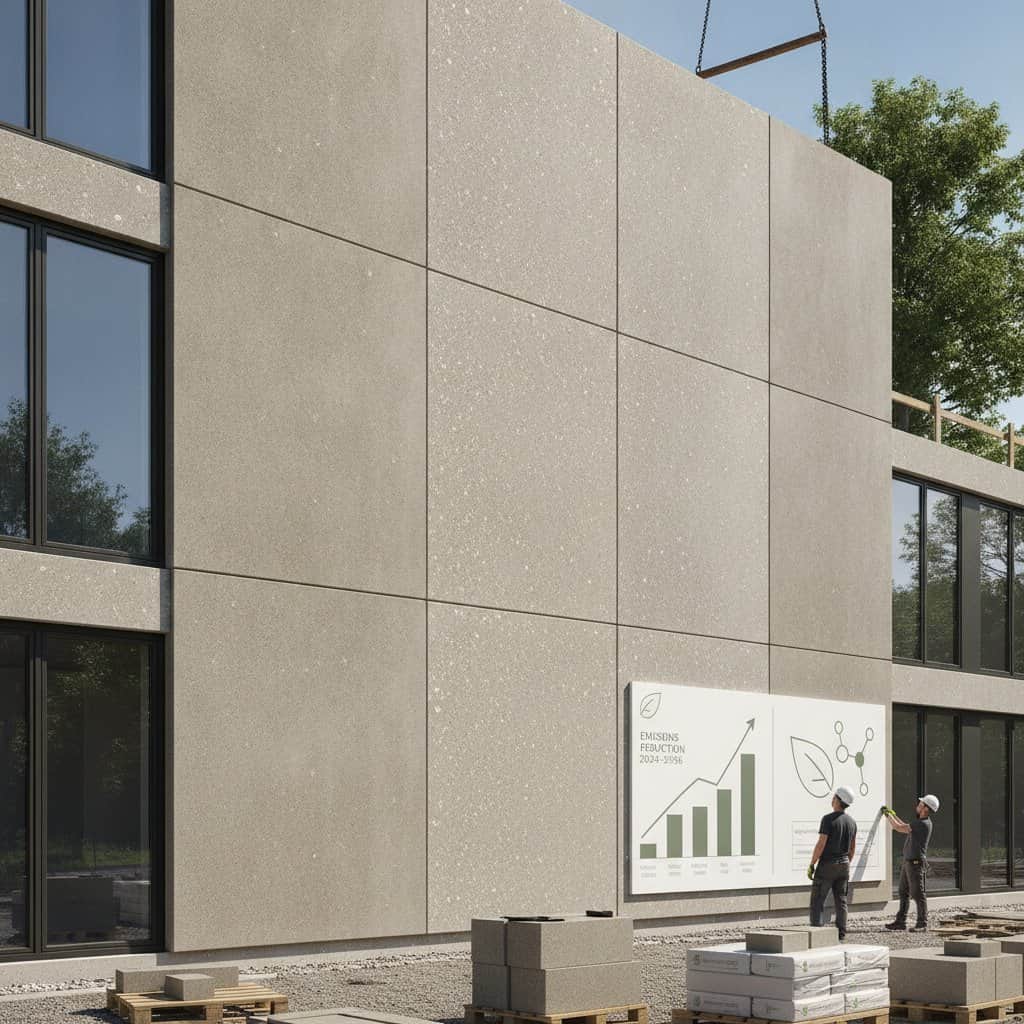
Updated 2026 codes raise standards for embodied carbon. Carbon-neutral concrete costs 10 to 40 percent more upfront yet delivers energy savings, incentives, and extended service life that offset the difference.
Hempcrete has moved from experimental material to reliable building system. Five established firms demonstrate how this carbon-negative option produces comfortable, code-compliant structures across varied project types.
Updated building codes permit taller mass timber homes. Discover practical benefits, construction details, and selection steps for homeowners evaluating this material.
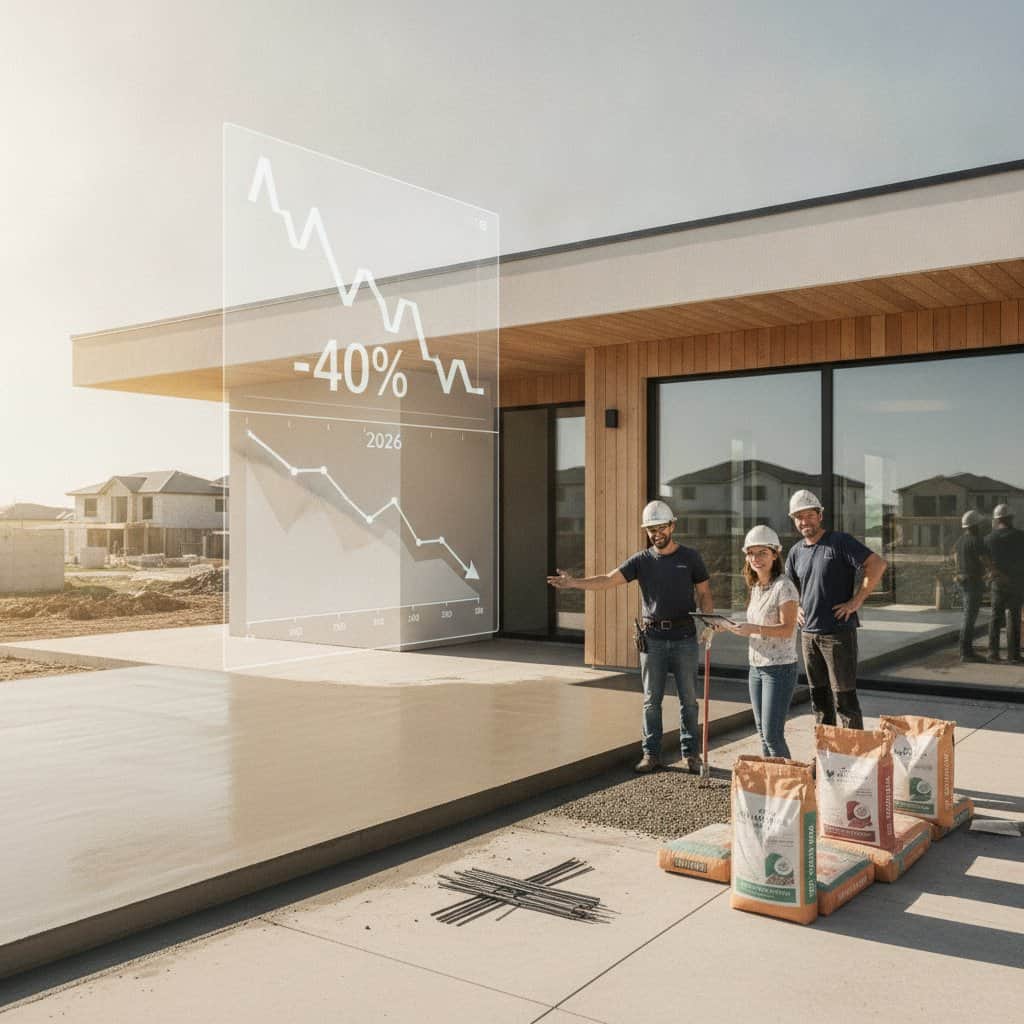
Concrete prices have fallen 40 percent, reshaping homebuilding and renovation budgets. Stabilized supply chains and improved production now allow homeowners to pursue upgrades that were previously out of reach.
New 2026 fire code approvals are unlocking taller, safer, and more sustainable mass timber buildings. By recognizing timber proven fire performance, these updates simplify approvals, boost design flexibility, and accelerate construction.
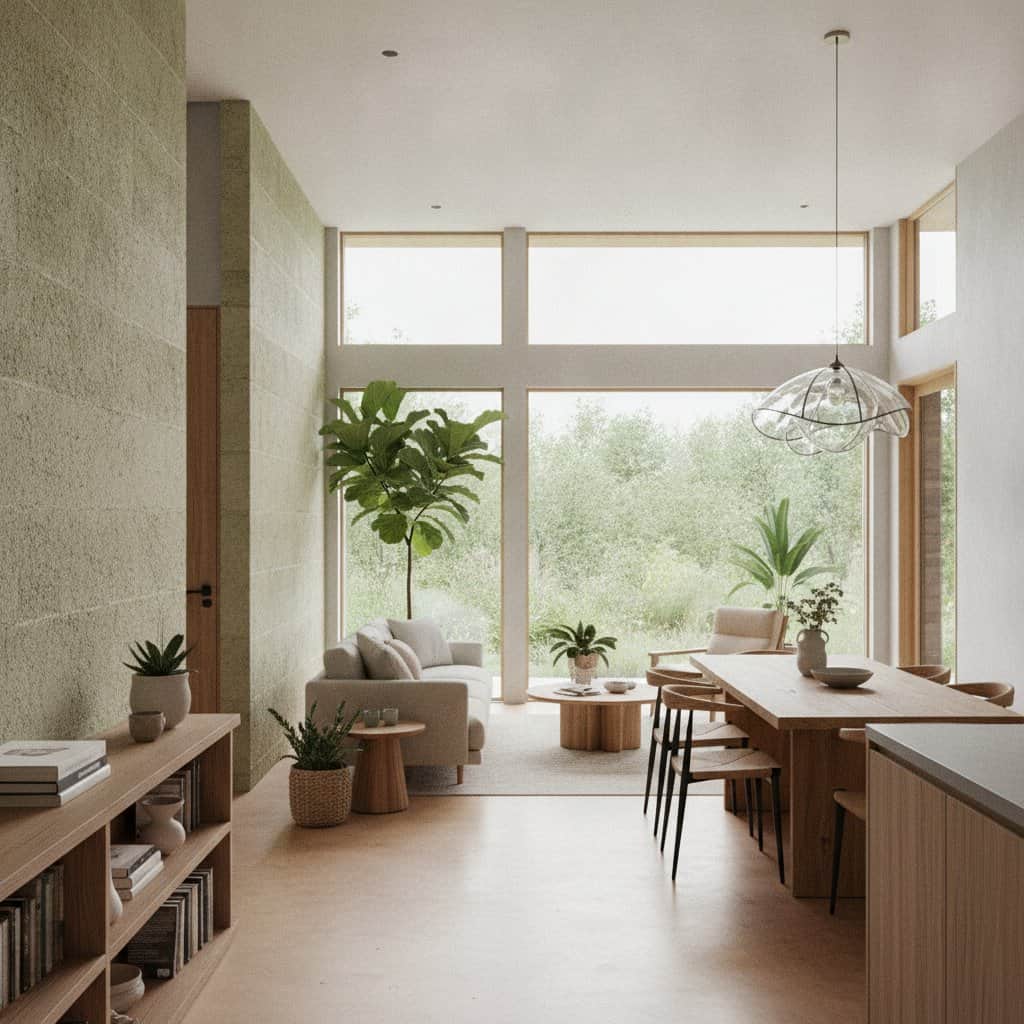
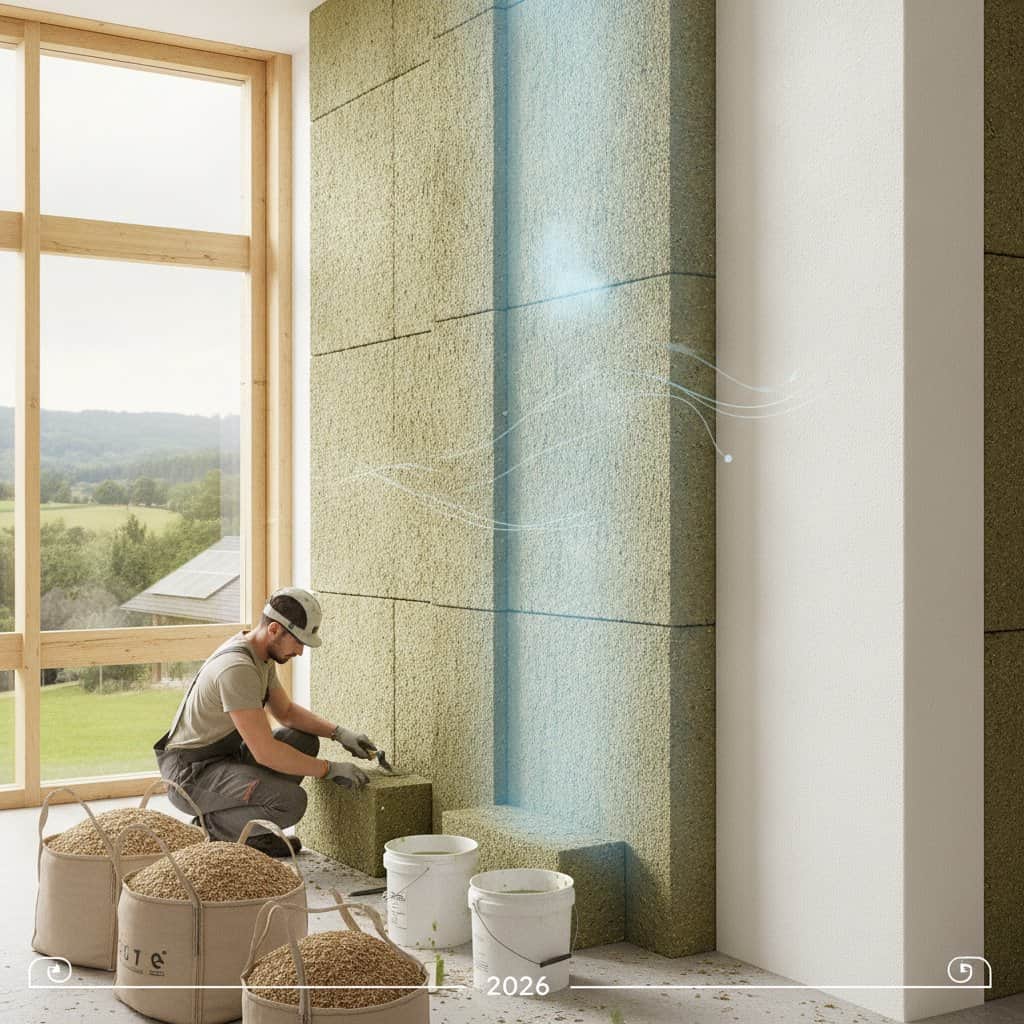
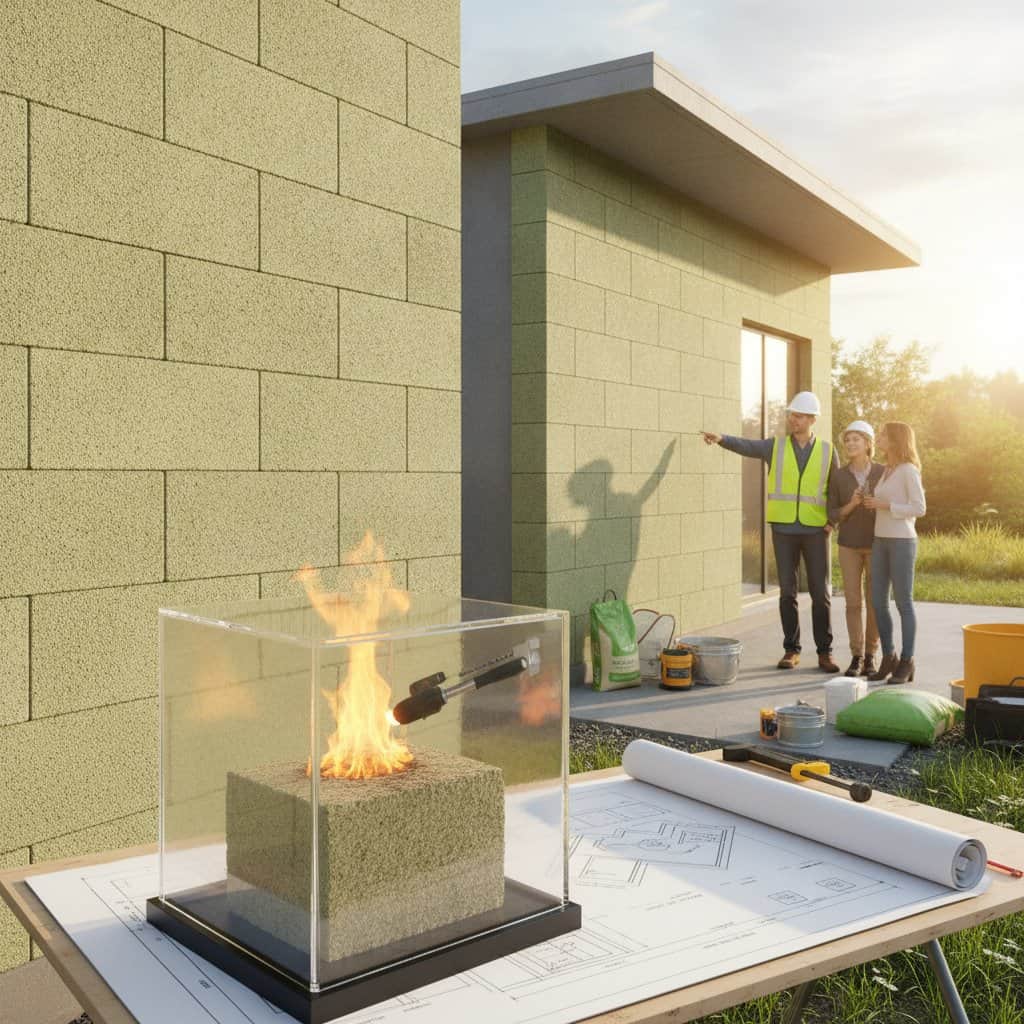
Hempcrete combines hemp hurds, lime, and water to create walls that store carbon, breathe naturally, and maintain comfortable indoor conditions without chemical additives.
Hempcrete receives building code approval after fire-resistance testing. The hemp-lime composite offers breathable walls, stable indoor temperatures, and reduced ignition risk.
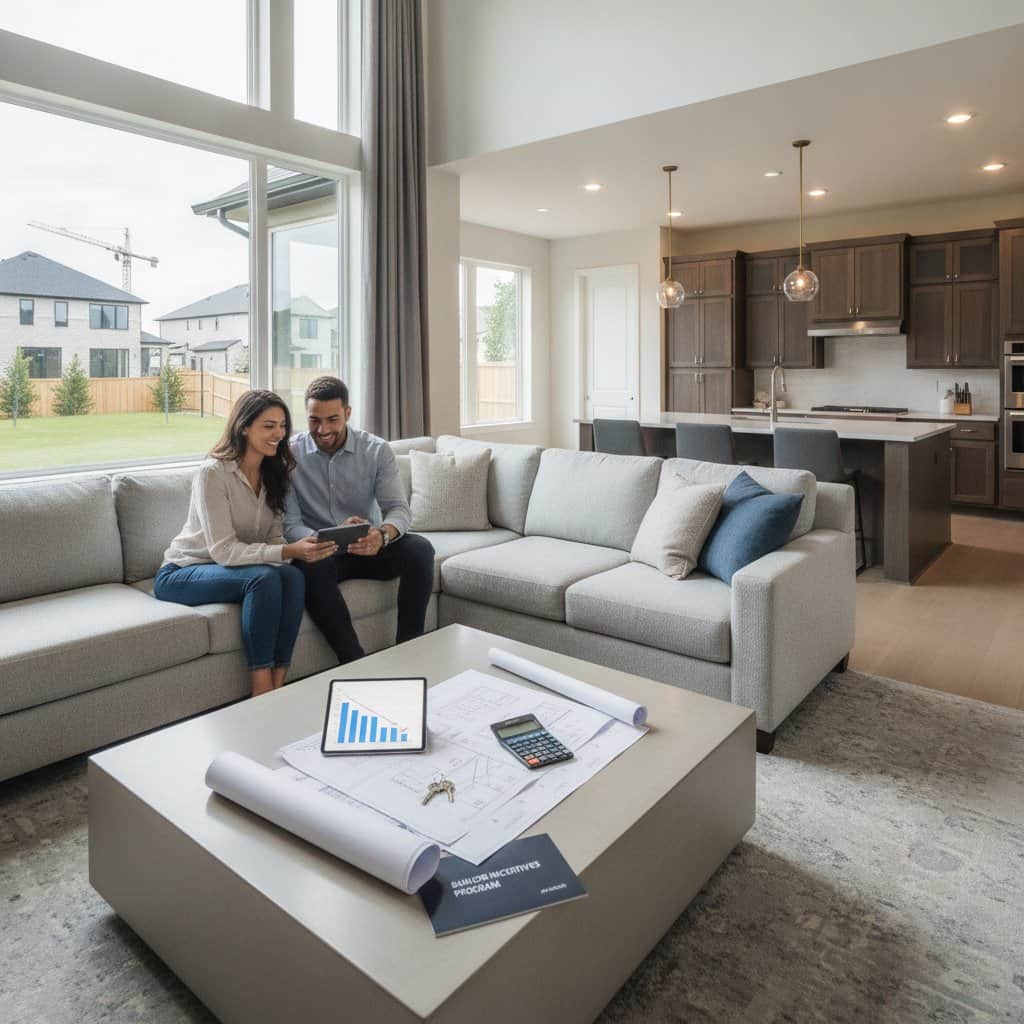
Homebuyers can apply record 25,000 dollar builder credits to mortgage buydown programs that lower rates and ease monthly payments on new homes.
Prefabricated cross-laminated timber panels enable builders to complete projects up to 40 percent faster than concrete or steel alternatives while maintaining structural strength and lowering environmental impact.
Mass timber construction advances as 2026 fire code approvals enable taller, safer wood buildings with faster assembly and reduced environmental impact.
DSCR loans enable investors to qualify for rental property financing using property cash flow instead of traditional income documentation. This guide covers qualification criteria, application steps, costs, and practical preparation strategies.
Biochar concrete stores atmospheric carbon within structural elements while delivering insulation and durability comparable to conventional mixes. Homeowners and builders can adopt the material in foundations, slabs, and walls to reduce long term operating costs and environmental impact.
Mass timber panels enable faster, lower-carbon mid-rise buildings while delivering warm interiors and simpler foundations.
Biochar concrete replaces portions of traditional cement with carbon-storing biochar. This substitution reduces emissions by up to 40 percent without compromising strength. Builders adopt the material through standard suppliers and achieve measurable carbon reductions on typical projects.