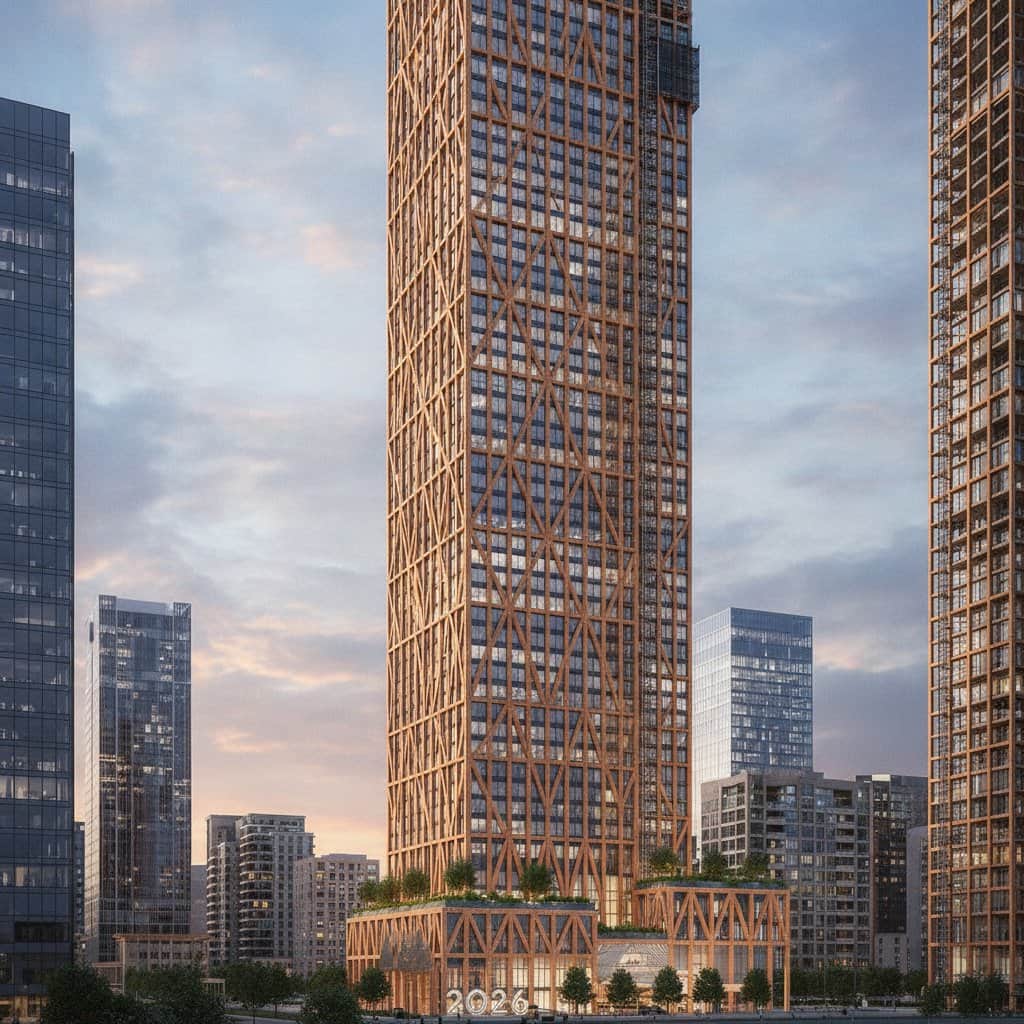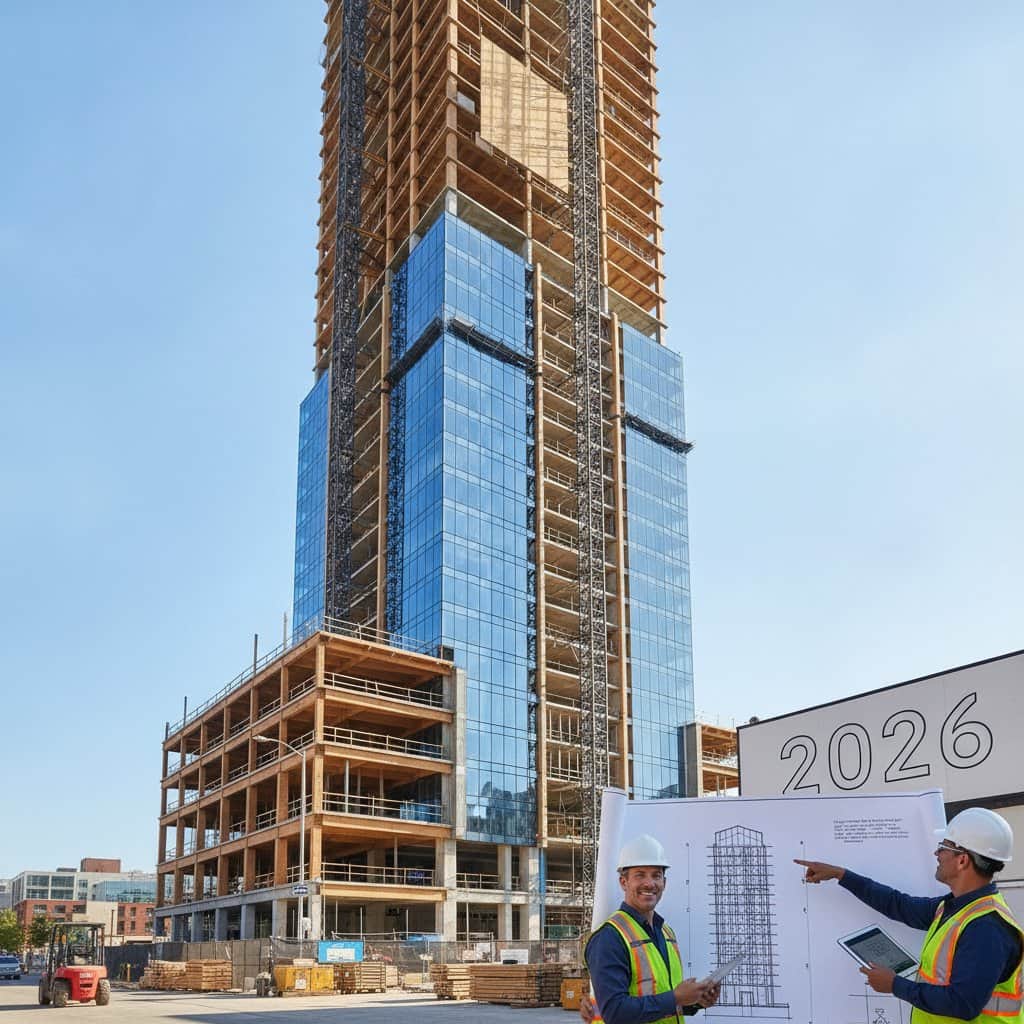
Mass Timber High-Rises Reshape City Skylines by 2026
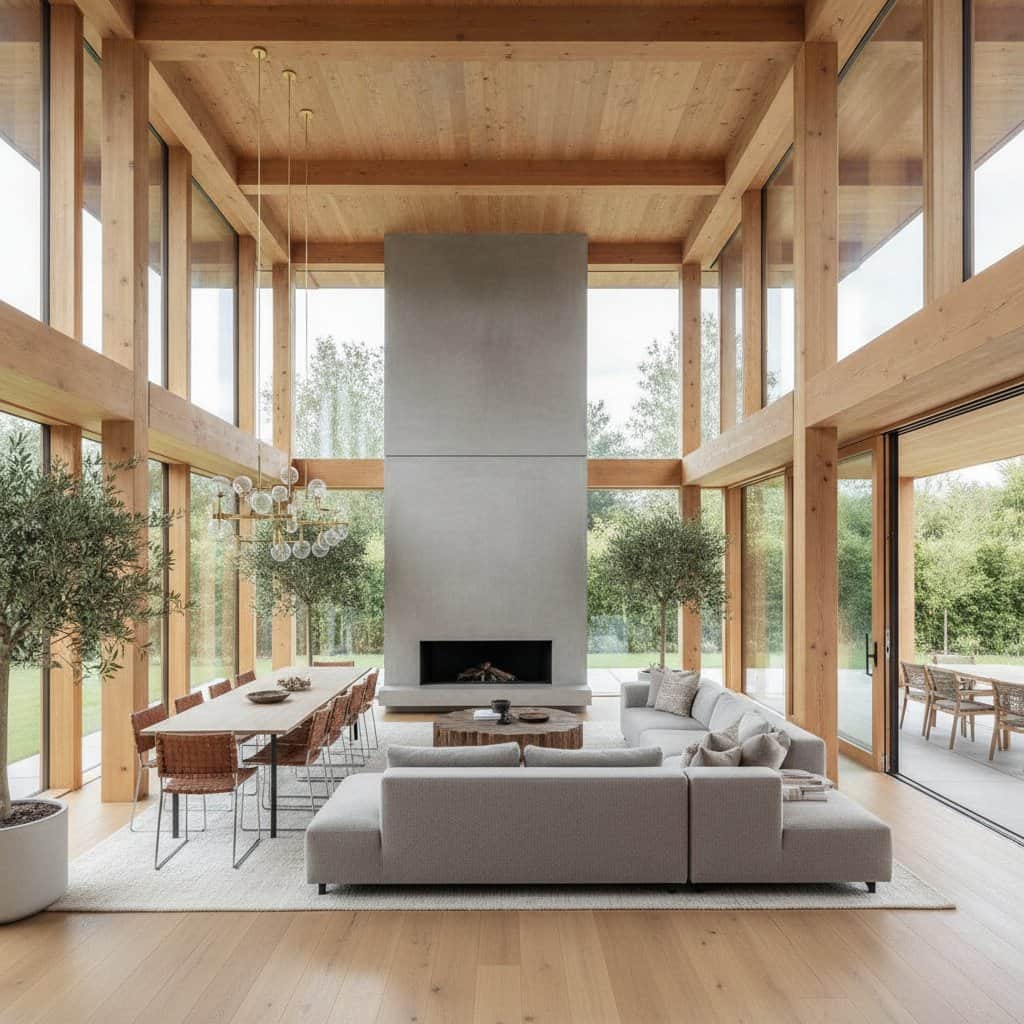
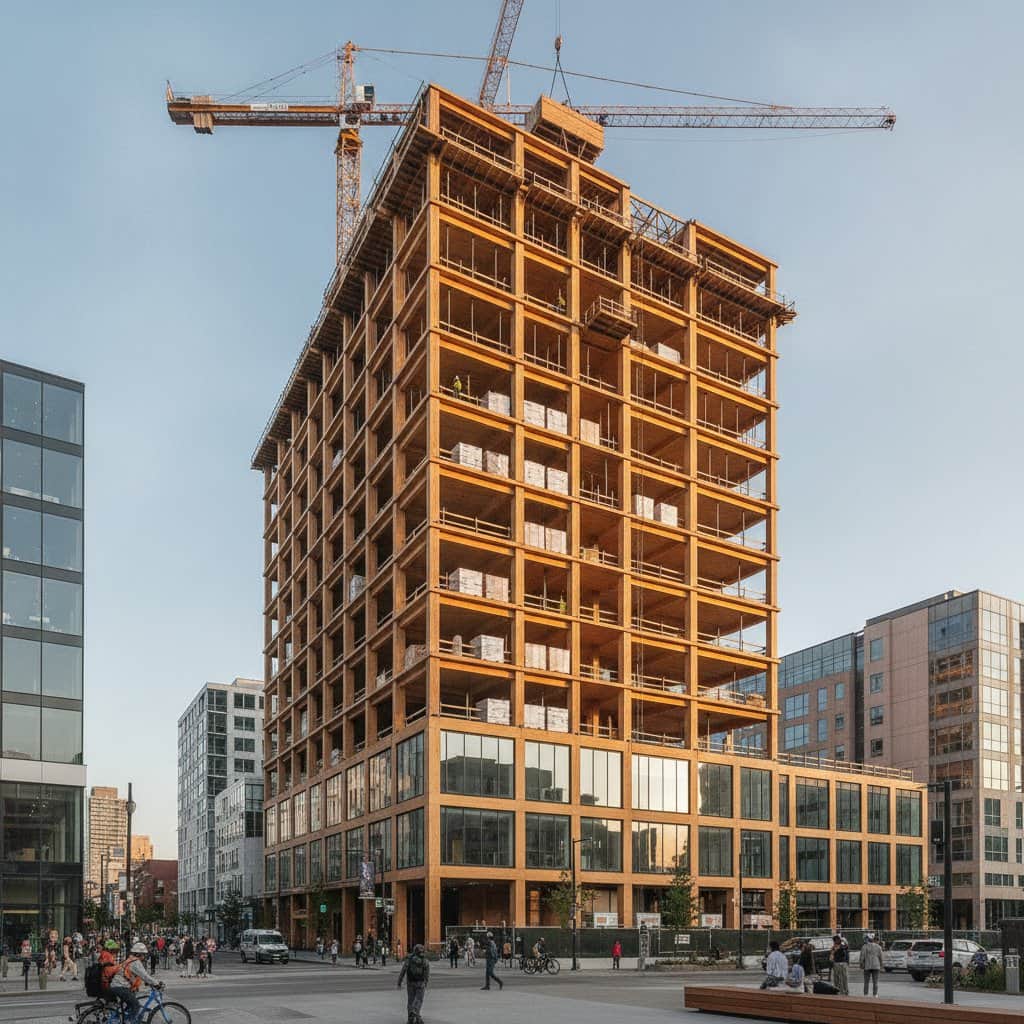
Mass timber high-rises are transforming skylines as code approvals unlock taller wooden structures. Engineered timber offers strength, speed, and carbon benefits compared with steel and concrete.
Loading...
Showing articles 13 - 24 of 502
Mass timber high-rises are transforming skylines as code approvals unlock taller wooden structures. Engineered timber offers strength, speed, and carbon benefits compared with steel and concrete.
A construction-to-permanent loan merges construction financing and a mortgage into one streamlined agreement. Borrowers close once, lock terms early, and avoid managing multiple lenders during the build process.
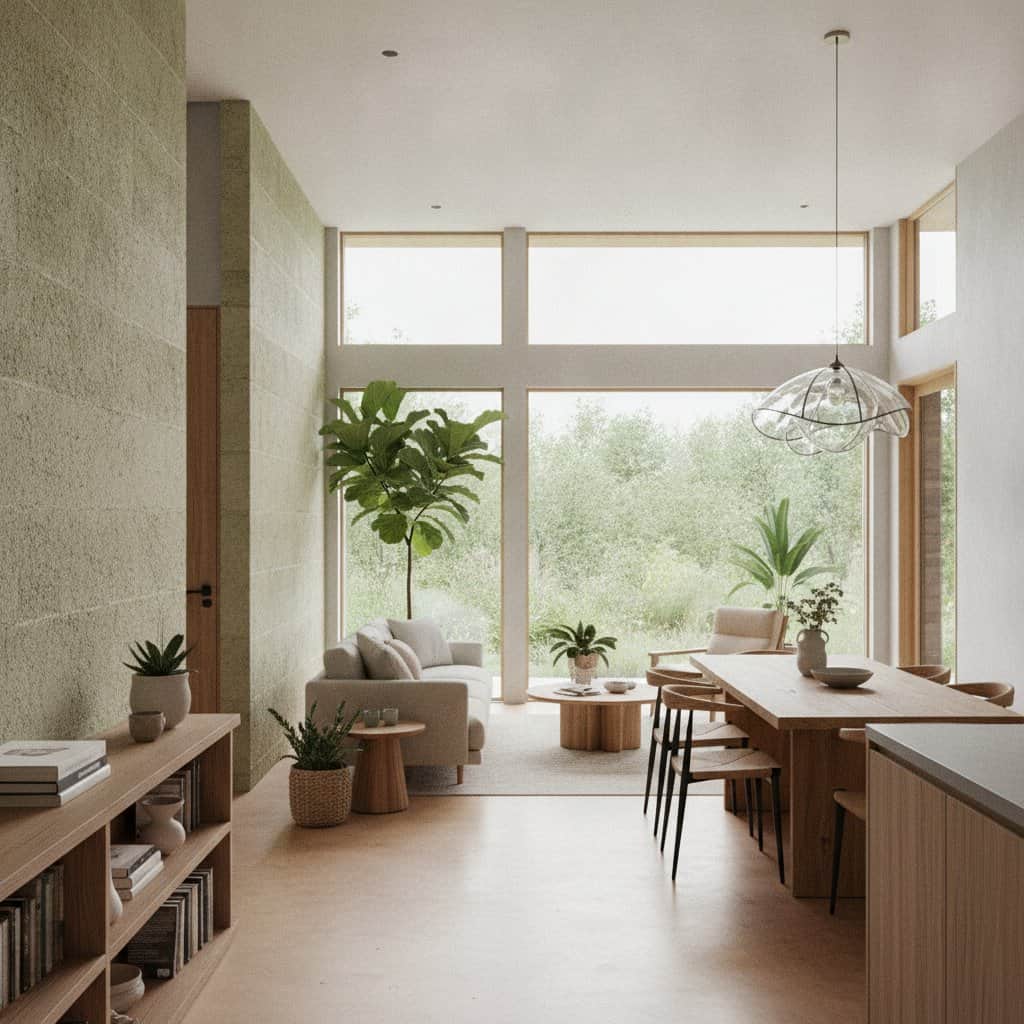
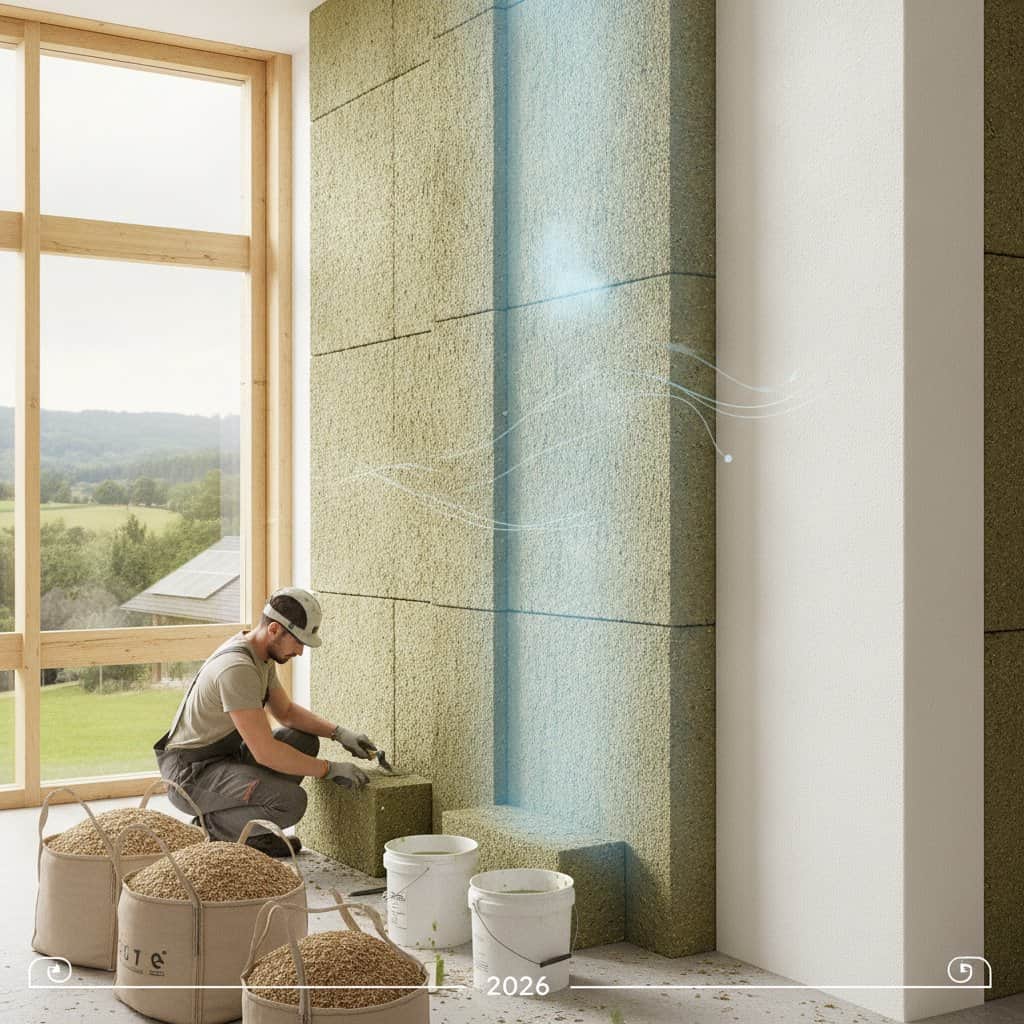
Hempcrete redefines eco-conscious construction through its carbon-negative properties, breathability, and longevity. Composed of hemp hurd, lime, and water, it forms walls that optimize temperature control, combat mold, and elevate indoor environments. With growing adoption, hempcrete positions itself as a cornerstone of green building practices by 2026.
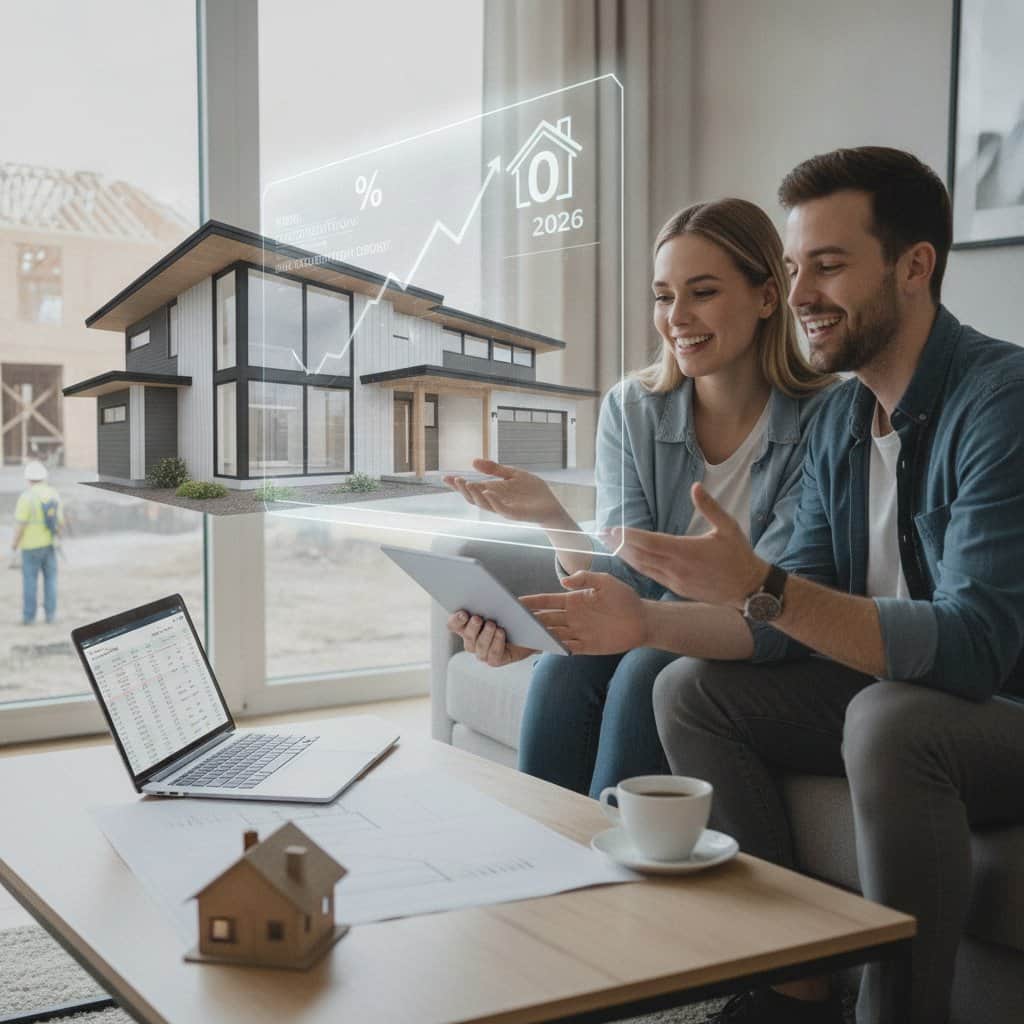
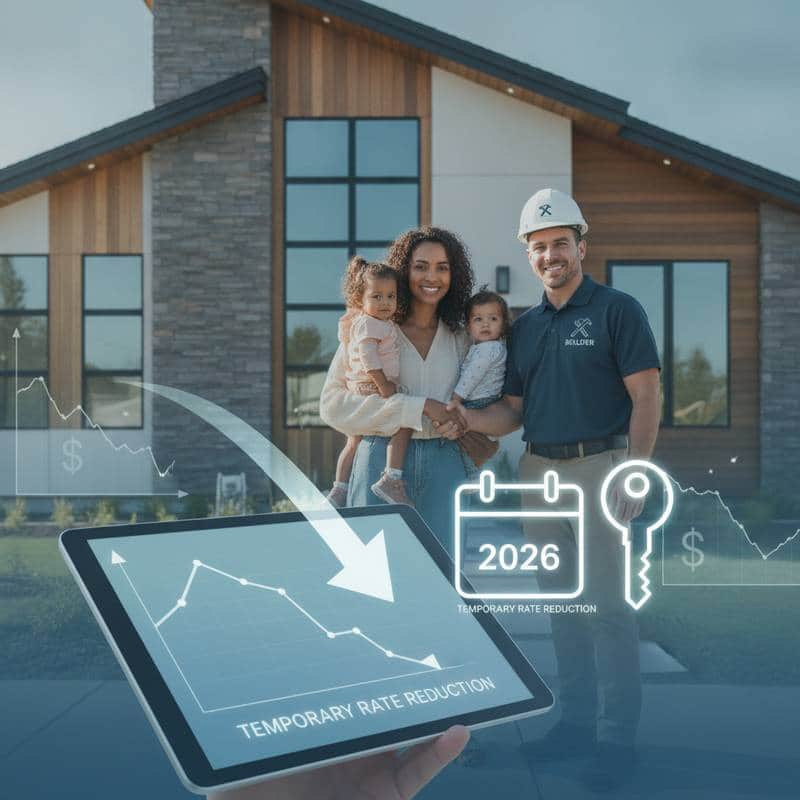
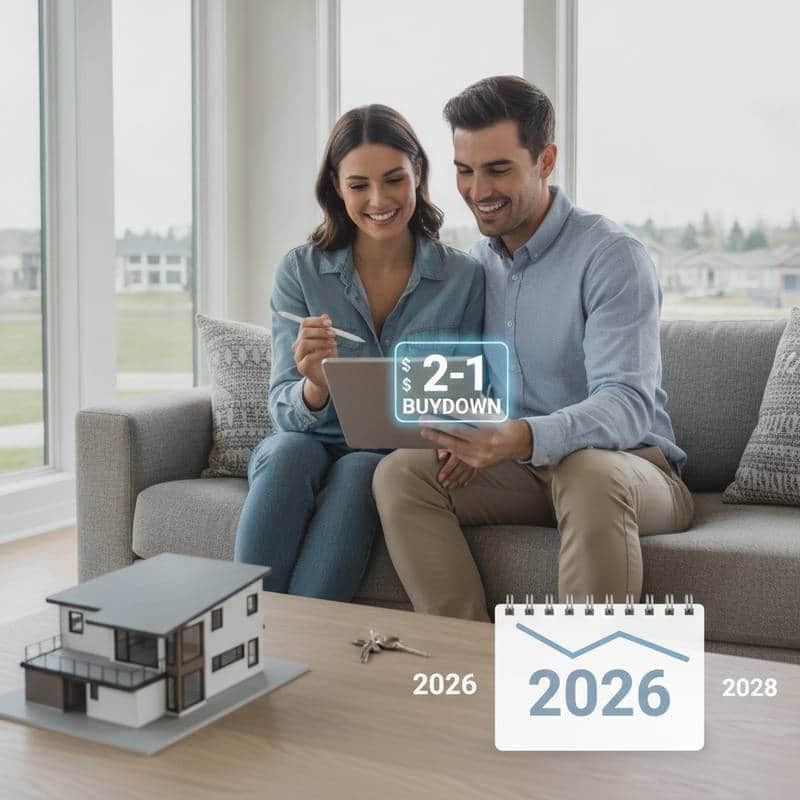
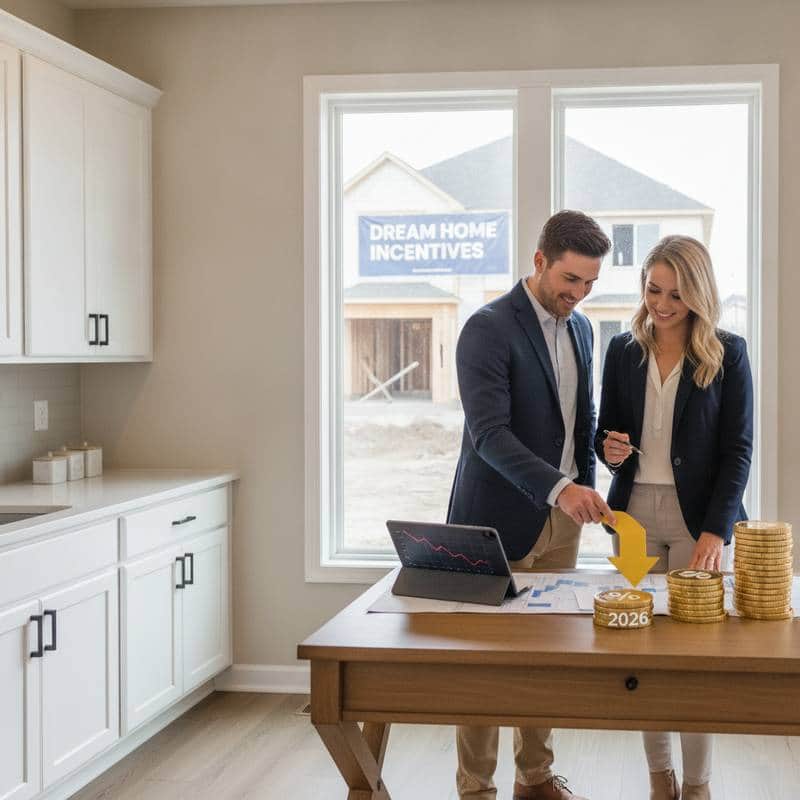
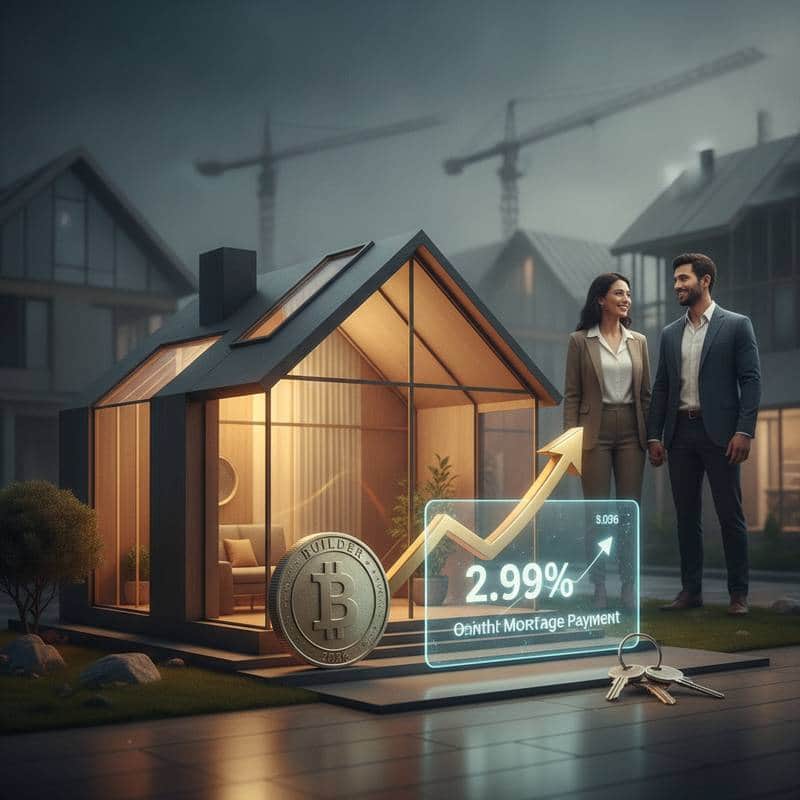
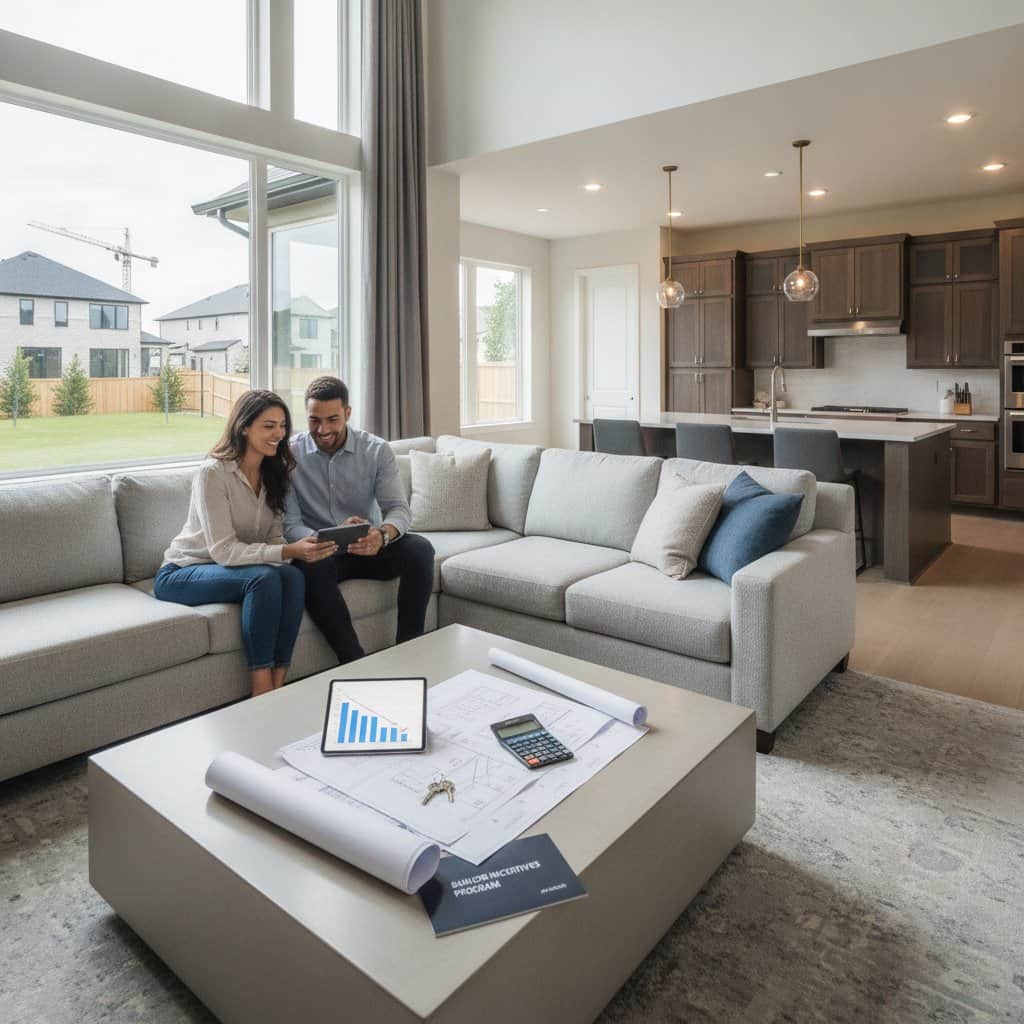
Builder buydowns assist 2026 homebuyers in countering elevated mortgage rates through temporary payment reductions funded by builders. Structures such as 1-0, 2-1, or 3-2-1 buydowns reduce initial costs, improve affordability, and create potential refinancing paths, rendering desirable homes accessible while supporting builder sales in a challenging market.
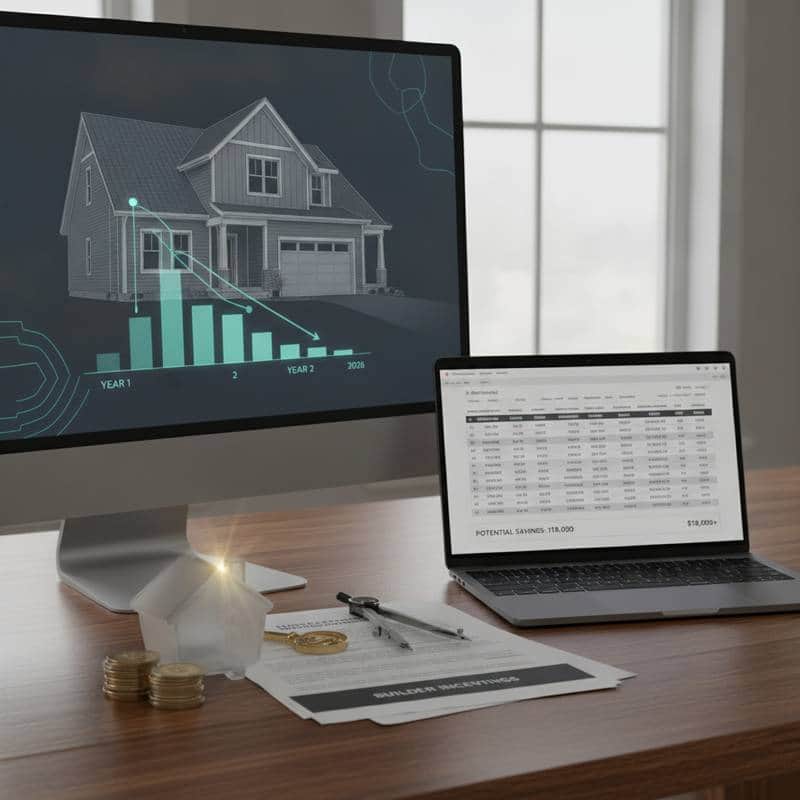
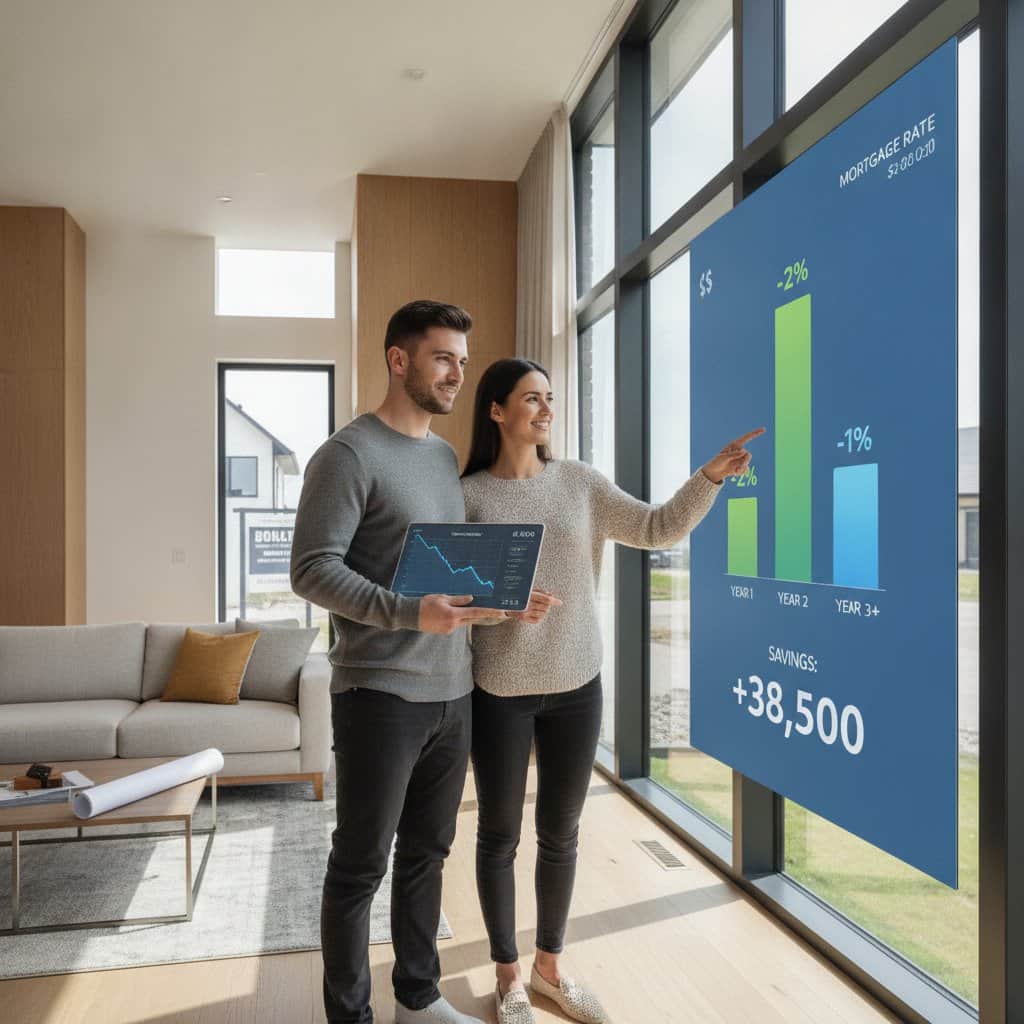
In 2026, builder mortgage rate buydowns emerge as a leading incentive to improve new home affordability. These arrangements temporarily reduce interest rates, which lowers early payments without altering the home price. Understand the mechanics of these savings, potential considerations, and how they align with your homeownership objectives.
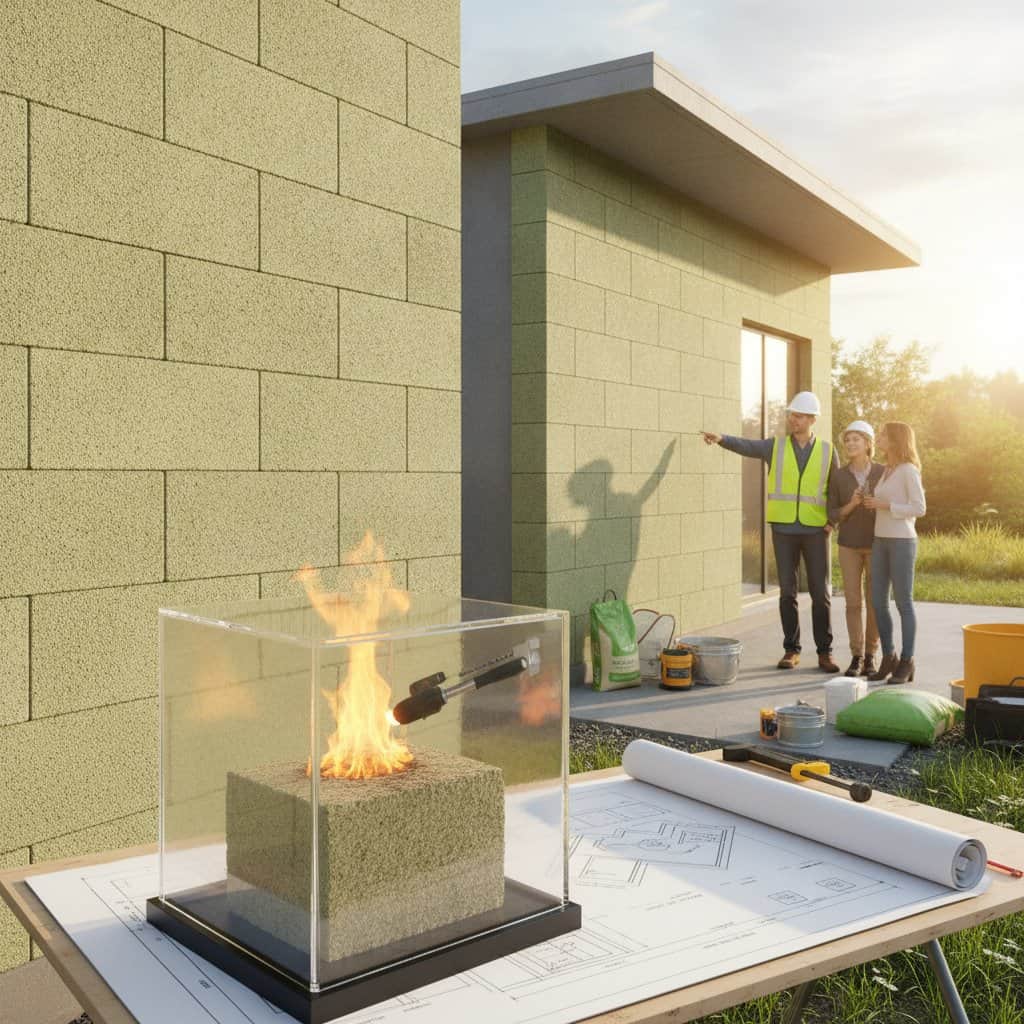
Hempcrete redefines eco-conscious building in 2026 with its blend of hemp, lime, and water forming breathable, carbon-negative walls. These structures provide excellent temperature regulation, fire and mold resistance, and centuries-long durability. Professionals and residents value its comfort, adaptability, and sustainable qualities, positioning it as a cornerstone of resilient, thoughtful design.
Zero-down builder loans enable homebuyers to commence new construction without an initial down payment while securing a 4.9% interest rate to shield against market fluctuations. Builders enhance these offers with incentives such as upgrades or closing cost assistance, yet buyers must scrutinize rate locks, associated fees, and project timelines to optimize benefits and prevent unexpected expenses.
By 2026, new constructions incorporate battery-ready features for effortless power wall and solar integration. These homes deliver energy autonomy, cost savings, and outage resilience, benefiting builders and residents through sustainable, adaptable designs that transform residences into efficient energy centers.
A 2-1 buydown lowers monthly mortgage payments by up to $800 during the initial years, providing financial relief for new homeowners. This option delivers temporary rate reductions, builder incentives, and opportunities for future refinancing to support long-term stability.
DSCR loans redefine real estate financing by prioritizing property-generated income over borrower finances. This innovation opens doors for small builders, designers, and investors to pursue visionary, income-viable projects through 2026.
Builder rate buydowns empower 2026 homebuyers by cutting monthly mortgage payments and improving affordability. These builder-funded incentives temporarily or permanently lower rates, drawing in purchasers while mitigating budget strains. Discover their mechanics, evaluation tips, and strategies to optimize your new home purchase.
Mass timber drives a fivefold rise in sustainable projects, using engineered wood such as CLT to deliver structural strength, faster builds, and carbon sequestration. This material reduces emissions, enhances building aesthetics, and fosters human-centered spaces that blend resilience with natural warmth and environmental stewardship.
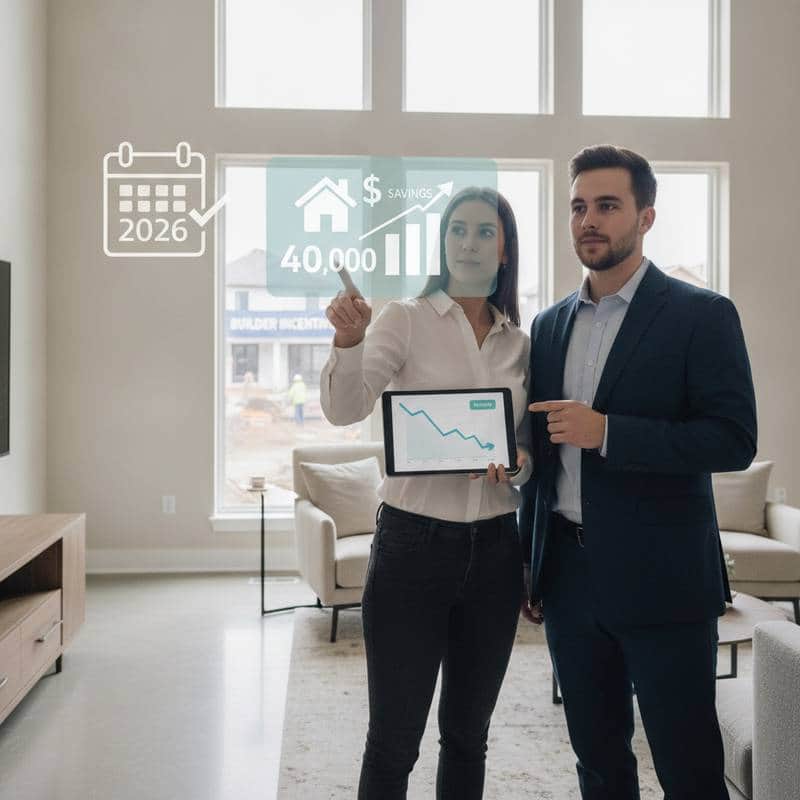
A 2-1 rate buydown provides temporary relief on mortgage interest rates, reducing payments significantly in the early years of homeownership. When builders cover the costs, buyers can save up to $40,000, offering budget flexibility, immediate financial relief, and opportunities for future refinancing.
Hempcrete, composed of hemp hurds, lime, and water, emerges as a carbon-sequestering material poised to redefine sustainable building by 2026. This lightweight, breathable option provides superior insulation and healthier living spaces. With evolving regulations and growing eco-demand, hempcrete delivers an organic aesthetic and practical benefits for modern homes.
USDA construction-to-permanent loans enable rural homeowners to incorporate solar systems effortlessly. Offering zero down payments, competitive rates, and unified financing for land, building, and renewables, these options deliver long-term savings and eco-friendly residences from day one.
Mass timber construction ascends to new levels with the 2026 building codes, permitting taller structures built from cross-laminated timber. These advancements promote safer designs, accelerated construction timelines, and reduced environmental impact, marking a transformative phase in sustainable urban development for architects, builders, and developers.
Rising interest rates and market timing challenges often delay custom home builds. Bridge loans provide a solution by leveraging your current home's equity to finance land or construction ahead of a sale. This guide explains how these short-term loans offer flexibility, mitigate rate risks, and maintain project momentum.
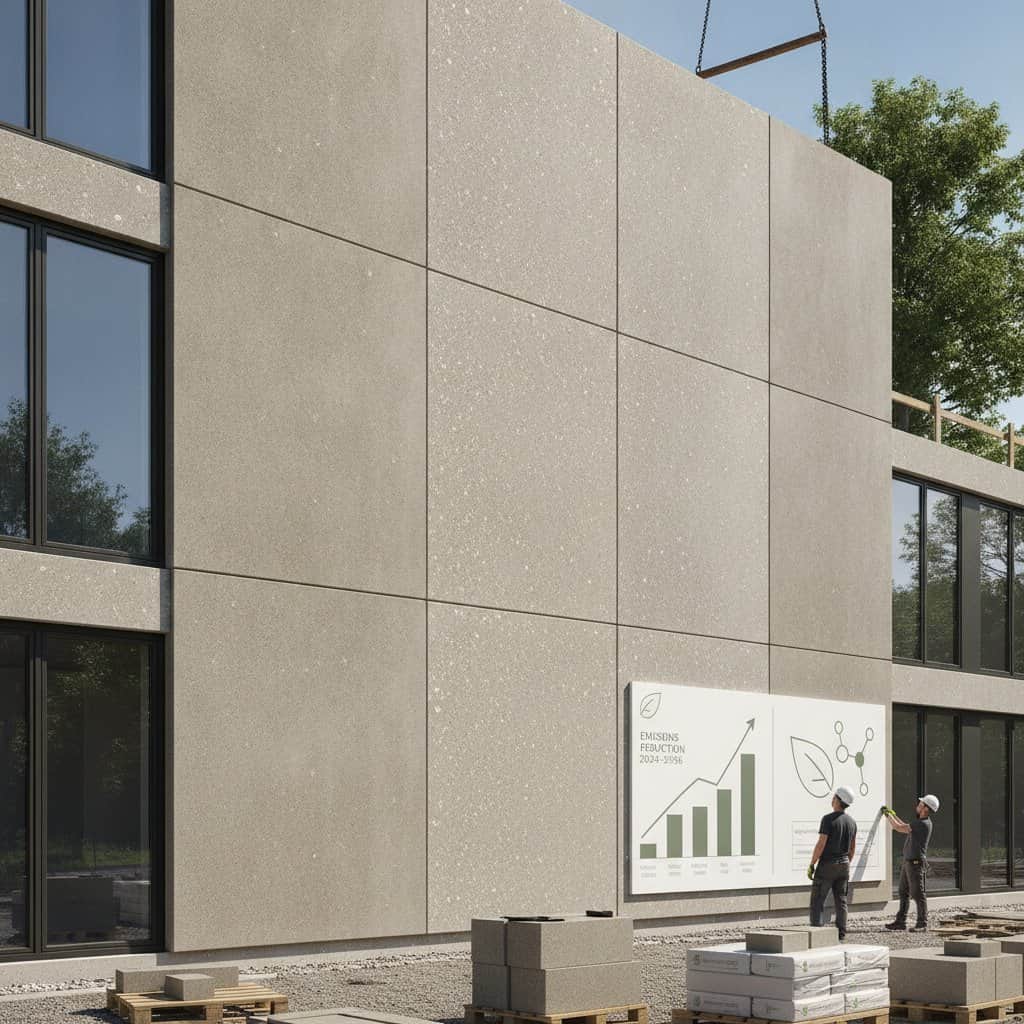
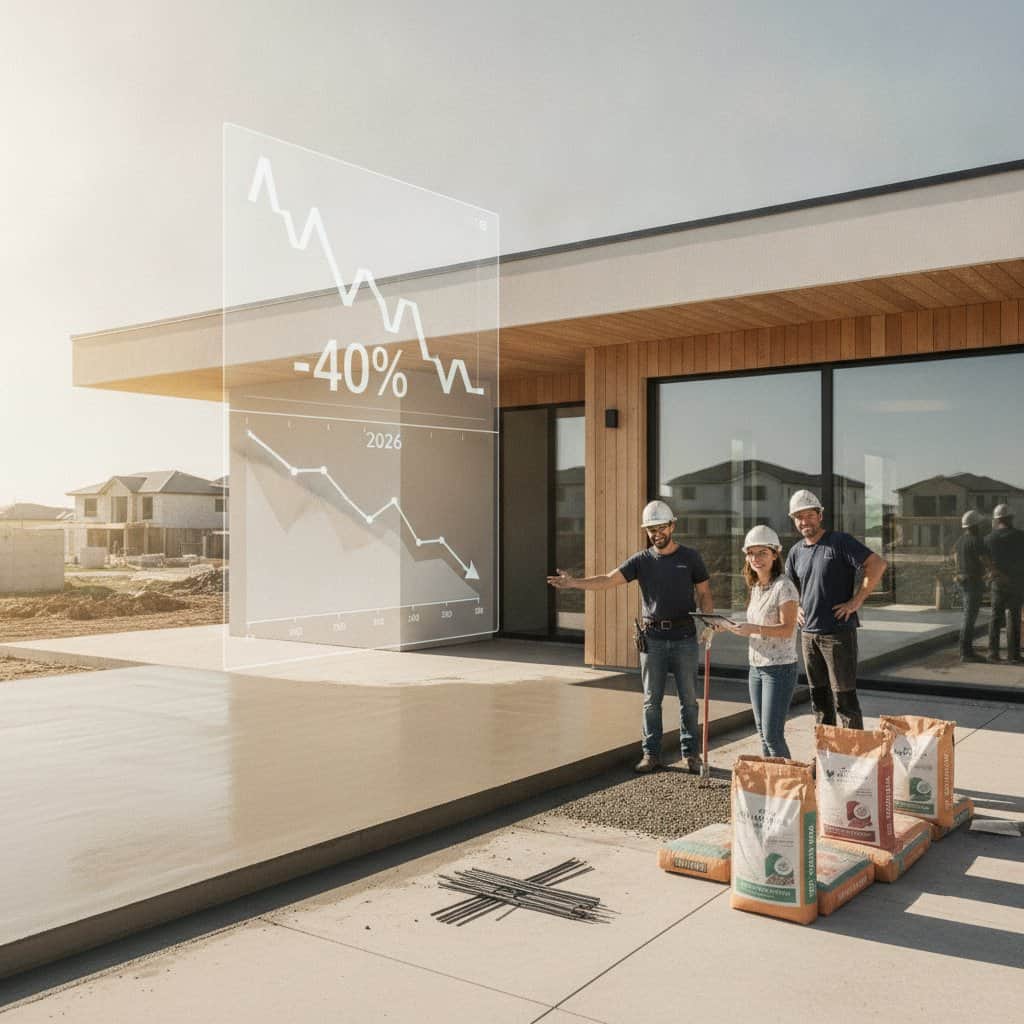
Carbon-negative concrete captures CO2 during production, offering robust performance and tax credits for green builds. Ideal for homes and commercial spaces, it combines durability, design flexibility, and environmental impact reduction.
Hempcrete revolutionizes construction through breathable walls that resist fire and mold, offering sustainable solutions for comfortable, carbon-storing homes built to endure.
A 2-1 rate buydown lowers your mortgage interest rate by two points in year one and one point in year two, potentially saving $40,000. This incentive from builders eases initial costs, supports budget adjustments, and positions you for sustained financial success in your new home.