DSCR Loans Dominate Build to Rent Financing
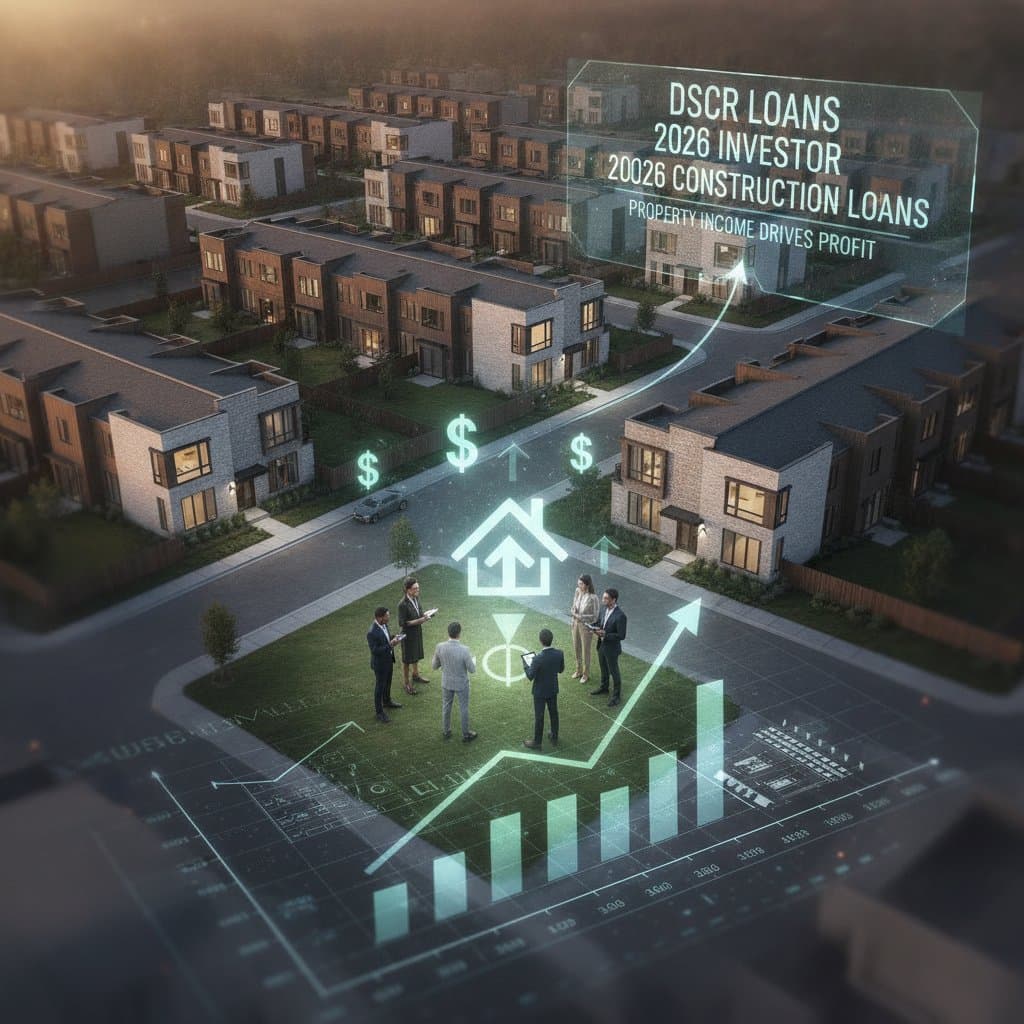
DSCR loans evaluate rental properties based on their ability to generate sufficient income to cover debt obligations. This approach shifts lender attention from borrower tax returns and personal credit profiles to verifiable cash flow from the asset itself. Investors gain access to financing that aligns directly with project performance.
Core Mechanics of DSCR Loans
Lenders calculate the debt service coverage ratio by dividing net operating income by annual debt service. Ratios above 1.0 indicate the property produces enough revenue to meet payments. Most programs require ratios between 1.1 and 1.25 depending on property type and borrower experience.
The process relies on market supported rent projections rather than personal income documentation. This structure reduces approval timelines for investors who maintain strong rental portfolios but lack conventional wage documentation.
Growth Drivers in Build to Rent Development
Build to rent communities deliver consistent occupancy through professional management and uniform property standards. Investors benefit from economies of scale in maintenance, leasing, and tenant screening. These operational efficiencies support reliable income streams that satisfy DSCR requirements.
Demand for single family rentals continues to rise among households seeking space and privacy without ownership commitments. Developers respond with coordinated neighborhoods that include shared amenities and consistent architectural standards.
Streamlined Approval Process
DSCR financing minimizes requests for personal financial statements and employment verification. Lenders focus instead on rent rolls, expense projections, and local market data. The resulting documentation package is typically shorter than conventional construction loans.
- Submit property level income and expense estimates supported by comparable rental data.
- Provide construction budgets and timelines that align with projected lease up schedules.
- Receive conditional approval based on the property achieving the required coverage ratio upon stabilization.
Design Choices That Support Loan Performance
Durable interior finishes reduce replacement costs and maintain tenant satisfaction across turnover cycles. Neutral color palettes combined with textured materials hide wear while preserving visual appeal. Thoughtful outdoor spaces such as fenced patios and shared garden areas increase perceived value and support higher achievable rents.
These selections directly influence net operating income. Higher income improves the coverage ratio and strengthens the case for subsequent project financing.
Portfolio Scaling Advantages
Once a property meets its coverage targets, lenders often extend additional credit on similar terms. Investors can therefore expand holdings without repeated personal income reviews. This repeatability accelerates growth for operators who maintain consistent property performance.
Interest rate and reserve requirements vary by lender. Borrowers should compare multiple offers and model stress scenarios that include vacancy periods and maintenance spikes.
Implementation Steps for New Projects
Begin with detailed market analysis to establish realistic rent expectations. Engage property management firms early to refine expense assumptions. Select building materials and landscaping plans that balance upfront cost with long term durability.
Review lender guidelines on minimum coverage ratios and required reserves before finalizing site plans. Accurate projections at this stage prevent delays during underwriting.
Sustaining Long Term Project Success
Properties that retain tenants through quality design and responsive management deliver steadier cash flow. Consistent performance keeps coverage ratios healthy and supports refinancing or expansion opportunities. Investors who treat design and operations as integral to financing strategy achieve more predictable outcomes across multiple projects.