How a 2-1 Buydown Lowers Mortgage Payments
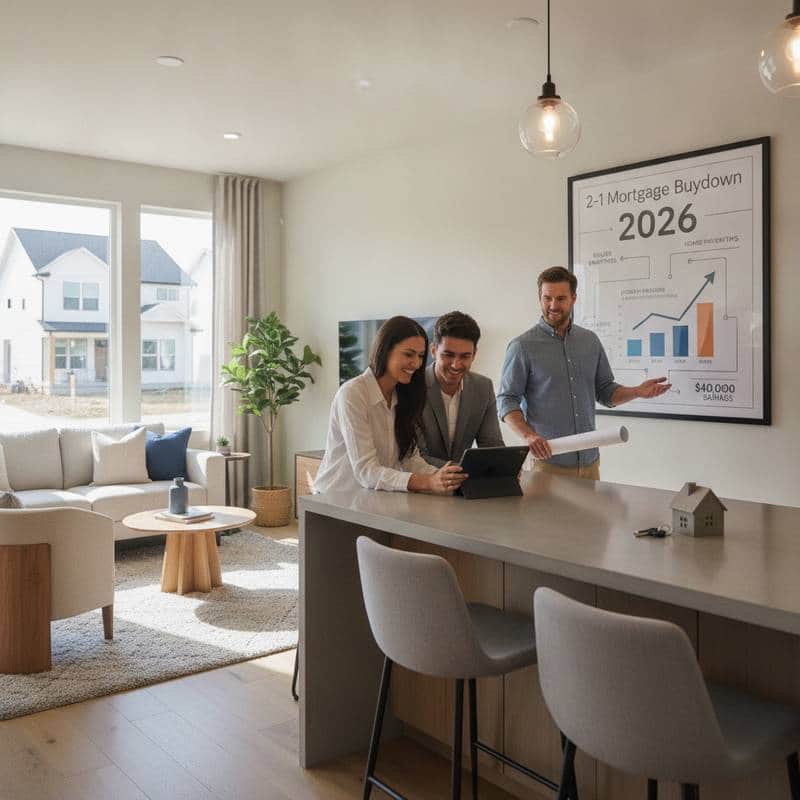
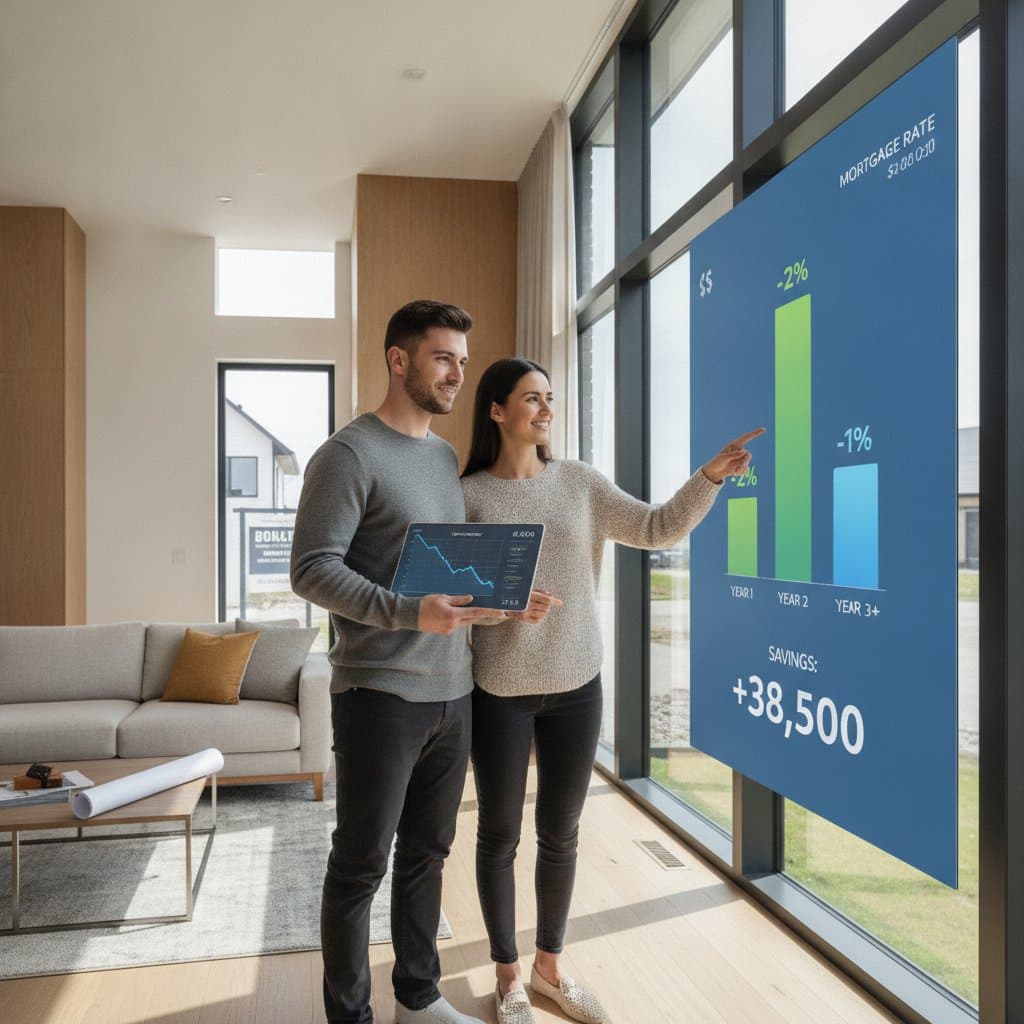
A 2-1 buydown reduces the interest rate on a mortgage for the first two years. The rate drops by two percentage points in year one and by one percentage point in year two. After that period the rate returns to the original note rate. This structure gives new homeowners lower payments during the early years of ownership.
How the Rate Reduction Works
Lenders calculate payments each year using the temporary rate. In the first year the borrower pays interest at the note rate minus two points. In the second year the borrower pays at the note rate minus one point. Starting in year three the full note rate applies unless the loan is refinanced.
The temporary reduction is usually purchased upfront. Builders, sellers, or lenders often cover the cost as an incentive. The amount paid equals the difference in interest over the two years plus any fees the lender charges to administer the buydown.
Typical Savings Example
Consider a $400,000 loan at a 6.5 percent note rate. Without the buydown the monthly principal and interest payment is approximately $2,528. With the 2-1 buydown the first-year payment falls to about $1,979 and the second-year payment falls to about $2,252. The combined savings over 24 months can reach $8,000 on this loan size. Larger loans produce proportionally higher savings and can exceed $40,000 when rates and loan amounts are higher.
Who Benefits Most
First-time buyers who expect income growth within two years gain immediate cash-flow relief. Families relocating for work can stretch their budget while they settle. Buyers who plan to refinance after rates drop also find the buydown useful because it lowers carrying costs until the refinance closes.
Steps to Obtain a 2-1 Buydown
- Ask the listing agent or builder whether a buydown is offered on the property.
- Request the exact cost of the buydown and confirm it is paid at closing.
- Compare the reduced payments against the cost to verify positive cash flow.
- Review the loan estimate to confirm the temporary rates and the date they expire.
- Decide whether to keep the loan or refinance before the third year begins.
Key Questions to Ask Lenders
Confirm whether the buydown applies only to fixed-rate loans or also to adjustable-rate products. Ask how the prepaid interest is treated for tax purposes. Verify that the monthly payment quoted includes taxes and insurance so the true housing cost is clear.
Planning for Year Three
Homeowners should model payments at the full note rate before signing. If rates remain elevated, they may choose to refinance during the second year while the lower payment is still in effect. Some lenders allow the buydown funds to be applied toward closing costs on a refinance, which reduces out-of-pocket expenses.
Final Considerations
A 2-1 buydown works best when the cost is covered by the seller or builder. When the buyer must pay the fee, the break-even period should be calculated against expected length of ownership. Borrowers who stay in the home long term still receive the early-year savings and retain the option to refinance later.