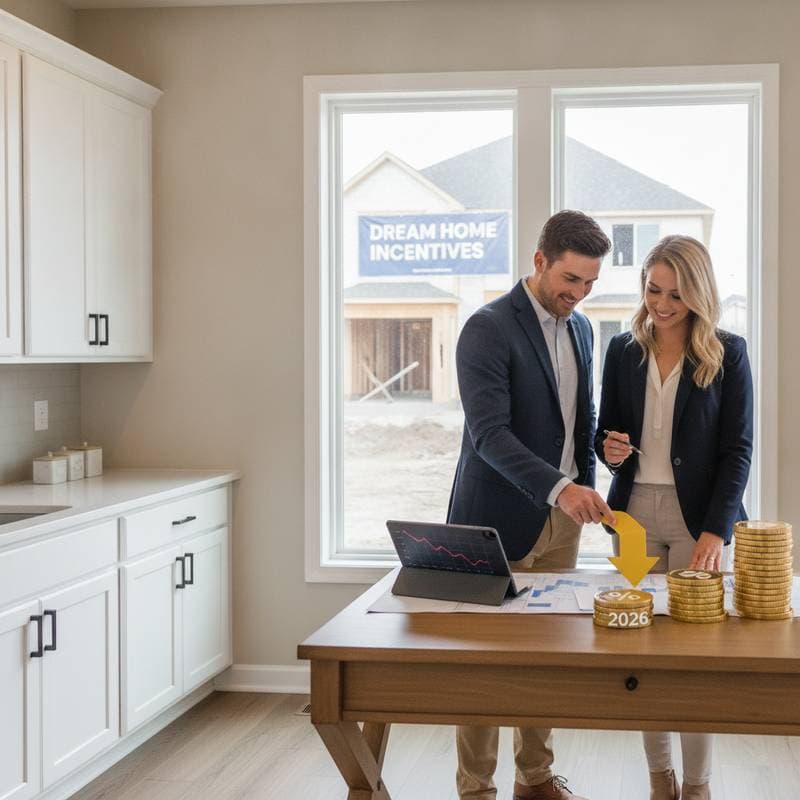
Understanding Builder Rate Buydowns
Builder rate buydowns allow home purchasers to secure a lower mortgage interest rate for a set period or for the full loan term. Builders pay fees to the lender to reduce the rate that the buyer would otherwise face in the current market. This approach lowers monthly payments during the early years of ownership when budgets often feel tightest.
These programs gained traction as rates climbed above six percent. They differ from standard lender buydowns because the builder covers the cost rather than the buyer paying points at closing.
How Temporary and Permanent Buydowns Function
A temporary buydown typically reduces the rate for the first one to three years. After that window the rate returns to the note rate stated in the loan documents. Buyers receive clear disclosure of the payment schedule before signing.
Permanent buydowns lower the rate for the entire loan life. The builder pays a larger upfront fee to achieve this outcome. Both structures require review of the full amortization schedule so buyers understand future payment amounts.
- Compare the reduced payment against the standard market rate for the same loan size.
- Confirm whether the buydown applies only to fixed-rate mortgages or extends to adjustable products.
- Verify that the incentive does not require acceptance of higher home prices or reduced design allowances.
Additional Incentives That Often Accompany Buydowns
Builders frequently combine rate buydowns with closing cost credits or upgrades to finishes. These packages can total several thousand dollars and improve immediate cash flow. Buyers should request an itemized list that separates each incentive so the value of the rate reduction stands alone.
Design upgrades such as better cabinetry or flooring may carry long-term resale benefit. Closing cost coverage reduces the cash required at settlement. Each element deserves separate evaluation against the overall purchase price.
Key Questions Before Accepting an Offer
Ask whether the buydown fee inflates the base home price. Request written confirmation that the incentive remains available if rates fall before closing. Determine the exact payment amount once the buydown period ends and compare it with current income projections.
Review the loan estimate and closing disclosure for any changes to the original terms. Consult an independent mortgage advisor who can model scenarios without the builder incentive. This step reveals whether staying with the builder loan provides a genuine advantage.
Weighing Long-Term Ownership Costs
A lower early payment improves affordability in the first years. Owners must still budget for the higher payment that follows a temporary buydown. Permanent reductions deliver consistent savings yet may limit flexibility if the buyer plans to sell within five years.
Calculate total interest paid over the full loan term under both the buydown and a standard rate. Factor in any opportunity cost from accepting a higher purchase price. These calculations support an informed decision aligned with personal financial goals.
Next Steps for Prospective Buyers
Obtain current rate quotes from multiple lenders to establish a baseline. Present the builder incentive package to those lenders for direct comparison. Document all conversations and retain copies of every written offer.
Schedule a final review meeting with the builder sales team once numbers are confirmed. Proceed only after the full cost structure is clear and acceptable.