Greywater Systems in New Homes
Twelve states have updated building codes to require greywater recycling in new residential construction by 2026. These rules integrate water reuse directly into standard practice. Homeowners and builders gain tools to reduce consumption while meeting regulatory standards.
Core Functions of Greywater Systems
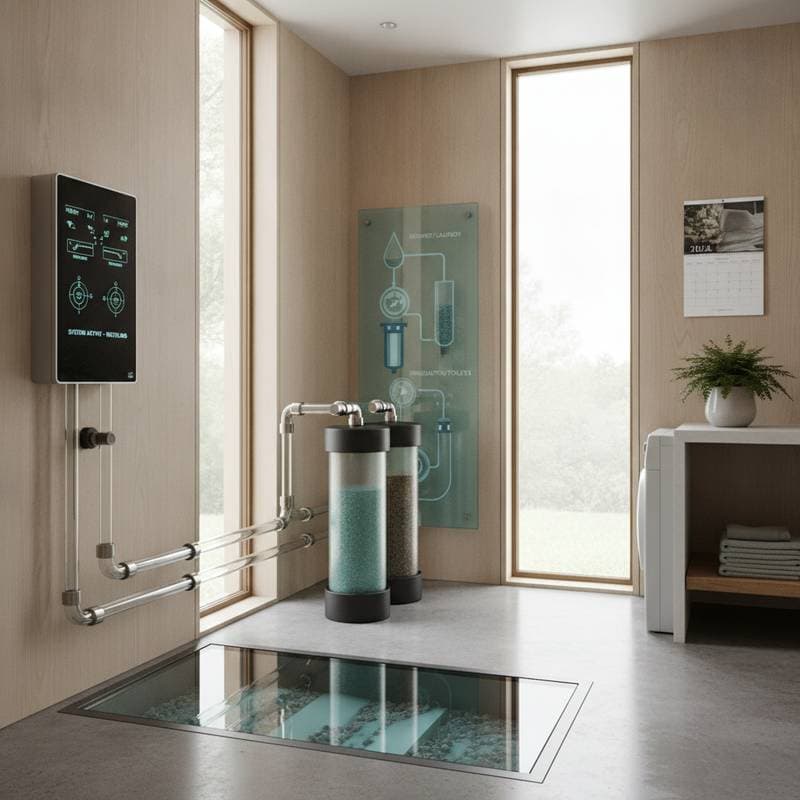
Greywater systems collect water from sinks, showers, and laundry machines. The collected water undergoes filtration before reuse in irrigation or toilet flushing. This process diverts 30 to 50 percent of household wastewater from sewer lines.
Proper design separates greywater lines from blackwater at the source. Storage tanks and pumps move the treated water to end uses. Soil and plant filtration beds provide additional natural treatment in many setups.
State Code Changes and Timelines
The mandates apply to new single family homes and some multifamily projects. Permits now require system plans during the initial design phase. Inspectors check separation of plumbing lines and treatment components before final approval.
Early coordination with local health departments prevents delays. Some jurisdictions offer density bonuses or expedited reviews for projects that exceed minimum reuse targets. Builders who integrate systems from the start avoid costly retrofits later.
Practical Steps for Compliance
- Map all greywater sources during architectural planning.
- Select treatment technology rated for local soil and climate conditions.
- Size storage capacity to match peak laundry and shower volumes.
- Install backflow prevention and labeling on all reused water lines.
- Schedule inspections at rough in and final stages.
These steps keep projects on schedule and within code. Homeowners receive operation manuals that outline filter changes and seasonal maintenance.
Cost and Resource Savings
Reduced municipal water demand lowers monthly utility bills. Properties with documented reuse systems often qualify for insurance discounts or green building certifications. Long term maintenance costs remain modest when filters and pumps receive regular service.
Landscape irrigation with treated greywater supports drought resistant plantings. This approach decreases reliance on potable water during dry periods. Communities benefit from lower peak loads on treatment plants.
Design Options for Different Lots
Urban homes with small yards often use subsurface drip irrigation. Suburban properties can incorporate constructed wetlands or mulch basins. Multi story buildings route laundry water to basement treatment units before pumping to upper floor toilets.
Modular tank systems fit tight mechanical rooms. Gravity fed designs reduce energy use in single story homes. Professional designers match each option to site slope, soil permeability, and household size.
Ongoing Operation and Maintenance
Filter cartridges require replacement every three to six months. Pumps need annual inspection for seals and impellers. Homeowners keep records of service dates to maintain warranty coverage and code compliance.
Winterization procedures protect outdoor lines in cold climates. Summer schedules increase irrigation cycles when plant demand rises. Clear labeling prevents accidental cross connections with drinking water.
Preparing for Installation
Owners should request system specifications from licensed plumbers experienced in reuse projects. Soil tests confirm drainage rates before subsurface components are placed. Budgets should include both equipment and the labor required for separate plumbing runs.
Early inclusion in construction documents prevents change orders. Training for maintenance staff or homeowners occurs before occupancy. These measures deliver reliable performance from the first day of use.