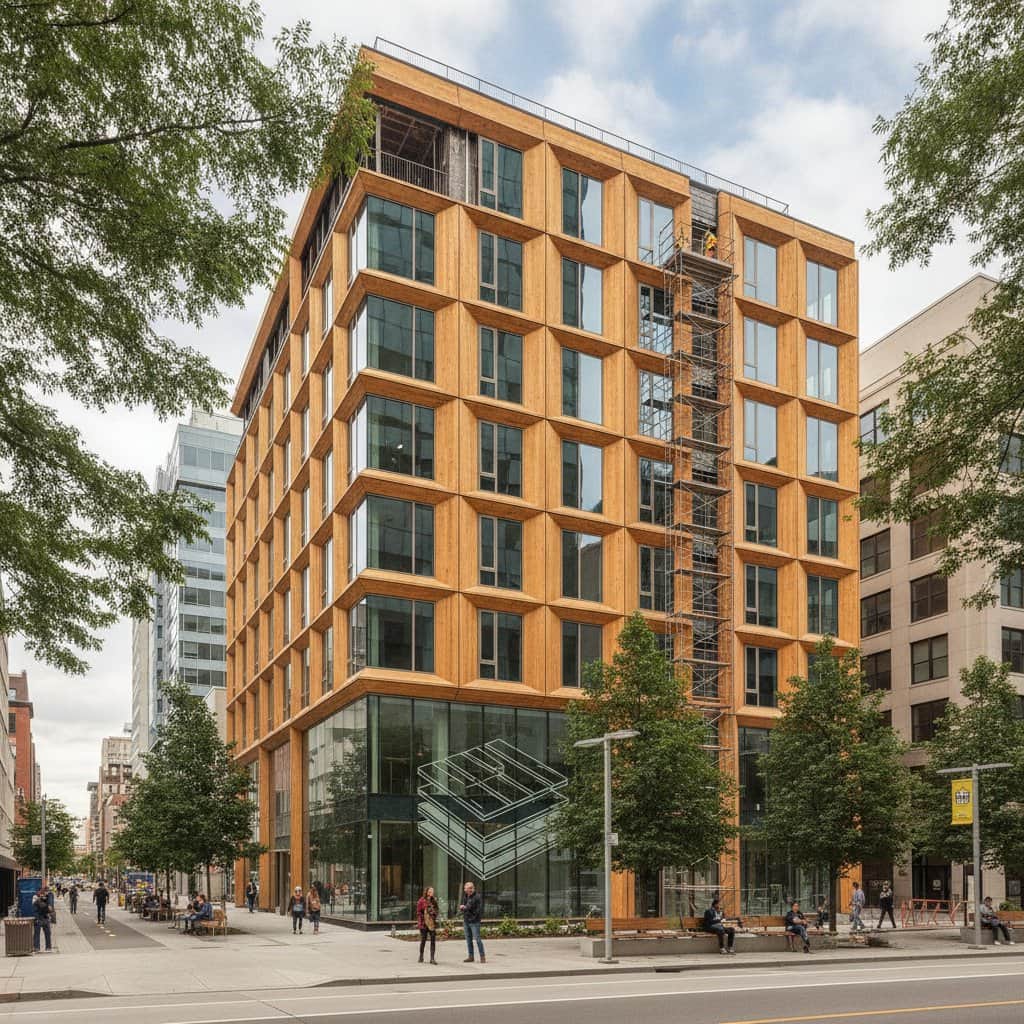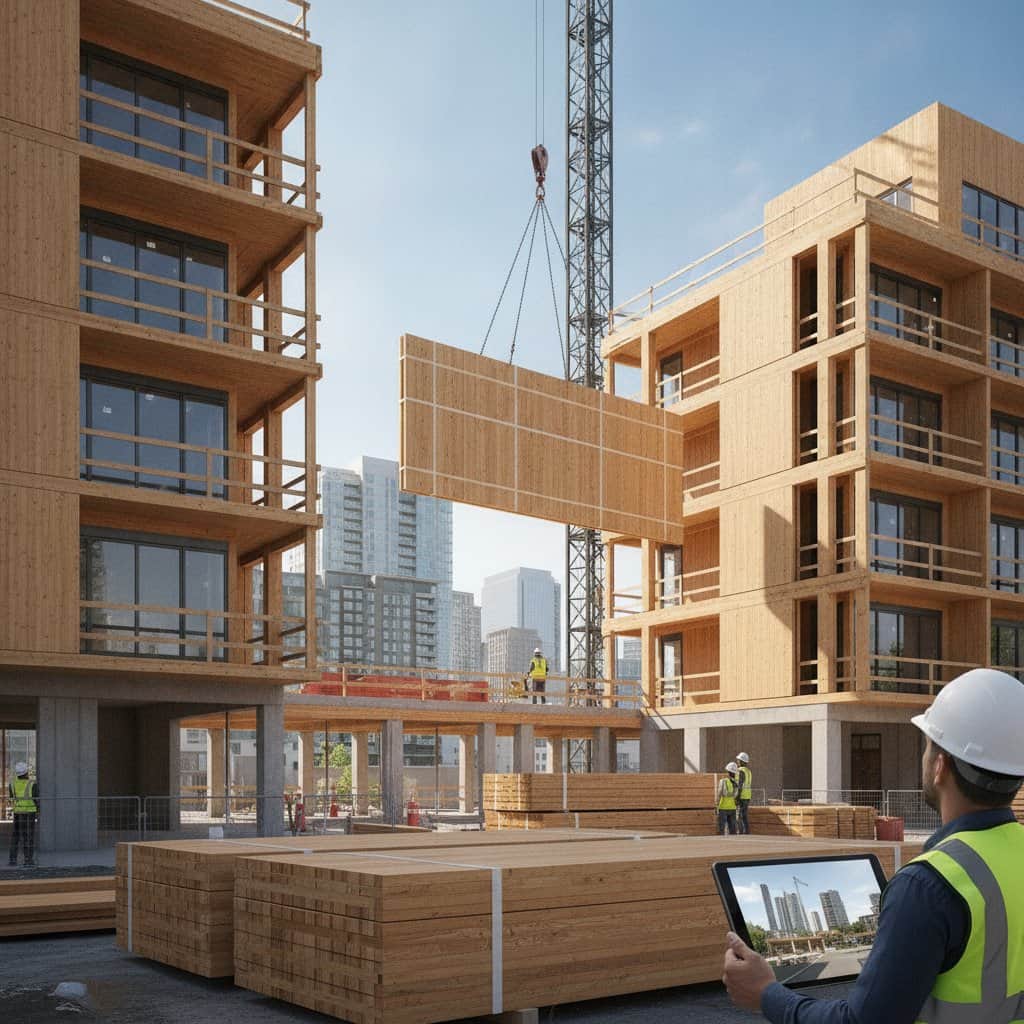
Why Mass Timber Is Replacing Steel in Mid-Rise Buildings
Mass timber panels enable faster, lower-carbon mid-rise buildings while delivering warm interiors and simpler foundations.
Loading...
Articles tagged with building
Mass timber panels enable faster, lower-carbon mid-rise buildings while delivering warm interiors and simpler foundations.
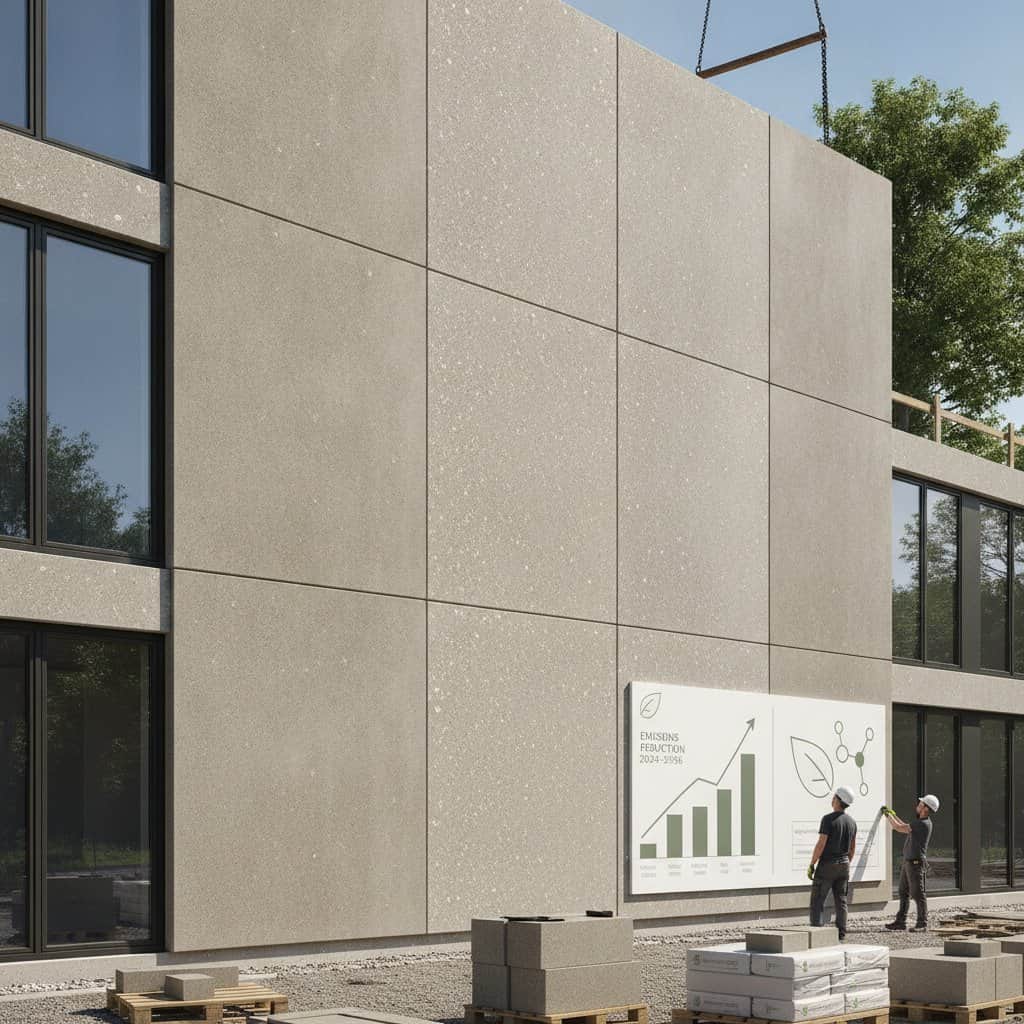
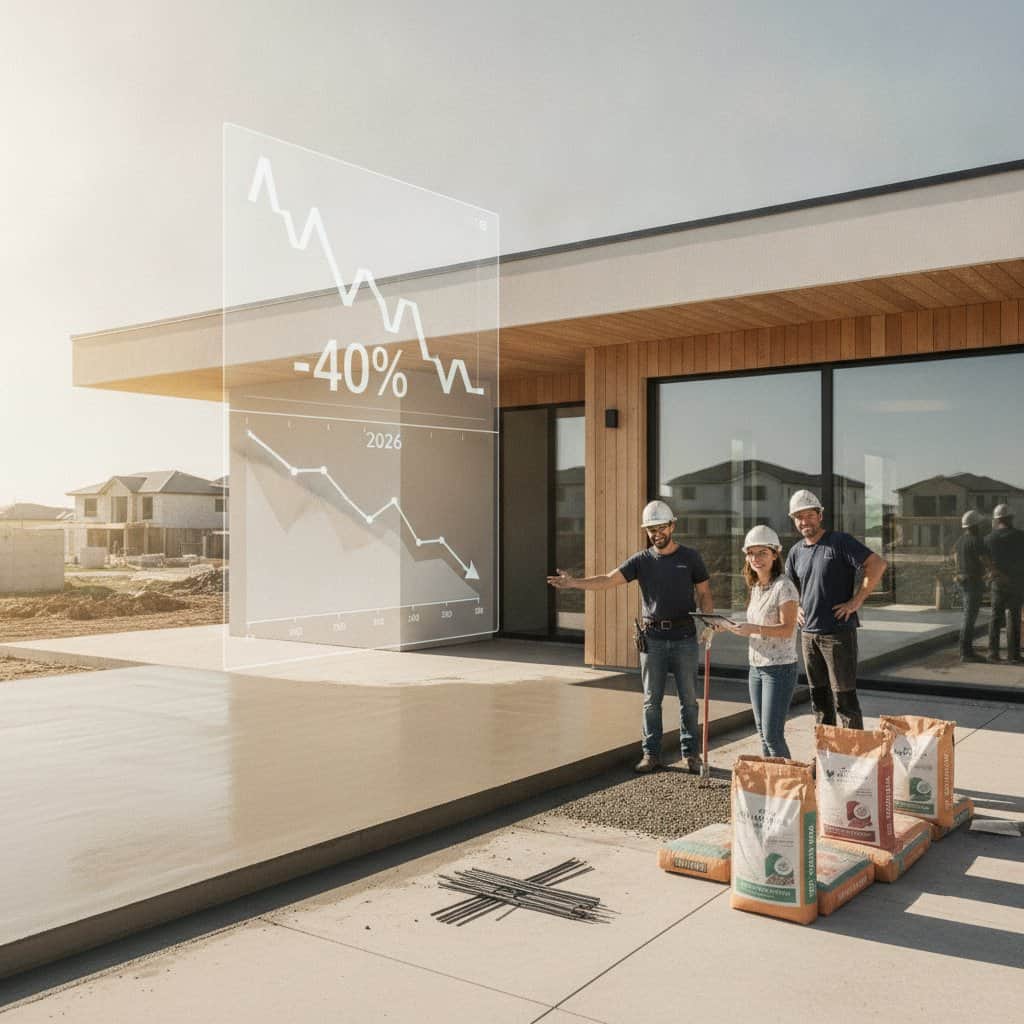
Biochar concrete replaces portions of traditional cement with carbon-storing biochar. This substitution reduces emissions by up to 40 percent without compromising strength. Builders adopt the material through standard suppliers and achieve measurable carbon reductions on typical projects.
Updated 2026 building codes establish clear standards for taller mass timber structures, reducing approval times and increasing lender confidence in CLT construction.
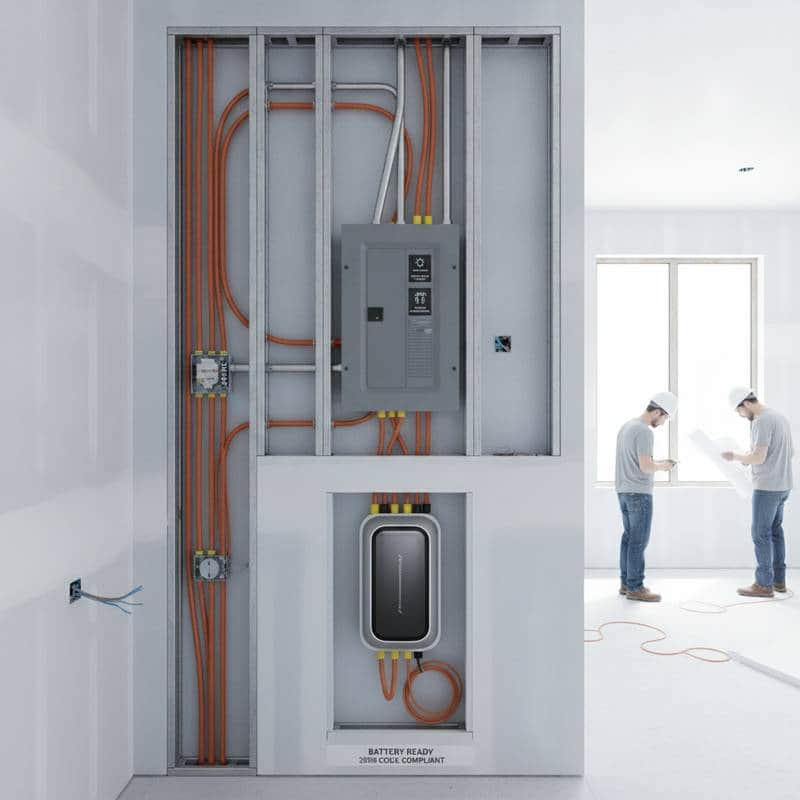
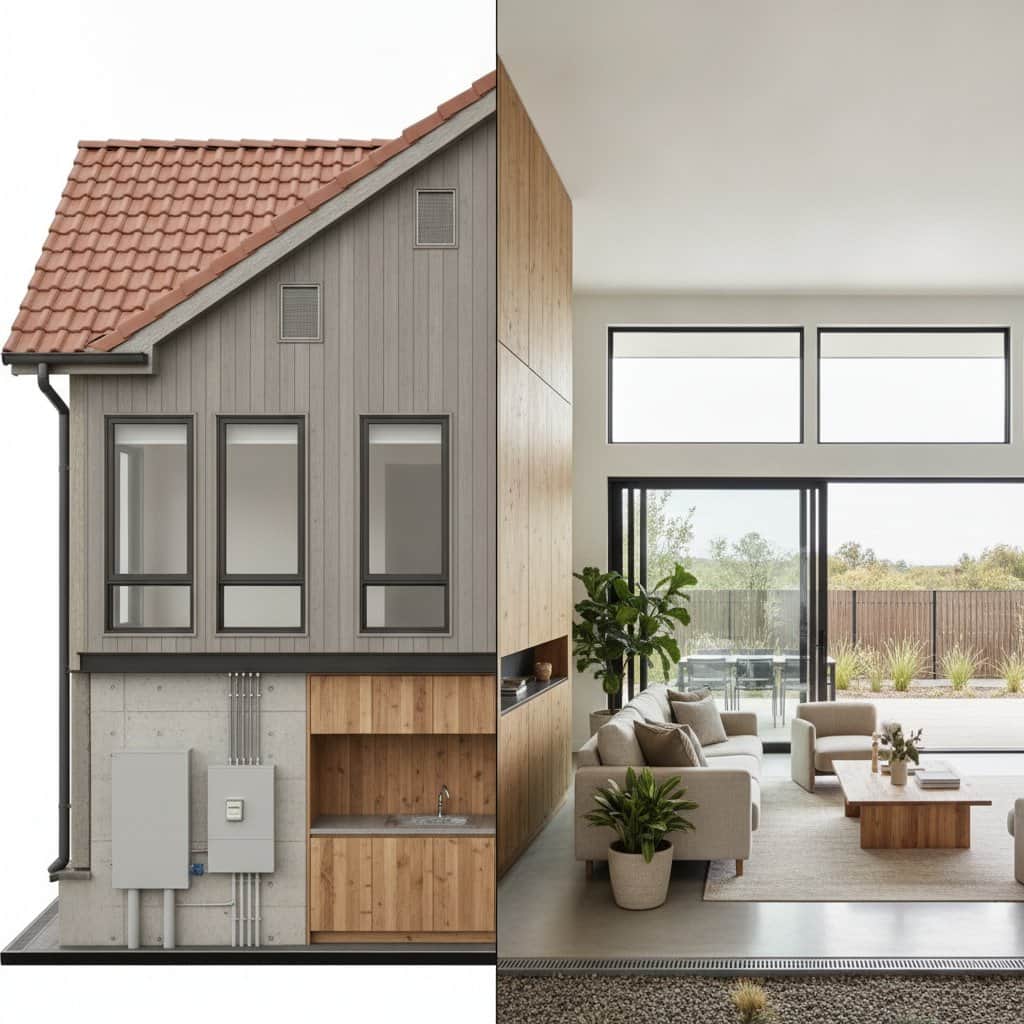
Pre-wiring homes for batteries during construction saves thousands in future retrofits, boosts property value, and ensures compliance with evolving energy codes. It is a small step that makes adding solar storage seamless later.
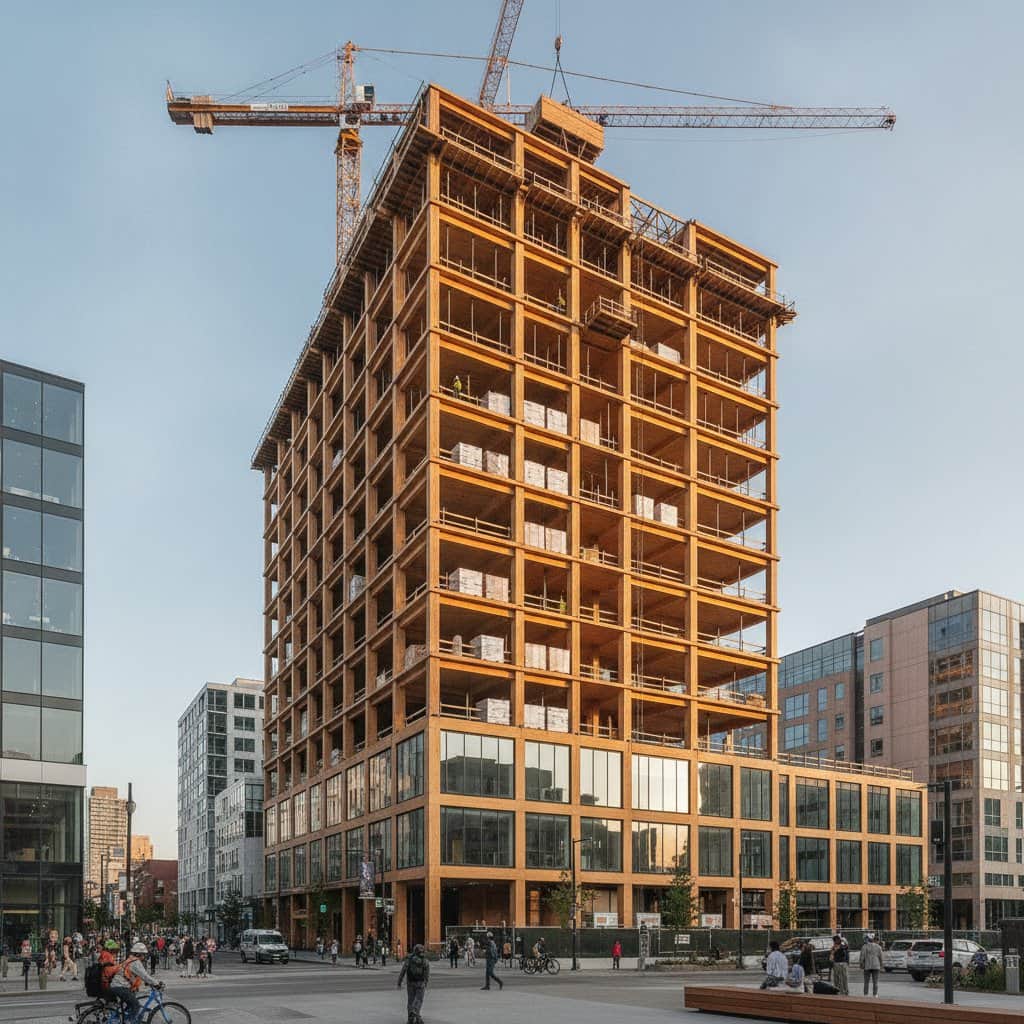
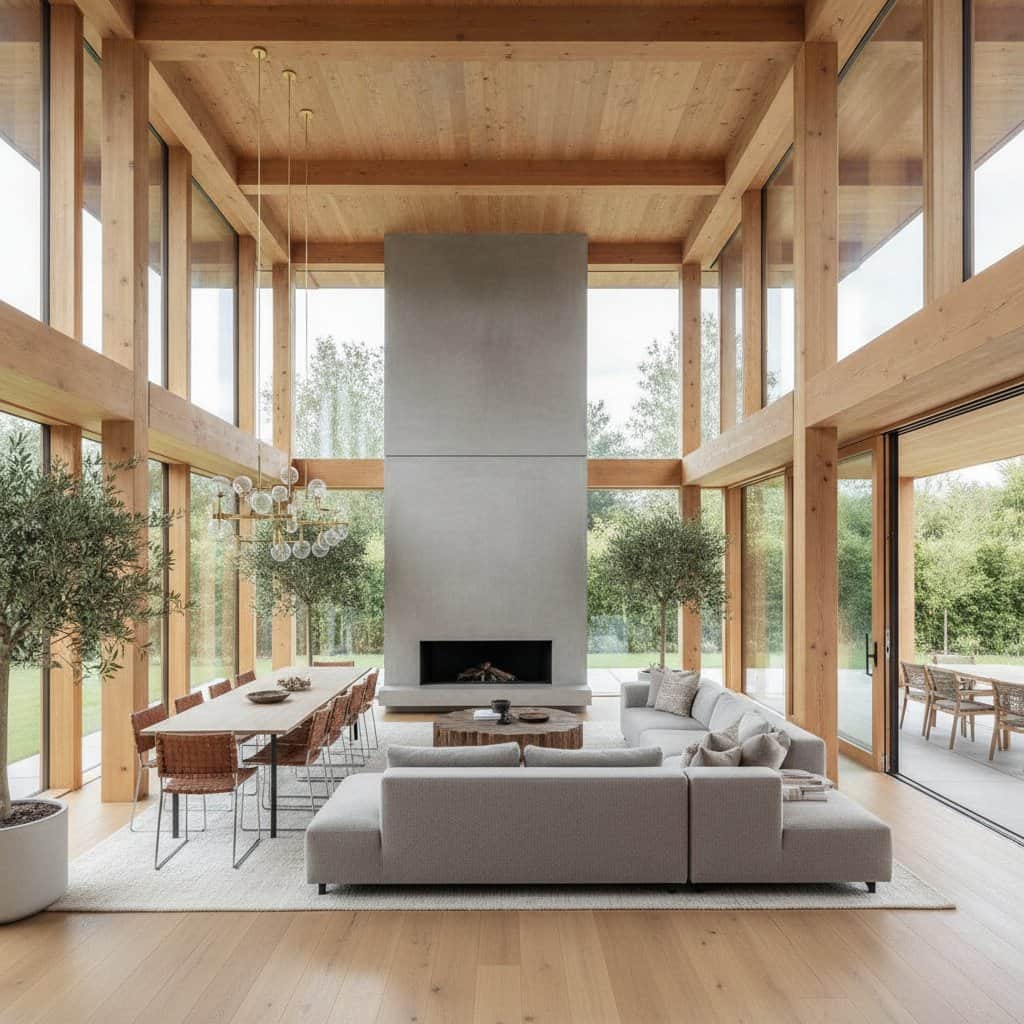
Mass timber is redefining multi-story home construction with its strength, sustainability, and natural warmth. Using engineered wood panels like CLT, builders achieve faster, cleaner builds and beautiful, carbon-storing structures.
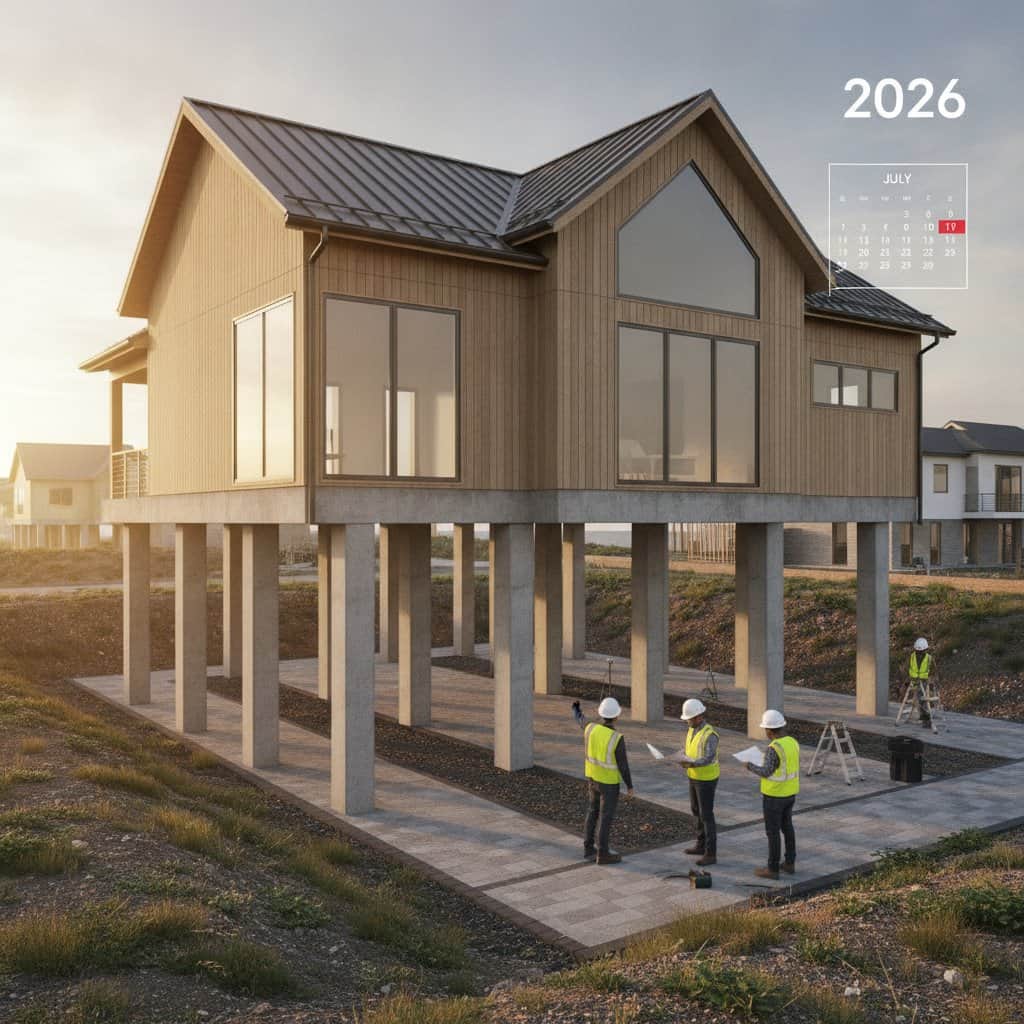
New 2026 building rules emphasize homes that withstand floods and fires through smarter design, durable materials, and climate-specific planning. From raised foundations to ember-resistant roofs, resilience now blends seamlessly with comfort and style. Thoughtful design choices protect families, reduce long-term costs, and reconnect modern living with the natural environment.
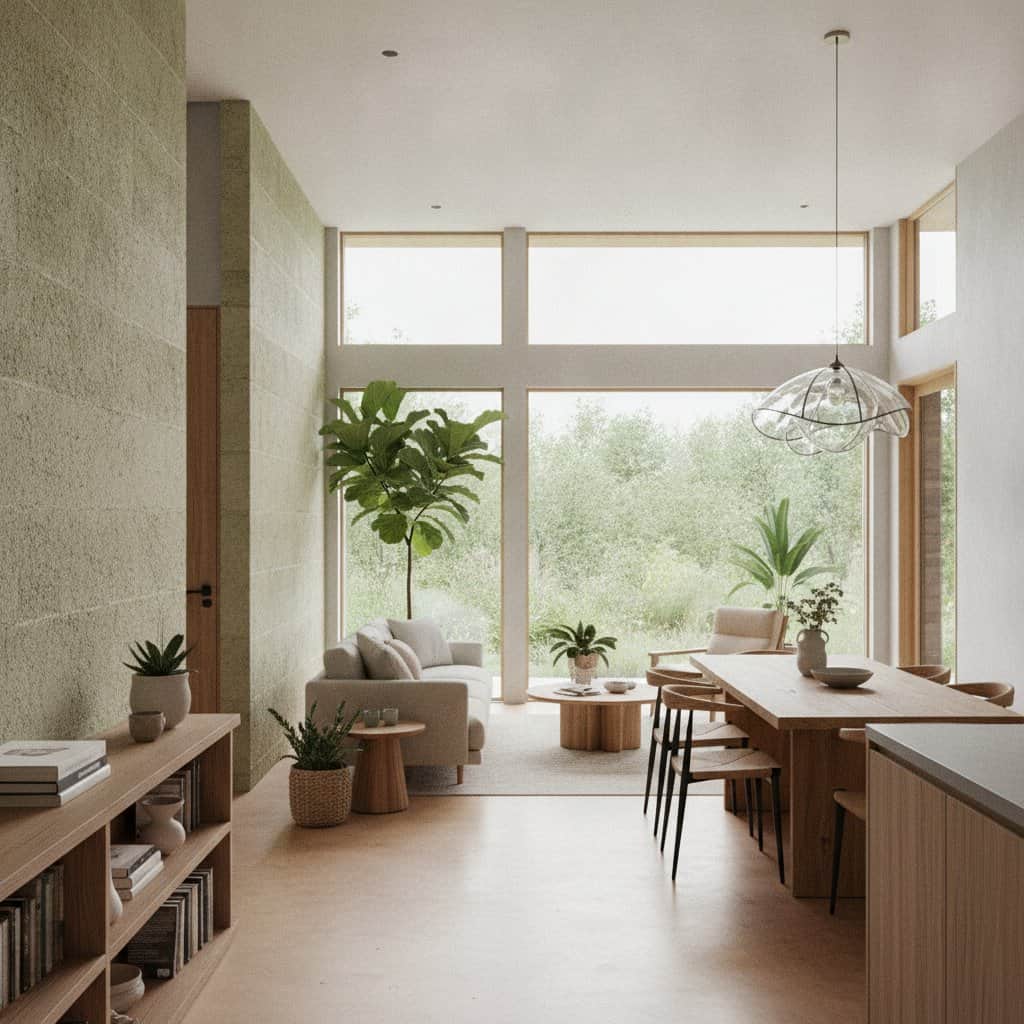
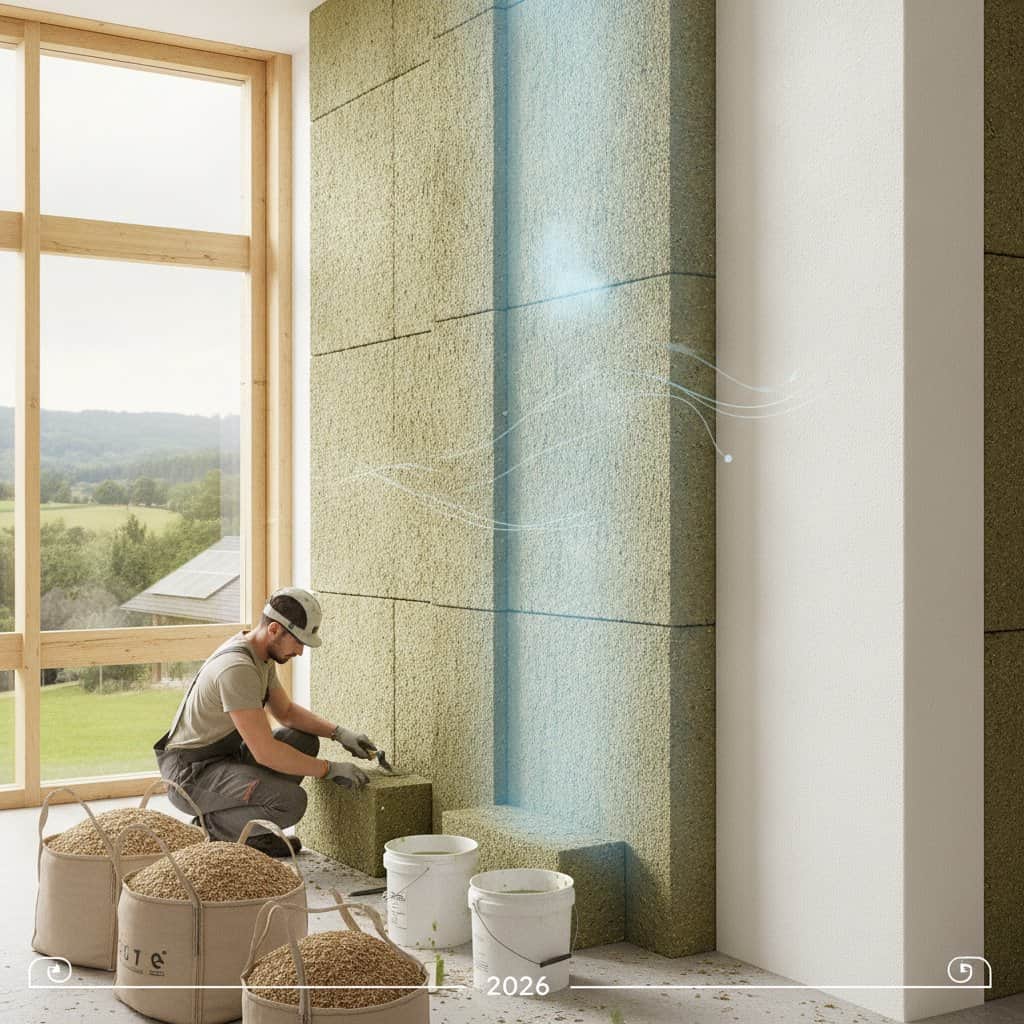
Hempcrete redefines eco-conscious construction through its carbon-negative properties, breathability, and longevity. Composed of hemp hurd, lime, and water, it forms walls that optimize temperature control, combat mold, and elevate indoor environments. With growing adoption, hempcrete positions itself as a cornerstone of green building practices by 2026.
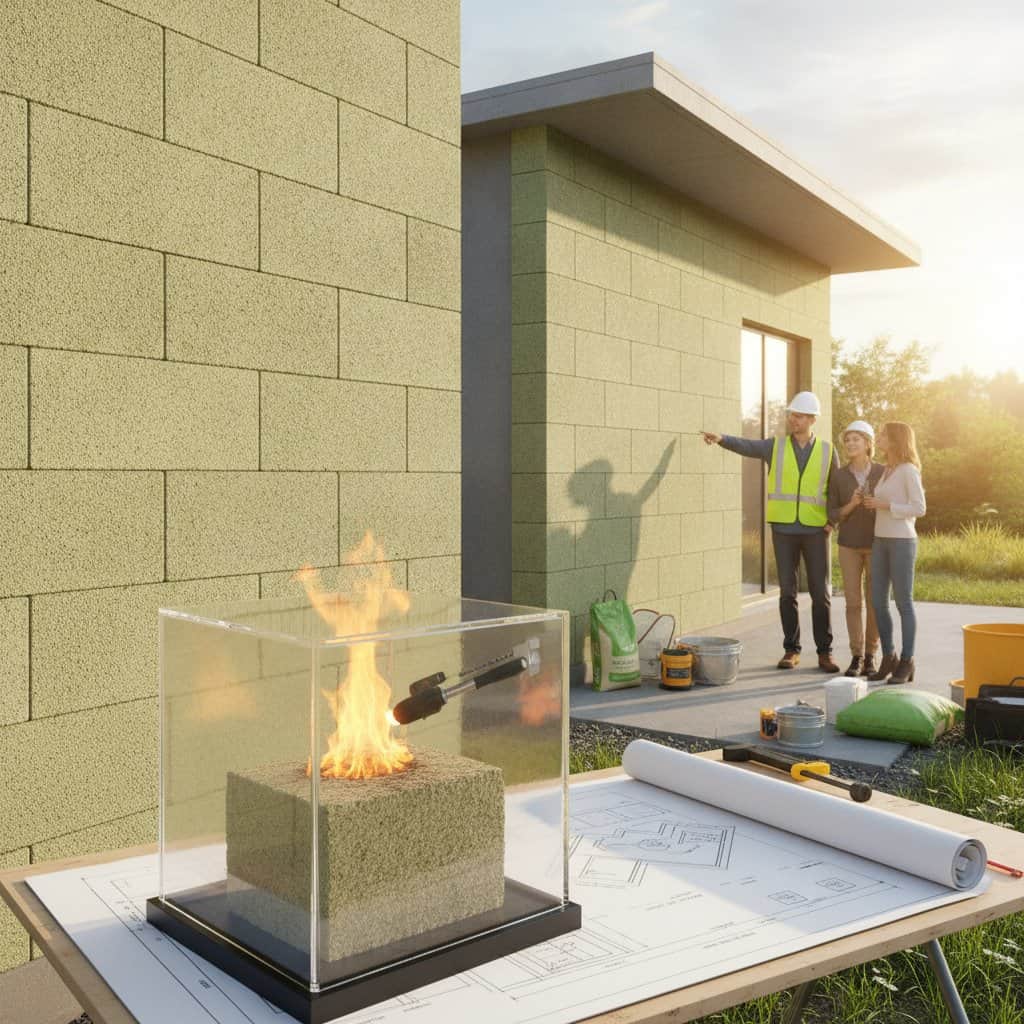
Hempcrete redefines eco-conscious building in 2026 with its blend of hemp, lime, and water forming breathable, carbon-negative walls. These structures provide excellent temperature regulation, fire and mold resistance, and centuries-long durability. Professionals and residents value its comfort, adaptability, and sustainable qualities, positioning it as a cornerstone of resilient, thoughtful design.
Mass timber drives a fivefold rise in sustainable projects, using engineered wood such as CLT to deliver structural strength, faster builds, and carbon sequestration. This material reduces emissions, enhances building aesthetics, and fosters human-centered spaces that blend resilience with natural warmth and environmental stewardship.
Hempcrete, composed of hemp hurds, lime, and water, emerges as a carbon-sequestering material poised to redefine sustainable building by 2026. This lightweight, breathable option provides superior insulation and healthier living spaces. With evolving regulations and growing eco-demand, hempcrete delivers an organic aesthetic and practical benefits for modern homes.
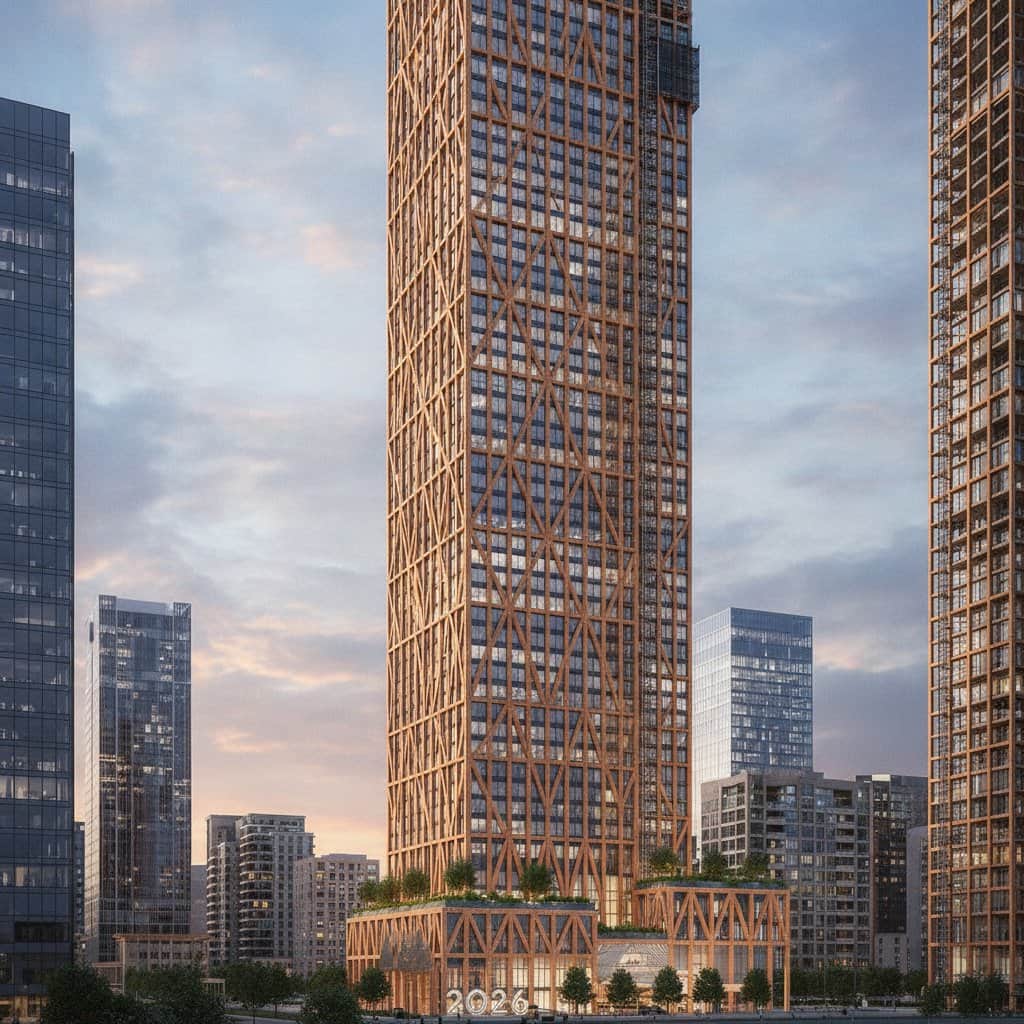
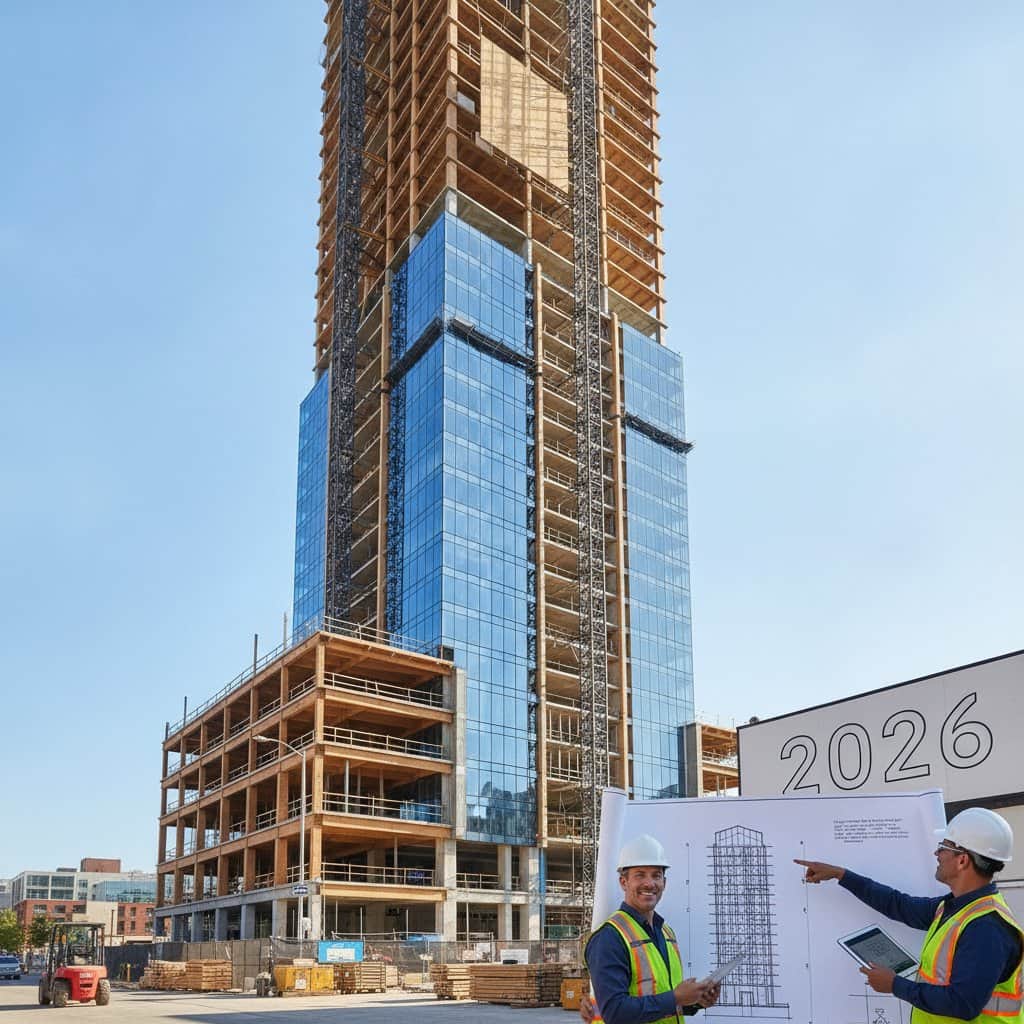
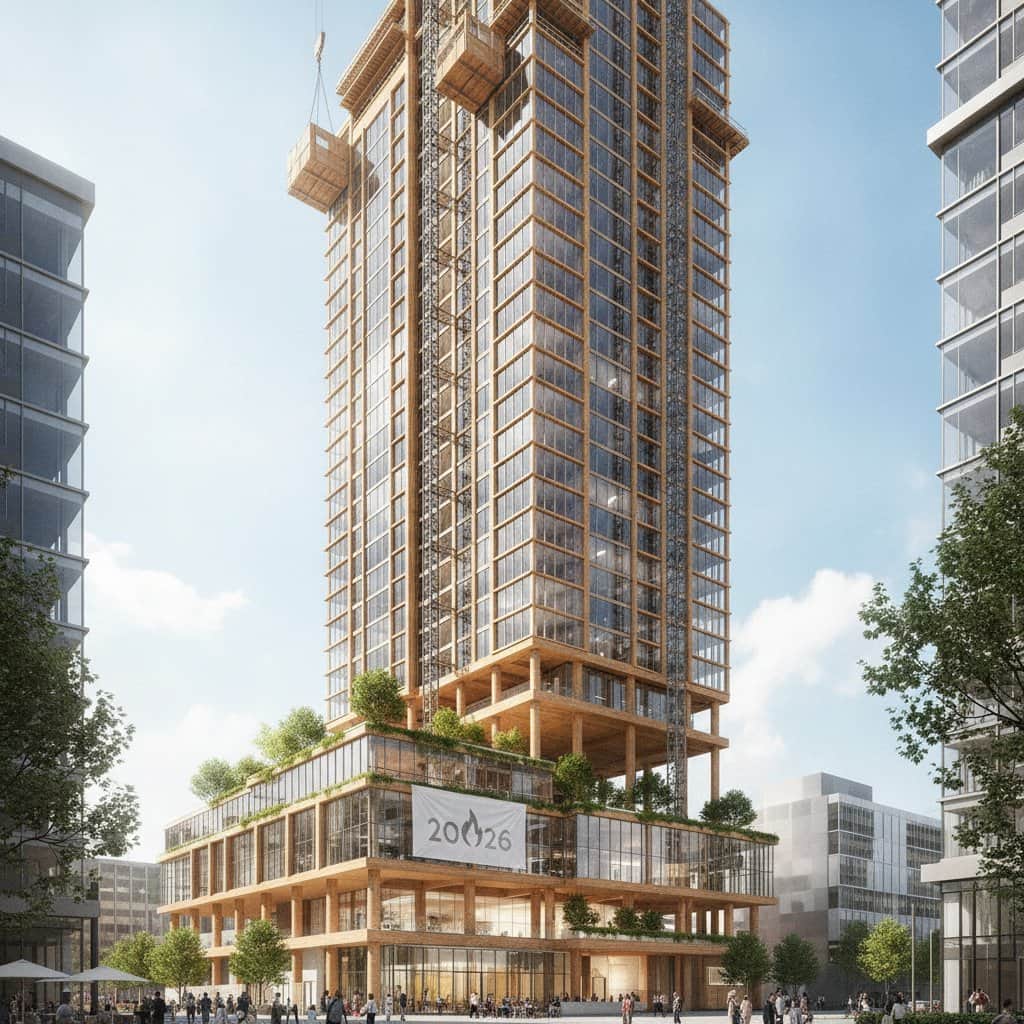
Mass timber construction ascends to new levels with the 2026 building codes, permitting taller structures built from cross-laminated timber. These advancements promote safer designs, accelerated construction timelines, and reduced environmental impact, marking a transformative phase in sustainable urban development for architects, builders, and developers.
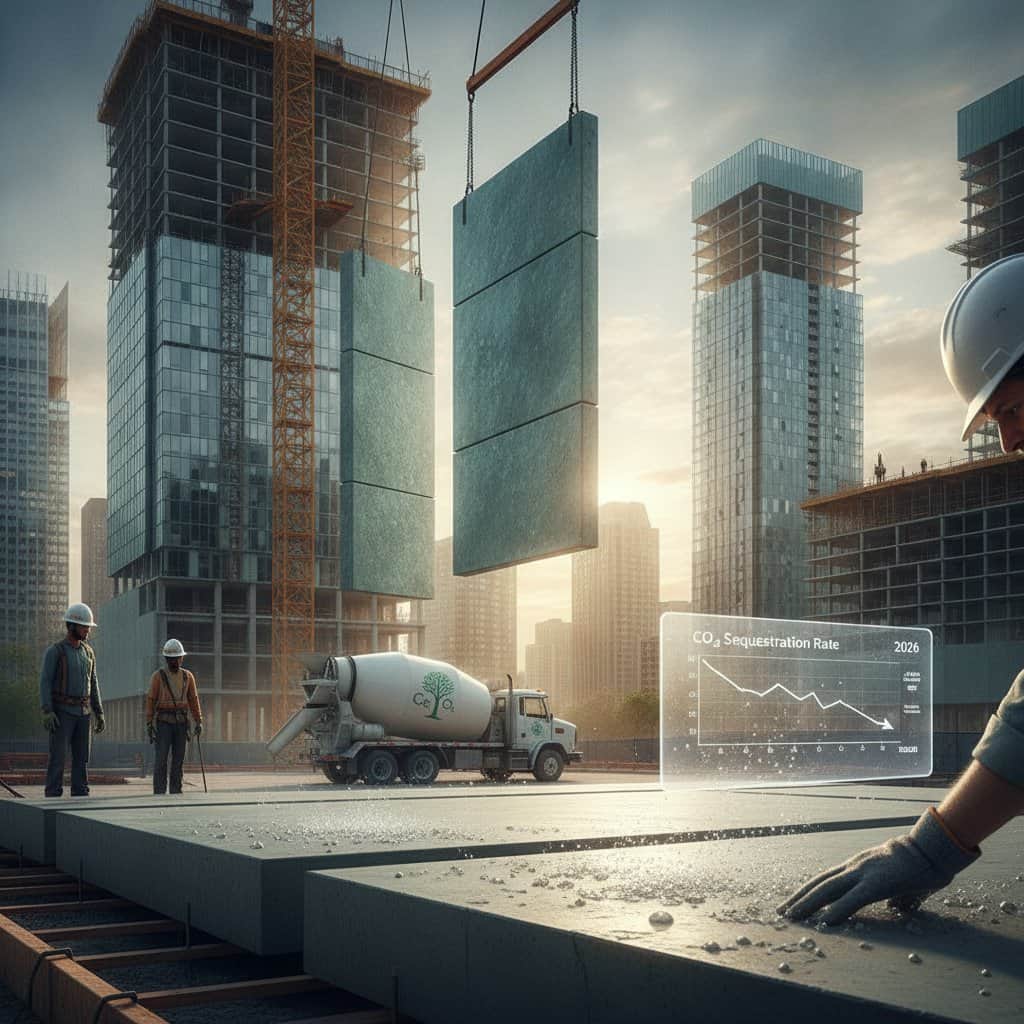
Carbon-negative concrete captures CO2 during production, offering robust performance and tax credits for green builds. Ideal for homes and commercial spaces, it combines durability, design flexibility, and environmental impact reduction.
Hempcrete revolutionizes construction through breathable walls that resist fire and mold, offering sustainable solutions for comfortable, carbon-storing homes built to endure.
Insulated Concrete Forms (ICFs) integrate the durability of concrete with advanced insulation to reduce home energy consumption by up to 60 percent. Although the initial investment exceeds traditional methods, ICFs provide substantial ongoing savings, improved comfort, and reduced noise. Discover how airtight seals, strategic design, and thermal mass contribute to the enduring efficiency of ICF construction for sustainable homes.
Hempcrete walls achieve formal building code approval in 2026, advancing sustainable building practices. This innovative, carbon-negative material enhances natural insulation, moisture control, and comfort, enabling seamless integration into mainstream eco-conscious architecture.
The 2026 building codes propel mass timber towers toward mainstream adoption, enabling taller structures, accelerated construction, and superior sustainability. Cost efficiencies, greater design versatility, and carbon sequestration advantages position engineered wood as a viable alternative to steel and concrete. These changes redefine urban skylines, project budgets, and architectural innovation.
Twelve states enforce carbon-neutral concrete requirements for public works, transforming construction practices. This guide details sustainable options that maintain performance, reduce costs over time, and position homes for future market demands in green building.
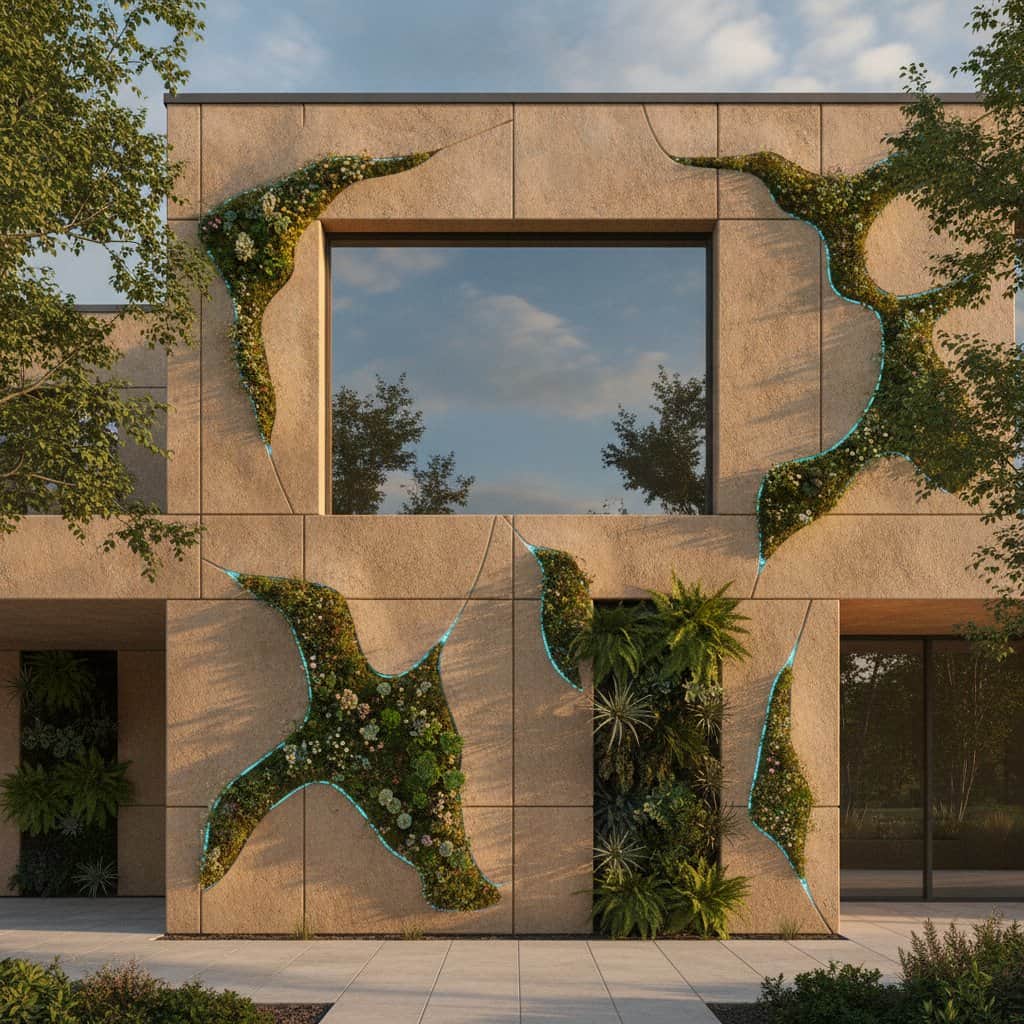
Set to debut in 2026, carbon-negative homes incorporate biochar into concrete and insulation to sequester carbon permanently. These designs combine breathable interiors, energy-efficient features, and natural appeal, delivering lower emissions, enhanced durability, and meaningful environmental benefits.
Hempcrete walls transform sustainable construction with fireproof protection, carbon sequestration, and natural insulation. Composed of hemp, lime, and water, they maintain comfortable temperatures, deter mold, and improve air quality. Despite higher upfront costs, the enduring energy efficiency and environmental advantages position hempcrete as an ideal option for resilient, forward-looking residences.
Carbon-negative concrete revolutionizes building in twelve states by sequestering carbon during curing. This durable, attractive material matches traditional performance while advancing environmental goals for communities.