Eight States Mandate Solar Panels for New Homes in 2025
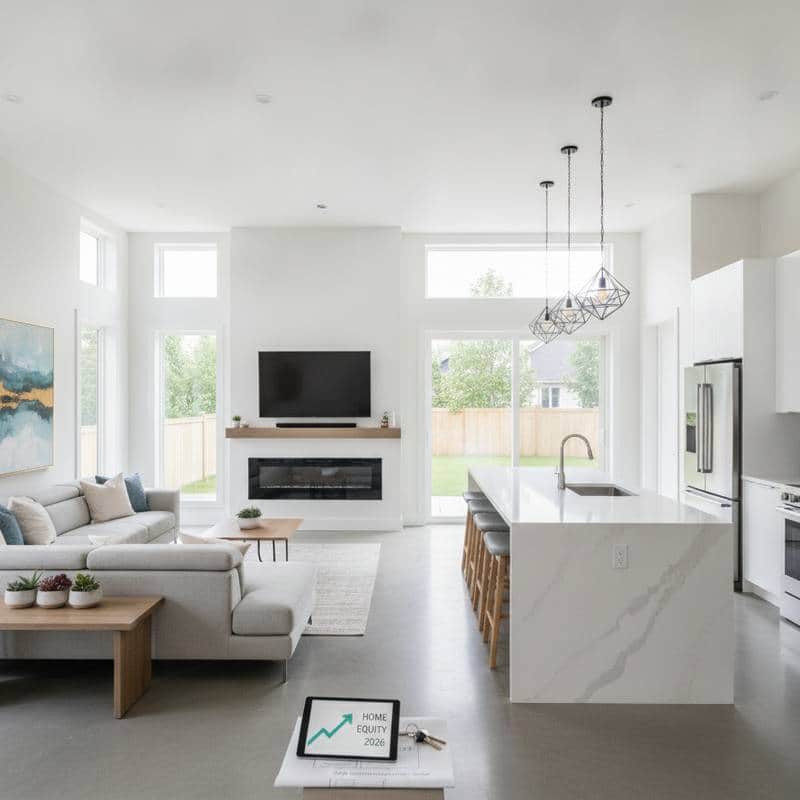
Natural light transforms living spaces, much as solar panels now enhance modern homes by harnessing sunlight for energy. These installations, once optional, integrate seamlessly into new construction across several states. Builders and homeowners benefit from lower utility costs and greater energy independence.
State-level building codes evolve to prioritize sustainability. Mandates for solar panels on new homes reflect broader goals of reducing carbon emissions and easing grid demands. Homeowners gain practical advantages, while the real estate market adapts to these standards.
This article examines the states involved, implications for buyers and builders, design integrations, cost considerations, and preparation strategies.
States Implementing Solar Mandates
Eight states lead this transition with updated building codes requiring solar photovoltaic systems on specific new residential projects. Requirements apply primarily to single-family homes and low-rise multifamily units, with variations based on local climate and infrastructure. The focus remains on promoting renewable energy adoption.
The states are:
- California: Pioneers in solar policy, requiring systems on most new single-family homes and low-rise multifamily buildings since 2020, with expansions in 2025.
- Colorado: Mandates solar in designated high-growth areas, building on existing incentives for energy-efficient developments.
- New York: Incorporates solar-ready provisions into statewide codes, applicable to urban and suburban single-family constructions.
- Massachusetts: Updates energy codes to include solar integration for new homes, emphasizing overall efficiency.
- New Jersey: Combines mandates with financial incentives, such as tax credits, to facilitate solar installations.
- Nevada: Leverages sunny conditions by requiring solar-ready roofs on new single-family and multifamily homes.
- Oregon: Ties solar requirements to green building standards, supporting community renewable energy initiatives.
- Hawaii: Strengthens statewide rules for solar on all new residential builds, aligning with aggressive renewable targets.
These policies evolve through legislative and regulatory processes. Homeowners in these areas should consult local building departments for precise compliance details.
Implications for New Home Buyers
Buyers of new homes in these states will encounter solar systems as standard features. Builders incorporate panels during initial planning to minimize disruptions and costs. This approach ensures the home meets code from the outset.
Key process elements include:
- Collaboration between builders and certified solar installers to align systems with roof specifications.
- Sizing panels based on projected household energy consumption, typically 5 to 10 kilowatts for average homes.
- Financing options that distribute installation costs across the mortgage term, often adding less than 50 dollars monthly.
- Access to builder rebates or state incentives that offset upfront expenses.
Solar integration mirrors the normalization of energy-efficient appliances. Buyers experience immediate benefits in reduced energy bills, often 50 to 75 percent lower than non-solar homes.
Integrating Solar into Home Design
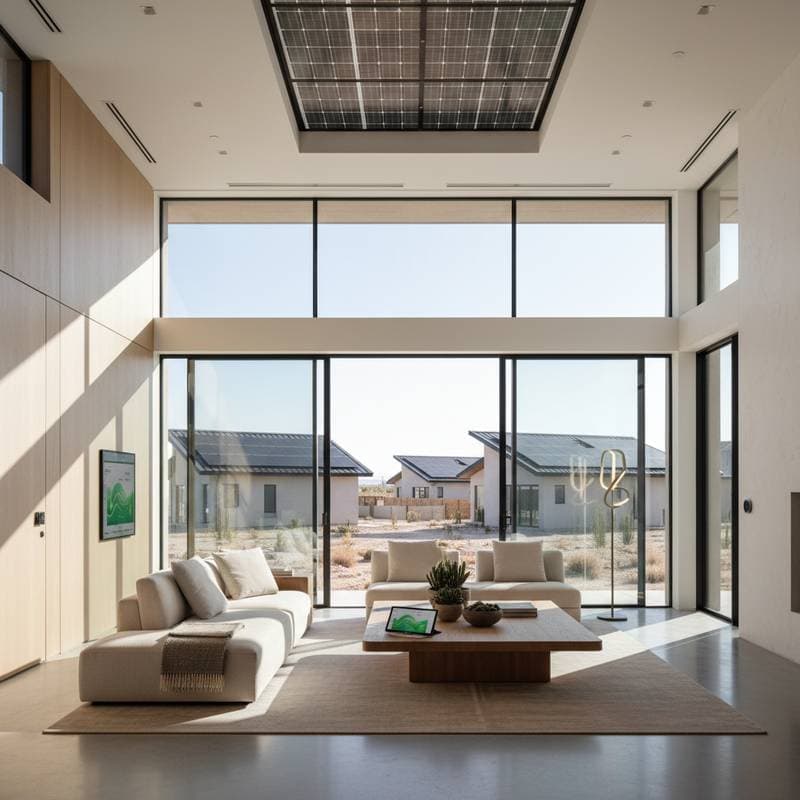
Modern solar panels evolve beyond utilitarian appearances to complement architectural styles. Architects position them to enhance aesthetics while optimizing performance. This shift elevates solar from an add-on to a design element.
Design strategies encompass:
- Flush-mounted panels that align with roof slopes for a streamlined profile.
- Color-matched options that blend with roofing materials, such as asphalt shingles or metal seams.
- Tile-integrated systems that mimic traditional roofing for historic or Mediterranean-inspired homes.
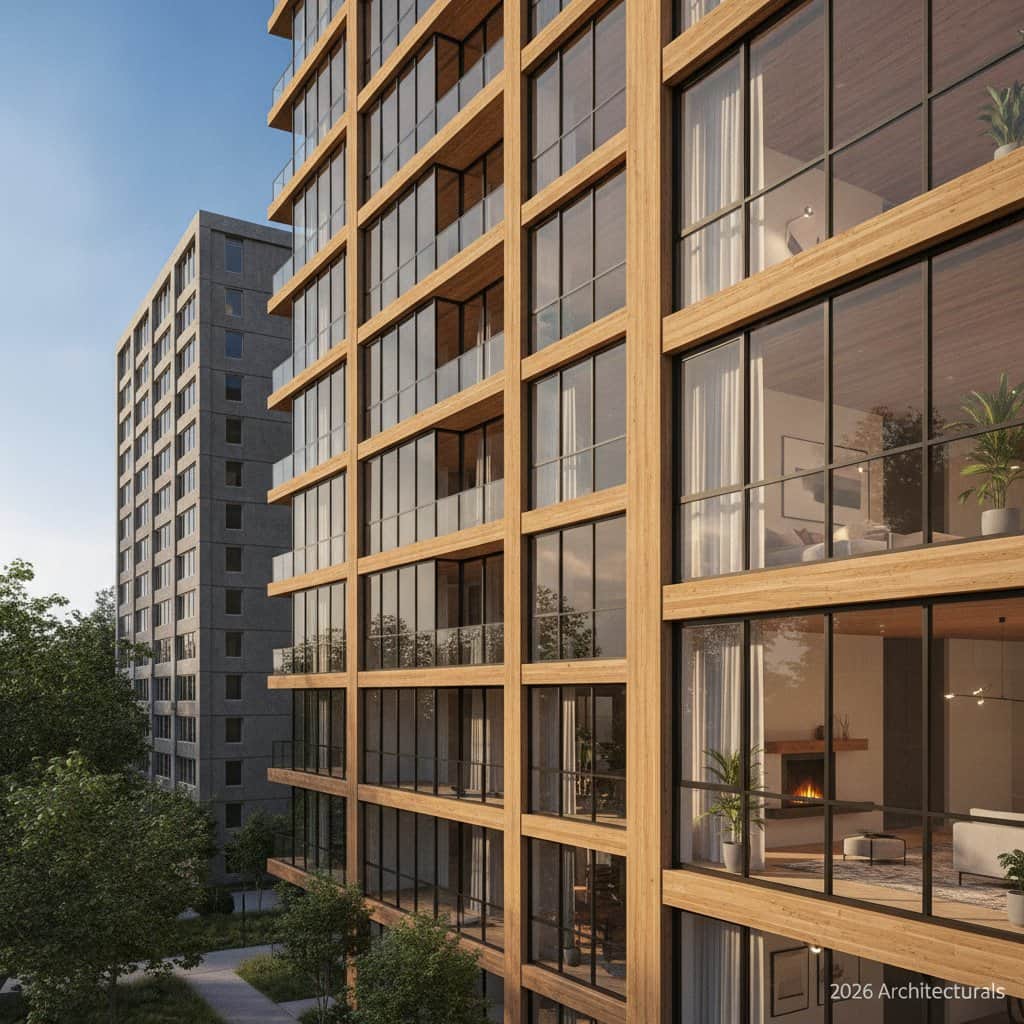
Pairing solar with exterior features like wood accents or stone facades creates cohesive visuals. Homeowners achieve both functionality and visual appeal, turning energy production into an architectural asset.
Assessing Costs, Savings, and Property Value
Mandatory solar installations prompt questions about financial impacts. Initial costs range from 15,000 to 25,000 dollars per home, depending on system size and location. However, these expenses integrate into construction budgets effectively.
Consider these factors:
- Initial Investment: Mortgage inclusion spreads costs, with payments often offset by energy savings within five years.
- Ongoing Savings: Annual utility reductions of 1,000 to 2,000 dollars, varying by sunlight exposure and usage.
- Resale Benefits: Solar homes command 3 to 4 percent higher sale prices and attract eco-conscious buyers.
- Maintenance Needs: Annual inspections and cleaning suffice, with warranties covering 25 years or more.
Beyond economics, solar provides energy security amid rising utility rates. Homeowners enjoy predictable expenses and environmental contributions.
Builder and Designer Adaptations
Construction professionals adjust workflows to accommodate mandates. Early-stage planning incorporates solar considerations, from site analysis to material selection. This proactive approach streamlines projects.
Adaptations include:
- Roof designs optimized for south-facing orientation and minimal shading from trees or structures.
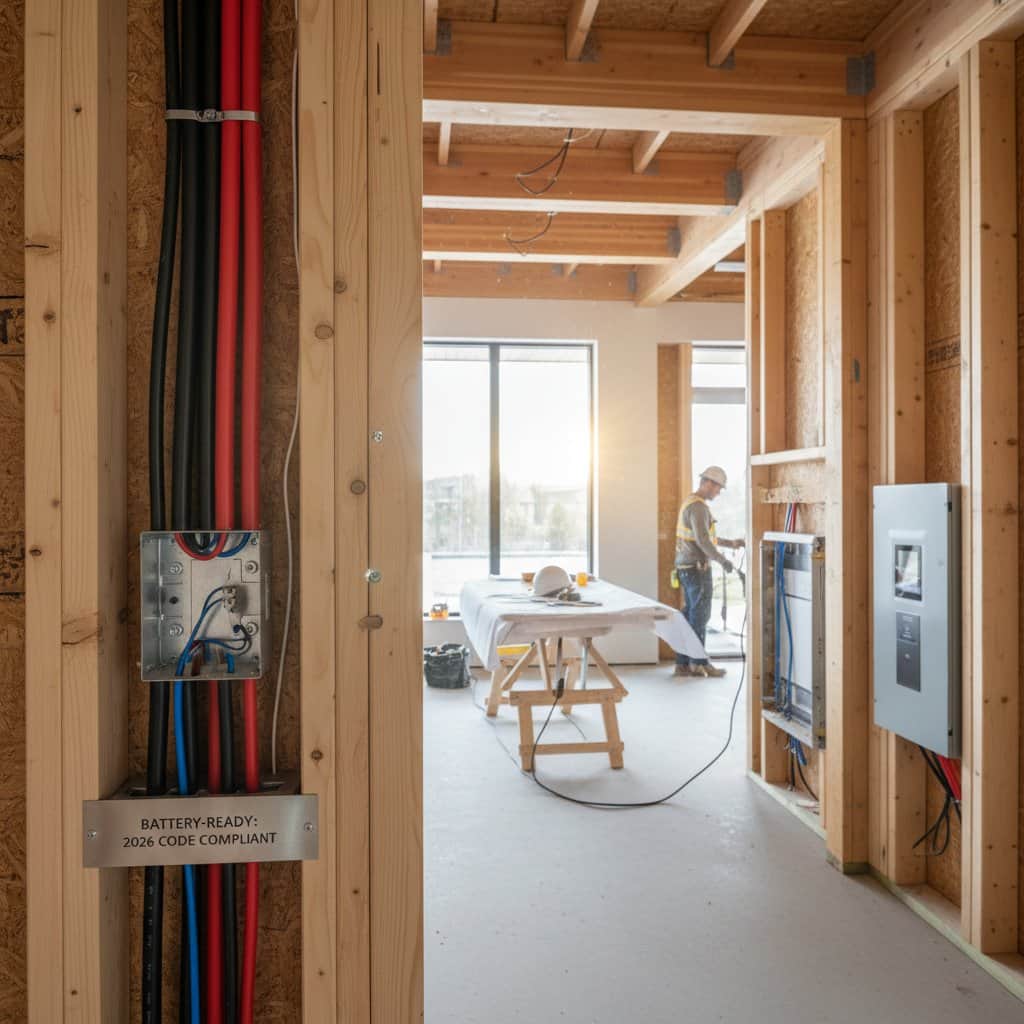
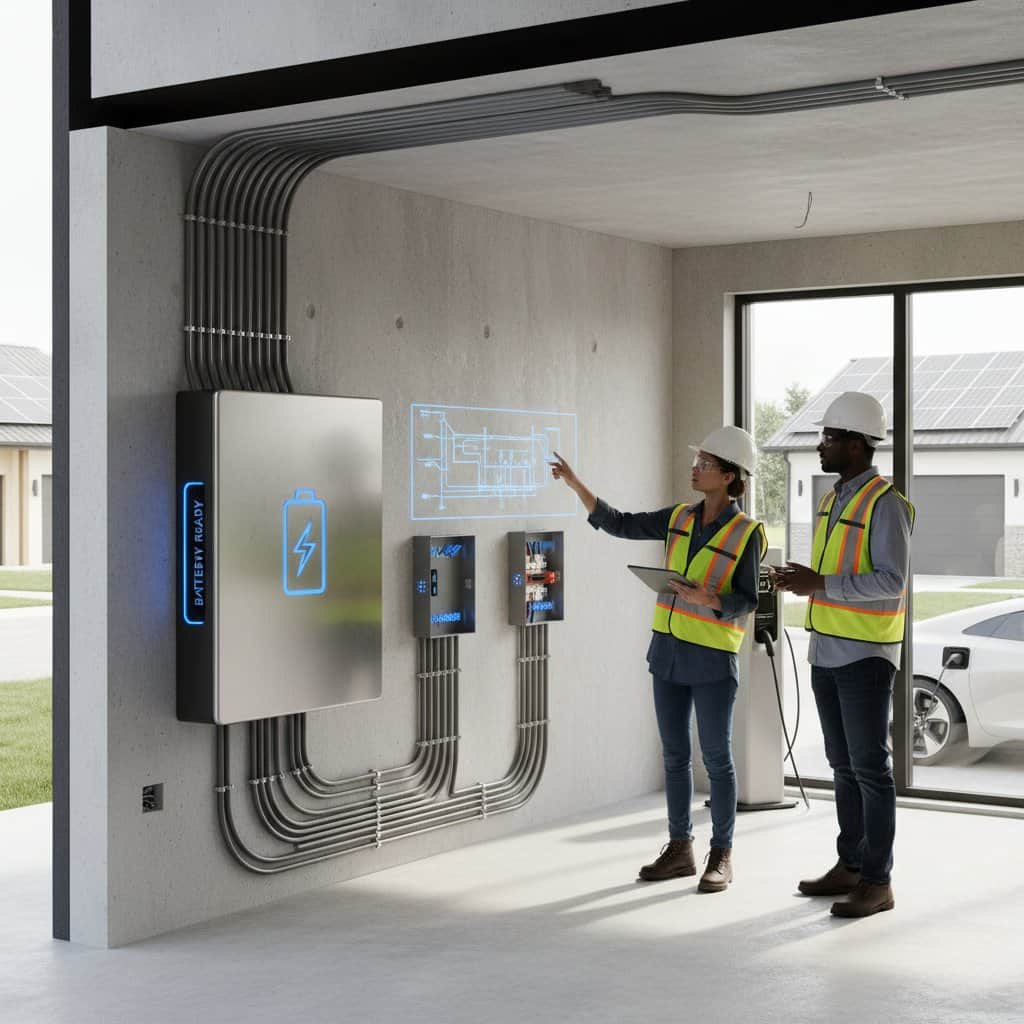
- Solar-ready preparations, such as reinforced rafters and pre-wired conduits, for future upgrades.
- Collaboration with interior specialists to select energy-efficient fixtures that complement solar output.
Designers emphasize passive features like strategic window placement for natural light. These elements reduce overall energy demands, maximizing solar efficiency.
Regional Variations in Solar Implementation
Mandates account for diverse climates, ensuring practical applications. Systems in arid regions prioritize heat dissipation, while those in temperate zones focus on snow resistance. Tailored designs enhance reliability.
Regional considerations involve:
- Coastal Areas: Use of corrosion-proof mounting hardware and elevated panels to withstand humidity.
- Cold Climates: Tilted arrays at 30 to 45 degrees to facilitate snow shedding and capture low-angle winter sun.
- Desert Environments: Ventilation gaps beneath panels to prevent overheating and maintain output.
These adjustments ensure solar systems perform optimally within local contexts. Builders select components suited to environmental challenges, preserving home integrity.
Options for Existing Homeowners
Owners of older homes can pursue solar retrofits through expanded state programs. Incentives include federal tax credits covering 30 percent of costs and state-specific rebates. These measures lower barriers to adoption.
Steps for retrofitting include:
- Professional assessments of roof condition and electrical capacity to determine feasibility.
- Phased installations starting with partial coverage to address immediate needs.
- Timing additions with renovations, such as roof replacements, to consolidate expenses.
Retrofitted systems deliver similar savings to new installations. Homeowners gain flexibility to scale up as budgets allow.
Daily Life with Integrated Solar
Solar panels integrate unobtrusively into routines, powering homes from dawn onward. Monitoring apps track production, revealing patterns tied to weather and usage. This visibility fosters mindful energy habits.
Residents notice subtle enhancements, from stable indoor temperatures to reduced reliance on grid power during peak hours. The system supports lifestyle choices, such as electric vehicle charging or home automation. Over time, solar cultivates a sense of self-sufficiency.
Preparing for Solar-Equipped Homes
Prospective buyers and builders in mandated states should initiate discussions early. Review site plans for optimal panel placement and inquire about system warranties. Explore financing to align with personal budgets.
Even in non-mandated areas, incorporating solar-ready features future-proofs properties. Consult certified professionals to evaluate options and incentives. This preparation positions homeowners for emerging standards and sustained benefits.