2026's Big Shift: Carbon-Neutral Concrete Standard
Imagine stepping into a new home where the floors feel solid, cool, and timeless underfoot. Concrete provides that strength as the backbone of structures worldwide. For decades, this material has supported living, working, and gathering spaces, yet it contributes significantly to global industrial carbon emissions. The arrival of the carbon-neutral concrete standard in 2026 marks a transformative change, enabling builders, designers, and manufacturers to prioritize sustainable practices without sacrificing performance.
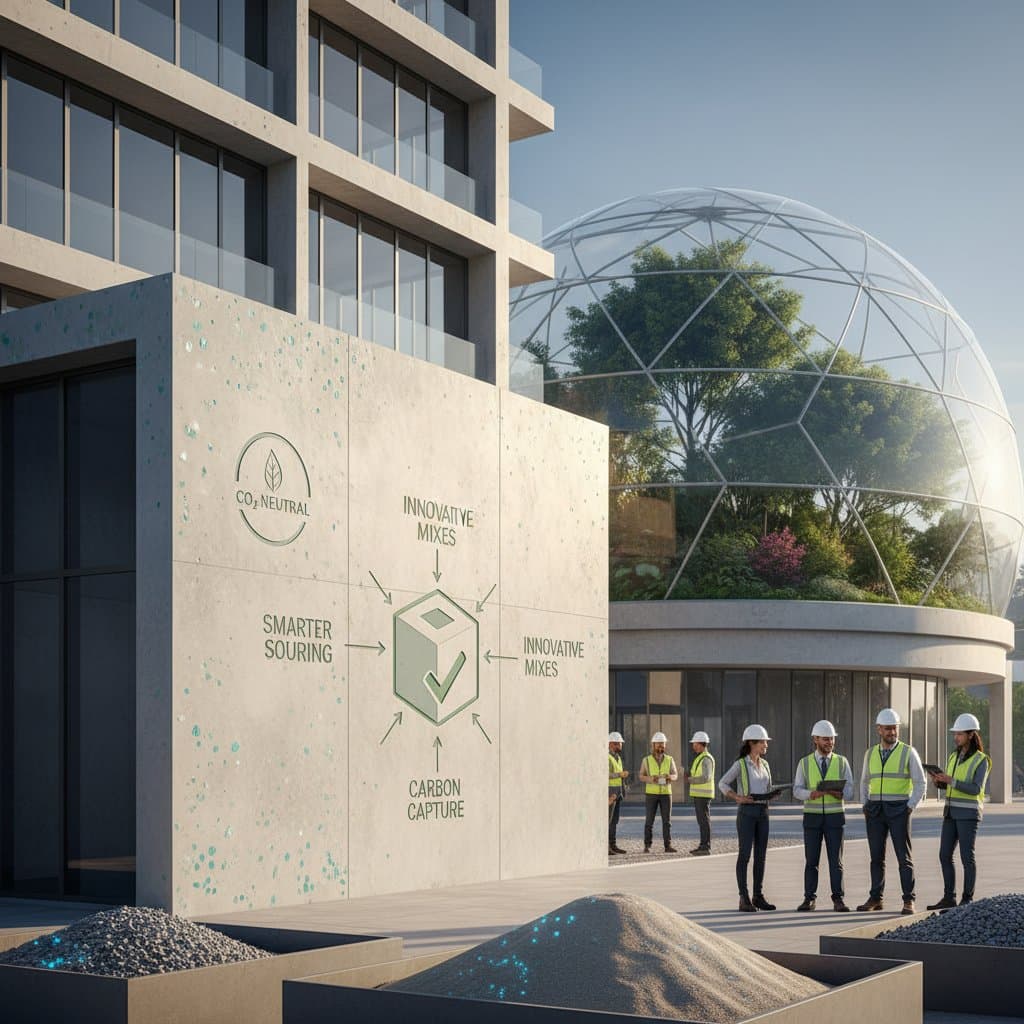
This standard redefines concrete production, usage, and recycling to minimize environmental impact. It integrates innovative sourcing, advanced mixes, and carbon capture techniques. As a result, every wall, patio, or foundation can achieve durability alongside a reduced carbon footprint.
Why Concrete Requires This Evolution
Concrete permeates modern infrastructure, which amplifies its environmental challenges. Traditional production emits substantial carbon dioxide, primarily during cement manufacturing. Cement binds aggregates like sand and gravel with water, but its creation involves heating limestone to extreme temperatures in energy-intensive kilns.
Global construction scales this process exponentially. Even small projects, such as backyard enhancements, highlight the volume involved. Professionals and homeowners seek alternatives that preserve concrete's reliability while addressing its carbon burden.
Defining Carbon-Neutral Concrete
Carbon-neutral concrete aims to offset or eliminate emissions associated with its full lifecycle, from sourcing to disposal. The 2026 standard establishes benchmarks for material selection, production, and end-of-life management. It requires verifiable reductions in manufacturing emissions and compensation for residuals through certified programs.
Achieving this involves multiple strategies. Producers substitute portions of cement with industrial by-products such as fly ash from power plants, slag from steel production, or calcined clay. These replacements lower emissions and repurpose waste. Advanced methods include capturing carbon dioxide during production and incorporating it into the mix for permanent sequestration.
A driveway poured with this concrete not only endures but also advances broader goals in design, science, and environmental stewardship.
Adaptation Strategies for Builders
Construction professionals integrate carbon-neutral concrete with minimal disruption to workflows. One builder noted that the primary adjustment involves a mindset shift toward sustainability, rather than overhauling techniques. Mixes perform similarly to conventional ones, though some cure more rapidly or demand precise timing.
Builders implement the following practices:
- Source materials strategically. Collaborate with suppliers adhering to the standard. Regional sourcing reduces transport emissions and bolsters local economies.
- Conduct trial applications. Perform test pours to evaluate mix behavior under site-specific conditions.
- Enhance training protocols. Instruct teams on monitoring moisture and temperature variations during curing to optimize results.
- Document environmental metrics. Record emissions data for stakeholders, demonstrating tangible sustainability gains.
Opportunities for Homeowners
Renovation or new construction projects benefit from carbon-neutral concrete's versatility. It suits driveways, patios, countertops, and foundations, matching traditional aesthetics and feel. Enhanced formulations often improve longevity through refined compositions.
Consider a patio using recycled aggregates and low-carbon cement alternatives. The outcome yields a modern, light-reflecting gray surface that cleans easily with vinegar solutions for stains. This choice aligns personal spaces with global responsibility.
Navigating Costs Effectively
Pricing for carbon-neutral concrete fluctuates based on regional availability and project scale. It typically carries a five to fifteen percent premium over standard mixes, a gap narrowing with wider adoption. Long-term advantages, including reduced upkeep and superior durability, justify the investment.
To control expenses:
- Incorporate planning phases. Consult contractors on sustainable choices during initial design to allow efficient sourcing.
- Blend elements creatively. Pair carbon-neutral concrete with reclaimed pavers or natural stone for cost-effective, visually dynamic results.
- Engage local providers. Bulk orders from regional suppliers often secure favorable rates for low-carbon options.
Integrating Lighting and Design Elements
Carbon-neutral concrete influences aesthetic decisions alongside functionality. Darker hues like charcoal or slate create grounded, luxurious atmospheres, while lighter tones enhance light reflection and thermal comfort. For outdoor features such as patios, evaluate how surface properties interact with ambient conditions.
A dark slate finish in a shaded area may highlight seasonal debris like pollen. Mitigate this with matte sealants and subtle uplighting to preserve elegance. These materials expand design possibilities, harmonizing form and function.
Broader Environmental and Health Impacts
Beyond emission reductions, carbon-neutral concrete conserves resources by minimizing virgin material extraction and water consumption. Formulations incorporate recycled glass or demolition debris, extending material lifecycles.
Health improvements arise from cleaner production processes. Reduced dust generation enhances site safety. In interior uses like polished floors, low-carbon mixes lower volatile emissions, fostering better indoor air quality.
Identifying Local Suppliers and Resources
Suppliers nationwide are aligning with the standard to meet growing demand. Seek producers providing environmental product declarations that detail mix carbon footprints. Hardware retailers now offer bagged low-carbon variants for DIY tasks.
Coastal regions feature marine-grade options resistant to saltwater. Inland areas emphasize high-strength blends for structural applications. Consult directories or trade associations for verified partners.
Essential Installation Guidance
For self-directed or small-team installations, adopt these habits:
- Select appropriate tools. Thicker consistencies benefit from robust mixers and spotless equipment to ensure uniformity.
- Account for environmental factors. Cure in moderate temperatures and humidity to avoid defects.
- Apply protective sealers judiciously. Choose permeable options that shield without retaining moisture, prolonging surface integrity.
- Maintain detailed logs. Record supplier details, mix specifications, and curing durations for future reference.
Sustaining Your Concrete Installation
Completed projects with carbon-neutral concrete deliver familiar tactile experiences enriched by sustainability. Routine care involves regular sweeping, mild soap mopping, and periodic resealing. In cold climates, opt for non-corrosive deicers to safeguard against freeze-thaw damage.
This evolution reimagines concrete as a symbol of enduring strength paired with planetary stewardship. Homeowners contribute to resilience through informed choices.
Steps to Adopt Carbon-Neutral Concrete
Transitioning requires proactive steps. Research certified suppliers in your area and review project specifications for compatibility. Collaborate with experienced contractors to integrate these materials seamlessly. By 2026, this standard will empower sustainable builds, ensuring structures that last without compromising the environment.