#codes

Articles tagged with codes

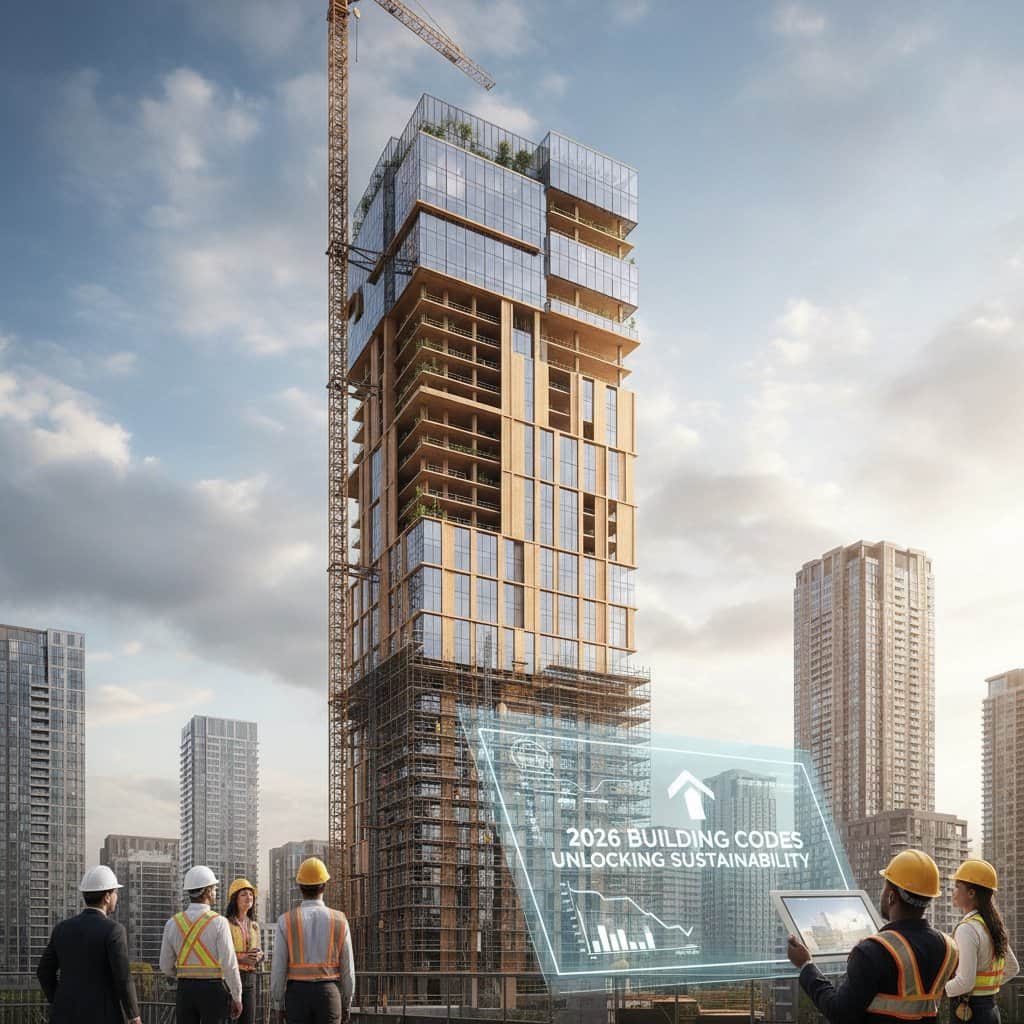
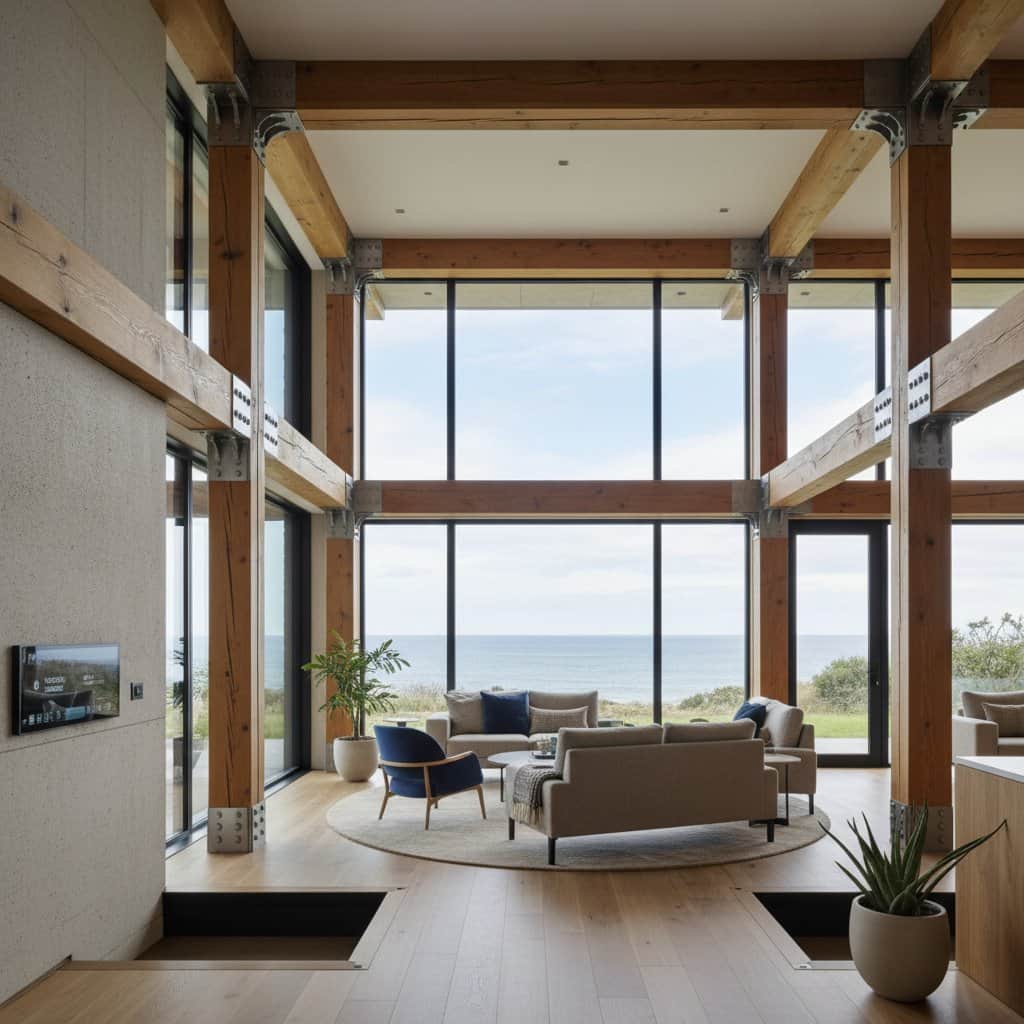
Featured image for Mass Timber Codes Unlock Taller Wood Buildings in 2026

Mass Timber Codes Unlock Taller Wood Buildings in 2026

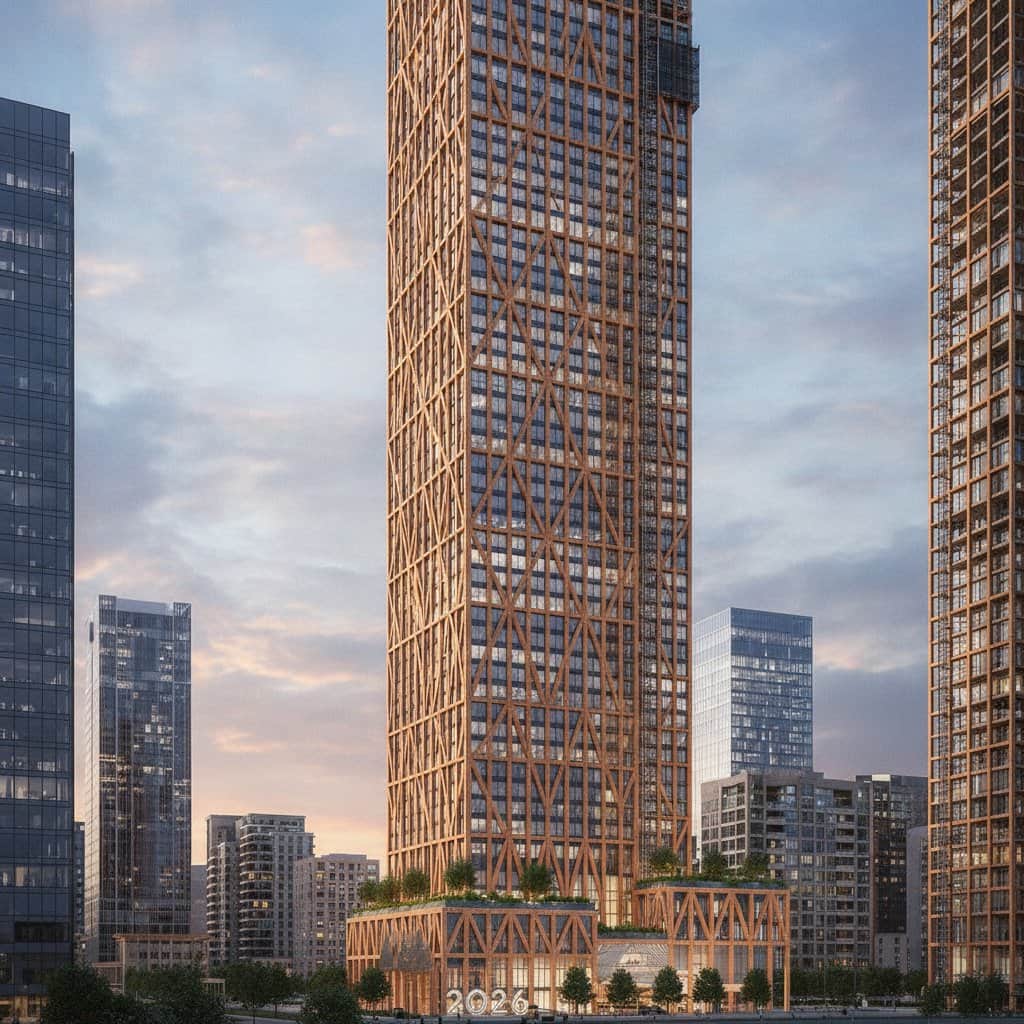
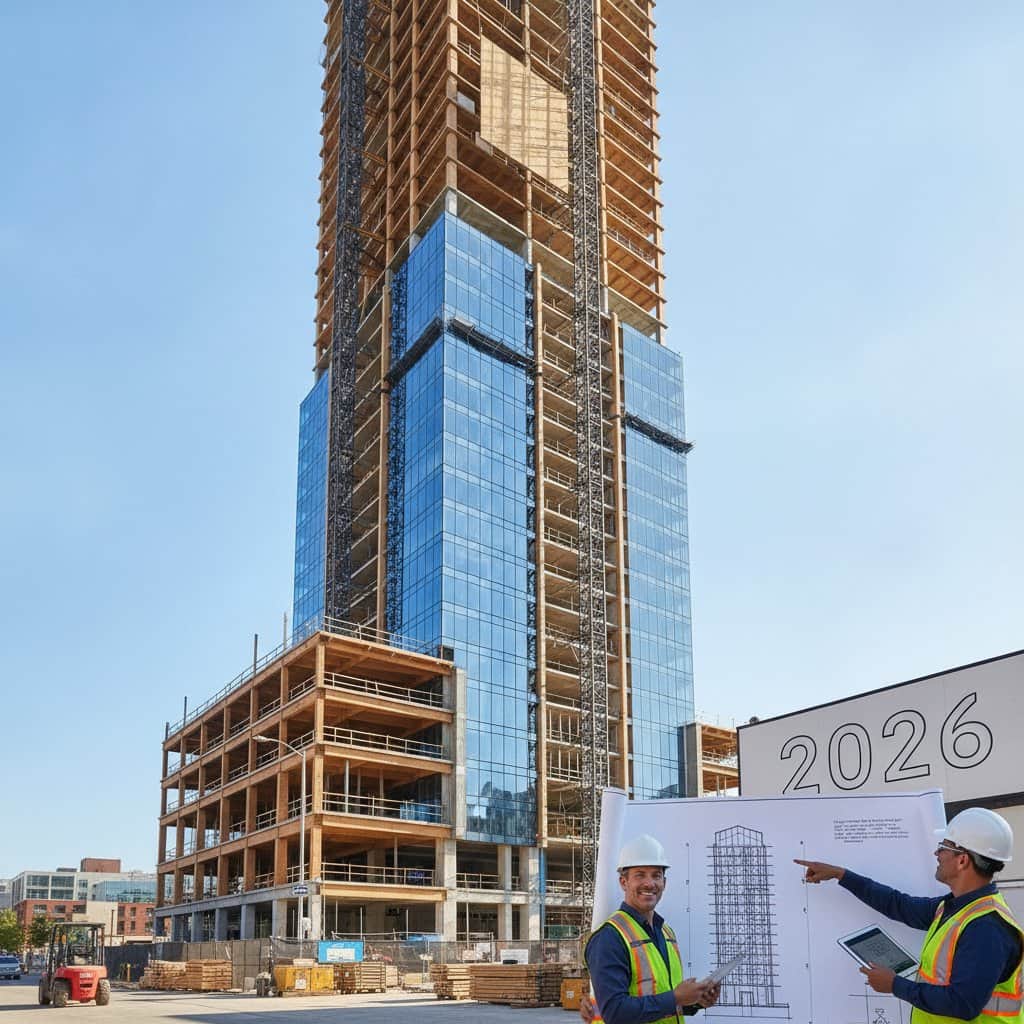
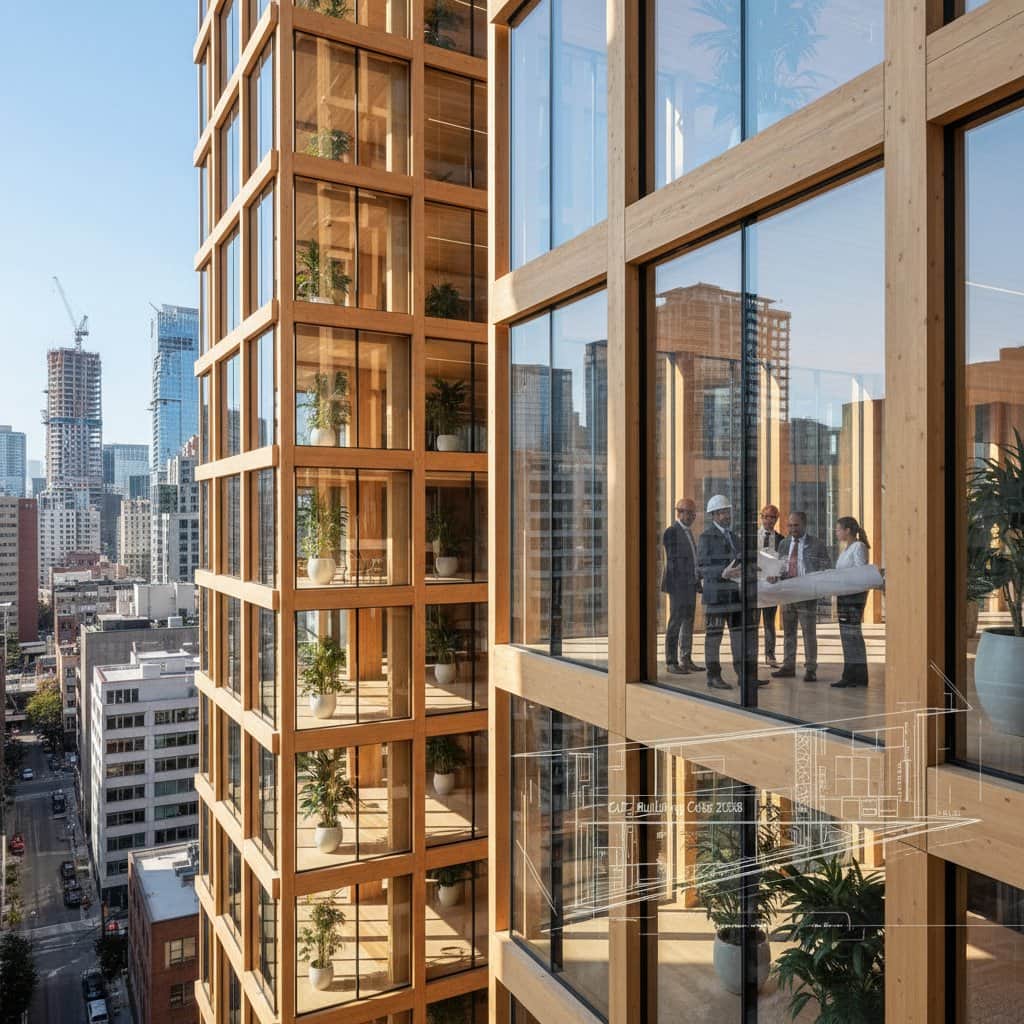
Building codes set for 2026 will elevate mass timber construction, permitting taller structures that prioritize sustainability and efficiency. Cross-laminated timber demonstrates exceptional strength and environmental benefits, transforming urban development. Gain insights into these regulations, practical design strategies, and project examples to guide your wood-based builds.

5 min read
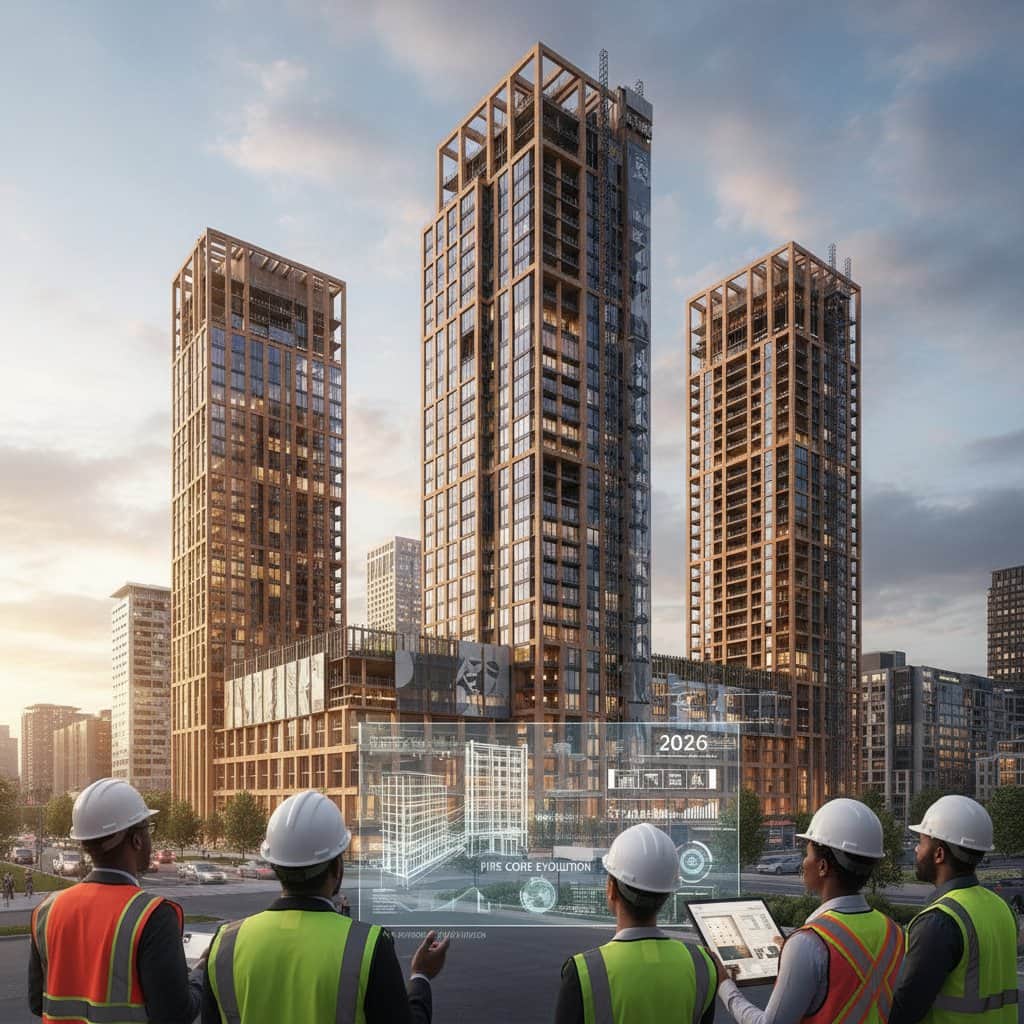
Featured image for Mass Timber Now Approved for 18-Story Buildings

Mass Timber Now Approved for 18-Story Buildings

Building codes now permit mass timber high-rises reaching 18 stories, transforming tall construction through superior strength, sustainability, and efficiency. This innovation provides builders with lighter materials, reduced assembly times, and minimized carbon emissions. While hurdles such as fire safety validation and material supply remain, this advancement heralds a more sustainable and inviting era for city landscapes.

5 min read
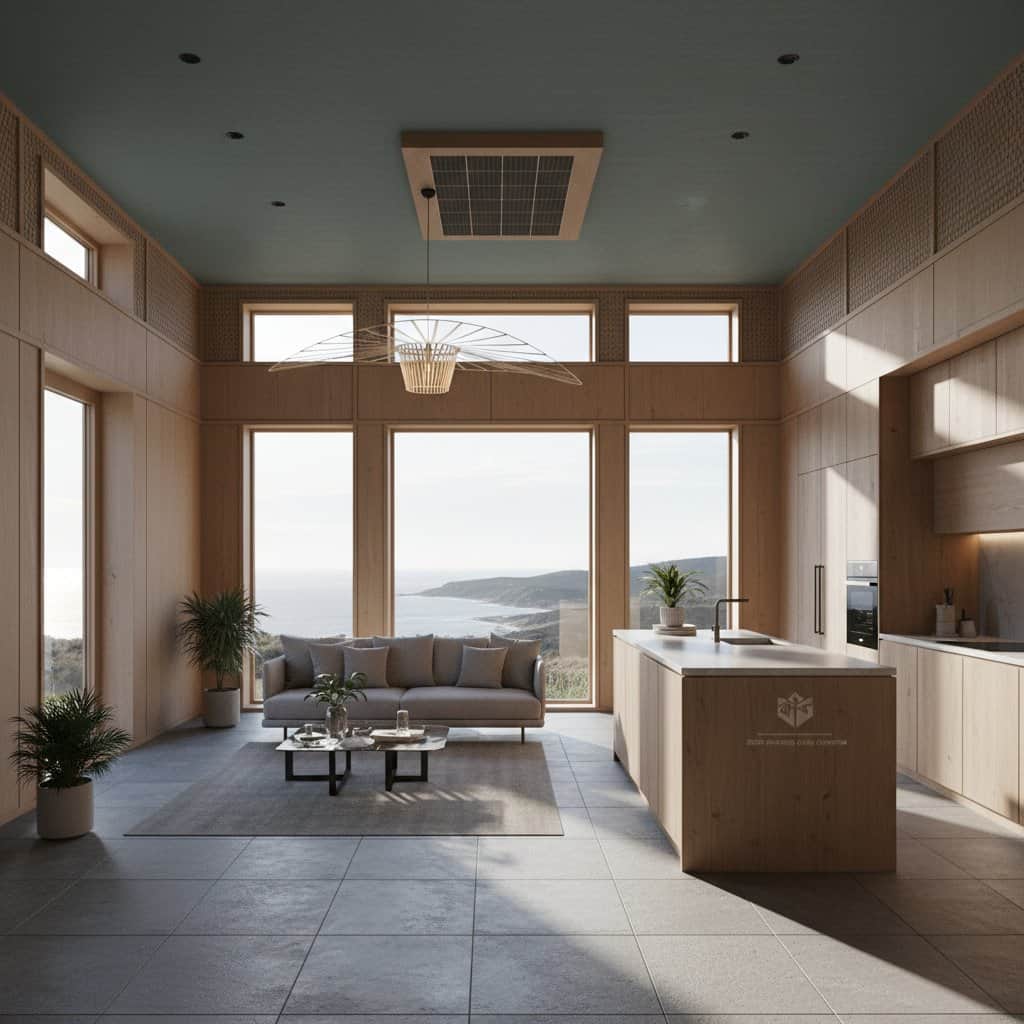
Featured image for Mass Timber Brings Natural Warmth to City Mid-Rises

Mass Timber Brings Natural Warmth to City Mid-Rises

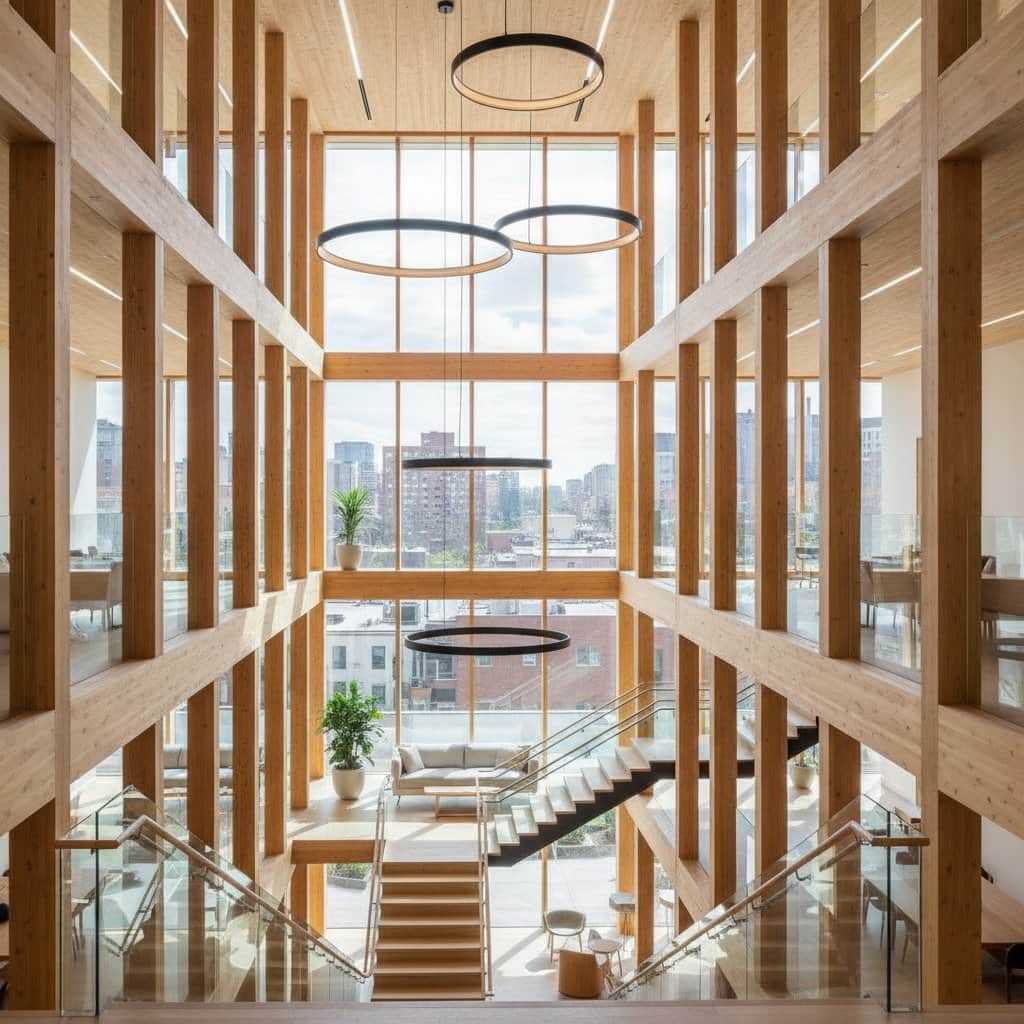
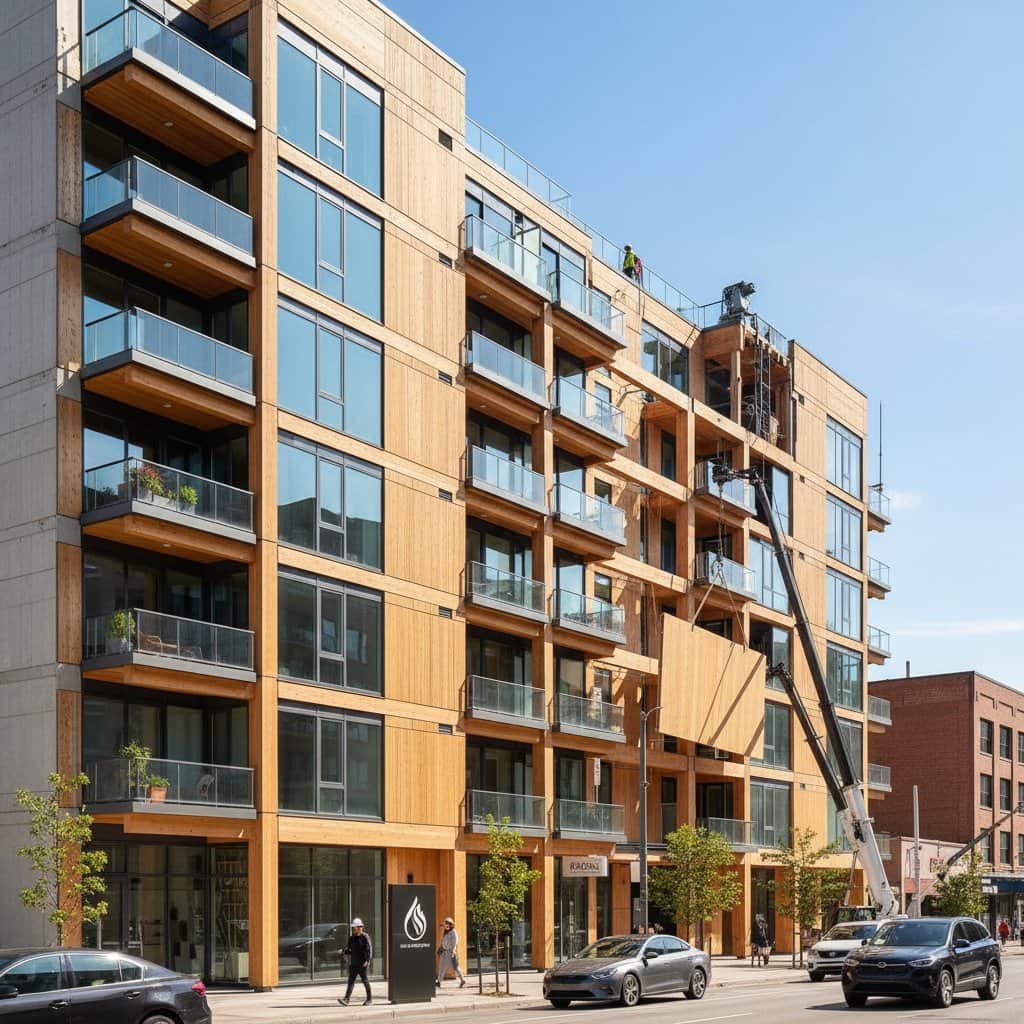
Recent building code updates permit five-story mass timber mid-rises, integrating sustainable practices with the inherent warmth of wood. Engineered materials such as cross-laminated timber and glulam lower carbon emissions, accelerate building timelines, and foster serene, nature-inspired environments. Urban areas benefit from increased density and visual appeal, demonstrating that contemporary development can remain connected to natural elements.

6 min read
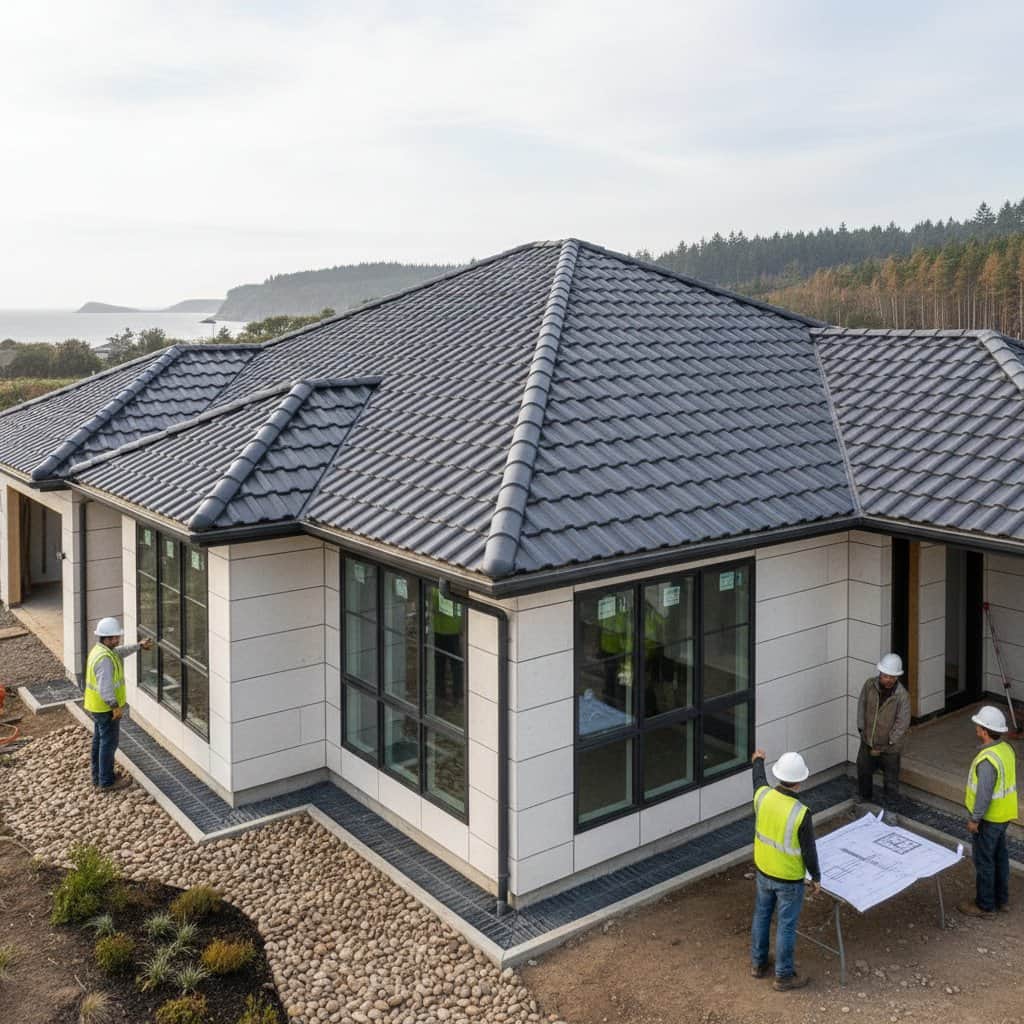
Featured image for 12 States Now Require Fire-Resistant Siding for New Homes

12 States Now Require Fire-Resistant Siding for New Homes

Twelve states mandate fire-resistant siding for new residential construction beginning in 2025, favoring materials such as fiber cement, metal, and treated wood. These choices not only mitigate wildfire risks but also yield insurance discounts, elevate property values, and preserve aesthetic appeal, positioning them as a prudent investment for homeowners.

4 min read
Featured image for Mass Timber Reaches New Heights as 15 States Ease Fire Rules

Mass Timber Reaches New Heights as 15 States Ease Fire Rules

Regulatory updates in 15 states now permit taller mass timber buildings, driving innovation in sustainable architecture. Cross-laminated timber (CLT) delivers structural integrity, environmental benefits, and aesthetic appeal. This shift influences construction timelines, costs, and community development, opening doors for residential and commercial projects alike.

5 min read
Featured image for Fireproof Cladding Now Required in Wildfire Zones

Fireproof Cladding Now Required in Wildfire Zones

With escalating wildfire threats, updated regulations now mandate fireproof cladding in vulnerable areas. Materials such as fiber cement, metal panels, and stucco provide robust protection while preserving architectural beauty. Strategic selection and upkeep ensure compliance, lower long-term expenses, and safeguard properties effectively.

5 min read
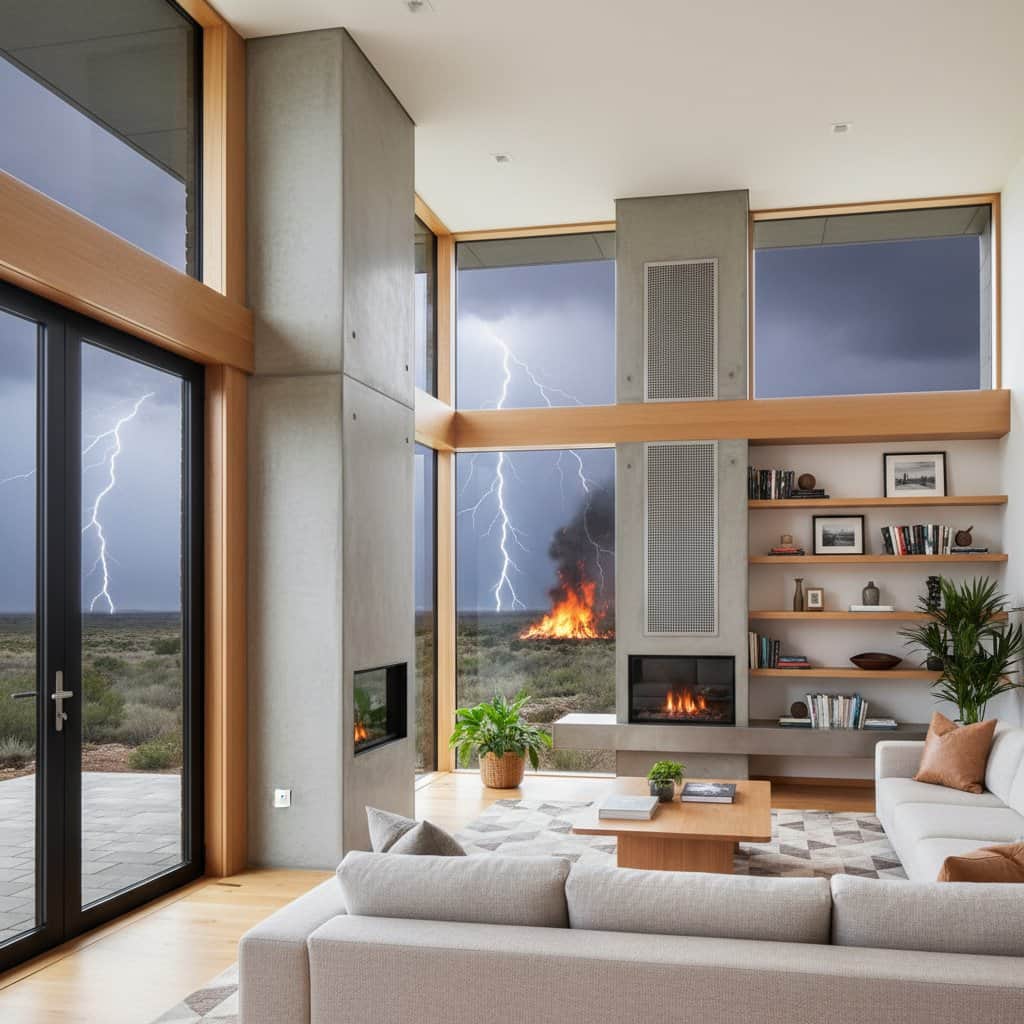
Featured image for New Building Codes Are Making Homes Storm-Ready

New Building Codes Are Making Homes Storm-Ready

The 2025 building codes transform home construction by prioritizing fire-resistant materials, fortified frameworks, and intelligent landscaping. These standards not only safeguard against hurricanes and wildfires but also improve energy efficiency, aesthetic appeal, and long-term value for homeowners in a changing climate.

3 min read
Featured image for Fireproof Cladding Rules That Protect Wildfire Homes

Fireproof Cladding Rules That Protect Wildfire Homes

The 2025 fireproof cladding mandates introduce stricter standards for homes in wildfire zones, emphasizing materials that resist ignition and ember spread. Options such as fiber cement, fire-treated timber, and metal panels combine enhanced protection with aesthetic appeal. Initial costs may increase, yet the advantages in durability, reduced insurance rates, and innovative design position these solutions as a worthwhile investment for resilience.

4 min read