The Rise of Builder-Backed 2% Mortgage Buydowns
Walking through a model home brings excitement about the possibilities ahead. The finishes stand out and the layout feels right. Then the estimated monthly payment brings hesitation for many buyers. Builder programs that offer 2 percent mortgage buydowns address this challenge directly by lowering early payments on new homes.
How a 2% Buydown Functions
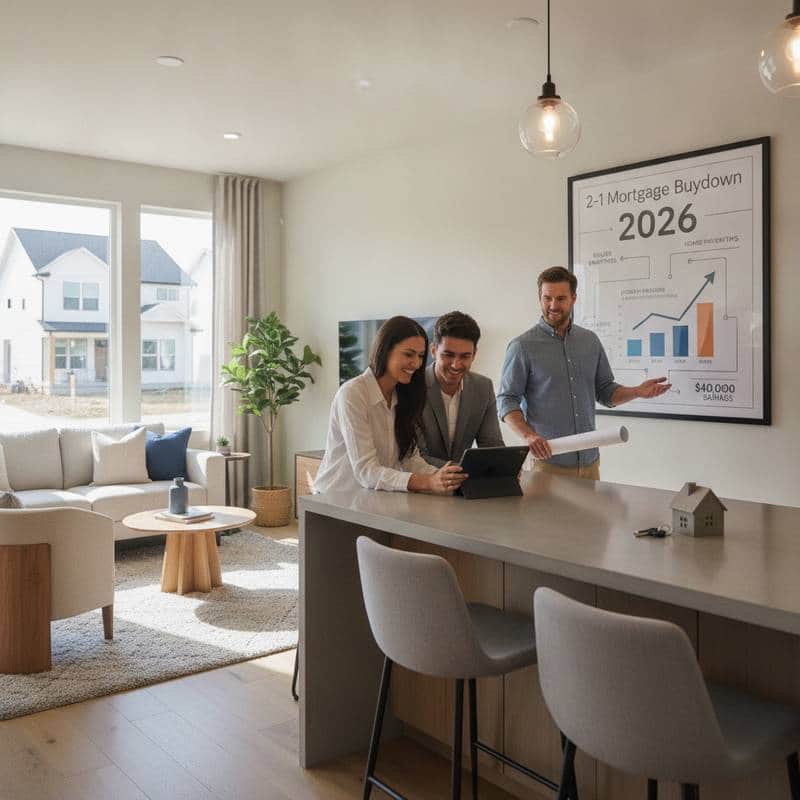
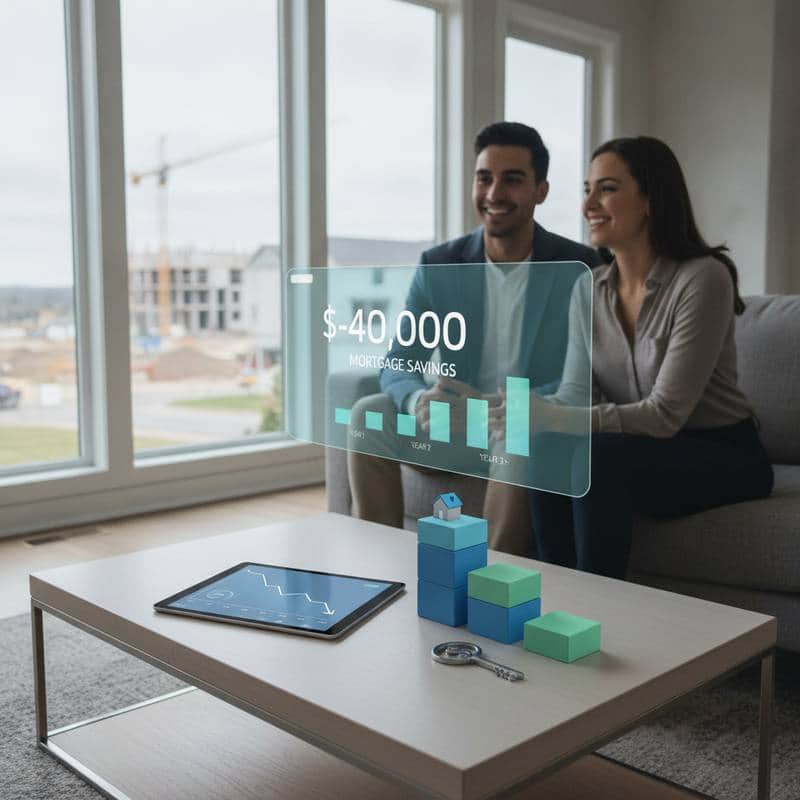
A 2 percent mortgage buydown reduces the interest rate by two points during the first year. The rate rises by one point in the second year before reaching the note rate in the third year. When the permanent rate stands at 6 percent, the buyer pays 4 percent initially, then 5 percent, and finally 6 percent thereafter. Builders fund the difference at closing as part of the sales package.
This approach provides a predictable schedule rather than a temporary trick. It allows buyers to qualify more easily and to manage cash flow while they settle into ownership.
Reasons Builders Offer These Programs
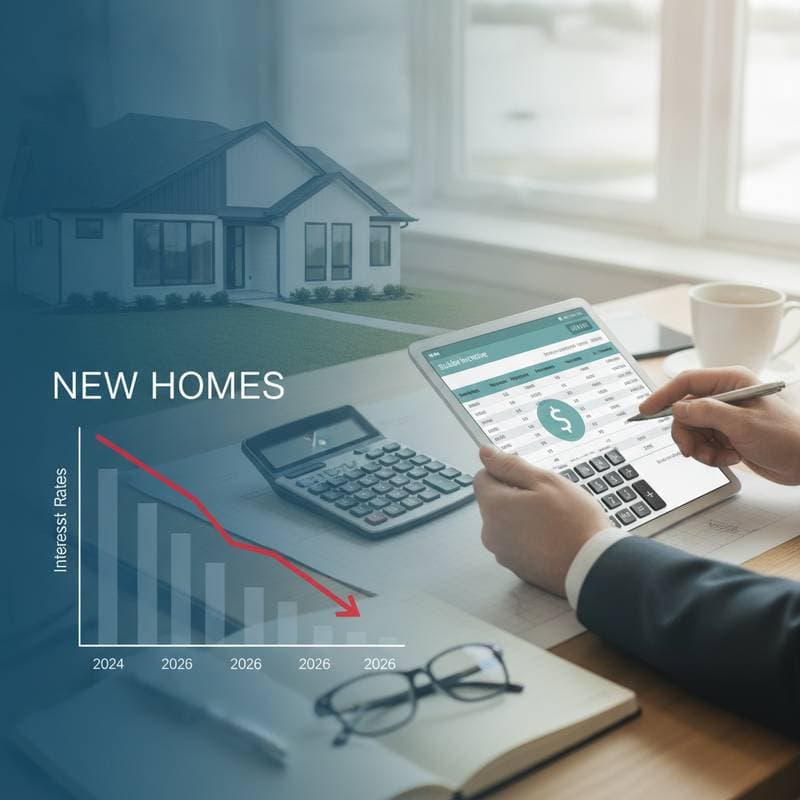
Higher mortgage rates have increased buyer caution across many markets. Builders respond by funding temporary rate reductions that keep monthly costs manageable in the early years. The contribution typically appears as a closing credit paid to the lender.
Preferred lender partnerships make the process straightforward. Buyers receive clear payment schedules and can focus on the move rather than immediate budget strain.
Typical Program Structure
Most 2 percent buydowns follow a standard sequence:
- The builder deposits funds with the lender at closing.
- The reduced rate applies for the first year or two as specified.
- Payments adjust upward to the full note rate by year three.
- Refinancing remains available if rates decline later.
The lower starting payment eases the transition and gives households time to adjust before the increase occurs.
Advantages and Tradeoffs to Consider
Buyers should weigh both sides of the arrangement.
Advantages
- Reduced payments in the first two years improve cash flow.
- No additional buyer cash is required beyond standard closing costs.
- The builder incentive supports qualification without permanent rate changes.
Tradeoffs
- Payments increase after the buydown period ends.
- The same dollars could alternatively fund upgrades or permanent closing cost help.
- Short-term ownership limits the overall value received.
Reviewing year-by-year projections with a lender clarifies whether the schedule aligns with household plans.
Cost Expectations and Local Factors
A 2 percent buydown generally equals 2 to 3 percent of the loan amount. Builders absorb this cost within their marketing budget rather than passing it to the buyer. In competitive markets these offers often appear alongside design allowances or closing cost credits.
Local lenders familiar with each builder can supply exact payment illustrations. Meeting with both the sales team and the loan officer produces accurate month-by-month figures for comparison.
Steps Before Accepting a Buydown Offer
Confirm several details before proceeding:
- Verify that the builder alone funds the buydown.
- Calculate the payment amount after the temporary period.
- Compare the buydown against a permanent rate reduction option.
- Read all program documents for prepayment or refinance terms.
- Request local market data from the preferred lender.
These checks help determine whether the program supports long-term ownership goals.
Next Steps for Interested Buyers
New-home shoppers benefit from discussing current buydown options with each builder under consideration. Running personalized numbers with the preferred lender reveals the actual impact on monthly cash flow and future flexibility.