Why Climate-Resilient Materials Are Booming in 2026
Climate-resilient materials now address the growing demands of extreme weather on residential structures. Homeowners and builders select these options to enhance durability while maintaining energy performance and visual appeal. The approach shifts focus from repairs after damage to prevention through material selection.
Rising Weather Challenges for Homes
Hotter summers, heavier rainfall, and stronger winds accelerate wear on conventional building components. Paint surfaces degrade more rapidly. Wood elements swell or crack under repeated moisture exposure. Roofs reach the end of their service life sooner than expected in moderate climates.
These conditions increase maintenance frequency and energy consumption. They also create uncertainty about structural performance during severe events. Builders report that client inquiries now emphasize long-term protection over temporary solutions.
Core Principles of Climate-Resilient Construction
Effective materials manage temperature fluctuations, moisture, and wind loads without compromising appearance. The goal centers on performance that integrates with standard design preferences rather than specialized fortification.
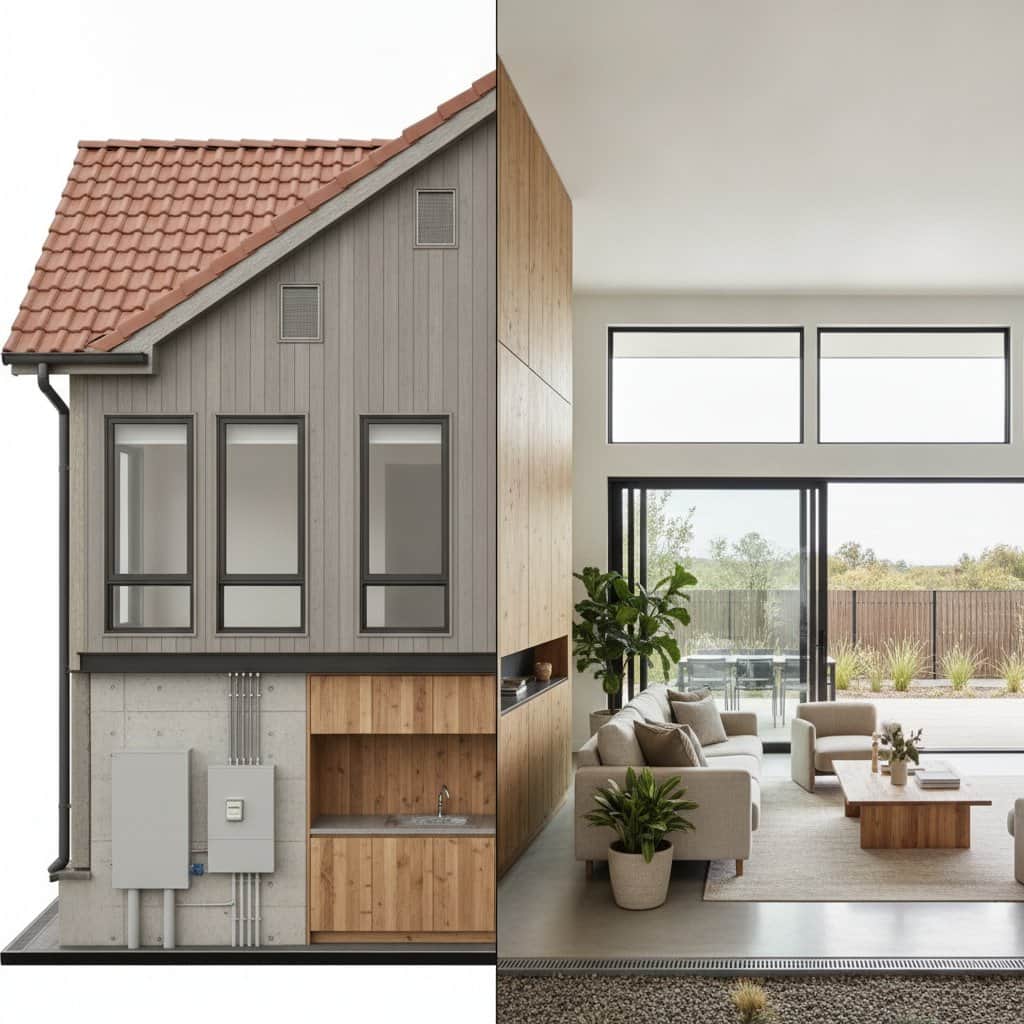
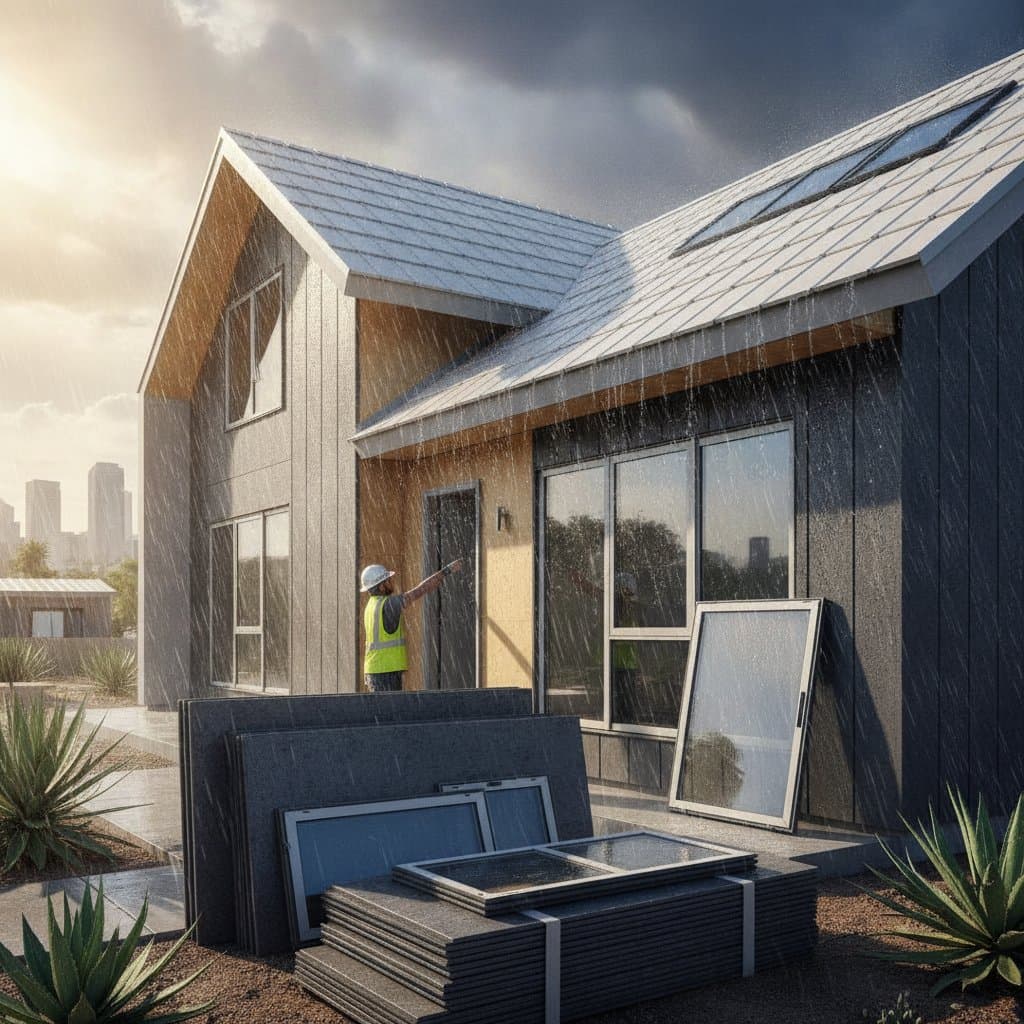
Examples include fiber cement siding that replicates wood grain while resisting moisture and insect damage. Reflective roofing surfaces reduce attic temperatures and associated cooling loads. These selections have moved from premium upgrades to standard recommendations in many regions.
Key Material Categories
Several product types demonstrate consistent advantages across varied climates:
-
Composite Roofing and Siding
Blends of recycled plastics, wood fibers, and resins resist warping, cracking, and color fading under intense heat or storm exposure. -
High-Performance Concrete
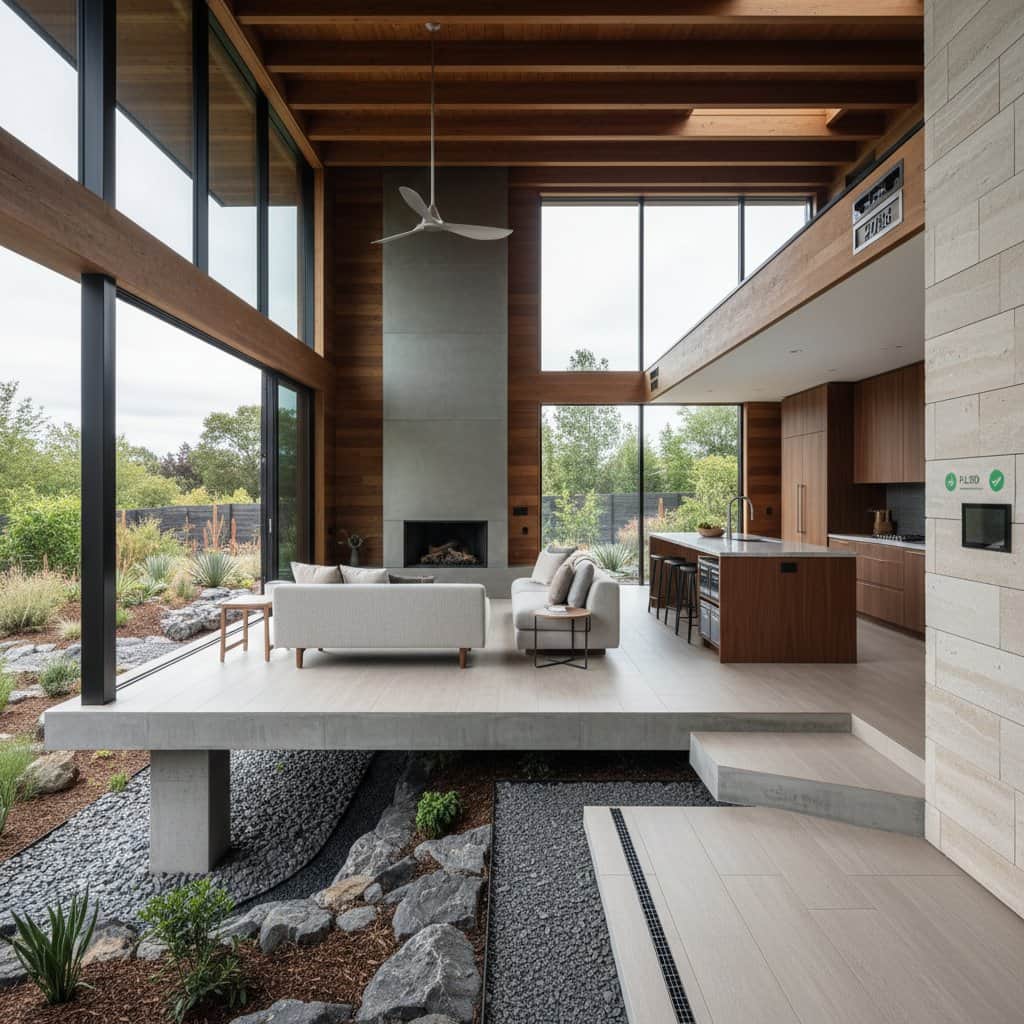
Fiber-reinforced mixes improve flexibility and limit cracking during freeze-thaw cycles or coastal salt exposure. -
Reflective Roofing Systems
Light-colored metal panels or coated shingles deflect solar radiation, lowering interior temperatures and wind-uplift risks. -
Moisture-Resistant Insulation
Closed-cell foam and mineral wool products limit water absorption and mold development while improving air sealing. -
Impact-Resistant Windows and Doors
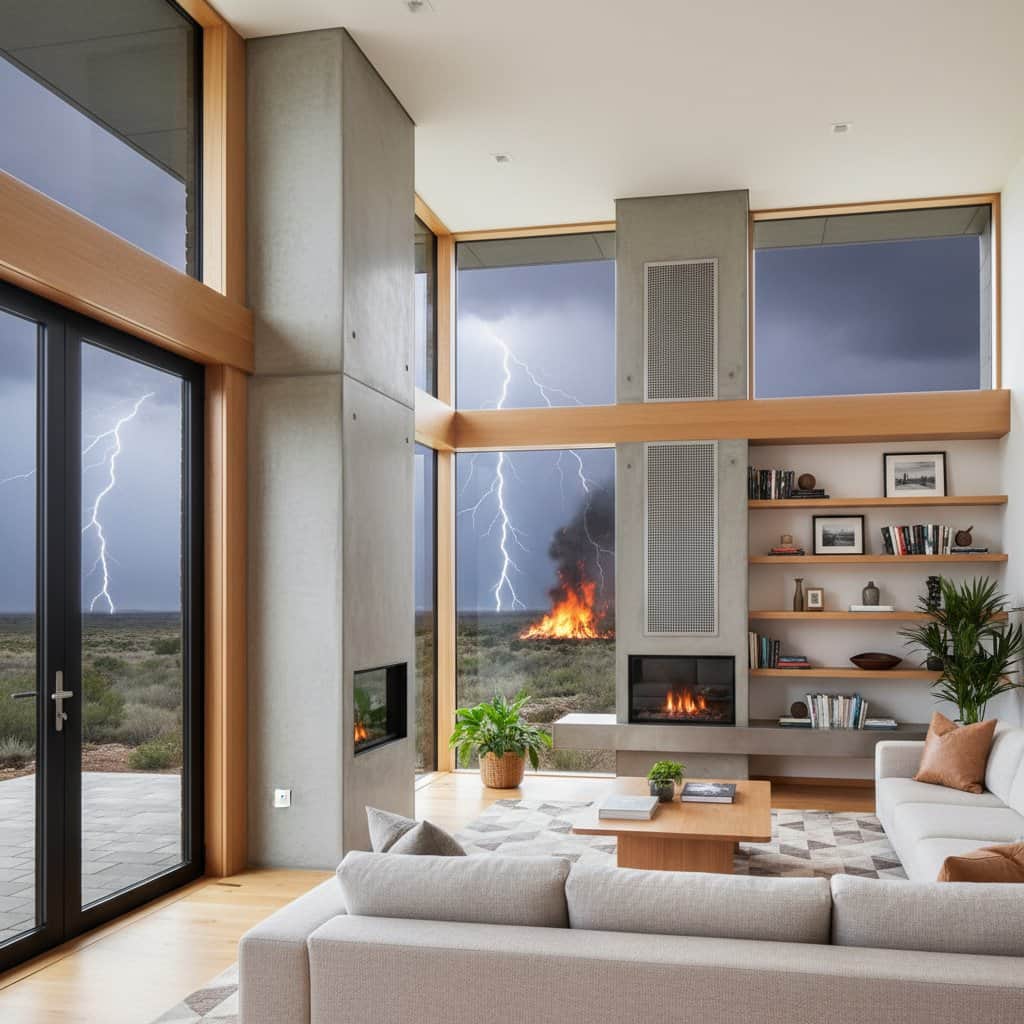
Laminated glazing and reinforced frames protect against debris impact and enhance year-round thermal performance.
Selection Process for Specific Sites
Begin by identifying primary regional risks such as hurricane exposure, heavy precipitation, or wide temperature swings. Local building departments and insurers maintain data on historical weather patterns that inform material choices.
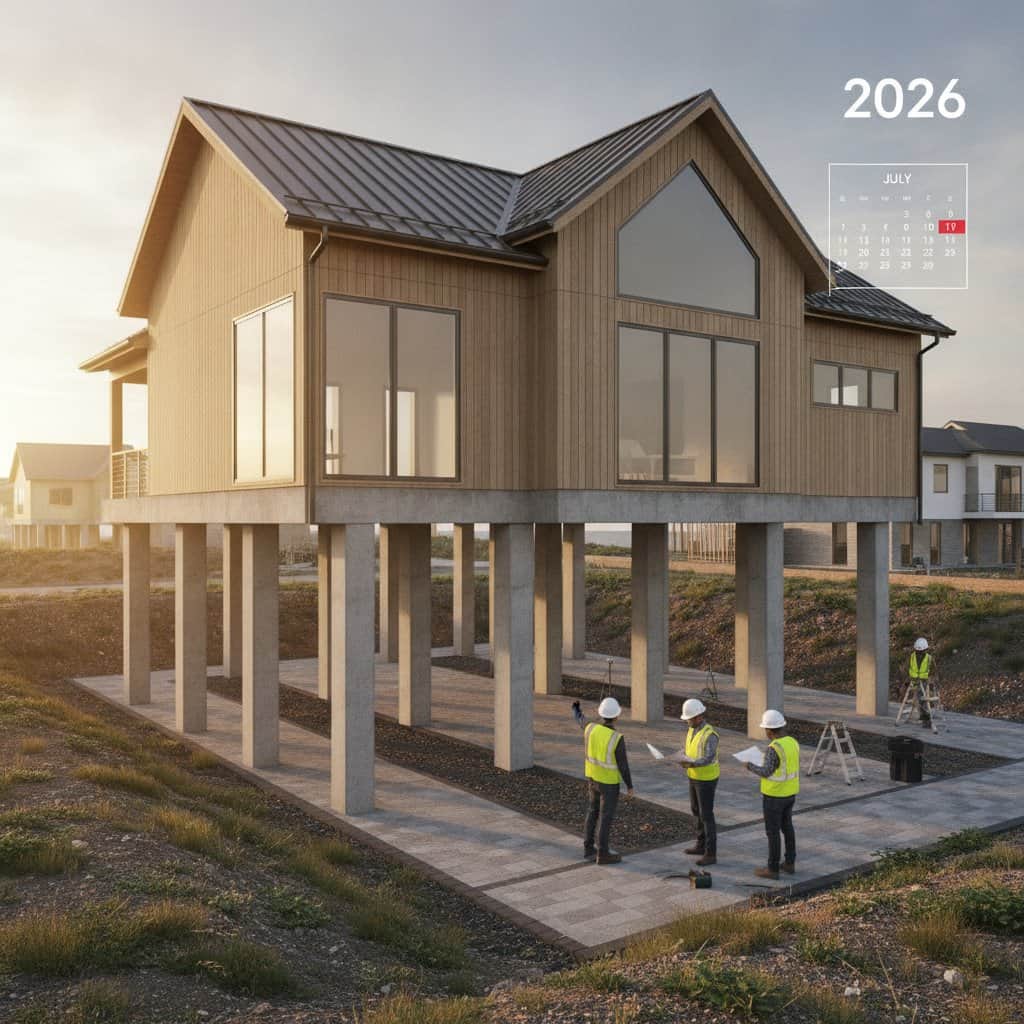
Prioritize the building envelope first. Roofing, siding, and foundation elements provide the initial defense for interior components. Compare initial costs against projected reductions in repair frequency and energy use. Materials engineered for local conditions often carry regional testing certifications from established manufacturers.
Maintenance requirements also influence long-term value. Finishes that permit straightforward cleaning or recoating extend service life without specialized equipment.
Market and Budget Considerations
Production increases have stabilized pricing for many durable options. Climate-ready materials typically carry a fifteen to twenty percent premium over standard alternatives yet deliver extended replacement intervals. Impact-rated windows, for instance, may qualify for insurance discounts that offset part of the difference.
Local suppliers increasingly stock complementary items such as moisture-resistant interior panels and ultraviolet-stable exterior coatings. Staff members can reference recent installations in comparable settings.
Benefits Observed by Professionals and Owners
Builders note fewer warranty claims when resilient products are specified. Homeowners report reduced repair demands and steadier indoor conditions. Visual options have expanded, allowing aluminum cladding or composite shingles to meet both performance standards and aesthetic goals.
Ongoing Care for Installed Systems
Seasonal inspections maintain performance. Clearing debris from gutters, rinsing salt accumulation from metal surfaces, and reapplying sealants at joints prevent minor issues from escalating. These homes maintain more consistent temperatures and lower background noise levels once upgrades are complete.
Focus initial upgrades on the areas that experience the highest weather stress, whether roofing planes or foundation walls subject to moisture. Each targeted improvement contributes to cumulative resilience.