Unlocking Construction Financing Without W-2 Income
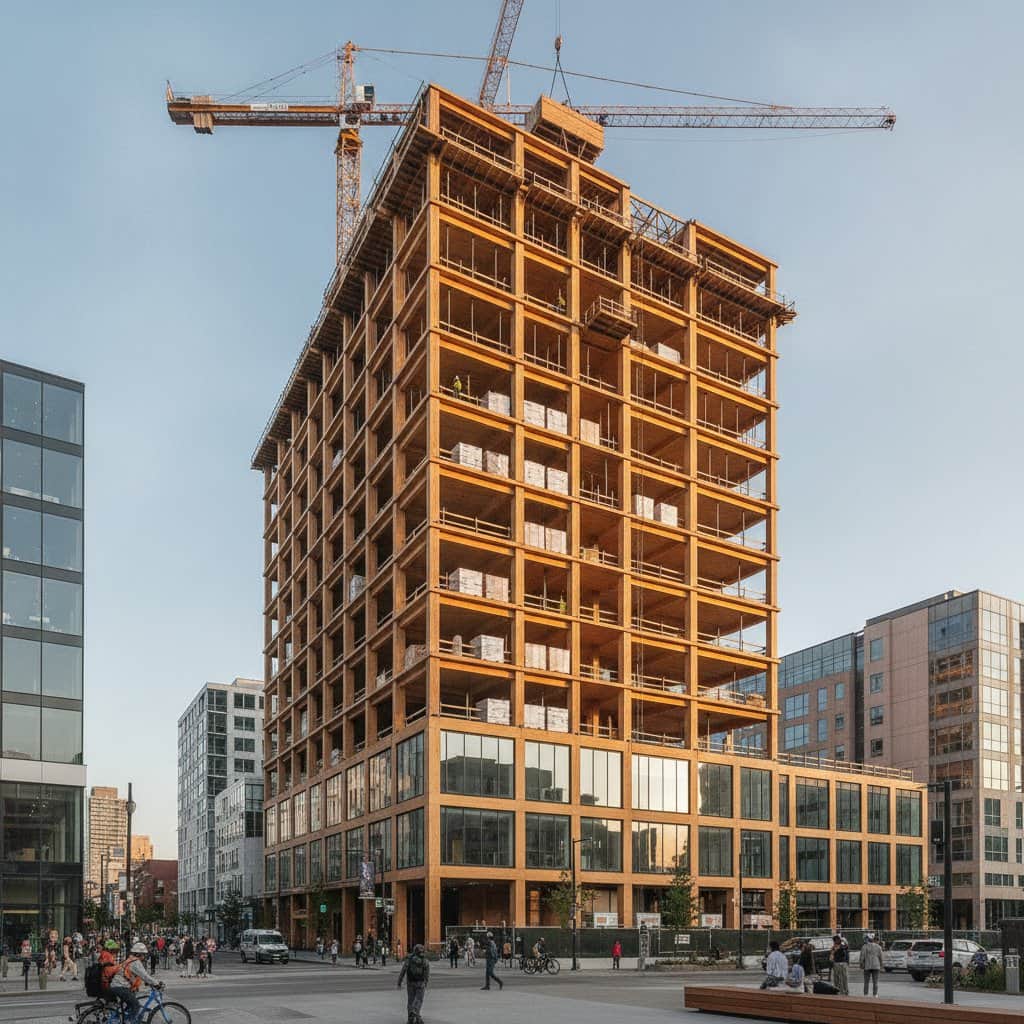
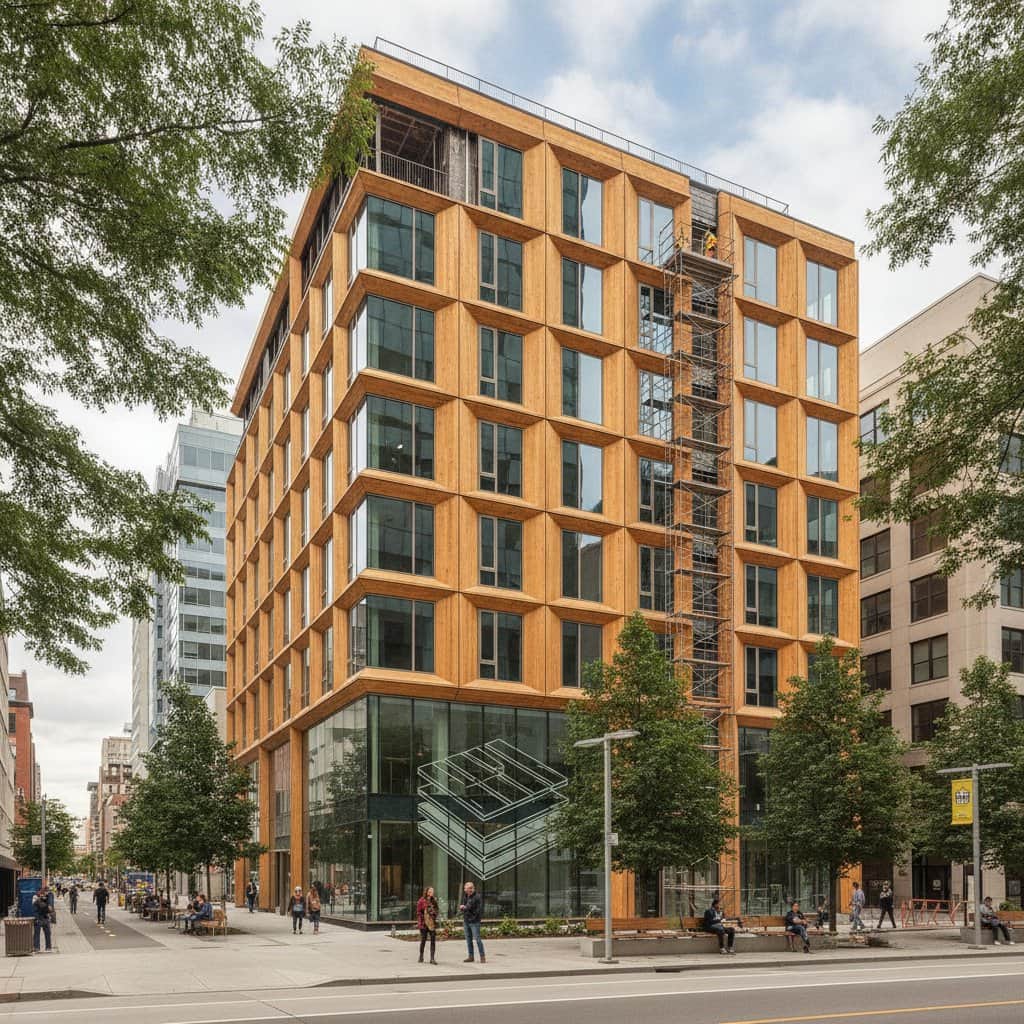
Visualize a vacant lot ready for transformation into a revenue-generating property. Self-employed builders often face obstacles when traditional lenders demand W-2 forms to verify income. DSCR loans address this issue by prioritizing the property's projected performance over personal employment records.
These loans provide a pathway for independent contractors and small business owners to fund new builds. Lenders assess the debt service coverage ratio, focusing on rental income to ensure the investment sustains itself. This method aligns financing with the realities of self-employment in the construction industry.
Barriers Faced by Self-Employed Builders
Conventional construction loans require extensive documentation, including multiple years of W-2 statements, pay stubs, and employer confirmations. Self-employed individuals rely on project-based earnings, which do not align with these standards. Tax deductions for business expenses further complicate income presentation, often resulting in lower reported figures that raise lender concerns.
Despite consistent profitability from completed projects, many builders encounter rejections. Lenders may view variable income streams as unstable, even when cash flow supports loan repayment. This mismatch hinders access to capital for viable developments.
Advantages of DSCR Loans
DSCR loans shift evaluation to the property's financial viability. The debt service coverage ratio compares anticipated rental revenue to debt obligations, typically requiring a minimum of 1.2 to demonstrate a buffer. Approval hinges on market data rather than personal financial history.
This structure benefits builders creating rental properties, such as single-family homes or multi-unit dwellings. Lenders often structure these as construction-to-permanent loans, disbursing funds in phases and converting to long-term mortgages upon completion. The absence of income verification accelerates the process for qualified applicants.
Mechanics of DSCR Loans for New Builds
The application begins with an analysis of the completed property's rental potential. Lenders consult comparable market rentals to project monthly income, then calculate coverage against principal, interest, taxes, and insurance. A ratio above 1.0 indicates viability, with higher thresholds preferred for risk mitigation.
Key elements include accurate cost projections and a detailed build plan. Some programs incorporate construction draws, releasing funds as milestones are met. Post-construction, the loan transitions seamlessly, minimizing administrative hurdles.
Benefits Tailored to Builders
DSCR loans eliminate the need for traditional income proof, allowing focus on project merits. Properties can be titled under business entities, aiding tax strategies and liability protection. Successful completions build equity, enabling subsequent financings through cash flow or refinancing.
Processing times shorten due to streamlined underwriting, often concluding in weeks rather than months. This efficiency supports ongoing operations for builders managing multiple sites. The emphasis on deal strength fosters scalability in rental portfolios.
Steps to Obtain a DSCR Loan
- Analyze local rental markets using recent listings and professional appraisals to establish realistic income projections.
- Develop a comprehensive budget covering land acquisition, materials, labor, permits, and a 10 percent contingency for unforeseen expenses.
- Identify lenders specializing in construction and investment properties; review their DSCR requirements and experience with self-employed borrowers.
- Compile supporting documents, including architectural plans, timelines, and subcontractor agreements, to demonstrate project feasibility.
- Demonstrate liquidity with bank statements showing reserves equivalent to six months of projected payments.
Presenting a polished package enhances approval odds. Engage a loan officer early to refine projections and address potential gaps.
Evaluating Trade-Offs
DSCR loans offer distinct advantages but include considerations.
Advantages:
- Bypasses personal income documentation
- Supports portfolio expansion through rental income
- Accommodates business ownership structures
- Integrates construction and permanent financing
Drawbacks:
- Interest rates exceed conventional options by 0.5 to 1 percent
- Demands robust rental projections backed by data
- Suited primarily to investment properties, not primary residences
- Requires down payments of 20 to 25 percent
These factors suit builders prioritizing flexibility over minimal costs. The overall accessibility outweighs drawbacks for most investment-focused projects.
Financial Planning Essentials
Budgeting requires attention to phased disbursements. Down payments typically range from 20 to 25 percent of total costs, with closing fees adding 2 to 4 percent. Interest accrues on drawn amounts during construction, alongside inspection fees per draw request.
Timelines vary by project scale, but efficient builds convert to permanent status within six to nine months. Allocate reserves for delays, targeting three months of coverage. Monitoring local material costs and supplier reliability prevents budget overruns.
Partnering for Project Success
Select suppliers attuned to small-scale operations for timely deliveries and cost savings. Regional providers often offer insights into material alternatives during shortages. Engage property managers for rental projections to strengthen applications.
Networking through investor groups yields recommendations for DSCR-savvy professionals. Such connections streamline lender selection and due diligence, reducing preparation time.
Integrating Design and Durability
Prioritize features that enhance rental appeal and longevity. Install energy-efficient insulation and LED lighting to lower utility costs for tenants. Opt for resilient materials like vinyl plank flooring in high-traffic areas to minimize maintenance.
Incorporate safety elements such as smoke detectors and secure entry systems, which boost insurability and tenant satisfaction. Balanced investments in quality upfront preserve property value and support strong DSCR ratios.
Scaling Through Repeated Projects
Initial DSCR successes establish track records with lenders, easing future approvals. Rental income from completed units funds down payments or reserves for expansions. This cycle enables portfolio growth without recurring income hurdles.
Track performance metrics across projects to refine strategies. Consistent execution positions builders for larger undertakings, such as multi-family developments.
Advancing Your Next Development
DSCR loans restore agency to self-employed builders by validating project potential over paperwork. Begin by modeling scenarios with current market data and cost estimates. Contact specialized lenders to discuss tailored options and initiate your application process.