Builders Fund 4% Rates Through Temporary Buydowns Without Points
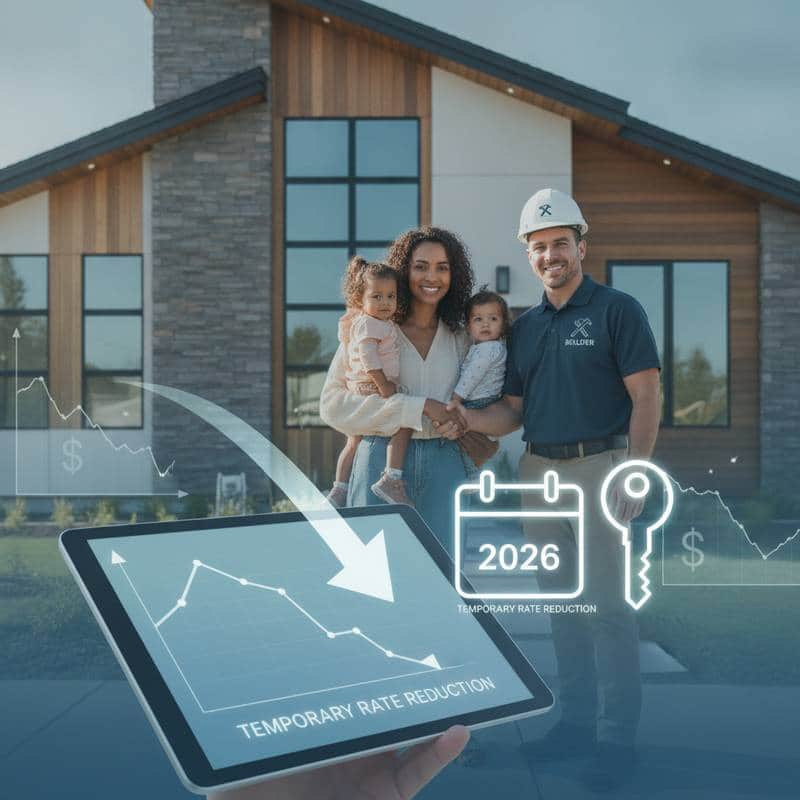
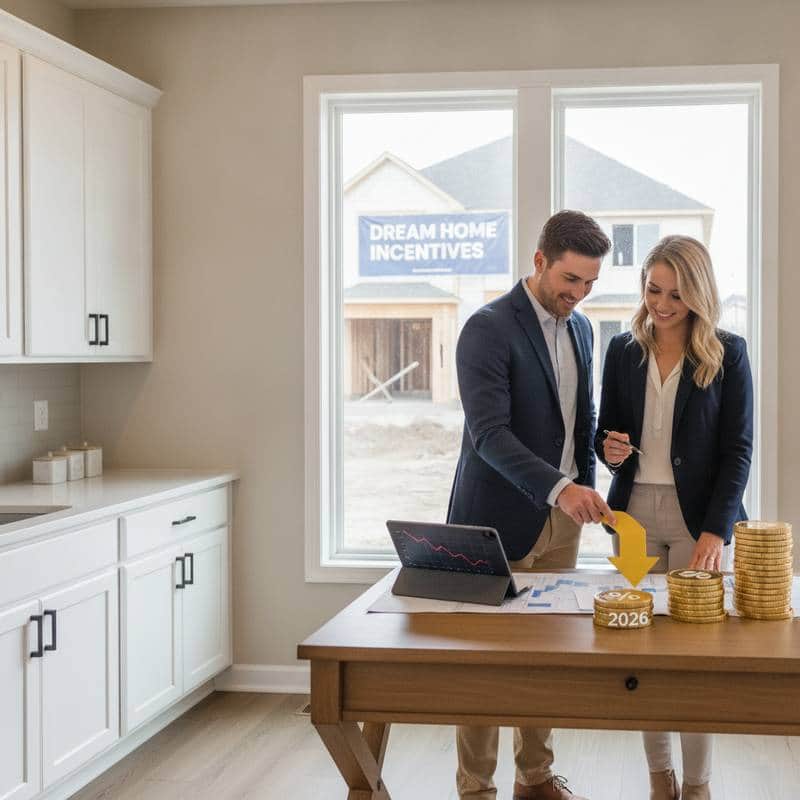
Mortgage rates have remained elevated, challenging buyers in the new construction market. Builders address this by funding temporary rate buydowns, offering effective 4% rates without requiring buyers to pay points. This strategy lowers early monthly payments, making homeownership more attainable and stimulating sales.
The absence of points represents a significant shift. Builders absorb the upfront costs, providing immediate relief at closing. This tactic revives interest in new homes during a period of financial caution.
Understanding Builder Rate Buydowns
A builder rate buydown reduces the interest rate on a mortgage for an initial period, typically funded by the builder in partnership with a preferred lender. This arrangement lowers monthly payments during the early years of the loan. The reduction applies to new construction purchases, easing the entry into homeownership.
Common structures include 2-1 buydowns, where the rate decreases by two percentage points in the first year and one in the second before reaching the note rate. Alternatively, 3-2-1 programs step up gradually over three years. These temporary adjustments allow buyers to adapt to ownership costs or refinance if rates improve.
In a builder-paid buydown, the developer covers the premium without buyer expense. This eliminates the traditional points cost, which equals one percent of the loan amount per point. Buyers benefit from lower payments from day one, enhancing the appeal of new builds.
Reasons Builders Offer 4% Rates Now
Elevated interest rates suppress demand for new homes, leading to slower sales and excess inventory. Builders respond by making financing more attractive to maintain project momentum. A temporary 4% rate bridges the affordability gap without permanent price reductions.
Buyers prioritize monthly payments over list prices, so buydowns deliver tangible relief. This approach draws comparisons to lower-rate eras, reigniting buyer confidence. Builders calculate that funding buydowns costs less than prolonged holding expenses for unsold properties.
The strategy also preserves community value. Price cuts could devalue existing homes, whereas buydowns target financing directly. This preserves pricing stability while competing effectively against resale markets.
Mechanics of a Temporary Buydown
Consider a 30-year fixed mortgage on a $400,000 loan at a 7% note rate. Without a buydown, the principal and interest payment totals approximately $2,660 monthly. A builder-funded 3-2-1 buydown adjusts this to 4% in year one ($1,910), 5% in year two ($2,147), 6% in year three ($2,398), and 7% thereafter.
The builder deposits funds into an escrow account to subsidize the interest differential. The lender applies these funds monthly to reduce the borrower's payment. This setup requires no additional buyer outlay at closing.
Buyers qualify based on the note rate, ensuring loan approval aligns with long-term affordability. The temporary nature provides a grace period for financial adjustment. Many use this window to build equity or prepare for refinancing.
Benefits for Buyer Affordability
High rates limit qualification amounts and strain budgets, particularly for new construction with added upgrade costs. A buydown reduces payments by $500 to $800 monthly in early years, freeing funds for essentials like utilities or furnishings. This creates essential financial breathing room.
New homes often include warranties and modern features, but upfront costs deter buyers. Buydowns level the playing field with resales, which lack such incentives. The result enhances overall market competitiveness and buyer satisfaction.
For families, lower initial payments support life transitions, such as job changes or expansions. This practical relief turns homeownership from a burden into a sustainable step forward.
Ideal Candidates for These Buydowns
First-time buyers benefit most, as they face simultaneous expenses like moving and setup. The reduced payments offset these without dipping into savings. Renters upgrading to ownership find the structure aligns with income growth expectations.
Early-career professionals or growing families anticipate future earnings increases, making the step-up manageable. Repeat buyers use buydowns as a short-term solution while monitoring rates for refinancing. The flexibility suits varied financial profiles.
Even stable-income households gain from the immediate savings, applying them to debt reduction or investments. Builders target these groups to accelerate sales cycles and community development.
Temporary Versus Permanent Buydowns
Temporary buydowns lower rates for one to three years, with the builder funding the subsidy. Payments rise predictably to the note rate afterward. This option suits buyers seeking short-term relief without long-term commitments.
Permanent buydowns reduce the rate for the loan's duration, requiring points equivalent to 1% of the loan per point of reduction. Builders may fund these, but they cost more upfront. Buyers weigh the ongoing savings against initial implications.
Temporary versions dominate current offerings due to lower builder expense and buyer appeal. They provide entry-level affordability without altering the loan's core terms. Permanent options appeal to those planning long-term stays without refinancing intent.
Potential Drawbacks and Questions to Ask
Advertisements highlight low rates, but details vary. Confirm the buydown duration, as one-year programs offer less transition time than three-year ones. Review the post-buydown payment to ensure it fits your budget.
Inquire about lender restrictions, as incentives often mandate the builder's preferred provider. Verify if the offer applies community-wide or to specific models. Understand any refinancing penalties to maintain flexibility.
- Duration of the reduced rate.
- Payment schedule after the period ends.
- Eligible lenders and loan types.
- Applicability to chosen home features.
These clarifications prevent unexpected adjustments and ensure alignment with your goals.
Impact on Real Budgets
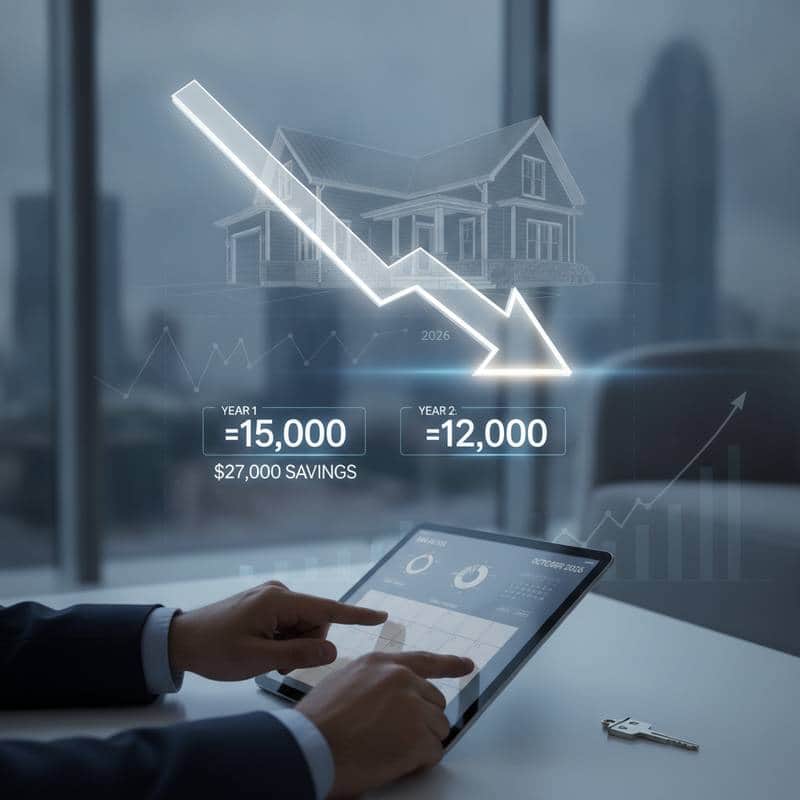
On a $400,000 loan, a 7% rate yields $2,660 monthly for principal and interest. A first-year 4% buydown drops this to $1,910, saving $760. Year two at 5% saves $513, and year three at 6% saves $262.
These savings cover groceries, utilities, or emergency funds, reducing stress. Buyers report greater confidence in qualifying and sustaining ownership. The math underscores the incentive's value in everyday terms.
Beyond numbers, the structure fosters stability. Families allocate freed funds to home improvements, enhancing enjoyment from the start.
Advantages of Buydowns Over Price Reductions
Direct price cuts lower appraised values across a community, complicating future sales. Buydowns avoid this by targeting financing, upholding list prices. Builders view this as a strategic preservation tool.
The approach attracts qualified buyers without signaling market weakness. Lenders benefit from increased volume through preferred channels. Buyers receive layered incentives, such as design allowances alongside buydowns.
This combination maximizes value, positioning new homes as investments. Builders integrate buydowns into broader packages for comprehensive appeal.
Builder Perspectives on Implementation
Unsold inventory incurs carrying costs like taxes and maintenance. Buydowns expedite closings, minimizing these expenses. Developers calculate subsidies as a fraction of potential holding losses.
The tactic demonstrates commitment to quality communities. By easing buyer entry, builders foster loyalty and referrals. Long-term, populated neighborhoods appreciate, benefiting all stakeholders.
Pragmatic economics drive adoption, with data showing sales uplifts from such programs. Builders monitor rate trends to time offerings effectively.
Steps for Buyers to Evaluate Buydowns
Compare buydown impacts against standard financing from multiple lenders. Request a year-by-year amortization schedule to visualize payments. Confirm no prepayment penalties for refinancing opportunities.
Assess bundled incentives, choosing between rate relief, closing credits, or upgrades. Budget conservatively for the full note rate from inception. Consult a financial advisor to integrate this into your plan.
- Obtain detailed payment projections.
- Verify incentive portability across options.
- Simulate long-term scenarios.
- Document all terms in writing.
- Align with personal financial timelines.
These actions ensure informed decisions and maximized benefits.
Emotional and Practical Value in Homeownership
Home buying blends finance with aspiration, where affordability influences confidence. Temporary low rates recall accessible markets, motivating action. This psychological boost converts interest into commitments.
Post-closing, manageable payments allow focus on personalization, from layouts to landscaping. The structure supports emotional settling, turning a new space into a true home. Buyers experience reduced anxiety, enhancing overall satisfaction.
Securing Your Path to Ownership
Current buydown programs offer a timely opportunity for new construction. Visit builder sites to review financing details and schedule consultations. Cross-compare with independent lenders for optimal terms.
Prepare by gathering pre-approval documents and clarifying priorities. These incentives bridge current challenges to future stability. For aspiring owners, they transform barriers into achievable steps, emphasizing practical progress over perfection.