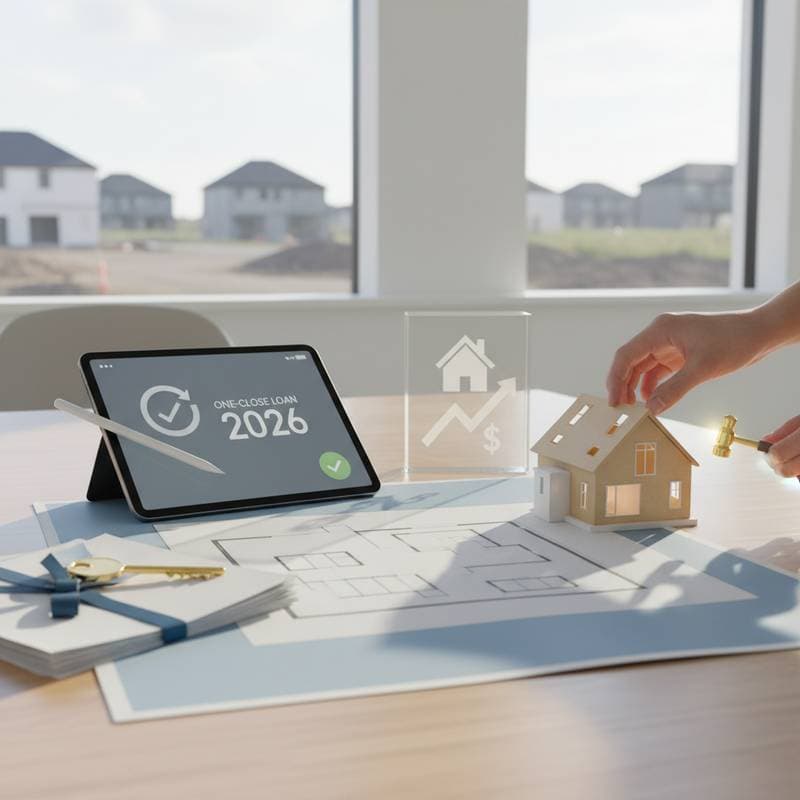
Understanding One-Close Loans and the 2026 Updates
One-close loans represent a significant advancement in construction financing, particularly with the regulatory changes effective in 2026. These loans consolidate the construction phase and the permanent mortgage into a single financial product. Borrowers undergo only one closing process, secure one interest rate, and avoid the need for multiple approvals or refinancing steps.
This streamlined approach addresses common pain points in traditional construction loans, such as fluctuating rates and repeated documentation. Lenders now provide clearer guidelines on eligibility, appraisal requirements, and fund disbursement schedules. As a result, more individuals qualify for financing to build custom homes, including those purchasing land or renovating existing properties.
The updates emphasize transparency and efficiency. For instance, standardized draw schedules ensure funds release aligns with verified construction milestones. This reduces delays and builds confidence among borrowers, builders, and financial institutions alike.
Key Benefits of One-Close Financing
Adopting a one-close loan offers several advantages that enhance the overall building experience. First, it locks in the interest rate at the initial closing, protecting against market volatility during construction. This stability allows for more accurate budgeting and planning.
Second, the single closing minimizes administrative burdens. Borrowers submit documentation once, covering both phases of the loan. This eliminates the stress of coordinating separate closings, which often involve additional fees and legal reviews.
Third, these loans promote accessibility. Qualified applicants receive upfront approval for the full loan amount, including contingencies for unexpected costs. Lenders assess the project's feasibility early, incorporating builder credentials and site evaluations to mitigate risks.
Finally, the process fosters better collaboration. Regular progress reports and digital portals keep all parties informed, ensuring the project stays on track without excessive oversight.
Preparing Your Application for Success
Gathering Essential Documentation
To apply for a one-close loan under the 2026 rules, compile a comprehensive set of documents from the outset. Include proof of income, such as recent tax returns, pay stubs, and employment verification. Credit reports and scores play a crucial role, as lenders evaluate financial stability to determine loan terms.
Next, prepare details about your builder. Submit contracts, licenses, insurance certificates, and references to demonstrate reliability. Architectural plans and blueprints must outline the project's scope, timeline, and budget, helping lenders appraise the property's future value.
If you own the land, provide the deed and any existing surveys. This equity strengthens your application and may lower the required down payment. For land purchases, integrate those costs into the loan estimate to avoid separate financing.
Engaging with Lenders Early
Contact potential lenders well in advance to understand how the new rules impact your situation. Discuss qualification criteria, including debt-to-income ratios and minimum credit scores, which typically range from 680 to 720 for optimal rates.
Many institutions now feature online platforms for pre-qualification. These tools allow you to upload documents securely and receive preliminary feedback. Inquire about their experience with one-close loans and any specialized programs for first-time builders.
Schedule consultations to review your plans. Lenders can identify potential issues, such as zoning restrictions or environmental assessments, and suggest adjustments. This proactive step often accelerates approval and reveals incentives like reduced origination fees.
Navigating the Construction Phase
Monitoring Progress and Draws
Once approved, the loan funds disburse in stages known as draws. Under the 2026 guidelines, these follow a predefined schedule tied to completion percentages, such as foundation work or framing. Builders submit invoices and inspection reports to trigger releases, ensuring funds support actual progress.
Lenders require third-party inspections at key intervals to verify quality and compliance. Borrowers receive updates through secure apps or portals, tracking expenditures and timelines in real time. This visibility prevents overruns and maintains project momentum.
If challenges arise, such as material delays, communicate promptly with your lender. Contingency reserves, often 10 to 15 percent of the budget, cover minor adjustments without derailing the loan terms.
Managing Costs and Changes
Maintain a detailed budget that accounts for labor, materials, permits, and utilities. The one-close structure helps by fixing the rate, but track variable expenses like subcontractor fees. Software tools for construction management can integrate with lender systems for seamless reporting.
For design modifications, obtain lender approval before proceeding. Minor changes, like fixture upgrades, may fit within the original appraisal. Larger alterations require revised plans and potential re-appraisals to confirm the loan's collateral value.
Throughout this phase, prioritize safety and adherence to building codes. Document all decisions and communications to build a clear audit trail, which simplifies the transition to permanent financing.
Transitioning to Permanent Financing
As construction nears completion, the loan automatically converts to a standard mortgage. This seamless shift occurs without additional closings or rate resets, provided the project meets final inspections and appraisals.
Final walkthroughs confirm that the home matches the approved plans. Lenders disburse any remaining funds after verifying occupancy readiness. Borrowers then begin principal and interest payments, with the original terms intact.
This conversion underscores the efficiency of one-close loans. Homeowners avoid the refinancing pitfalls of traditional setups, such as qualification hurdles or closing costs that can exceed thousands of dollars.
Embracing Your Completed Home
With construction complete and financing secured, shift attention to personalization and enjoyment. The one-close process frees resources for elements that define your space, from custom cabinetry to energy-efficient appliances.
Consider how the home integrates with your lifestyle. Open floor plans might accommodate family gatherings, while dedicated offices support remote work. Sustainable features, like solar panels or native landscaping, enhance long-term value and comfort.
Regular maintenance ensures the investment endures. Schedule professional inspections annually and address issues promptly to preserve the property's integrity. This phase marks the true reward of streamlined financing: a home built on solid foundations, both structural and financial.
In summary, the 2026 one-close loan updates empower builders by simplifying every step. From application to occupancy, these loans deliver predictability and peace of mind, making dream homes attainable for more families.