Key Takeaways
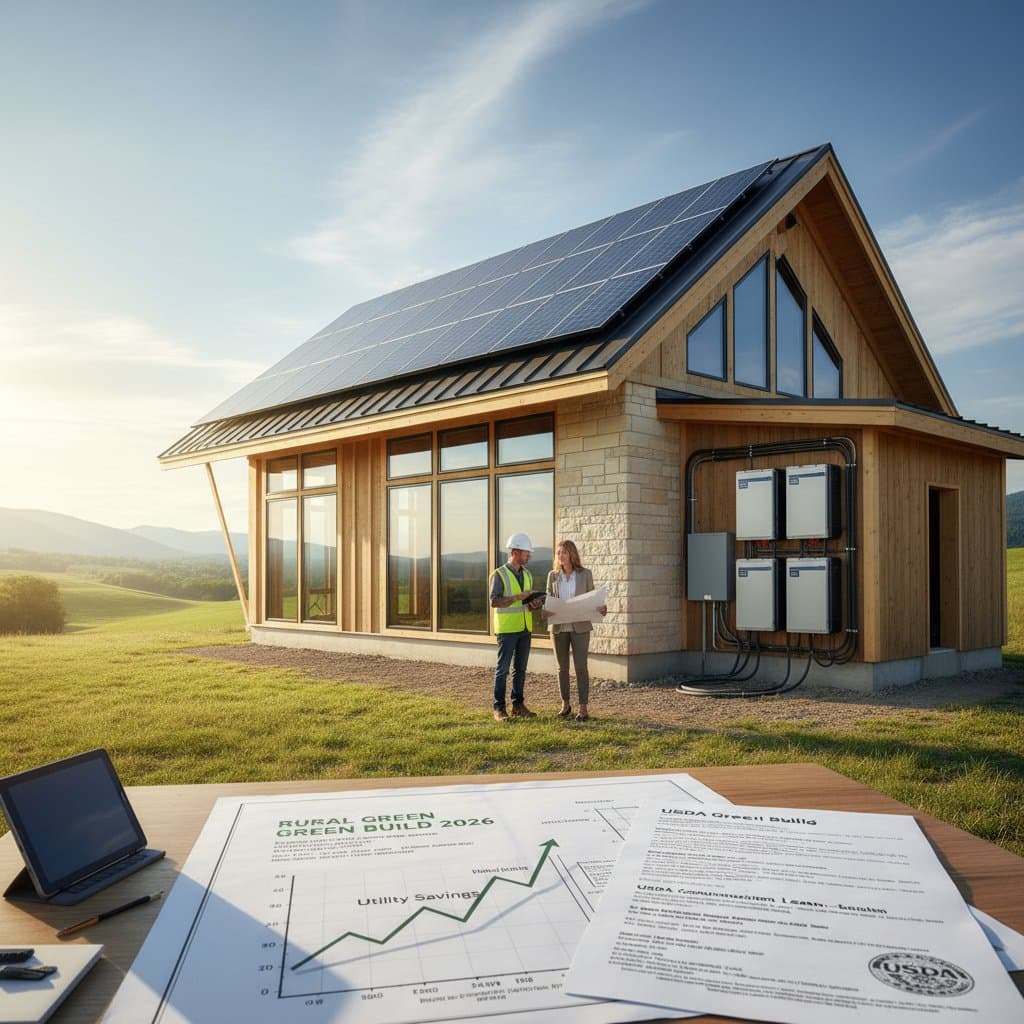
- USDA loans now permit rural homeowners to integrate solar energy systems into their construction budgets.
- Costs for solar panels, batteries, and wiring can be included in the primary build loan, avoiding separate financing later.
- Effective planning and coordination with contractors ensure projects remain on schedule and adhere closely to the budget.
- This option supports long-term energy savings and aligns with rural development goals.
Program Highlights
- Solar installations qualify under specific USDA construction loan programs.
- Home construction, land preparation, and solar components can all be financed through a single loan.
- The initiative targets rural homeowners seeking sustained savings and reduced reliance on traditional energy sources.
- Eligibility requires compliance with location, income, and property criteria.
The Advantages for Rural Home Builders
Rural construction presents unique challenges, particularly regarding access to reliable power. Properties often lie distant from existing utility lines, and extending those lines incurs substantial expenses that can strain budgets. Integrating solar energy from the initial planning phase often proves more economical than traditional grid connections, especially for sites remote from infrastructure.
USDA loans aim to enhance the affordability of rural living. By incorporating solar financing, these loans contribute to broader objectives of supporting families in rural areas. Homeowners benefit from lower ongoing energy costs, which strengthens financial stability and encourages community retention.
This development aligns with increasing emphasis on sustainable practices. Solar integration not only addresses immediate utility hurdles but also positions rural homes for future energy trends. Builders who adopt this approach gain a competitive edge in delivering efficient, modern residences.
Understanding the Financing Process
The USDA construction loan encompasses the entire project scope, including the solar energy package. Funds disburse to the builder in phases, corresponding to construction milestones such as foundation completion or framing. Upon project finalization, the loan transitions to a conventional mortgage, securing the agreed-upon interest rate.
Projected energy savings from the solar system influence overall loan affordability. Lenders may incorporate these estimates into qualification assessments, potentially improving approval chances. This feature rewards forward-thinking applicants who prioritize efficiency.
To initiate, applicants submit detailed plans outlining solar specifications alongside home designs. Approved lenders review the combined proposal for feasibility and compliance. This structured process minimizes surprises and ensures funds align with actual needs.
Common Pitfalls in Solar-Integrated Construction
One frequent error involves neglecting early coordination during the design phase. Treating solar as a secondary element risks costly modifications, such as altering roof structures after framing or installing additional wiring through completed walls. Comprehensive planning from the outset prevents these disruptions.
Homeowners often underestimate their energy requirements, leading to undersized systems. Installers determine panel capacity based on anticipated usage patterns, so providing accurate details proves essential. For instance, operating a home workshop or preparing for electric vehicle charging demands higher output; disclosing such needs ensures appropriate scaling.
Space for batteries or ancillary equipment represents another oversight. Systems may require dedicated areas, like a concrete pad for storage units or a small shelter for inverters. Addressing these elements during initial site preparation avoids retrofitting expenses later.
Professional consultation mitigates these issues. Engaging solar experts alongside general contractors fosters integrated designs. This collaborative method enhances system performance and longevity.
Long-Term Benefits of Solar Integration
Immediate reductions in electricity bills mark the start of savings. Over time, the investment yields compounding returns through decreased utility dependence. Homeowners enjoy stable energy costs amid fluctuating market rates.
A primary advantage lies in enhanced resilience. During outages common in rural settings, solar batteries maintain essential power for lighting, appliances, and communication devices. This reliability fosters security and continuity.
Solar adoption resonates with rural values of self-sufficiency. Systems operate silently, generating clean energy tailored to the home's demands. Residents report greater satisfaction from homes that align with environmental stewardship and practical independence.
Property values may also appreciate due to energy-efficient features. Future buyers increasingly seek sustainable options, making solar-equipped homes more marketable. This forward-looking choice secures both personal and financial benefits.
Steps to Implement Your Solar-Ready Build
Begin by consulting a USDA-approved lender experienced in construction and renewable energy financing. Request prequalification to gauge eligibility and loan capacity. This step clarifies financial parameters early.
Next, obtain comprehensive estimates from builders and solar installers. Detail all components, from panels to mounting hardware, ensuring alignment with USDA guidelines. Integrating these professionals from the planning stage streamlines execution.
Review site-specific factors, such as sunlight exposure and roof orientation, to optimize system design. Local regulations may influence permitting; address these promptly to avoid delays. Document everything to support loan applications.
Monitor progress through regular lender updates. This oversight keeps the project aligned with budget and timeline expectations. Upon completion, transition seamlessly to the mortgage phase.
Frequently Asked Questions
When do these solar-inclusive USDA loans become available?
The program takes effect in 2026, allowing inclusion of solar costs in new rural construction loans.
What qualifies as a rural location under USDA guidelines?
Eligible areas include communities with populations under 10,000, as defined by USDA rural development maps. Verify your property's status through official resources.
Can existing homes retrofit solar under this program?
This initiative focuses on new construction. For retrofits, explore separate USDA energy efficiency loans or incentives.
How do solar savings factor into loan approval?
Lenders assess projected utility reductions to improve debt-to-income ratios. Provide detailed energy audits to substantiate claims.
What if my build exceeds the initial budget?
Contingency funds and phased disbursements help manage overruns. Early planning minimizes risks, but consult your lender for adjustments.
Are there incentives beyond the loan?
Federal tax credits for solar installations may apply, stacking with USDA financing for greater savings. Check current programs for details.