Envisioning the Transition to Homeownership
Consider the moment you enter your new home, surrounded by the aroma of fresh paint and the gleam of new surfaces. The space offers a blank canvas for your life. Yet, the weight of mortgage payments soon becomes apparent, prompting questions about easing the financial transition.
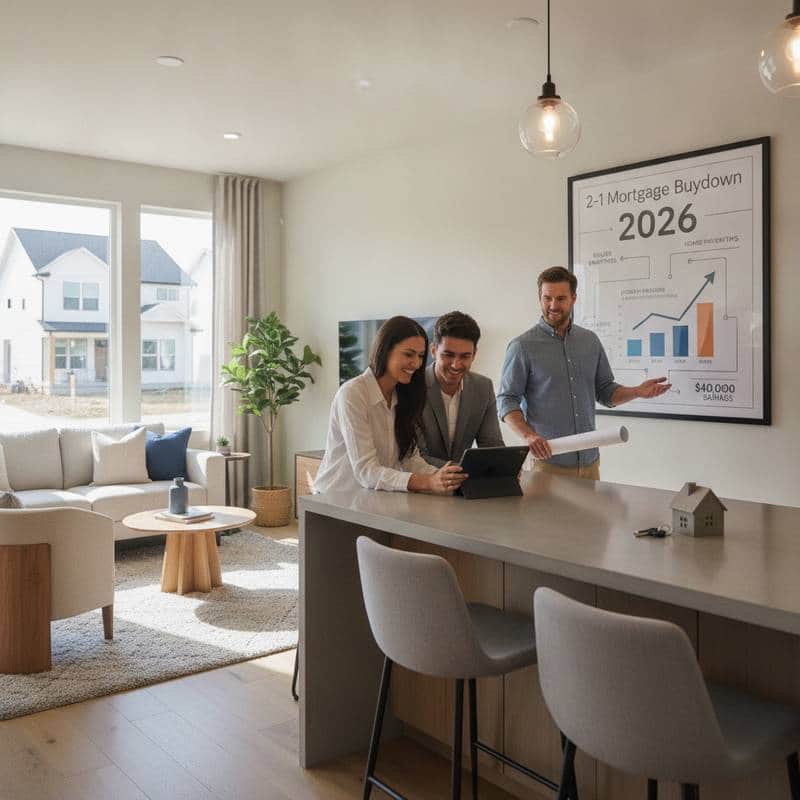
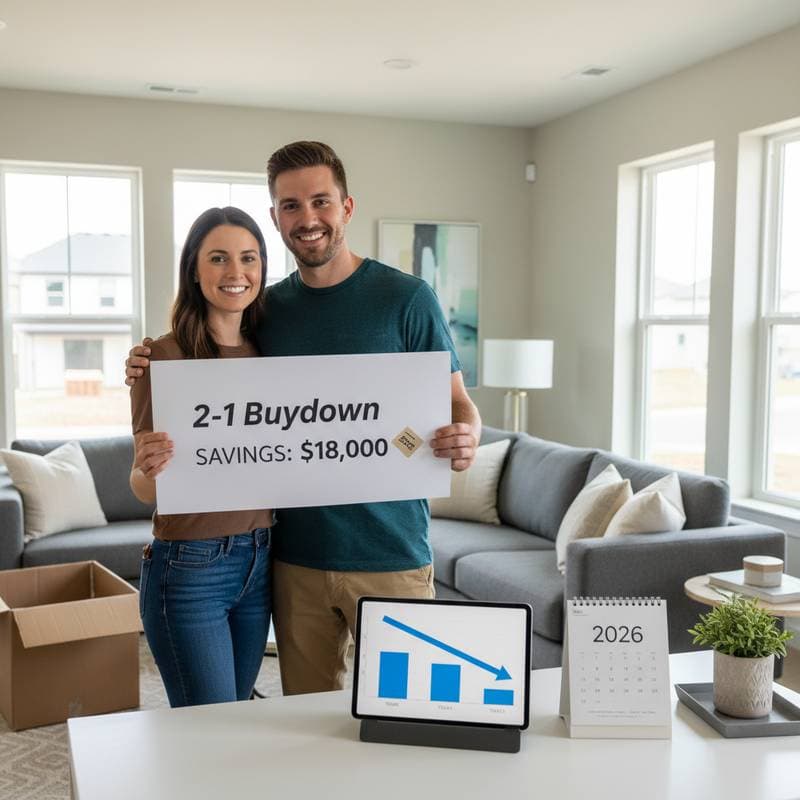
A 2-1 rate buydown addresses this challenge effectively. This approach provides immediate relief by reducing interest rates during the early years of the loan. Such a strategy can yield savings of about $18,000, allowing focus on settling in rather than financial strain.
Defining the 2-1 Rate Buydown
The 2-1 rate buydown involves a temporary decrease in the interest rate on a mortgage. In the first year, the rate falls by two percentage points below the note rate. The second year sees a one percentage point reduction, after which the rate reverts to the original fixed level for the loan's duration.
These adjustments significantly lower monthly payments and interest costs initially. Sellers, builders, or lenders often fund the buydown, so borrowers receive the advantages without direct expense. For new construction purchases, builders frequently include this as an incentive to attract buyers and accelerate sales.
The Value During Initial Homeownership Years
Early homeownership involves numerous additional costs beyond the mortgage, such as furnishing rooms, completing unfinished areas, and updating basic features. A 2-1 buydown softens this period by decreasing monthly obligations when resources are most stretched.
For example, a standard payment of $3,000 per month might drop to $2,400 in year one and $2,700 in year two. These funds become available for essential improvements or building reserves. The result is a more manageable entry into property ownership.
Operational Mechanics of the Buydown
The buydown operates by allocating funds at closing to subsidize the interest differential. This creates lower payments for the borrower while ensuring the lender receives full compensation over time.
The process unfolds as follows:
- Year 1: Interest rate reduced by 2 percent, yielding the lowest payments.
- Year 2: Interest rate reduced by 1 percent, with payments rising modestly.
- Year 3 onward: Full note rate applies to remaining payments.
This structure delivers upfront benefits without altering the loan's principal or long-term terms, promoting stability in the early phase.
Calculating Potential Savings
Savings of $18,000 prove achievable on a conventional loan amount, varying by principal and rate specifics. Over two years, the cumulative reduction in payments translates to substantial relief.
These funds support practical enhancements, such as kitchen updates or outdoor features. The impact extends beyond numbers, enabling investments that enhance daily living and property value.
Key Considerations and Details
The buydown affects only the initial period; payments rise afterward, so budgeting for this shift is essential. Confirm the funding source, typically the builder or seller, to avoid unexpected costs.
Additional factors include:
- Refinancing during the buydown period applies remaining funds to new terms without loss.
- Availability spans conventional and government loans, though lender policies differ.
- Request personalized projections to understand payment trajectories.
Consult your lender for precise calculations tailored to your situation.
Builders' Strategic Use of Buydowns
Builders employ 2-1 buydowns to maintain listing prices while boosting buyer appeal. This tactic avoids valuation impacts from discounts and facilitates quicker inventory turnover.
Such offers often accompany other perks, like closing cost aid. Inquire about buydown availability when evaluating new developments. Real estate professionals can identify current promotions from local builders.
Ideal Candidates for the Buydown
This option suits various buyers, particularly those anticipating income growth, purchasing new builds for customization, transitioning from rentals, or planning short-term ownership.
First-time buyers benefit most, as the reduced payments foster stability and reduce anxiety. The structure supports a confident start to homeownership.
Essential Questions for Lenders
Prepare targeted inquiries to clarify the buydown's fit:
- What are my projected payments for each year?
- What total savings does this generate for my loan?
- Who funds the buydown expense?
- How does early refinancing or sale affect the arrangement?
- Are fees or restrictions attached?
Lenders should provide comparative schedules. Explore combining with builder incentives for maximum advantage.
Leveraging Local Opportunities
Regional builders, especially in expanding areas, collaborate with specialized lenders to offer buydowns. Visit model homes or review materials for highlighted programs.
Opportunities peak during high-inventory periods. Engage agents familiar with local incentives to uncover unadvertised deals.
Budgeting Strategies in the Buydown Phase
Maximize the period by directing savings purposefully:
- Allocate portions monthly toward future payment adjustments.
- Prioritize efficiency upgrades, like insulation, to lower ongoing utilities.
- Address maintenance promptly to prevent larger expenses.
- Implement cost-effective improvements, such as painting or basic landscaping.
These steps build equity and comfort while preparing for rate normalization.
Experiencing the Long-Term Advantages
The buydown's primary gain lies in fostering financial ease from the outset. Lower payments enable focus on personalization, from lighting installations to space organization.
By the time full rates apply, established habits ensure smooth adaptation. The approach transforms potential stress into opportunity for growth.
Steps to Secure a Buydown
Incorporate the 2-1 buydown into your home search by discussing it with builders and lenders early. Obtain customized analyses to compare scenarios.
This decision enhances affordability and enjoyment, aligning financial planning with lifestyle goals. Homeownership thrives on such informed choices.