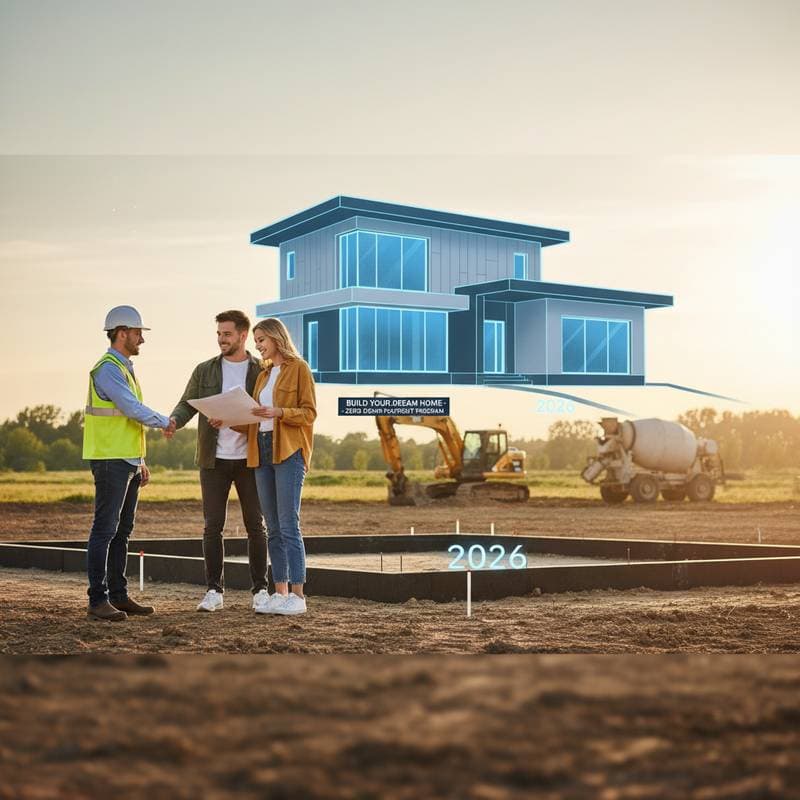
Key Takeaways
- Zero-down home building programs set to debut in 2026 enable construction starts without substantial initial payments.
- Partnerships between builders and lenders facilitate seamless financing integration into the mortgage.
- Buyers maintain liquidity in savings while benefiting from expedited timelines and enhanced security measures.
Program Highlights
- Elimination of Upfront Deposits: Begin site preparation and foundation work without advancing large sums to the builder.
- Integrated Financing Solutions: Construction expenses roll directly into the permanent mortgage, simplifying the financial process.
- Builder-Supported Protections: Agreements include safeguards that ensure project completion and financial accountability for all parties.
- Accelerated Timelines: Pre-arranged funding approvals reduce delays, allowing projects to move forward promptly.
Understanding Zero-Down Home Building Programs
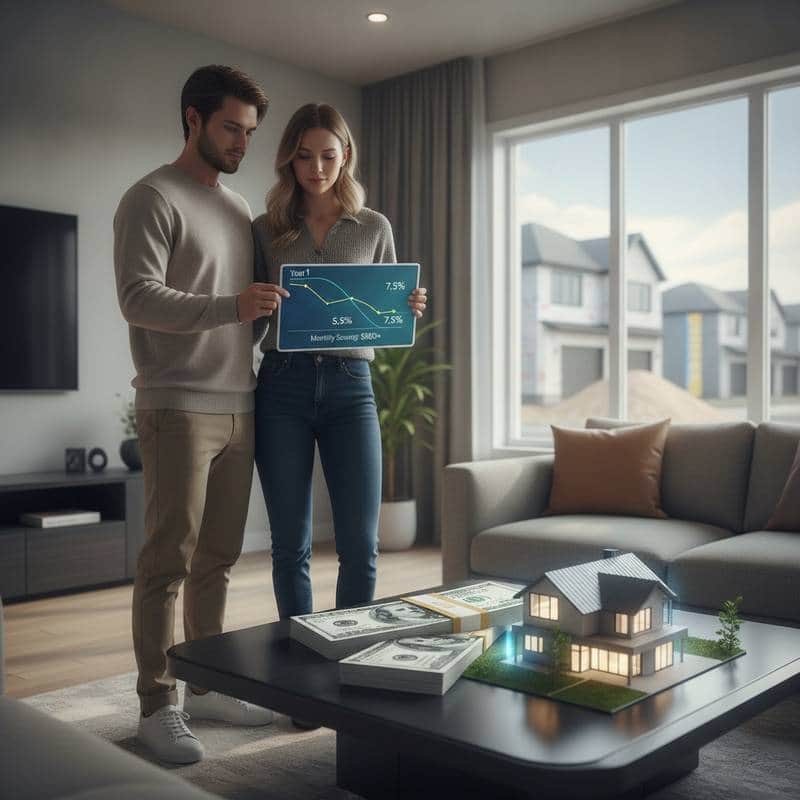
Zero-down home building programs represent a significant shift in the residential construction landscape, particularly for those entering the market in 2026. These initiatives address the common challenge of securing funds for initial deposits, which often deter potential buyers from pursuing custom or new-build homes. By collaborating with financial institutions, builders offer a pathway where construction commences without immediate out-of-pocket expenses beyond basic preparatory costs.
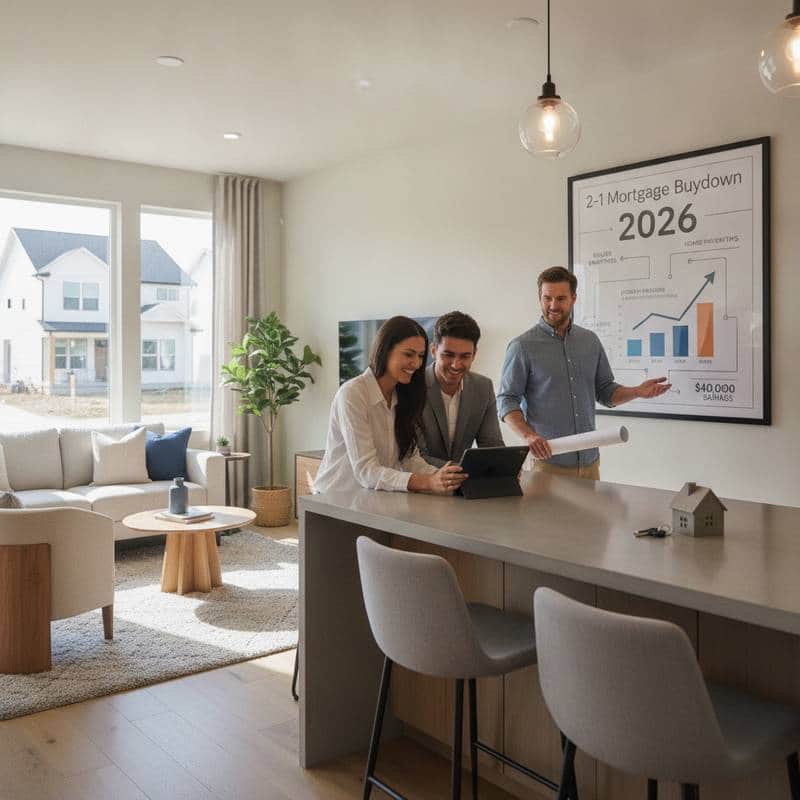
The core mechanism involves a tripartite agreement among the buyer, builder, and lender. The lender advances funds to the builder in phases aligned with project milestones, such as foundation completion or framing. This staged disbursement minimizes risk while ensuring steady progress. Buyers qualify through standard mortgage criteria, including income verification and credit assessment, but the absence of a deposit lowers the entry barrier considerably.
For many, this approach aligns with broader economic trends, where saving for a traditional down payment competes with rising living costs. Programs like these not only democratize access to new construction but also encourage innovation in home design, as buyers feel less constrained by initial financial commitments.
Common Pitfalls to Avoid in Zero-Down Programs
While the appeal of zero-down financing lies in its accessibility, careful navigation remains essential to prevent oversights. Enthusiasm for a deposit-free start can lead to overlooked details that surface during construction. Experienced advisors recommend a methodical review process to align expectations with realities.
Consider the case of buyers who select builders based solely on promotional materials, only to encounter delays from inexperienced teams. Such scenarios underscore the importance of due diligence. The following checklist provides a structured approach to mitigate risks.
Essential Checklist Before Committing:
- Evaluate Builder Credentials: Verify the builder's track record with zero-down initiatives, including completion rates and client testimonials from similar projects.
- Scrutinize Financing Terms: Determine the exact timing of payment obligations and confirm inclusion of standard upgrades in the financed amount.
- Assess Timeline Protections: Inquire about provisions for delays, such as cost adjustments or completion guarantees, to avoid unexpected expenses from extensions.
- Review Exit Clauses: Understand penalties or processes for withdrawing before construction advances significantly, ensuring flexibility if circumstances change.
- Budget for Ancillary Costs: Account for non-financed elements like land acquisition, permitting fees, and elective features such as premium appliances.
Implementing this checklist fosters informed decisions. Builders participating in reputable programs often provide transparency tools, such as detailed contract summaries, to aid this evaluation.
Clarifying the Zero-Down Structure
The term "zero-down" primarily refers to the waiver of the conventional deposit required to initiate construction, typically 10 to 20 percent of the project cost. However, this does not imply a complete absence of financial responsibilities. Participants should anticipate minor fees for administrative processing or loan origination, which vary by program but generally remain under 1 percent of the total build cost.
Additionally, certain elements fall outside the zero-down framework. Land purchase, if not already owned, requires separate funding, often through a land loan or cash. Regulatory requirements, including building permits and utility connections, also demand upfront payment. Custom selections, such as specialized flooring or energy-efficient systems, may incur extra charges payable at the time of selection.
This structure promotes fiscal responsibility while eliminating the largest hurdle. Buyers who prepare a comprehensive budget encompassing these aspects experience smoother execution. Lenders typically offer pre-qualification tools to simulate total costs, helping individuals gauge affordability from the outset.
Frequently Asked Questions
Does eligibility for a zero-down program require strong credit?
Eligibility hinges on standard lending criteria, including a credit score above 620 and stable income sufficient to support the mortgage. Programs may offer flexibility for scores in the 580 to 620 range through alternative underwriting, but prime candidates secure the best terms.
Are custom home designs compatible with zero-down financing?
Most programs accommodate custom builds, provided the builder maintains an active partnership with the financing entity. Early consultation with the builder ensures design specifications align with approved financing limits; complex features might necessitate adjustments.
How are cost overruns managed in these programs?
Overruns due to material price fluctuations or scope changes can trigger loan modifications. Buyers cover excesses beyond the original estimate, while builders absorb variances from their controlled elements. Detailed change order protocols prevent disputes.
What role does the lender play during construction?
Lenders monitor progress through inspections at key stages, disbursing funds only upon verification. This oversight protects buyer investments and maintains project integrity until the certificate of occupancy issues.
Steps to Launch Your Zero-Down Home Build
Embarking on a zero-down home build begins with selecting a qualified builder from established programs. Research local options through industry associations or lender referrals to identify partners with proven success. Schedule consultations to discuss site specifics and design visions, obtaining preliminary cost projections.
Next, apply for pre-approval to confirm financing capacity. This step reveals personalized terms and highlights any preparatory actions, such as credit enhancement. Once aligned, execute the agreement, initiating the permitting phase.
The benefits extend beyond financial ease: faster starts mean earlier occupancy, and builder guarantees instill confidence. Families realize their ideal living spaces without depleting reserves, positioning zero-down programs as a strategic choice for 2026 and beyond. With diligent planning, this pathway transforms homeownership dreams into tangible realities.