2026 USDA Loans Enhance Solar Integration in Home Construction
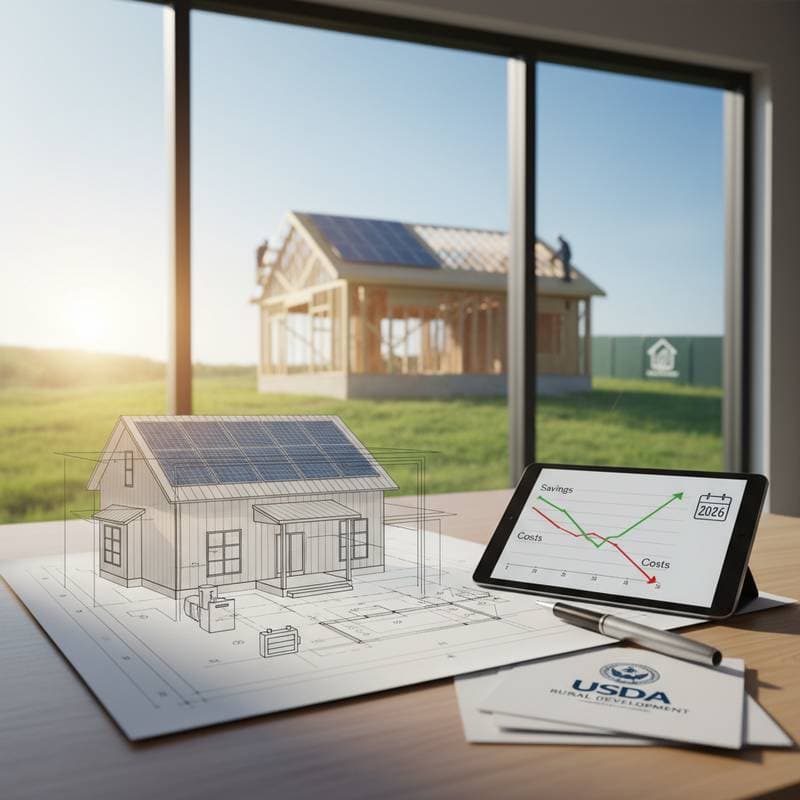
Visualize a vacant rural plot bathed in sunlight, where the foundation of a custom home takes shape. Envision that structure harnessing solar energy from day one, providing clean power and reducing reliance on traditional utilities. Recent enhancements to USDA construction loans make this integration straightforward, particularly for buyers seeking energy-efficient designs in eligible areas.
These updates address a key challenge in rural development: balancing affordability with forward-thinking features. By embedding solar systems into the initial build, homeowners avoid the complexities and added expenses of retrofitting later. This approach aligns with broader goals of sustainability and cost management.
Challenges in Rural Home Building
Rural and suburban construction presents unique hurdles. While land costs remain reasonable, access to reliable utilities varies, and financing must accommodate innovative elements like renewables. Conventional loans typically fund core components such as foundations, framing, and interior finishes, yet often exclude advanced systems like solar.
This limitation has led many to postpone solar adoption, resulting in elevated expenses and construction interruptions down the line. The revised USDA program bridges this divide, positioning solar as an integral build element rather than a subsequent modification.
Mechanics of the Updated USDA Construction Loans
The USDA single-close construction loan supports qualified applicants in building homes in designated rural zones, often with minimal down payment requirements. The latest modifications extend coverage to solar installations, incorporating panels, batteries, inverters, and related infrastructure into eligible expenses.
The process unfolds as follows:
-
Secure USDA-Approved Financing
Applicants approach a USDA-participating lender, who evaluates creditworthiness, income, and site eligibility alongside detailed construction blueprints. -
Incorporate Solar into the Budget
Builders integrate solar cost projections into the overall plan, ensuring compliance with USDA standards for energy performance and system durability. -
Execute a Single-Closing Procedure
One loan handles both construction draws and final mortgage conversion, minimizing duplicate fees and administrative burdens. -
Install Solar During the Build Phase
Solar components integrate post-roofing and pre-drywall, allowing optimal placement and wiring that aligns with the home's electrical framework. -
Convert to Permanent Mortgage
Upon project completion and inspection, the financing shifts seamlessly to a long-term USDA loan, locking in favorable terms.
This framework simplifies the journey for those prioritizing energy independence alongside structural integrity.
Advantages of Solar in Initial Construction
Incorporating solar at the outset yields practical benefits. Roof access remains unobstructed, enabling precise panel orientation for peak solar capture. Electrical conduits install without post-build alterations, preserving aesthetics and efficiency.
Early integration also optimizes system scale to match household needs, from basic lighting to full off-grid capability. Delaying installation, as seen in many retrofits, frequently escalates budgets due to structural adjustments and labor demands.
Financial Aspects, Incentives, and Community Support
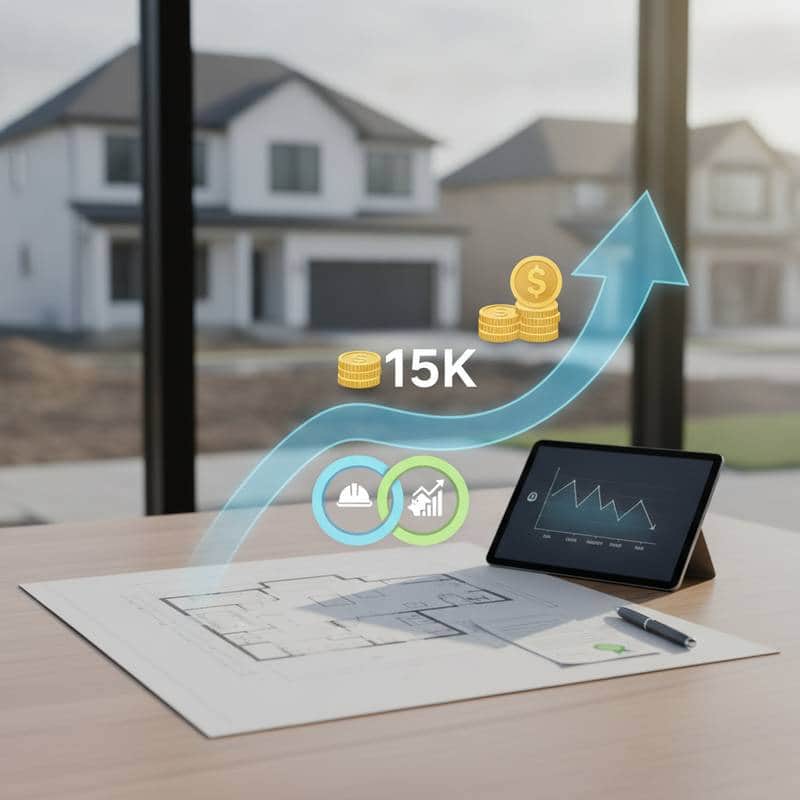
Residential solar systems generally range from $15,000 to $30,000, depending on capacity and site conditions. Integrating these costs into a USDA loan amortizes payments over decades, aligning with mortgage timelines and easing upfront pressures.
Additional incentives abound. Federal tax credits offset up to 30 percent of installation expenses, while state programs provide rebates or exemptions from property taxes on solar-equipped properties. Rural electric cooperatives often credit excess generation, crediting accounts for surplus power fed back to the grid.
Local resources prove invaluable. Regional suppliers offer USDA-compliant packages, including warranties and maintenance plans. Engaging a solar specialist during planning ensures alignment with building codes and maximizes rebate eligibility.
Aesthetic and Upkeep Strategies for Solar Systems
Solar arrays adapt to diverse home styles when designed intentionally. Monocrystalline panels in sleek black complement asphalt roofs, whereas frameless options suit contemporary metal surfaces. In regions prone to heavy snowfall, adjustable mounting angles facilitate natural shedding, maintaining output levels.
Routine maintenance involves quarterly inspections of connections and annual cleaning to remove debris. Ground-mounted brushes or extendable tools handle surface clearing safely, avoiding roof access and preserving panel longevity.
Realizing Benefits in Daily Home Life
A solar-integrated home delivers tangible rewards from occupancy. Electricity bills decline sharply, often by 50 to 90 percent, depending on usage and sunlight availability. The setup fosters resilience against utility fluctuations common in remote areas.
This proactive choice extends beyond economics, embedding environmental stewardship into everyday living. For rural builders eyeing USDA financing, prioritizing solar now secures a foundation of efficiency and foresight for years ahead.