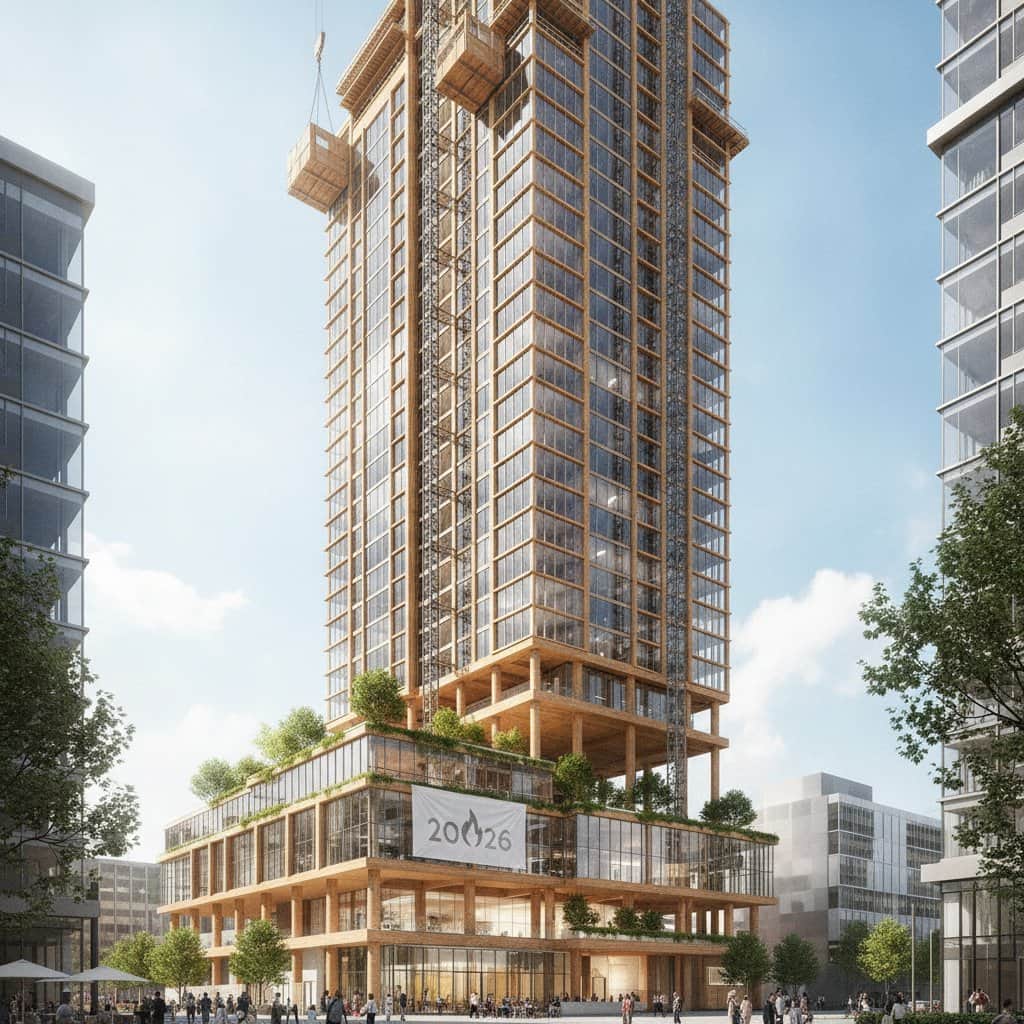
Mass Timber Buildings Go Taller With 2026 Fire Codes
Mass timber construction advances as 2026 fire code approvals enable taller, safer wood buildings with faster assembly and reduced environmental impact.
By Becca Woods
5 min read
Loading...
Articles tagged with clt-buildings-2026
Mass timber construction advances as 2026 fire code approvals enable taller, safer wood buildings with faster assembly and reduced environmental impact.
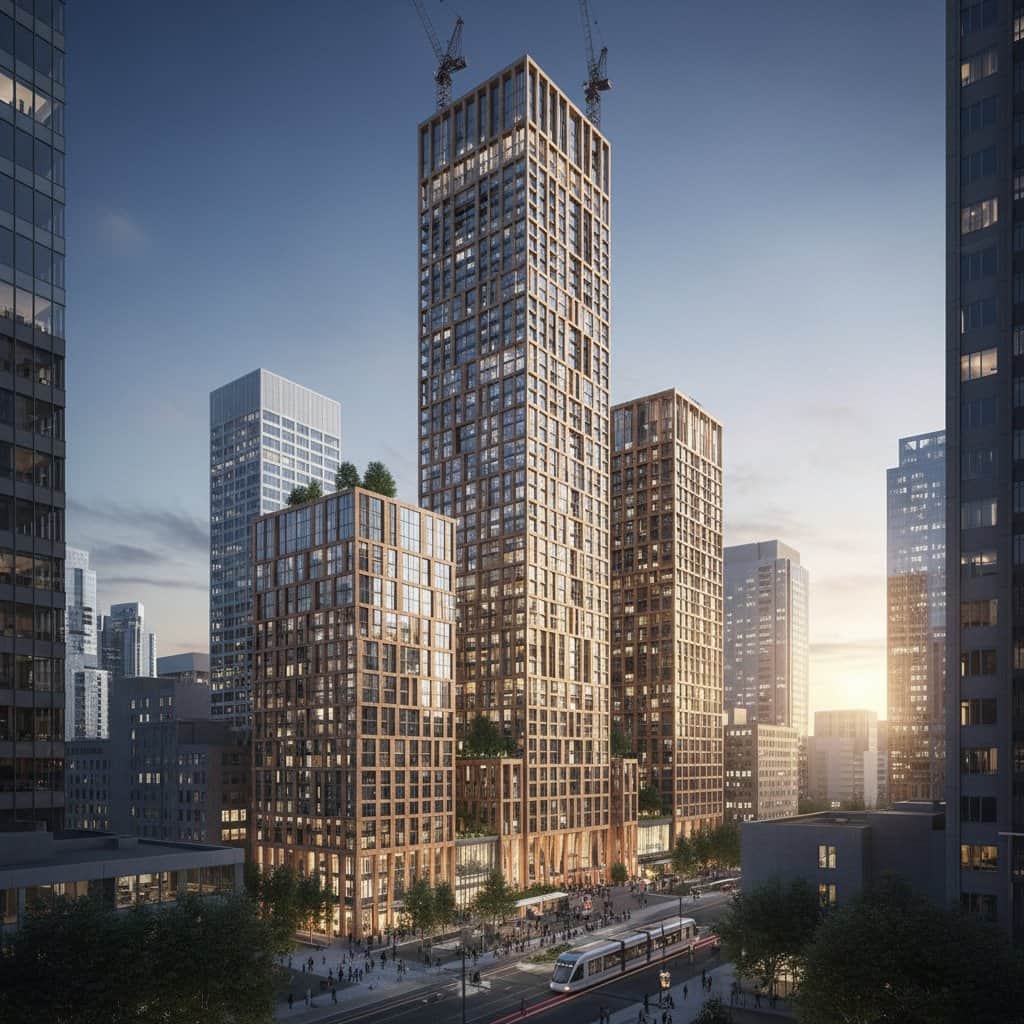
Mass timber high-rises are transforming skylines as code approvals unlock taller wooden structures. Engineered timber offers strength, speed, and carbon benefits compared with steel and concrete.
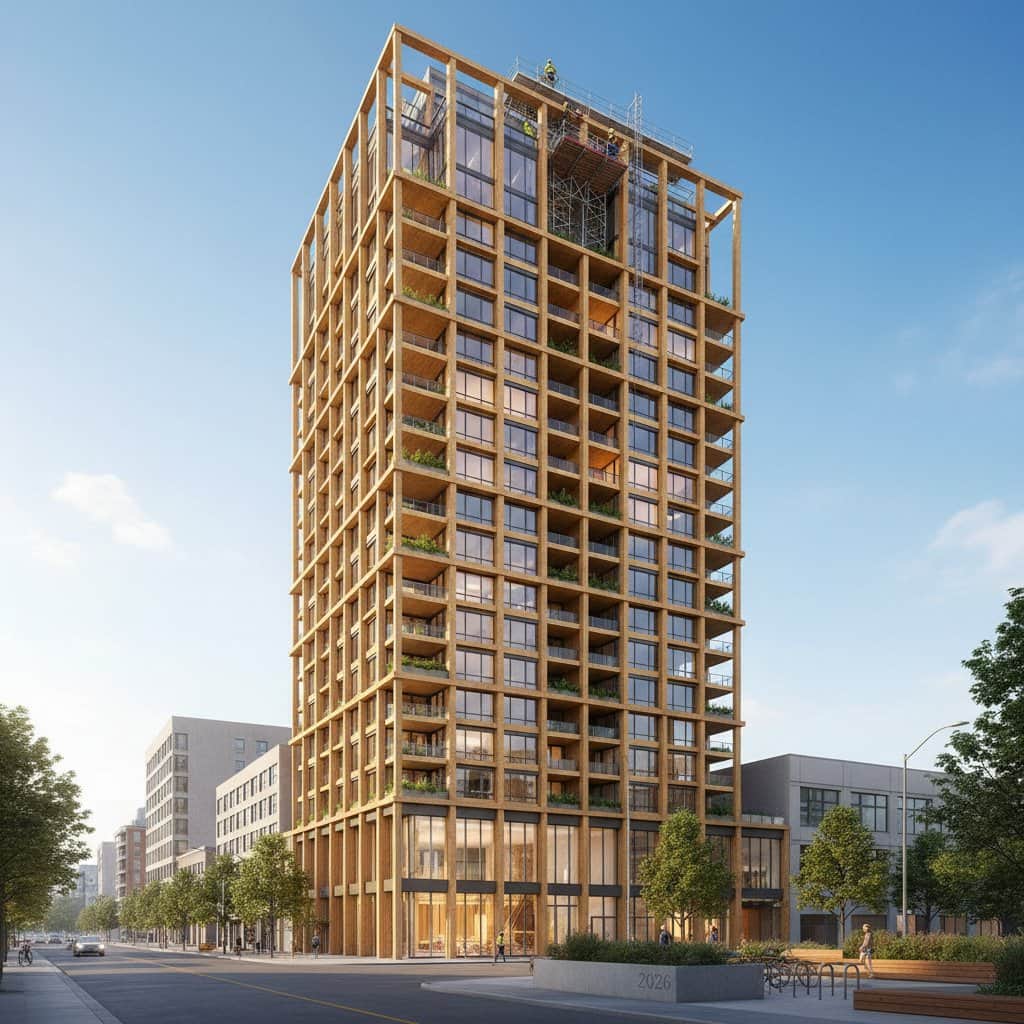
Mass timber revolutionizes multi-family high-rises by integrating sustainability, durability, and natural warmth into urban architecture. Engineered solutions such as cross-laminated timber enable quicker builds, reduced emissions, and appealing aesthetics that draw residents. With evolving regulations and stabilizing costs, mass timber paves the way for more intuitive, resident-centered vertical living by 2026.
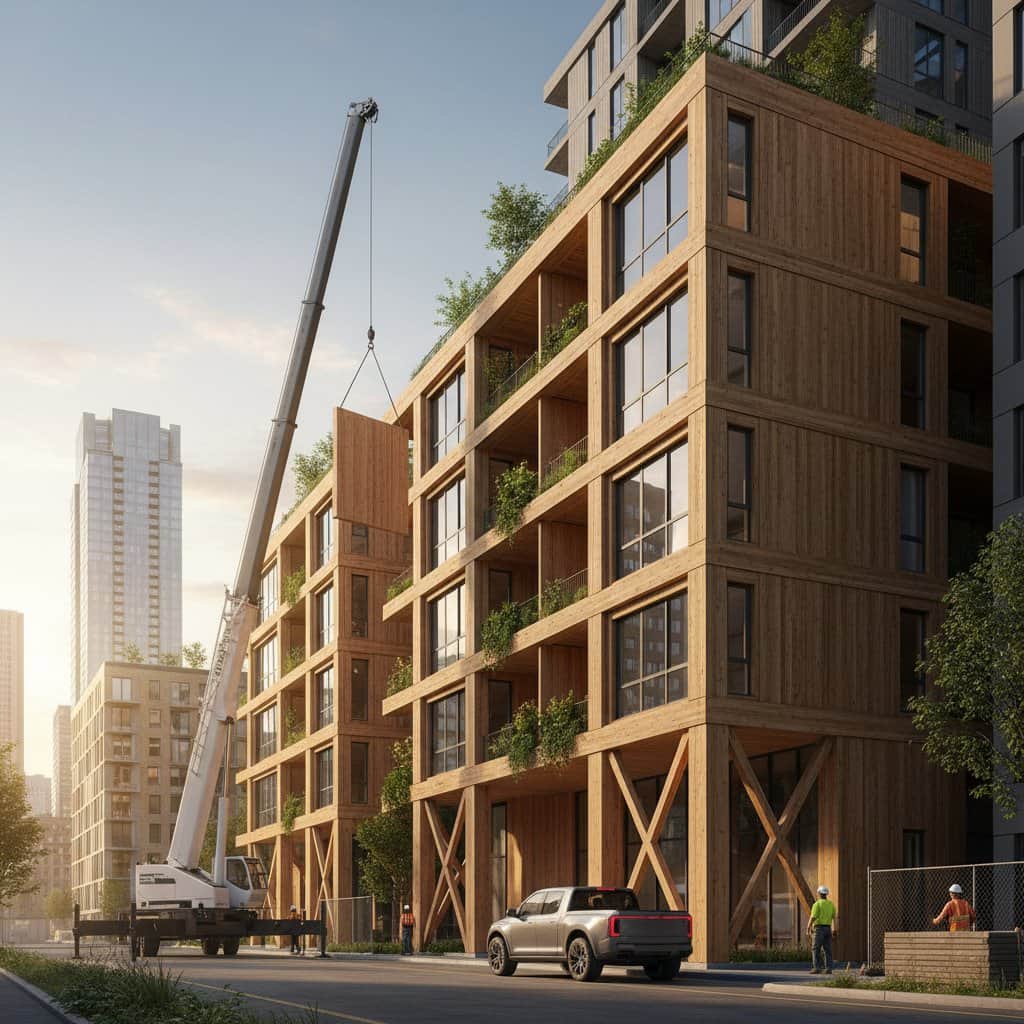
Mass timber transforms multi-family housing through accelerated construction, minimized carbon emissions, and appealing wood-based aesthetics. Engineered products such as cross-laminated timber enable rapid project completion while promoting sustainability and drawing environmentally aware tenants. With evolving regulations, this approach offers developers a forward-thinking option to redefine city dwellings by 2026.
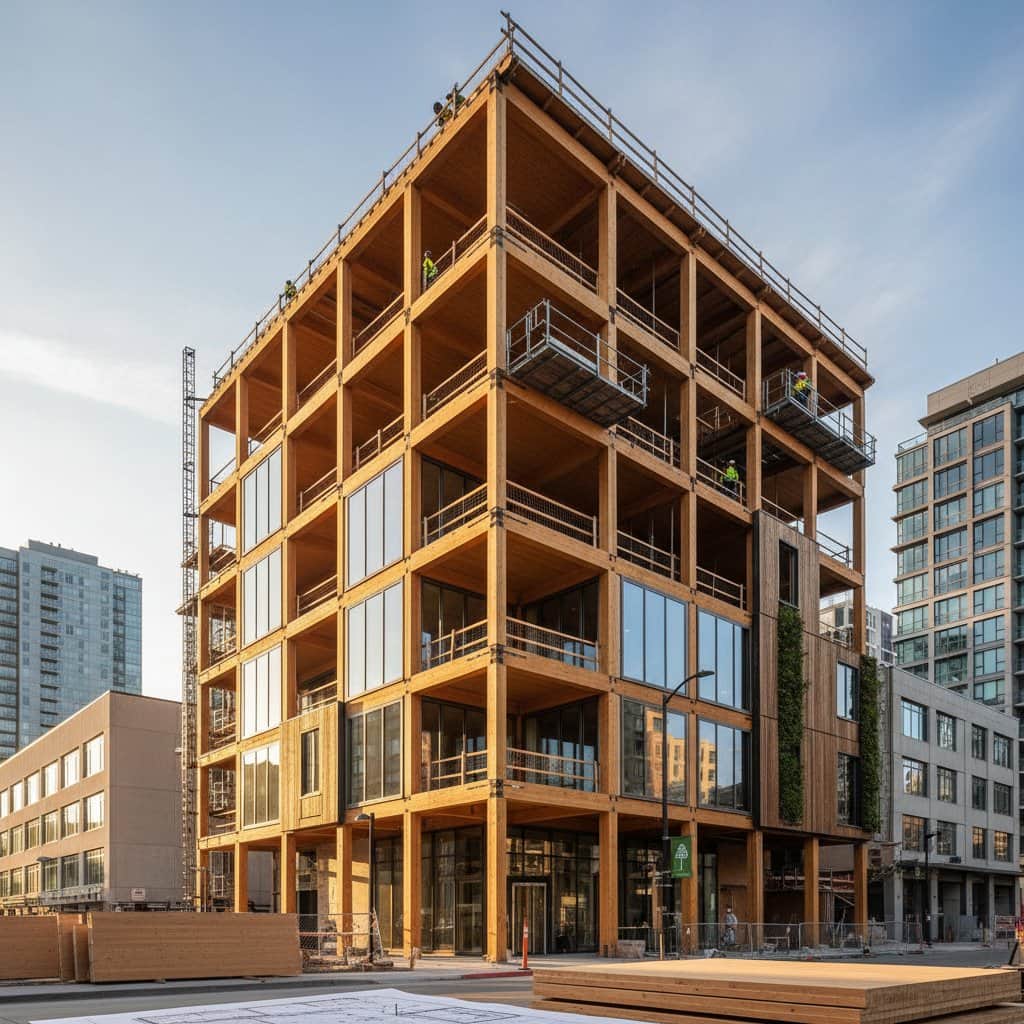
New 2026 building codes elevate mass timber to 10-story heights, challenging concrete and steel norms. Despite initial costs, gains in construction speed, lighter foundations, and exposed finishes deliver budget parity and superior sustainability.
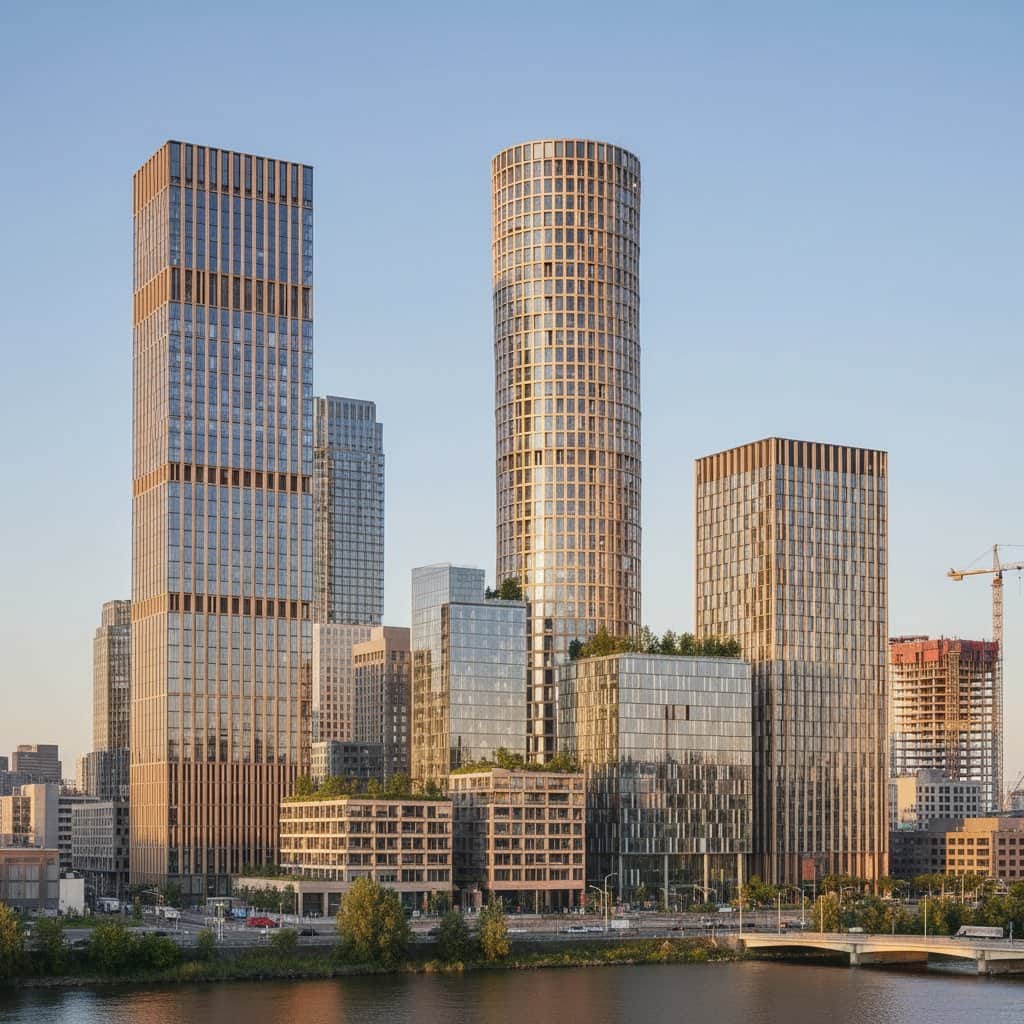
Beginning in 2026, updated building codes permit mass timber structures to reach unprecedented heights, combining environmental responsibility, rapid assembly, and inviting natural elements to foster more livable urban environments.
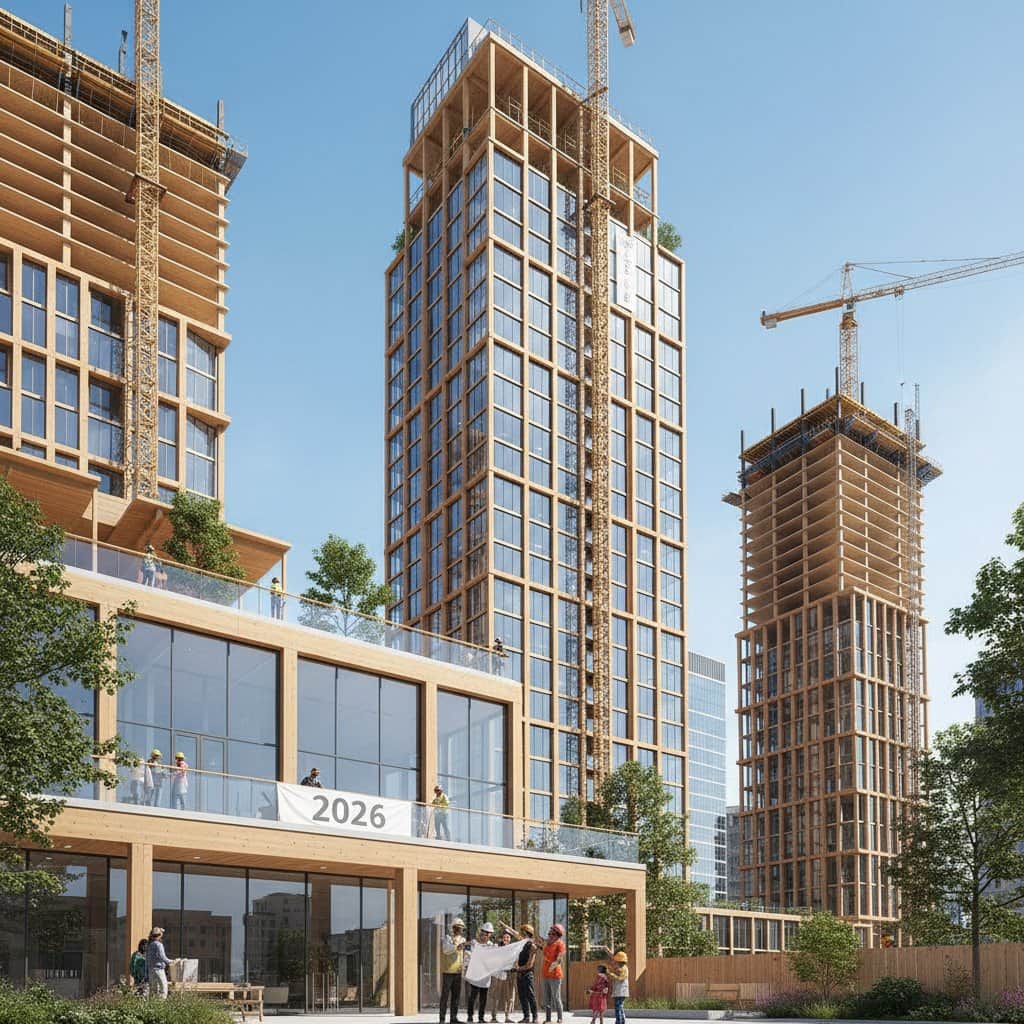
The 2026 building codes mark a pivotal shift for mass timber in high-rise construction. These regulations permit taller buildings using cross-laminated timber, which matches the strength of steel and concrete while significantly reducing carbon emissions. Architects, builders, and residents gain from quicker projects, innovative designs, and warmer living spaces that transform city landscapes.
© 2026 Multi HB. All rights reserved.