Hempcrete & Mycelium Replace Concrete's Carbon Cost
Hempcrete and mycelium redefine sustainable building with carbon-sequestering, breathable materials that enhance insulation, air quality, and natural aesthetics beyond concrete's capabilities.
Loading...
Articles tagged with sustainable
Hempcrete and mycelium redefine sustainable building with carbon-sequestering, breathable materials that enhance insulation, air quality, and natural aesthetics beyond concrete's capabilities.
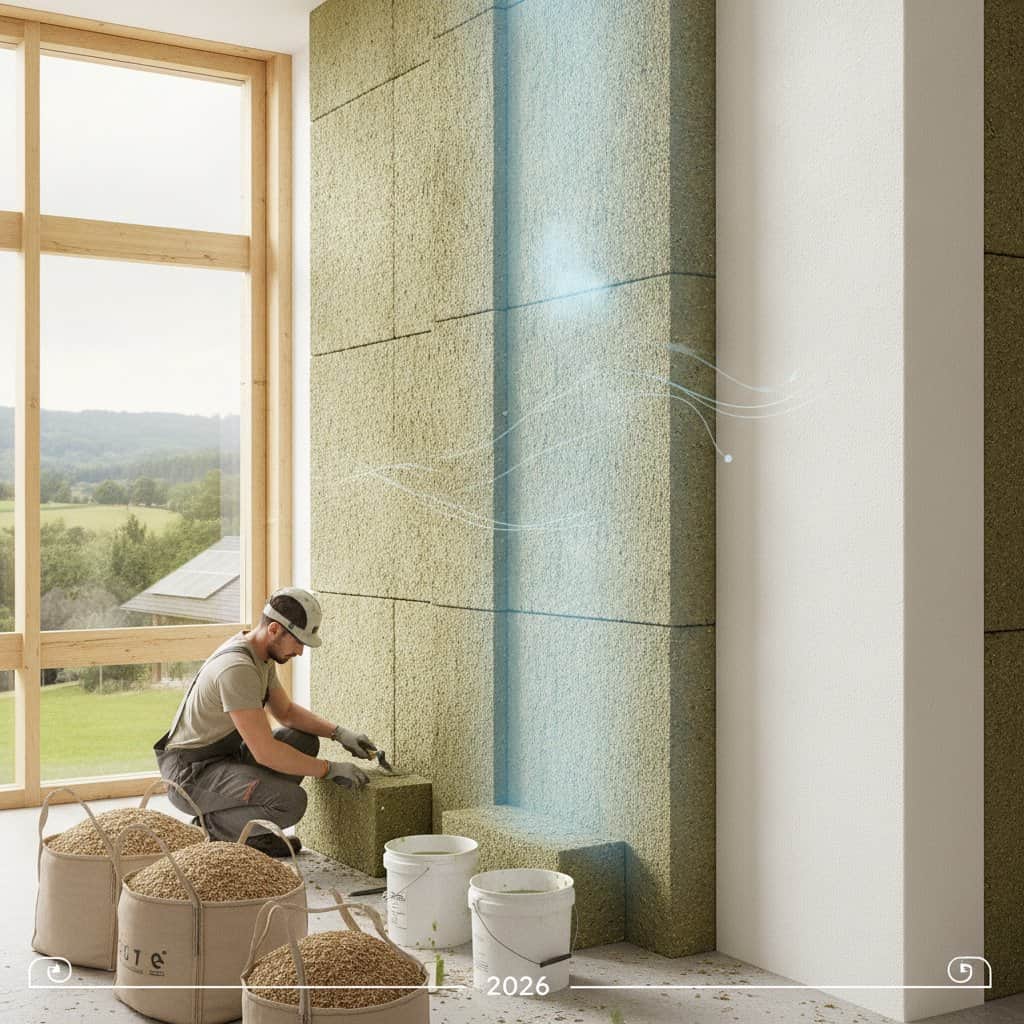
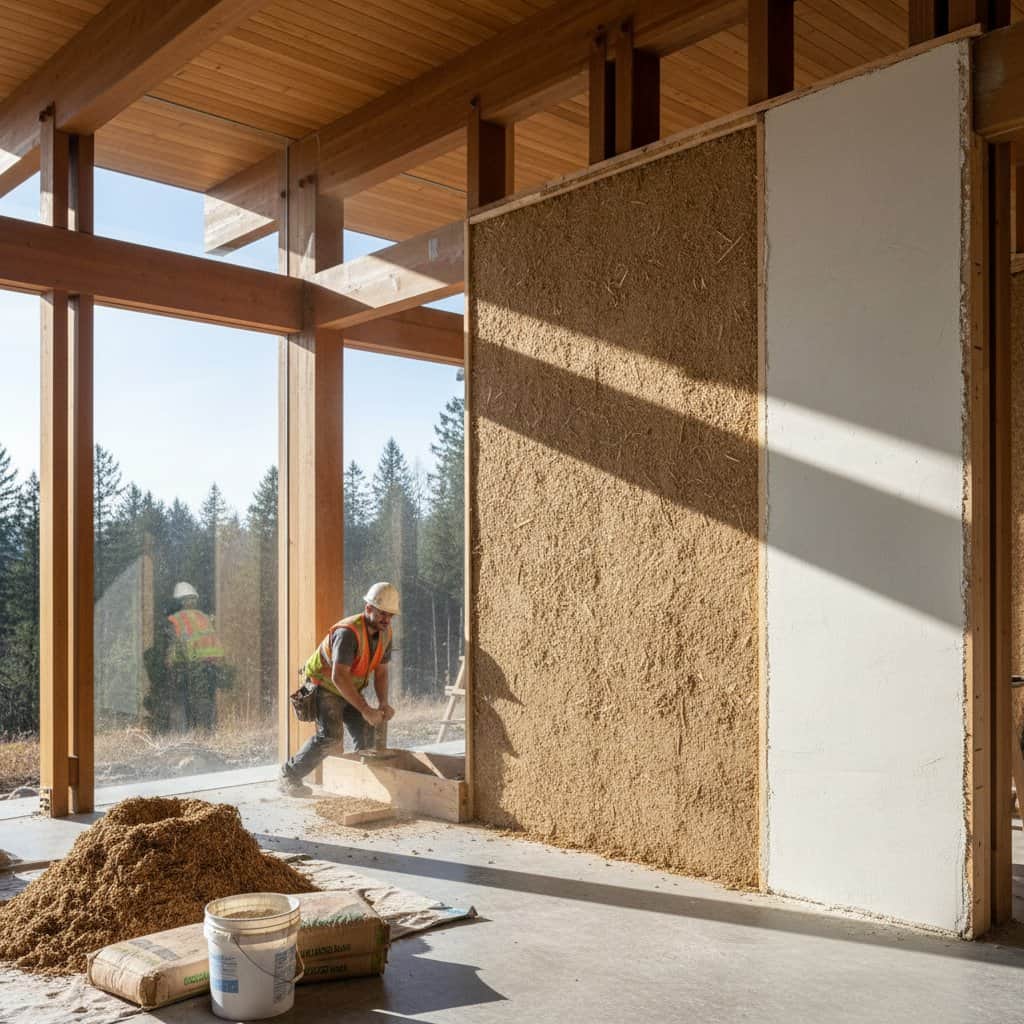
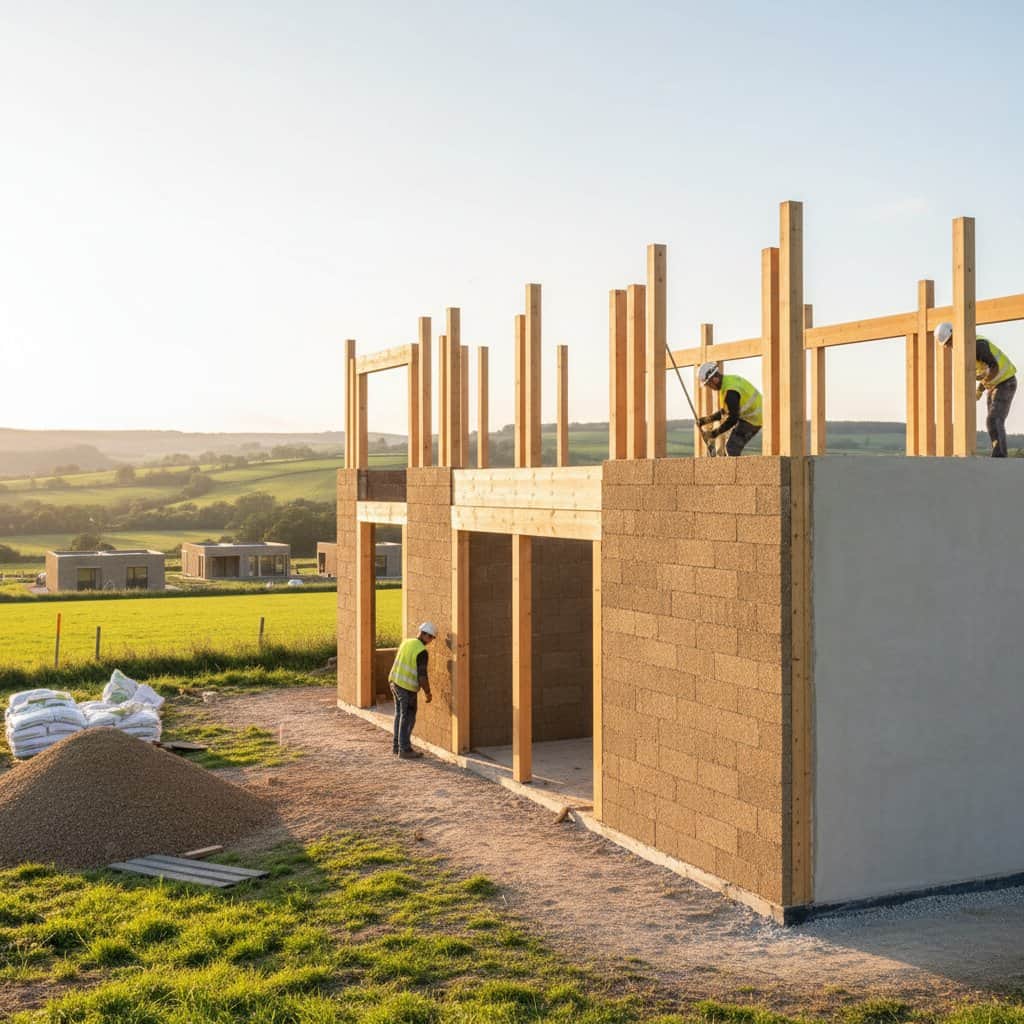
Hempcrete, composed of hemp hurds, lime, and water, revolutionizes sustainable building. With official approval in select regions, it delivers breathable, carbon-negative walls that naturally manage temperature and humidity. Lightweight, fire-resistant, and aesthetically versatile, hempcrete integrates design excellence with environmental responsibility, enabling builders and homeowners to craft inviting, eco-conscious environments.
Hempcrete transforms sustainable construction through carbon-negative walls that regulate temperature, improve air quality, and endure for decades. Builders and homeowners adopt its natural durability and efficiency, paving the way for mainstream regenerative architecture in 2025.
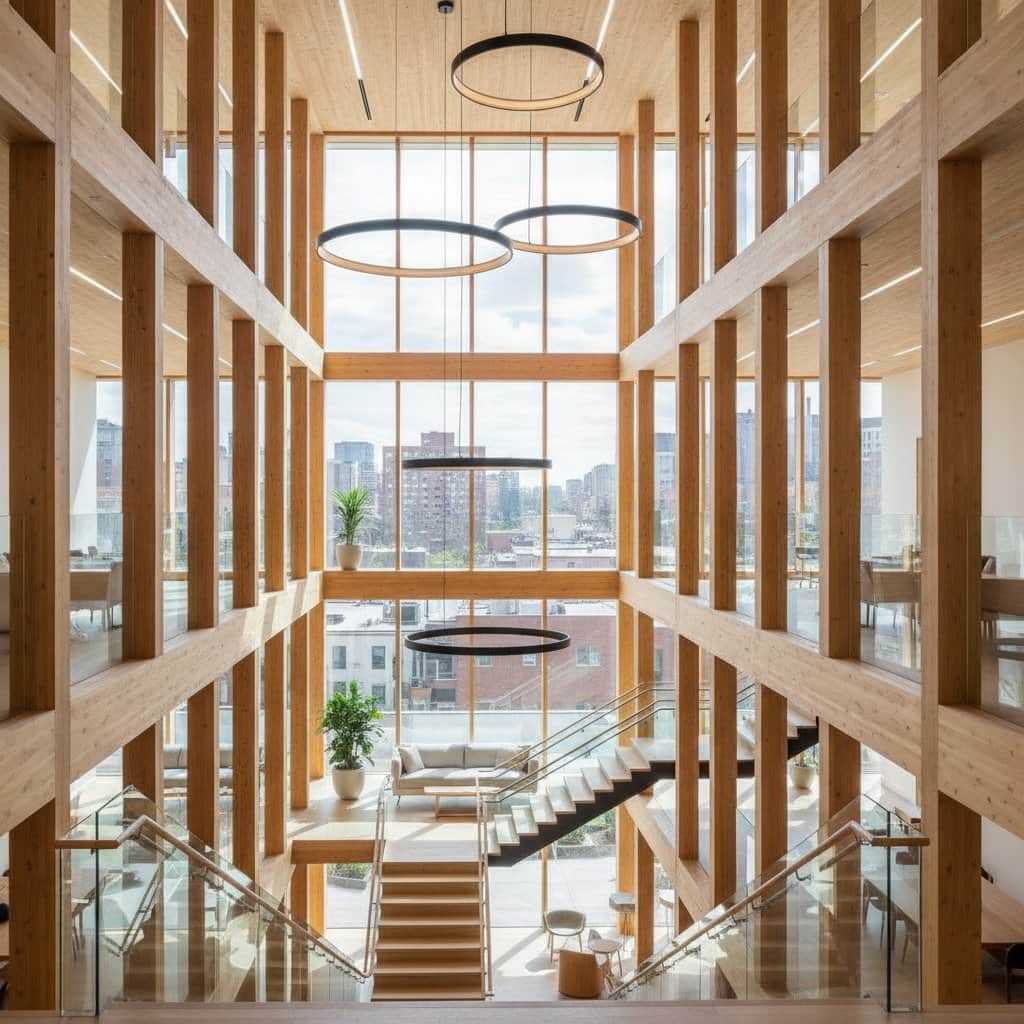
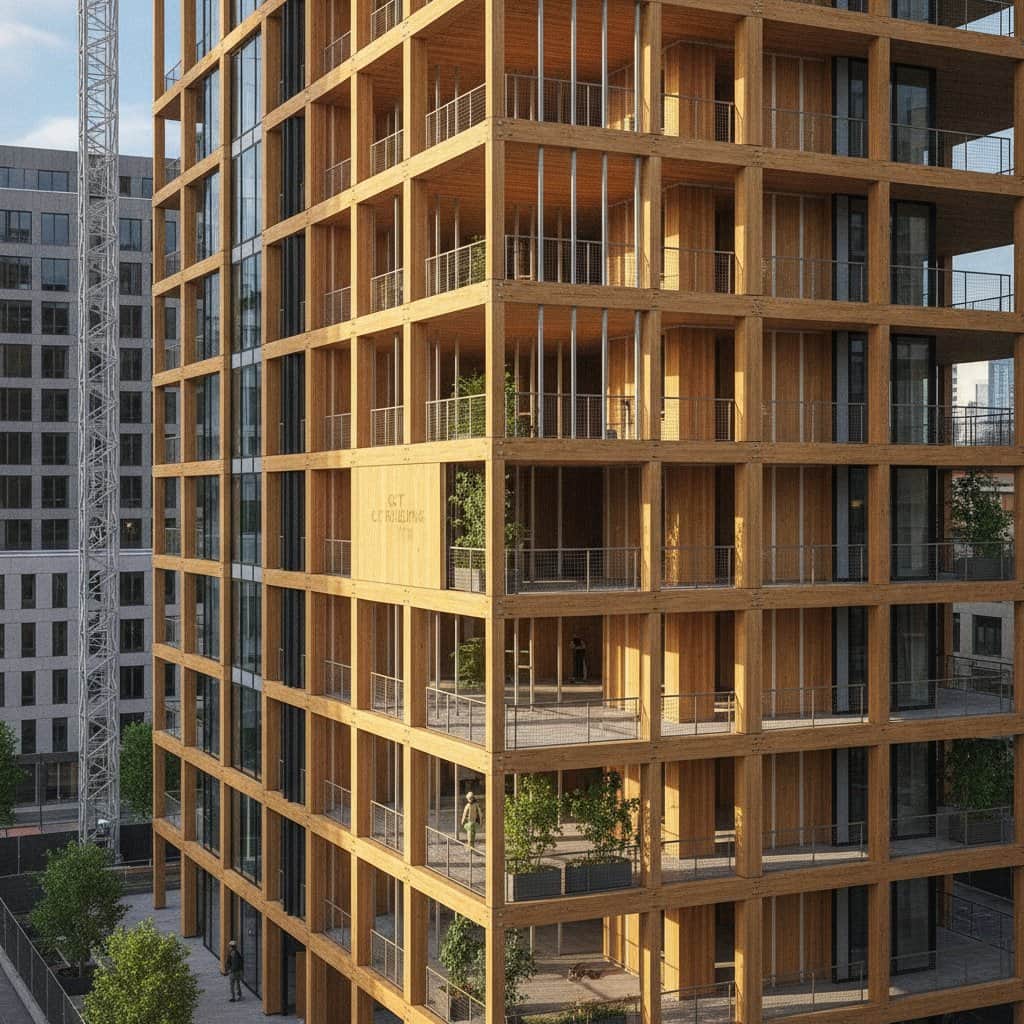
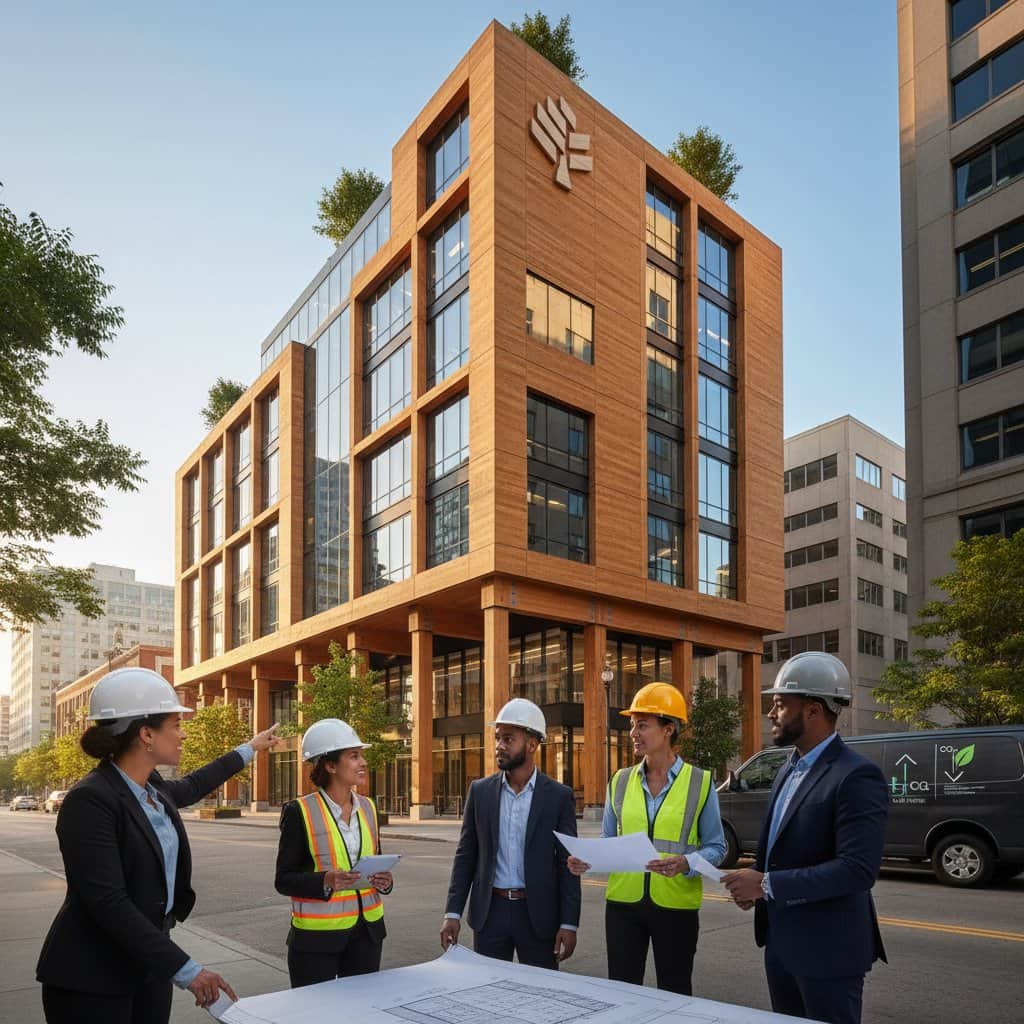
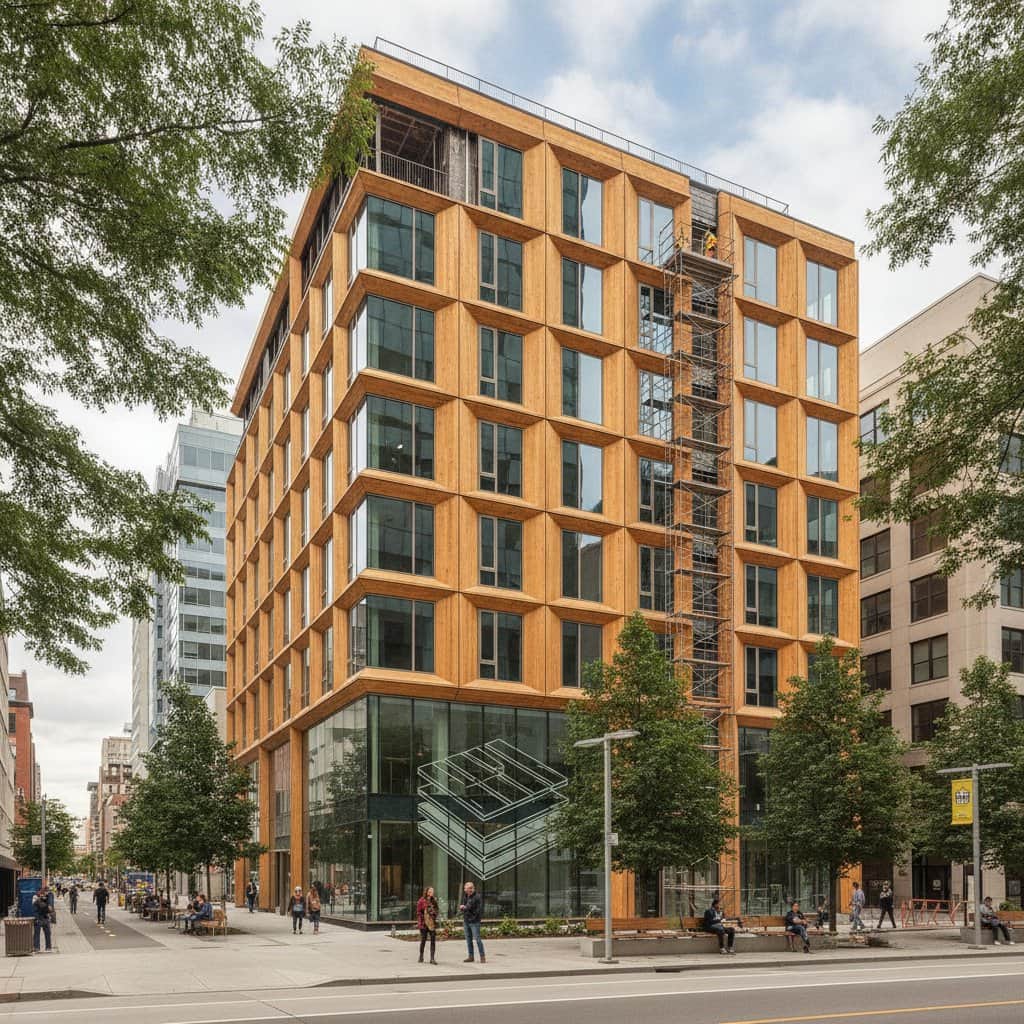
Regulatory updates in 15 states now permit taller mass timber buildings, driving innovation in sustainable architecture. Cross-laminated timber (CLT) delivers structural integrity, environmental benefits, and aesthetic appeal. This shift influences construction timelines, costs, and community development, opening doors for residential and commercial projects alike.
Hempcrete, a carbon-negative mixture of hemp, lime, and water, has received approval in 12 states as a viable alternative to traditional concrete. This lightweight, breathable material enhances energy efficiency and promotes healthier living spaces. Builders value its durability, low maintenance, and positive environmental impact, marking a significant advancement in green building practices across the nation.
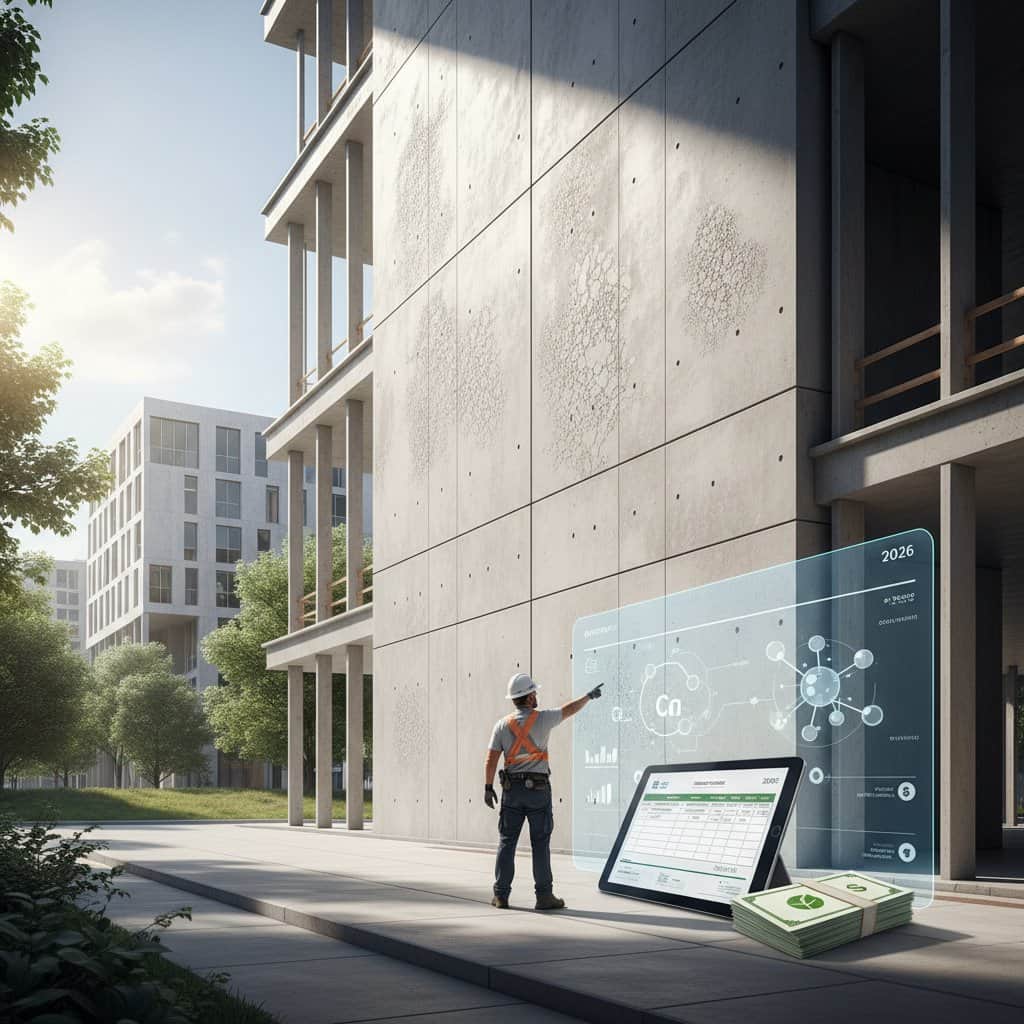
Concrete's environmental impact prompts a shift to hempcrete and mycelium, renewable materials from plants and fungi that provide insulation, breathability, and sustainability for innovative building projects.
Hempcrete emerges as a mainstream choice for construction in 2025, blending hemp, lime, and water into a breathable, carbon-capturing material. Builders and homeowners value its natural insulation, adaptability, and ability to foster energy-efficient, serene living spaces that prioritize sustainability without sacrificing modern aesthetics.
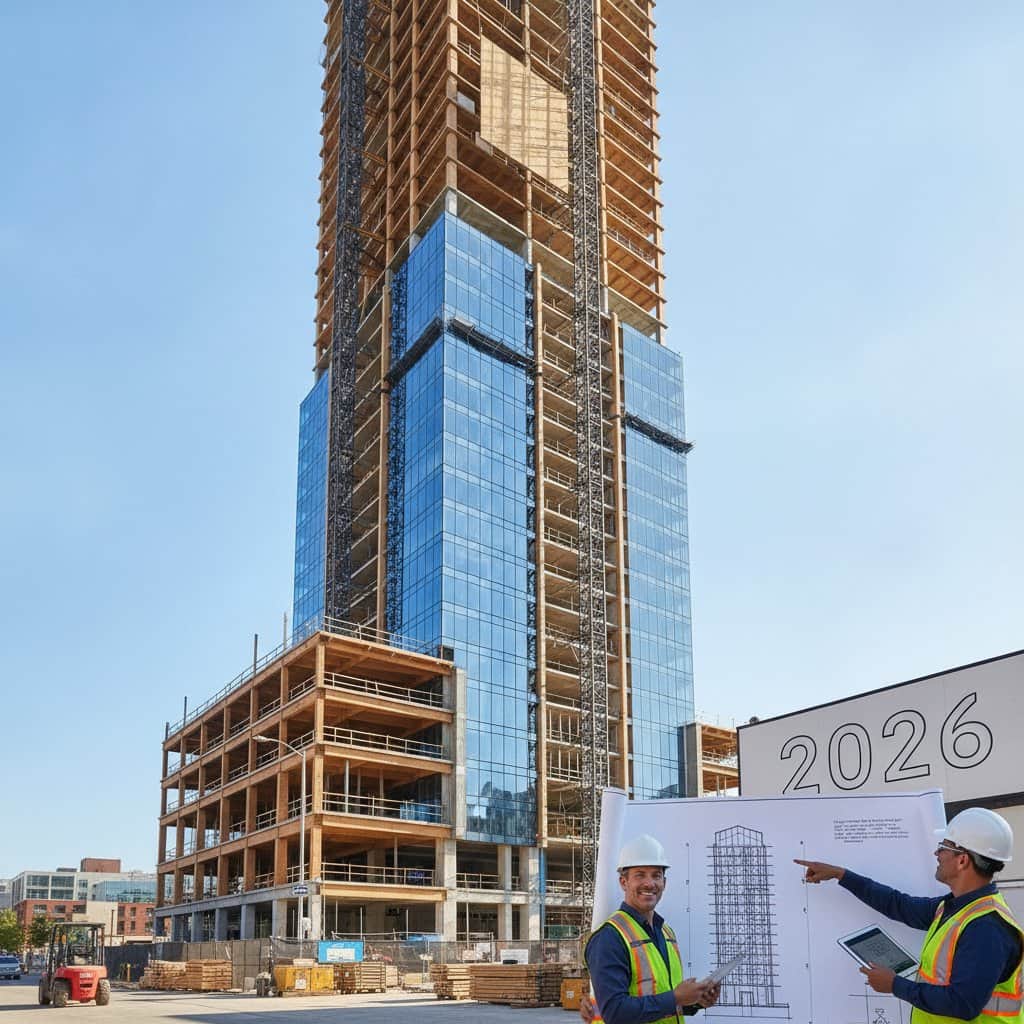
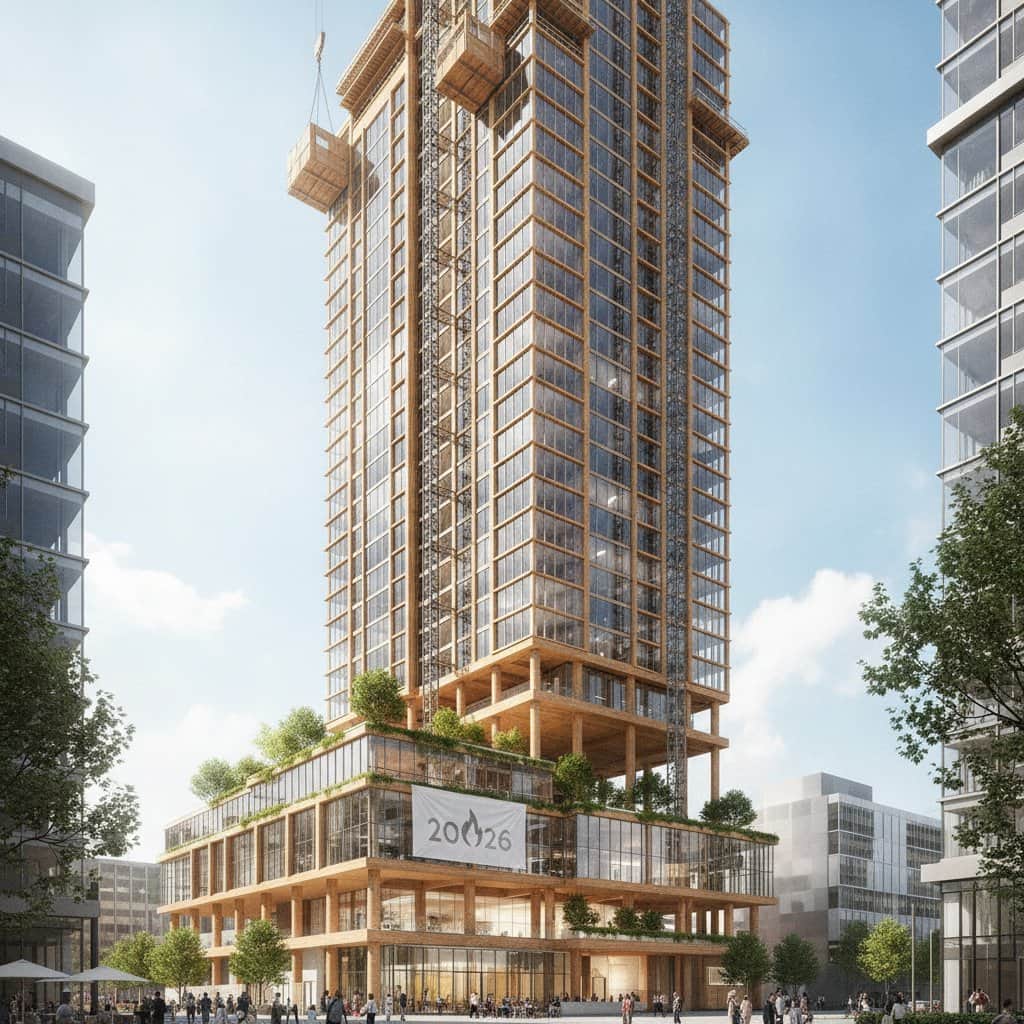
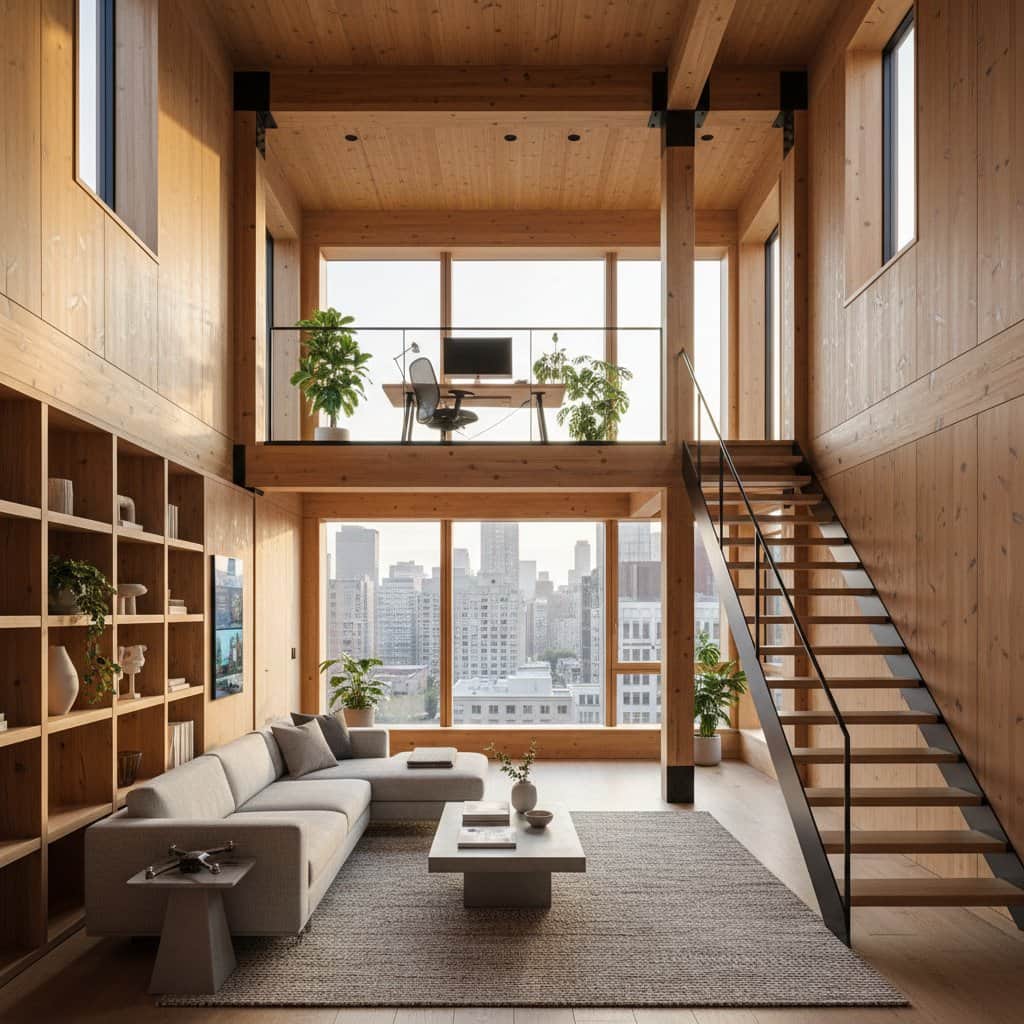
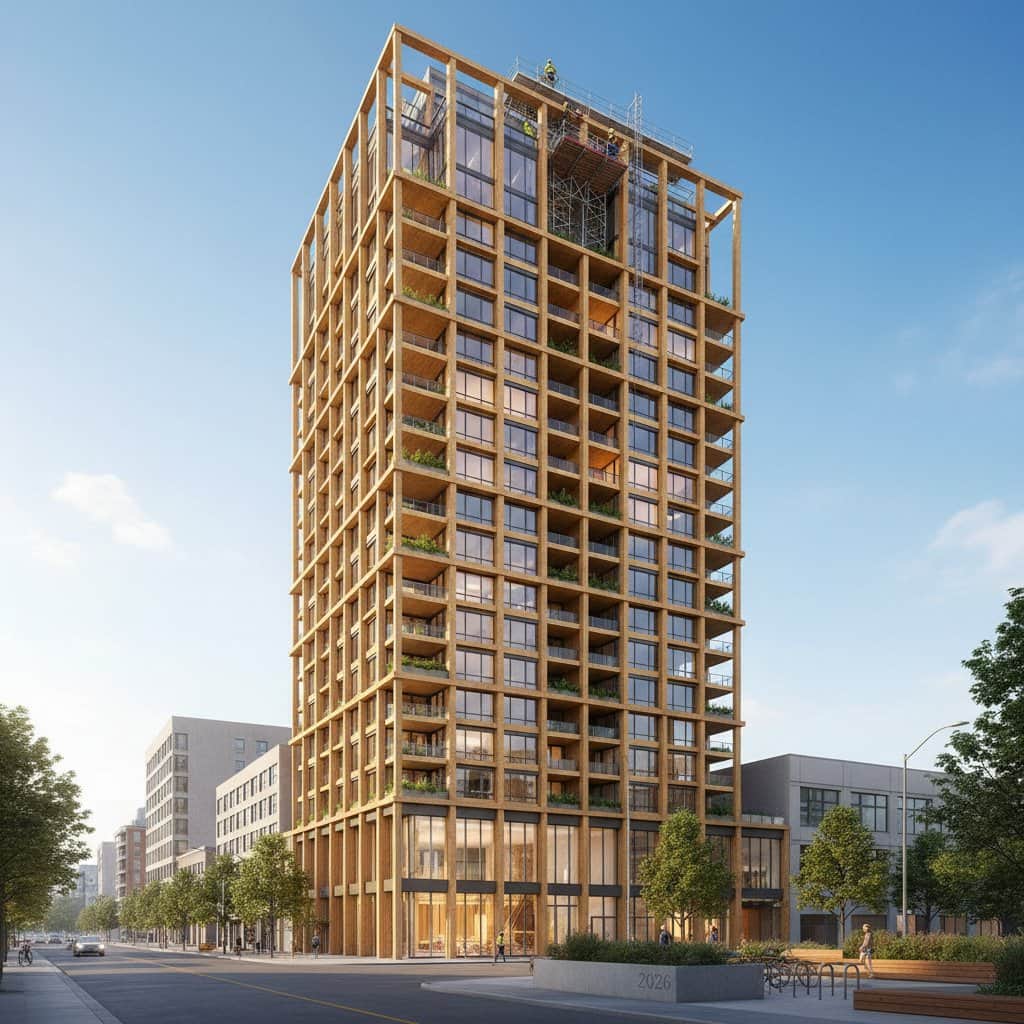
Mass timber transforms urban landscapes through approvals for 20-story wood towers that combine sustainability, rapid construction, and natural aesthetics. Engineered products like cross-laminated timber match concrete's strength, sequester carbon, and enhance city living with warmth and efficiency. This evolution bridges innovation and environmental responsibility for architects, builders, and residents alike.
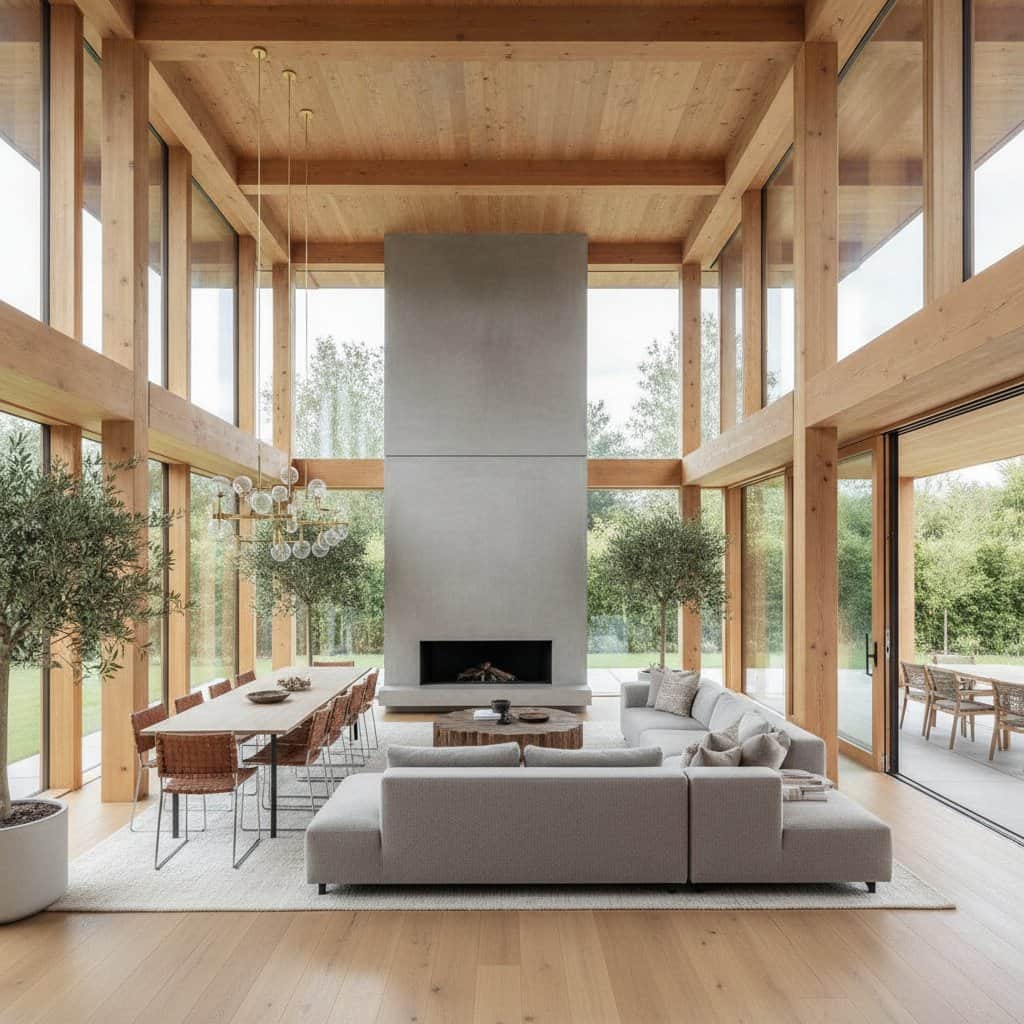
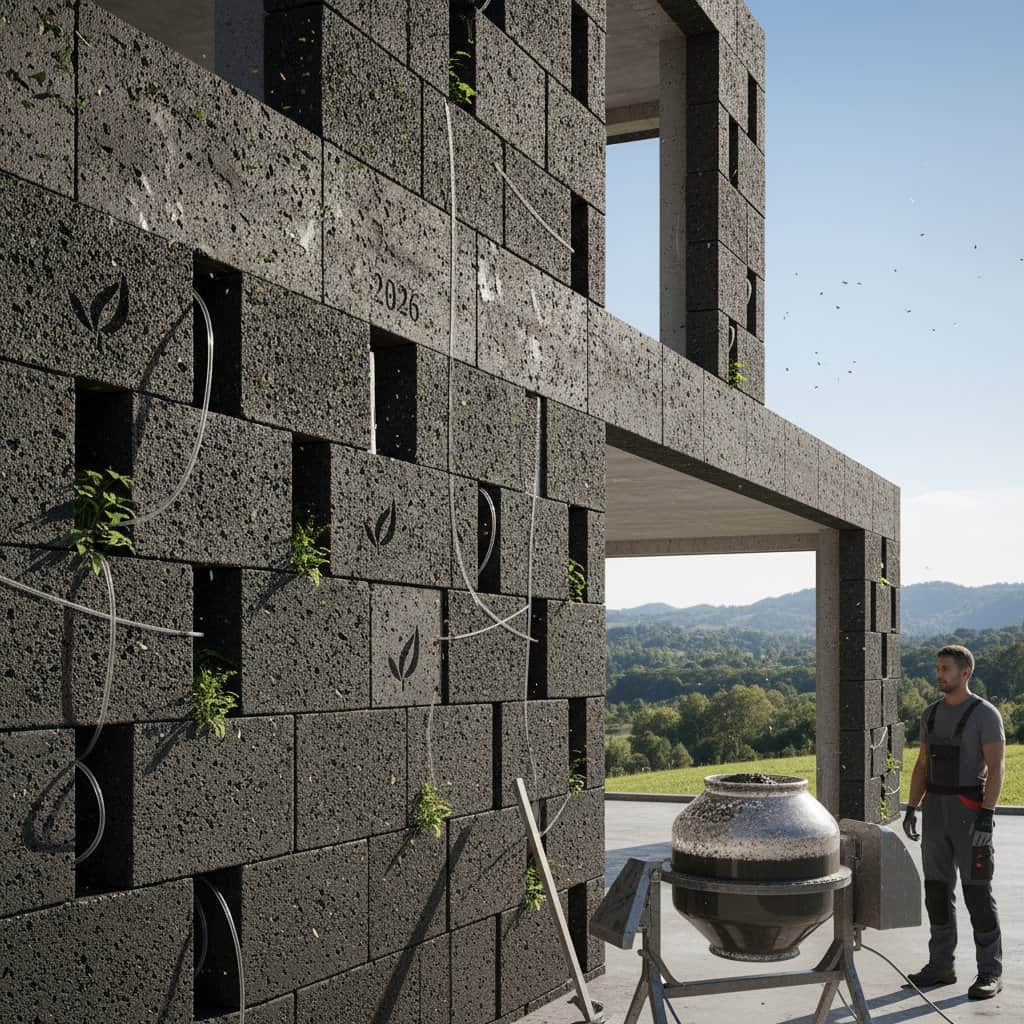
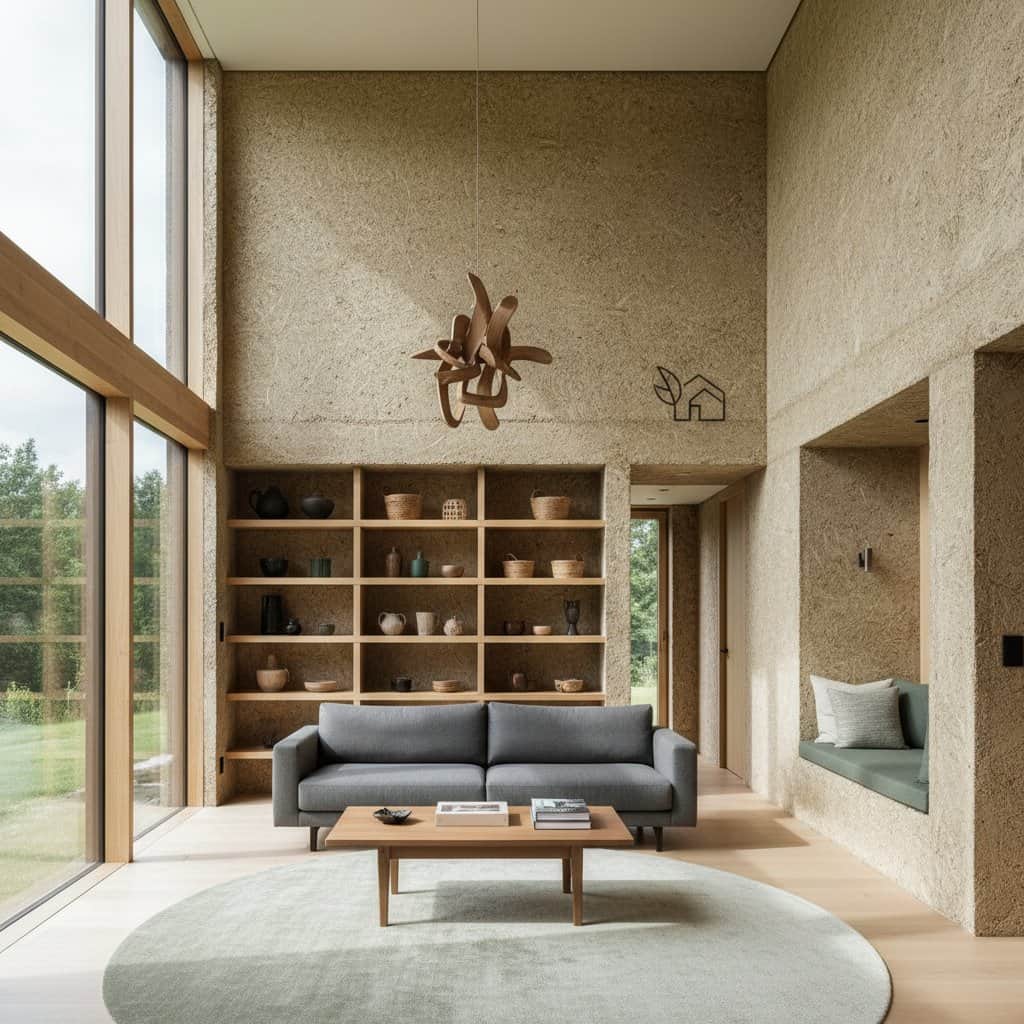
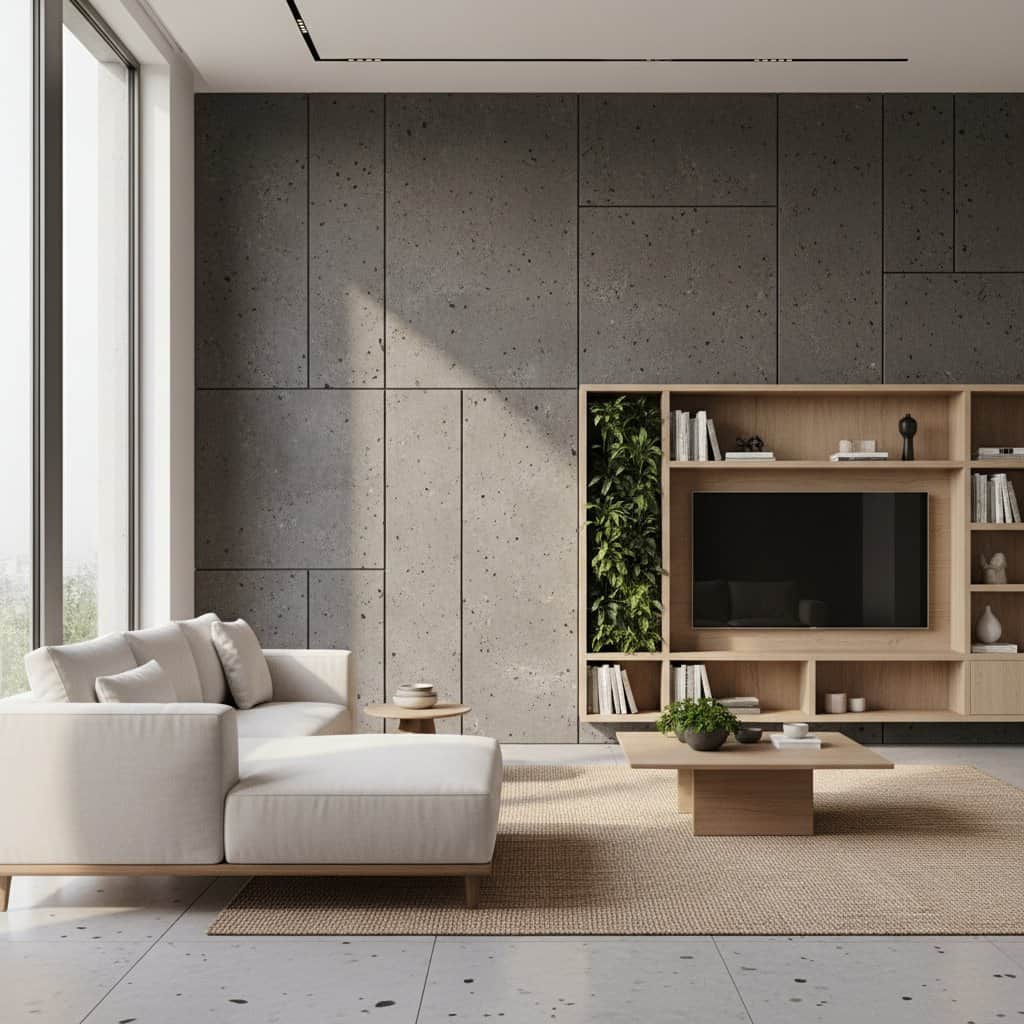
Hempcrete and mycelium represent a shift in sustainable construction, offering lightweight materials that sequester carbon and provide natural insulation. These options create breathable, resilient structures that enhance comfort and reduce environmental impact. Although non-load-bearing, they integrate seamlessly into contemporary designs, presenting a viable alternative to conventional concrete for those prioritizing efficiency and ecological responsibility.
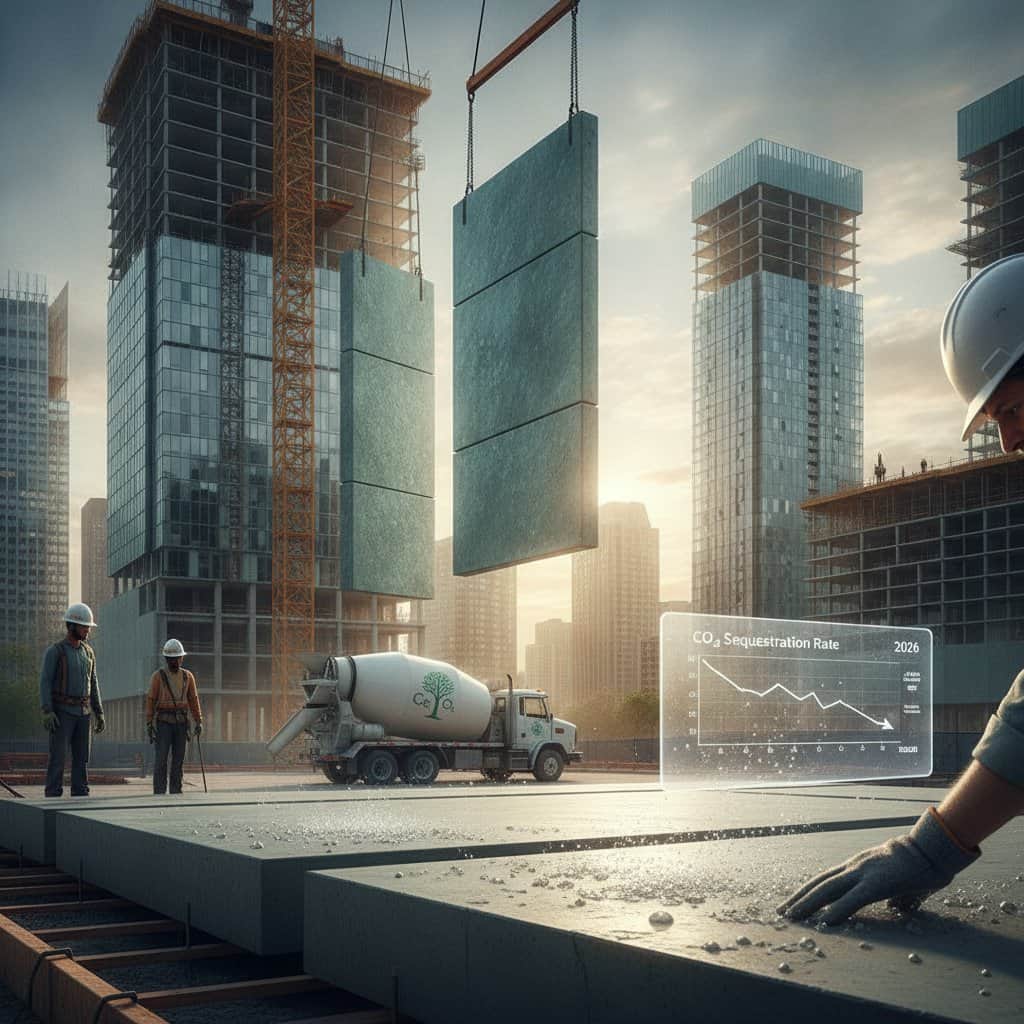
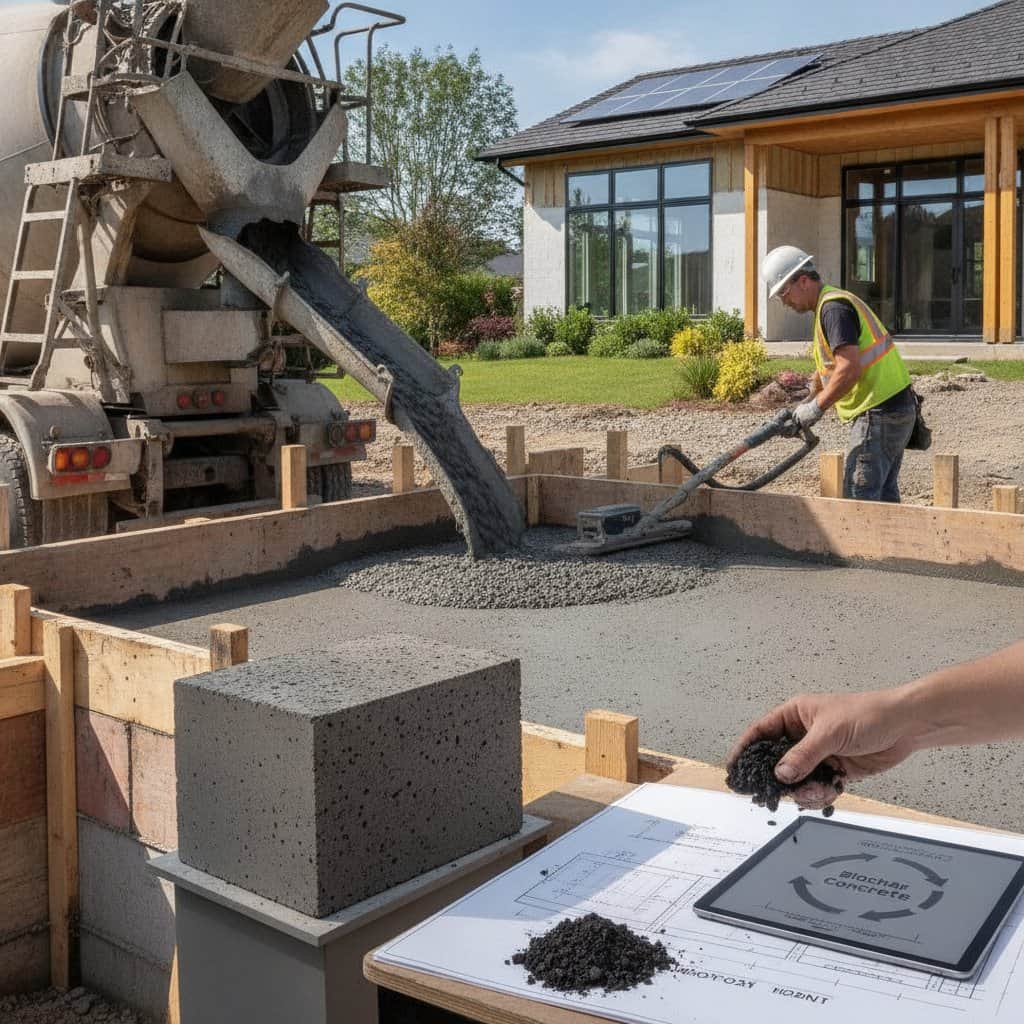
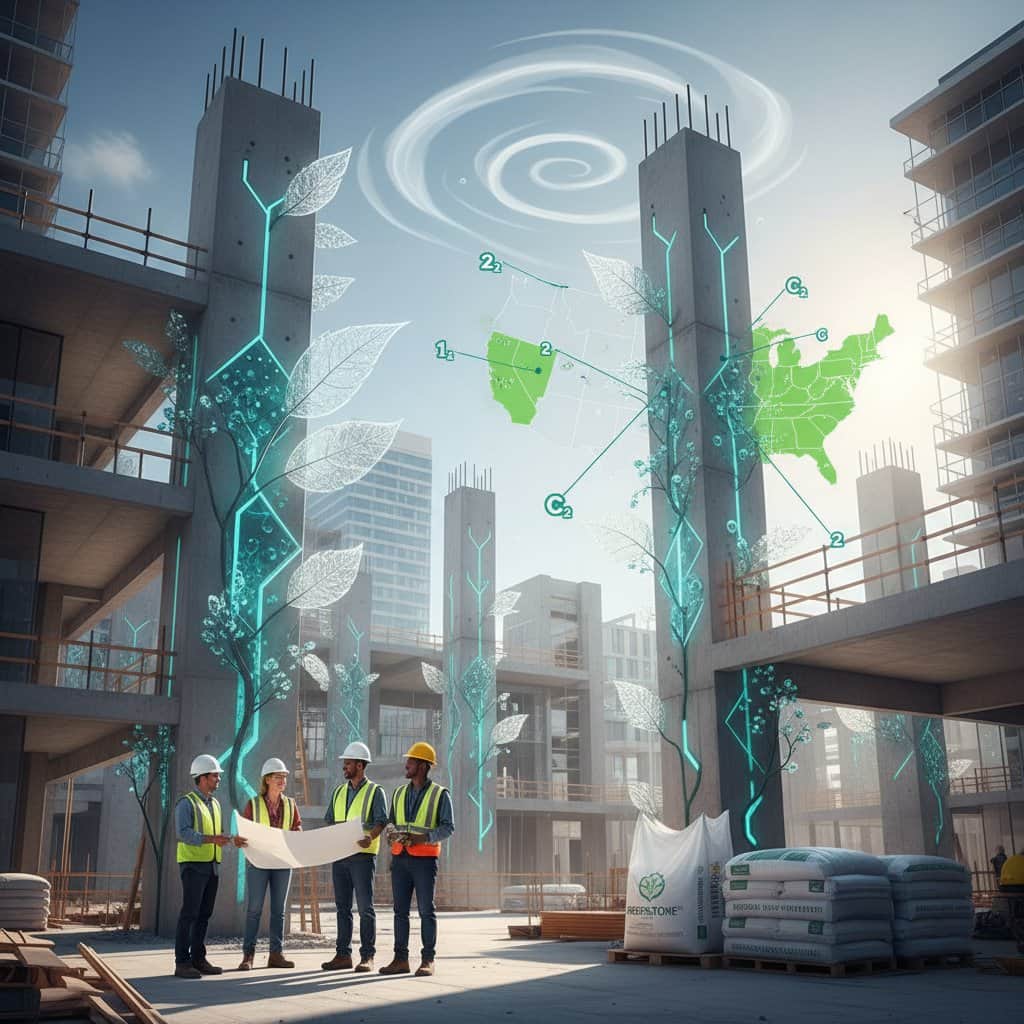
Carbon-negative concrete redefines foundations by absorbing carbon instead of emitting it. This robust material supports sustainable building, from patios to structural bases, blending performance with environmental responsibility.
The 2025 building codes advance cross-laminated timber (CLT) for taller towers, mainstreaming eco-friendly skyscrapers. CLT matches steel and concrete in performance while cutting emissions, enabling swift assembly, natural interiors, and revitalized urban landscapes.
Hempcrete and ashcrete revolutionize building practices by providing breathable, low-carbon materials derived from hemp and recycled fly ash. These options deliver superior insulation, durability, and comfort, enabling environmentally conscious designs without compromising on performance.
Hempcrete, a sustainable blend of hemp, lime, and water, gains traction with approvals in 12 states for 2025. This breathable material delivers superior insulation, moisture regulation, and fire resistance, paving the way for healthier, code-compliant structures.
Five U.S. states have integrated hempcrete into residential building codes, paving the way for sustainable architecture. This bio-based material, composed of hemp hurd, lime, and water, provides superior insulation, fire resistance, and moisture management. As adoption grows, builders highlight its role in creating durable, healthful living environments.
Hempcrete walls integrate fire resistance, moisture regulation, and carbon sequestration into the building fabric. Composed of hemp hurds, lime, and water, this material delivers breathable, durable protection that enhances safety and environmental health, offering a superior alternative to chemical-based fireproofing.
Hempcrete is redefining sustainable construction in 2025, offering carbon-negative homes that breathe, balance humidity, and naturally regulate temperature. Made from hemp, lime, and water, it locks away CO₂ while enhancing comfort and durability. Builders and homeowners alike are embracing this renewable material that transforms houses into climate-positive living spaces.
Hempcrete, a blend of hemp hurd, lime, and water, revolutionizes green building. This carbon-negative infill produces breathable walls that manage temperature, deter mold and fire, and lock away CO2. Discover why 2025 marks a pivotal year for adopting hempcrete in regenerative, enduring architecture.
In 2025, hempcrete revolutionizes eco-friendly construction with its carbon-negative properties. Composed of hemp hurd, lime, and water, this breathable material offers superior insulation and durability. Learn its advantages, potential drawbacks, and tips for successful implementation in your next build.