Mass Timber Advances: 2026 Code Changes and Comprehensive Cost Analysis
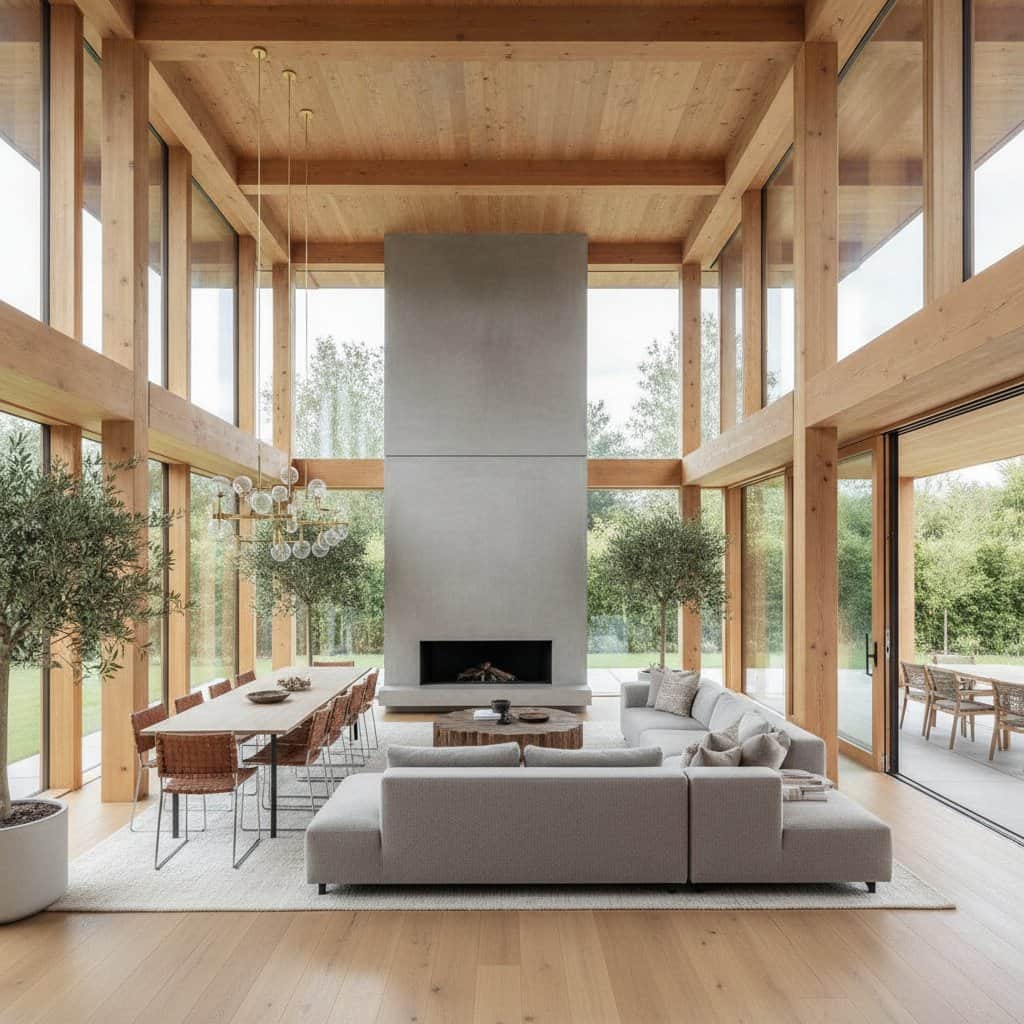
Visualize entering a structure where the subtle aroma of pine lingers and the walls convey a sense of vitality. The visible grain in overhead beams and the tactile warmth of wood surfaces define mass timber buildings. These structures offer a departure from the stark environments of concrete and steel, providing both solidity and serenity.
The Growing Buzz Around Mass Timber
Professionals in architecture and construction increasingly discuss mass timber. Architects value its aesthetic appeal. Builders recognize the efficiency in assembly. Environmental experts highlight the lower carbon emissions compared to traditional materials. Developers frequently inquire about the implications of evolving building codes and actual expenses for upcoming projects.
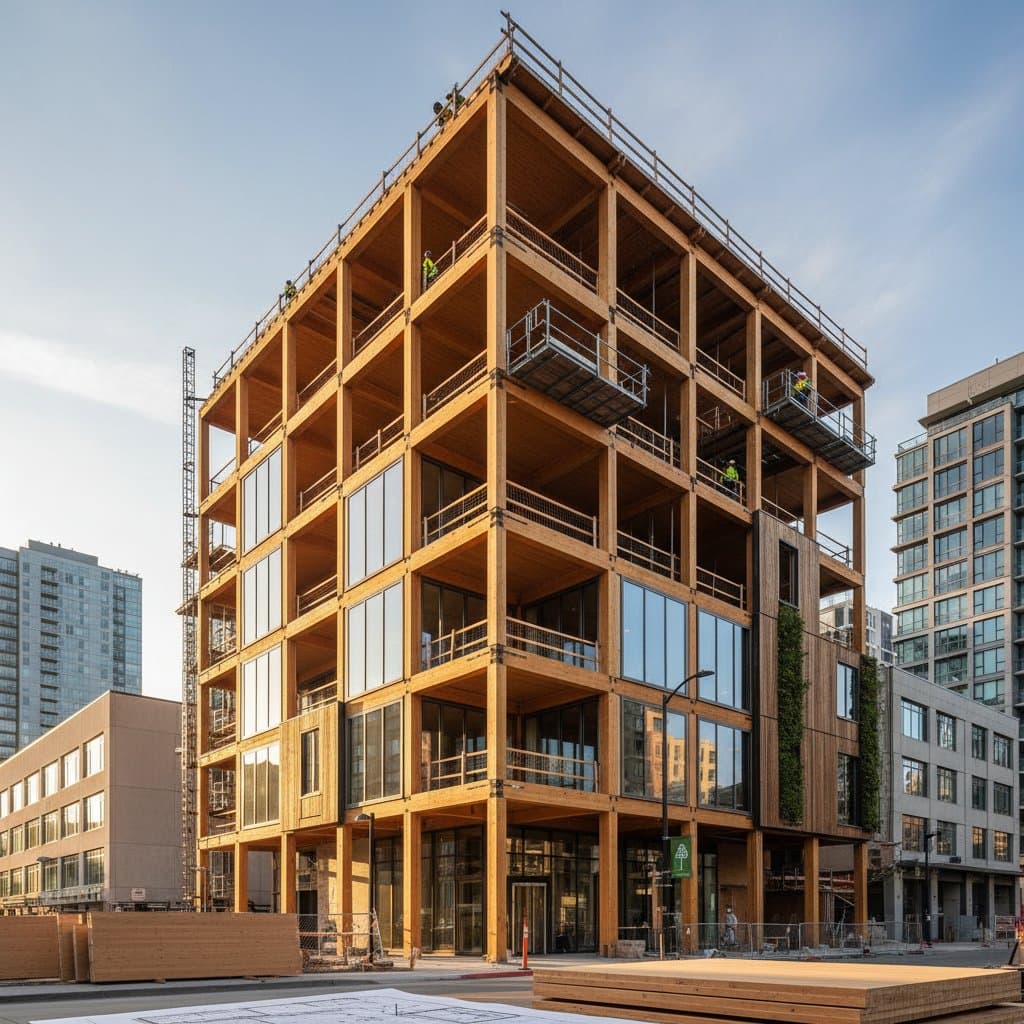
These codes soon permit greater heights and broader applications for cross-laminated timber (CLT) and similar systems. Such expansions could transform a five-story constraint into a viable ten-story design. Developers must evaluate accompanying costs to determine project feasibility.
Decoding the 2026 Code Updates
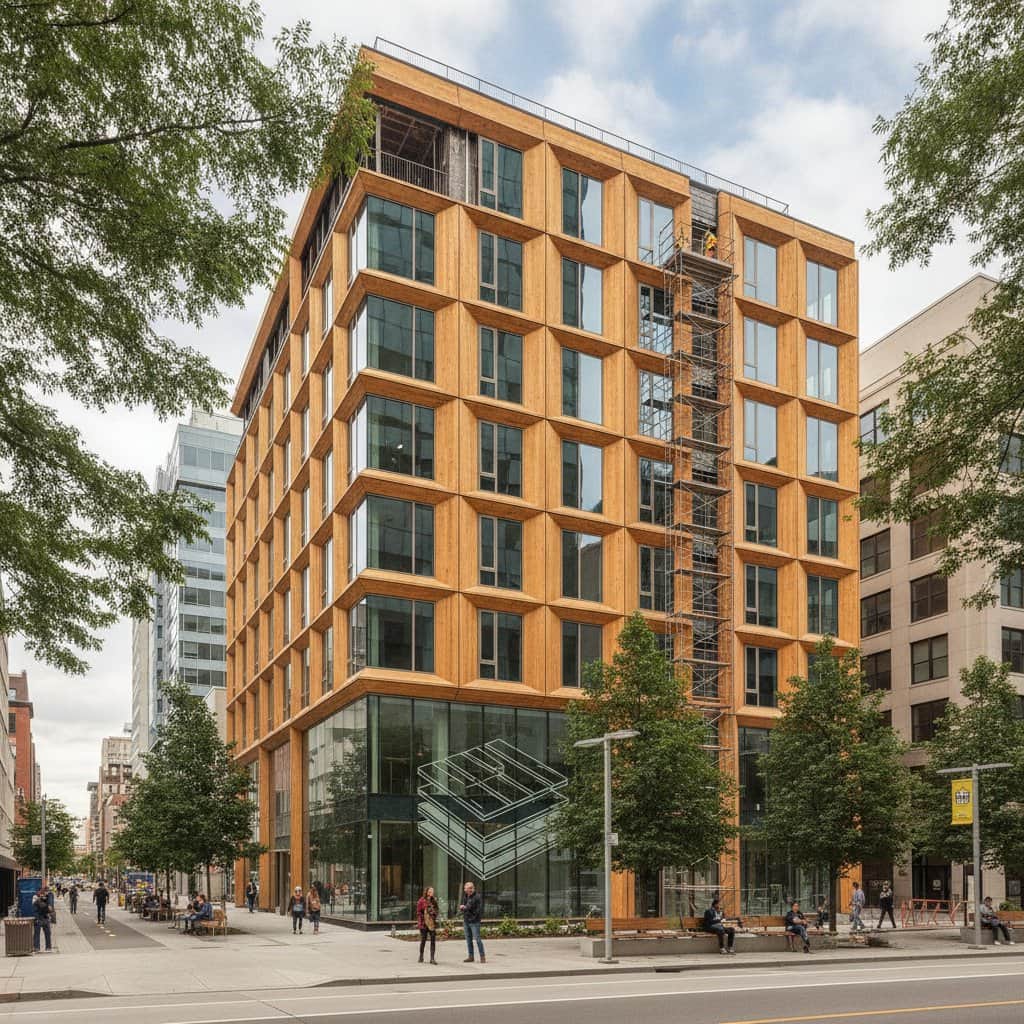
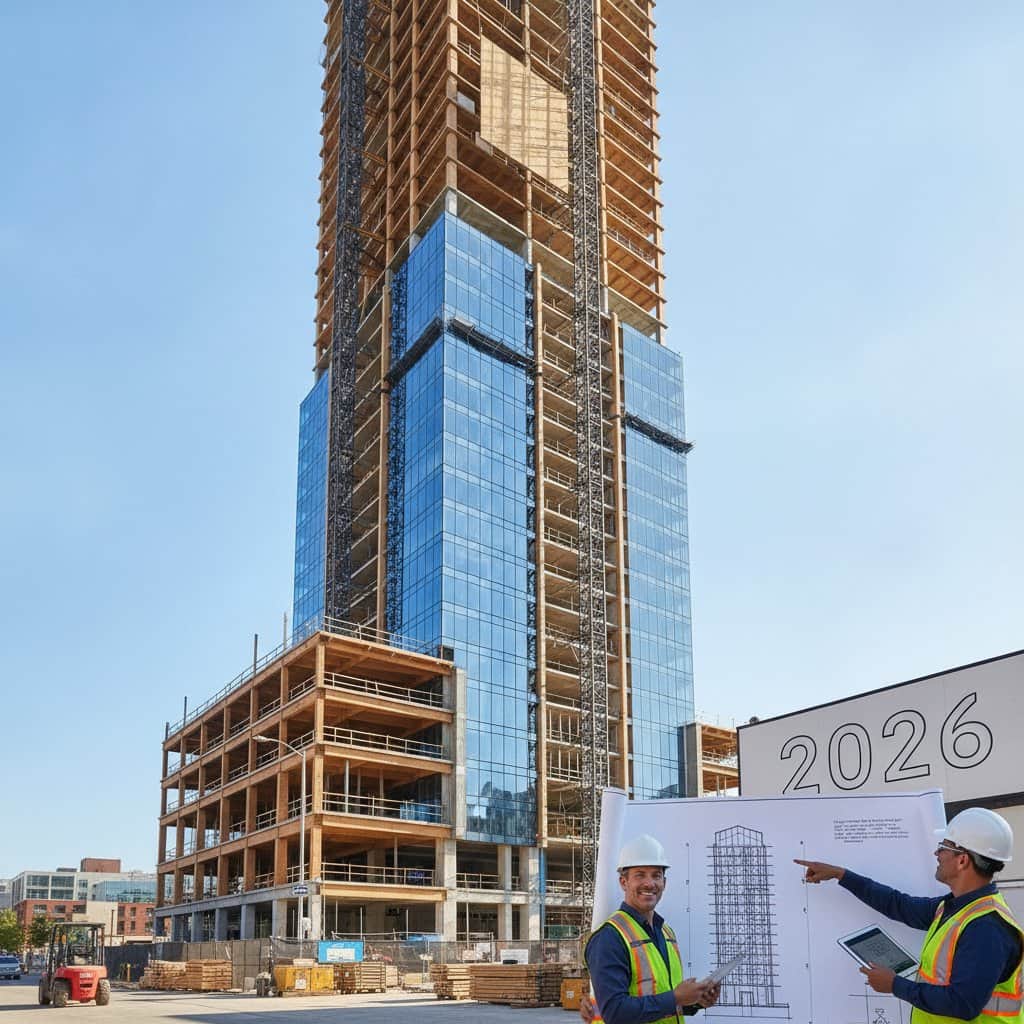
The 2026 code revisions accommodate the proven fire resistance and structural integrity of engineered wood products. Extensive testing demonstrates that mass timber elements form a protective char layer during fires, preserving internal strength for safe evacuation and firefighting. These findings support approvals for taller buildings, up to ten stories in many jurisdictions.
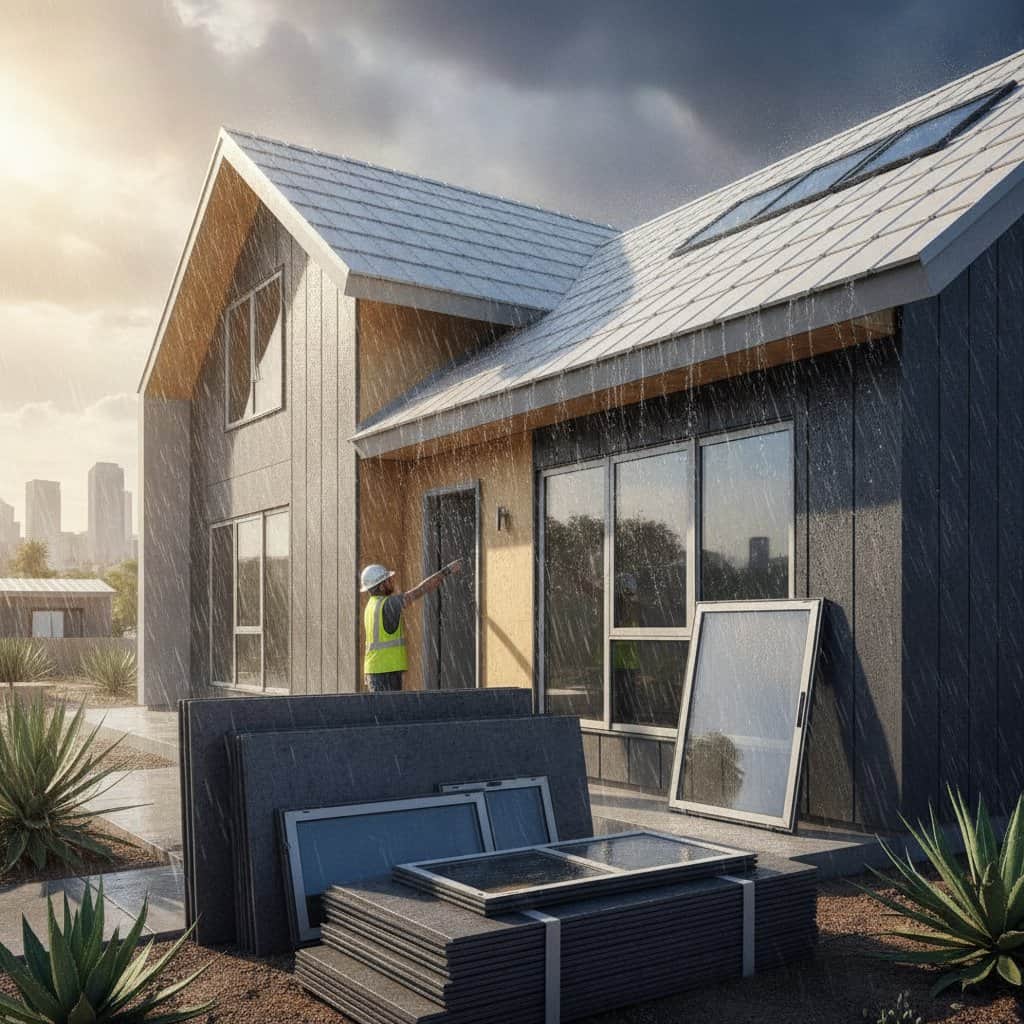
This shift eliminates a primary barrier for mid-rise developments, including residential towers and commercial spaces previously reliant on steel or concrete frames. Prefabrication streamlines the process: CLT panels arrive on-site pre-engineered for rapid installation. Projects often complete structural phases in half the time required for conventional methods, reducing labor demands and weather exposure.
Breaking Down the Actual Costs
Initial perceptions position mass timber as pricier than concrete on a per-square-foot basis. A closer examination reveals offsetting advantages in several key areas:
-
Construction Timeline Acceleration: Prefabricated components minimize on-site work and coordinate fewer subcontractors. One documented project advanced framing completion by four weeks through precise panel labeling and connection systems.
-
Lighter Foundation Requirements: Mass timber structures impose 50 to 70 percent less load than equivalent concrete designs. This allows for shallower footings and reduced excavation, cutting foundation costs by up to 20 percent.
-
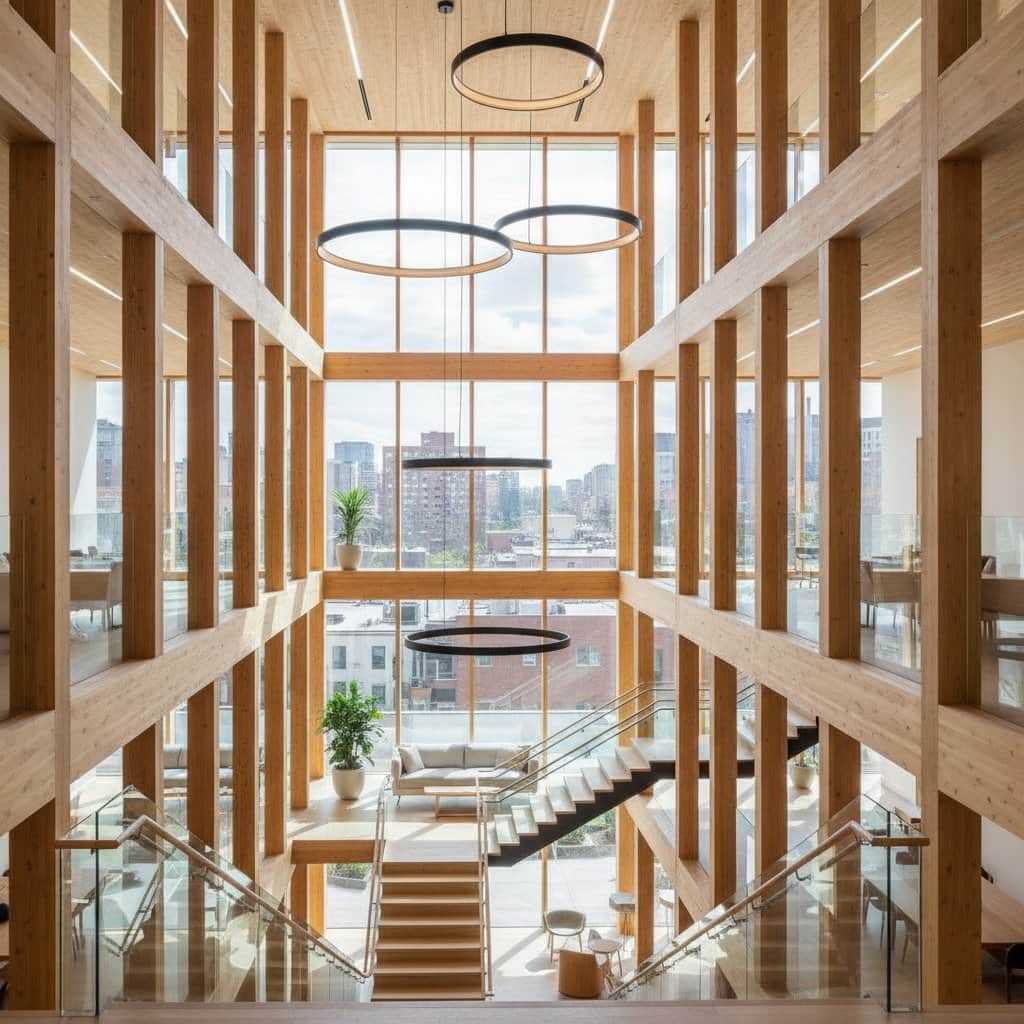
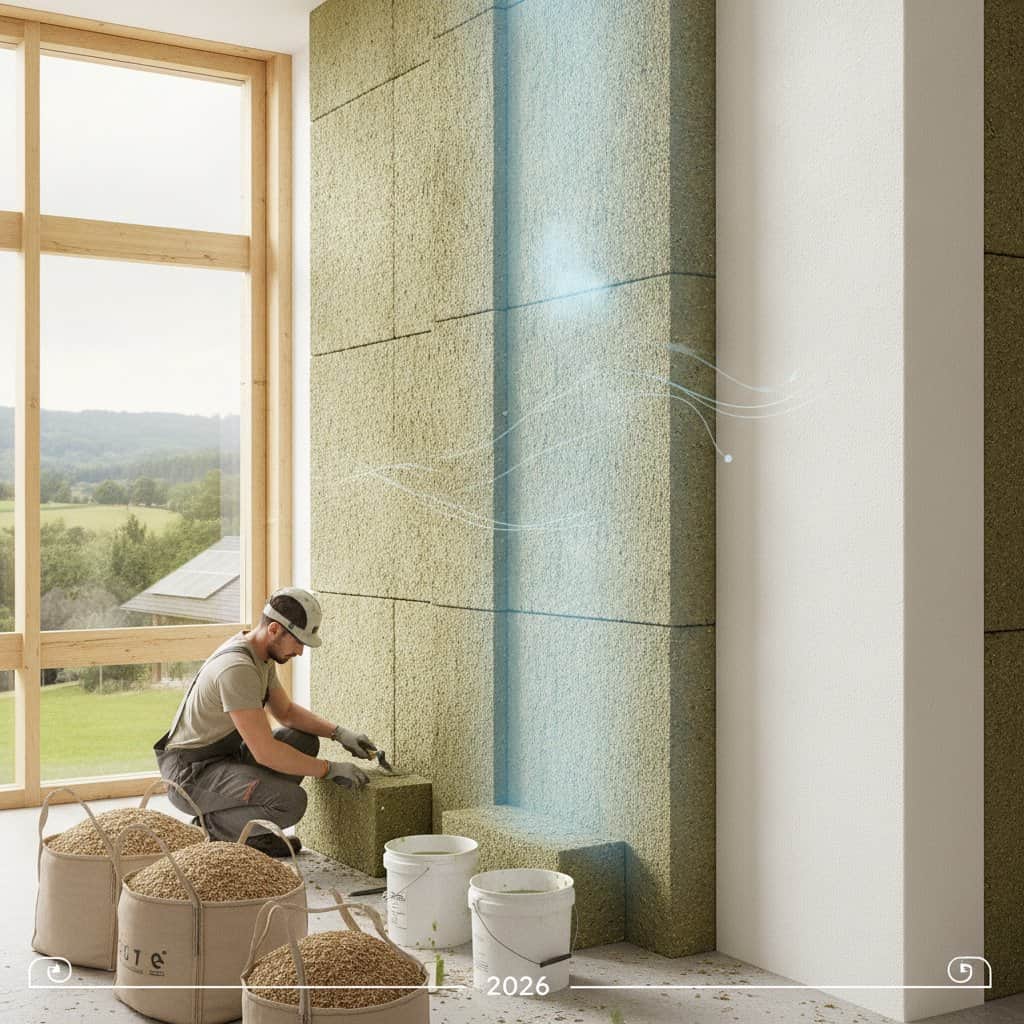
Simplified Interior Work: Exposed timber surfaces often serve as the final finish, bypassing extensive drywall installation and painting. This approach not only saves materials but also enhances the building's inherent beauty.
Offsetting factors include premiums for certified materials, specialized installation teams, and enhanced fireproofing measures. Comprehensive budgeting typically shows mass timber projects aligning within 5 to 10 percent of traditional costs. The added benefits in sustainability and design flexibility often justify any marginal increase.
Securing Supply Chains and Professional Expertise
Mass timber availability lags behind ubiquitous steel and concrete supplies. Proactive planning proves essential. Suppliers within regional networks fabricate CLT panels and glulam beams, often sourcing lumber from nearby forests to minimize transport emissions. Emerging local producers offer scalable options for projects ranging from single-family homes to mid-sized offices.
Engage architects and structural engineers experienced in timber construction early. These professionals navigate challenges like vapor barriers for moisture control, soundproofing integrations, and compliance with fire codes. Verify team credentials by reviewing portfolios of completed mass timber installations. For instance, experts adept at embedding HVAC ducts within CLT assemblies prevent structural disruptions and streamline mechanical layouts.
Balancing Sustainability with Practical Upkeep
Mass timber excels in environmental performance by sequestering carbon from sustainably harvested forests. Production demands far less energy than cement or steel manufacturing, with certifications from organizations such as the Forest Stewardship Council ensuring ethical sourcing. These attributes position mass timber as a leader in green building certifications like LEED.
Maintenance requires attention to longevity. Apply protective sealants to exposed surfaces to guard against humidity fluctuations. Periodic inspections every five to seven years address minor wear, though the material's durability often outpaces expectations. High-traffic zones benefit from non-slip treatments on wood floors, and automatic sprinklers interface seamlessly with timber elements.
Proper design ensures these buildings achieve superior safety metrics, including enhanced seismic resilience due to timber's flexibility. Overall, mass timber structures deliver performance on par with or exceeding non-wood alternatives.
Steps to Integrate Mass Timber Successfully
Begin project evaluation with a detailed feasibility assessment. Review local code interpretations, material sourcing options, and alignment with design objectives. Obtain preliminary quotes from multiple vendors, including timber specialists, to benchmark expenses accurately.
Consult jurisdictional authorities on permit processes under the new codes. Assemble a multidisciplinary team comprising timber-savvy architects, engineers, and contractors to mitigate risks. Pilot smaller-scale elements, such as facade panels, to build familiarity before committing to full structures.
Mass timber represents a sophisticated fusion of natural resources and advanced engineering. The 2026 codes unlock taller profiles and efficient builds, while strategic cost management unlocks substantial returns. Developers embracing this material gain structures that prioritize occupant well-being, environmental responsibility, and enduring value.