Mass Timber High-Rises See Code Approvals Expand by 2026
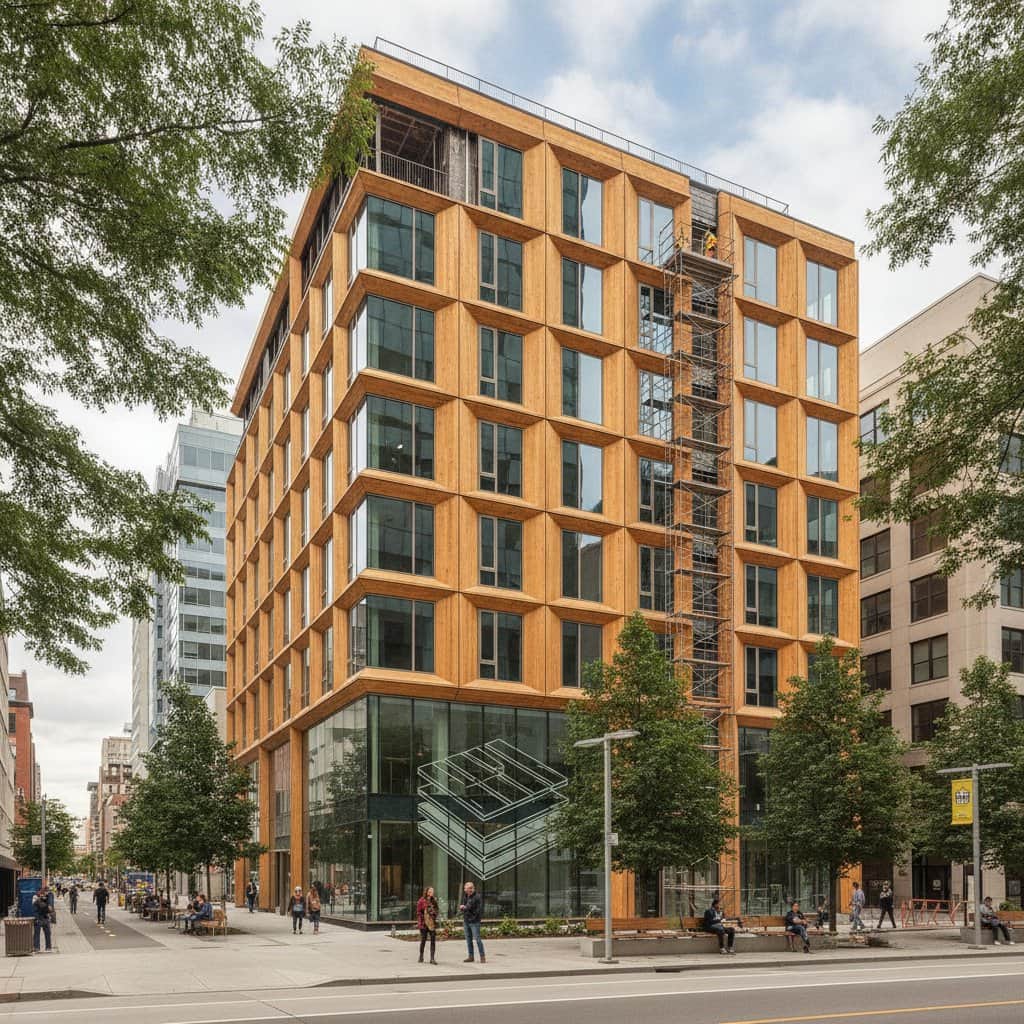
Imagine standing on a quiet downtown street and looking up to see a high-rise finished in warm wood tones instead of cold glass and steel. The grain catches light differently at every hour and softens the skyline. The first time I visited a mass timber tower under construction, the scent of fresh pine rose through the air. That moment showed how the future of tall buildings could feel more alive.
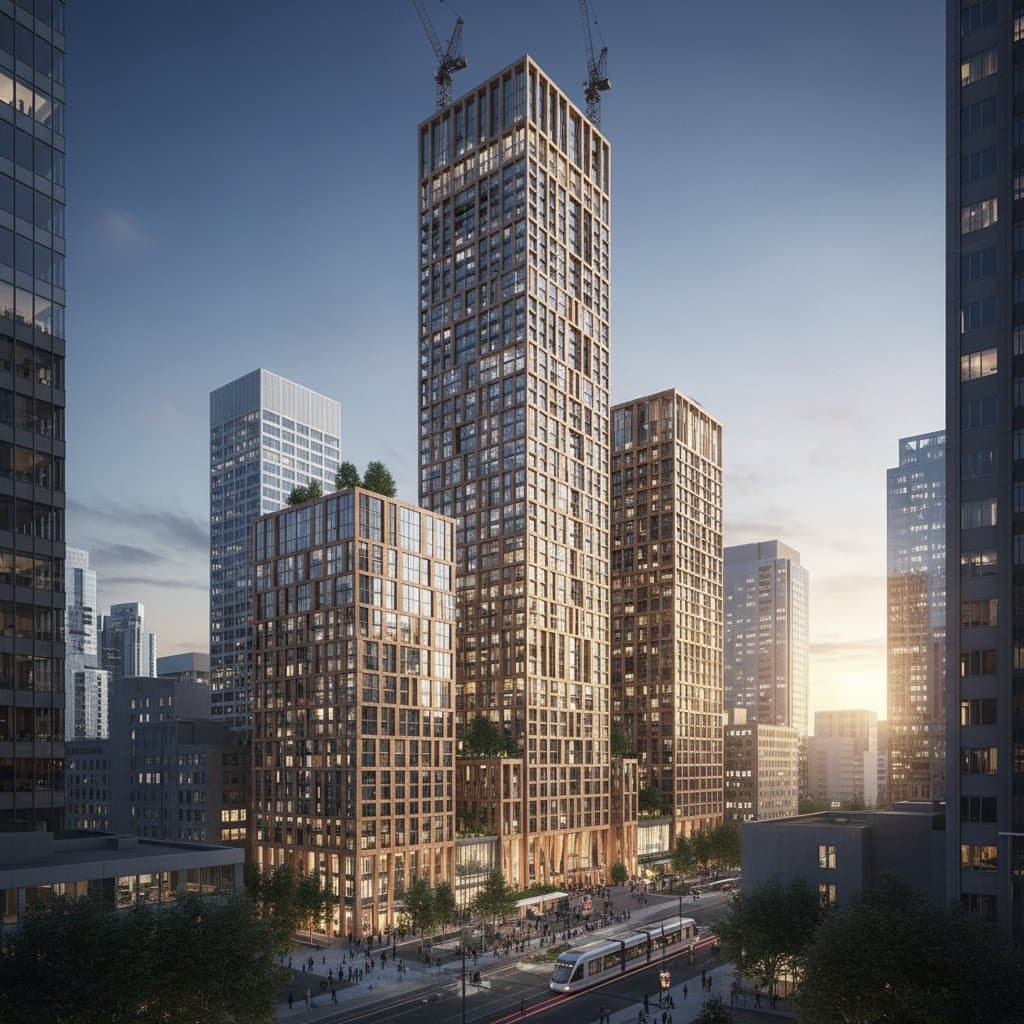
Mass timber construction has moved from niche experiment to mainstream option. Cities are expanding code approvals at a rapid pace. These changes open the door for taller, safer, and more sustainable wood buildings. Developers, engineers, and residents now recognize that wood can support entire skylines.
Evolution of High-Rise Materials
Steel and concrete dominated city skylines for decades. They delivered strength yet carried heavy environmental costs. Mass timber now enters the market as a lighter and cleaner alternative. The term covers engineered products such as cross-laminated timber panels and glulam beams that replace traditional structural elements in multi-story buildings.
Regulatory Shifts Enabling Taller Structures
Building codes change slowly, yet thorough fire testing and engineering data have accelerated approvals for taller timber projects. Cross-laminated timber panels char on the surface during fire exposure and protect the interior layers. This performance has convinced regulators to permit heights once considered impossible for wood. As updates spread, developers gain confidence to move projects forward.
Environmental Benefits of Engineered Wood
Wood stores carbon instead of releasing it during production. Responsibly managed forests renew continuously. Cross-laminated timber and glulam require less energy to manufacture than concrete or steel. Many projects now achieve carbon-neutral or carbon-negative results when paired with certified forestry practices.
Construction Efficiency and Site Advantages
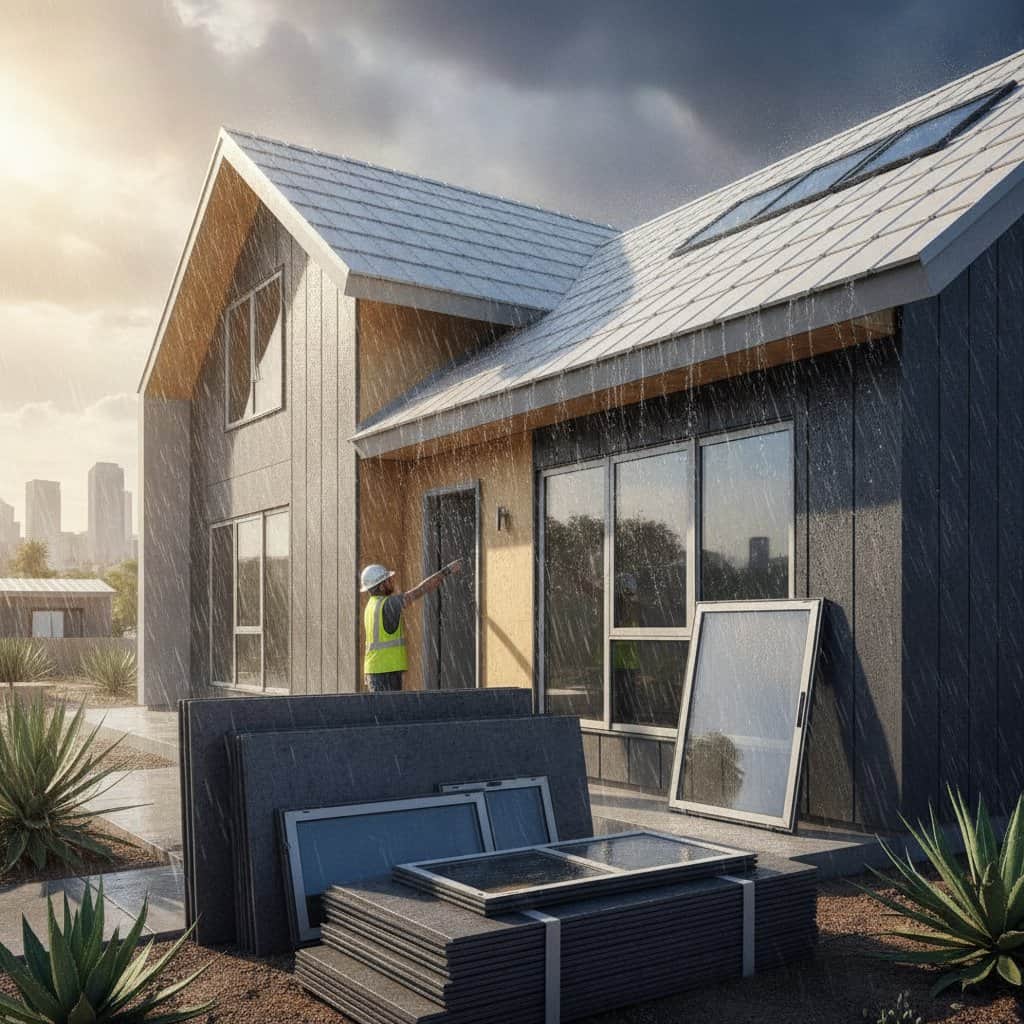
Prefabrication speeds assembly and reduces noise on congested sites. Crews fit large sections together like kit components and shorten schedules by weeks. The lighter weight of timber also reduces foundation loads. This advantage allows work on older sites or soils that cannot support heavy concrete frames.
Evaluating Project Costs
Material costs for mass timber can appear higher at first. Savings appear in shorter construction time, reduced labor, and simpler finishes. Regional suppliers now offer shorter delivery distances. Builders who compare total project bids often find the gap narrows once foundation and schedule benefits are included.
Aesthetic and Design Integration
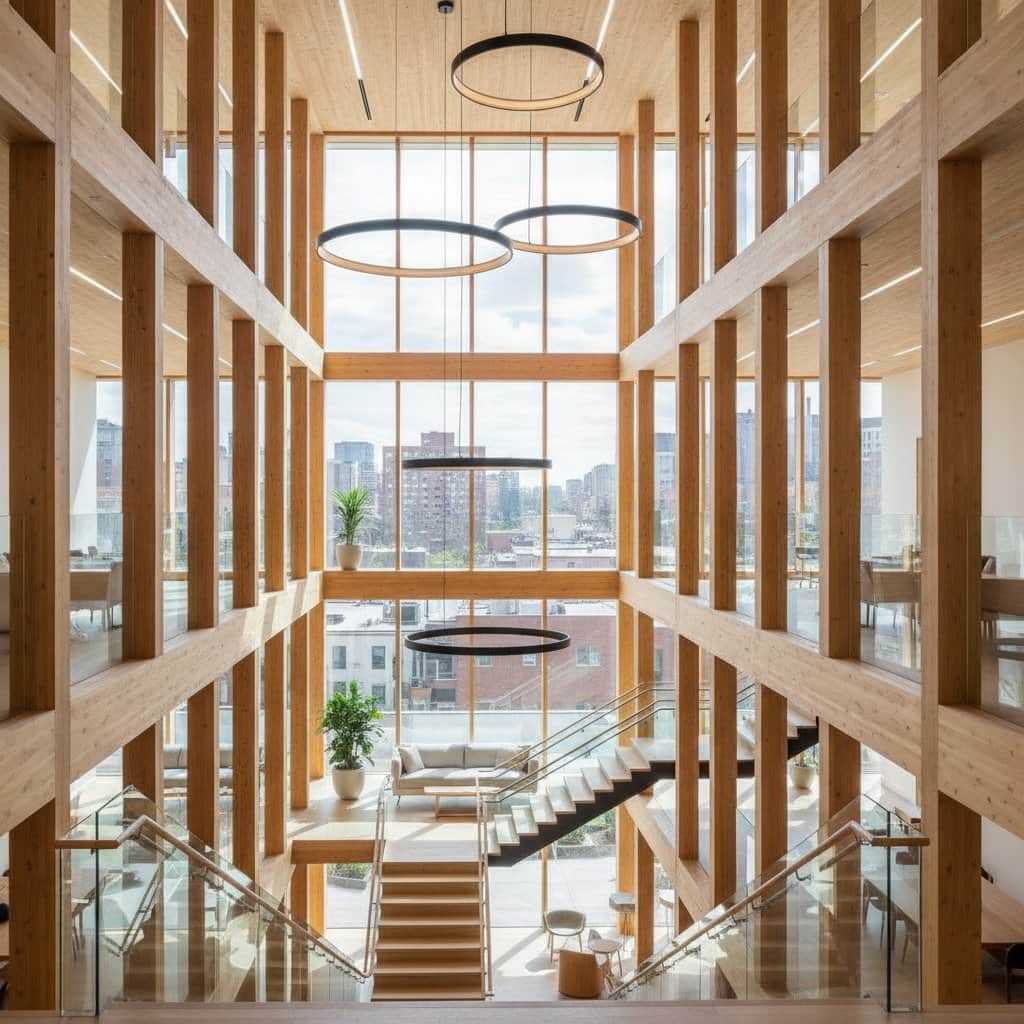
Exposed timber surfaces create warm interiors without added finishes. Architects pair these surfaces with polished concrete floors and matte fixtures to balance texture and light. Hybrid systems that combine timber with concrete cores help meet fire and acoustic requirements while preserving visual appeal.
Ensuring Safety Standards
Thick panels form a protective char layer that slows fire spread. Codes now require targeted encapsulation in corridors and shafts. Moisture protection during construction prevents warping. Once sealed, the material performs reliably in varied climates with routine inspections.
Adaptation by Municipalities and Teams
Cities are training specialized inspection teams for mass timber projects. Early coordination with fire departments clarifies safety system needs. Construction crews use digital models and laser tools to align panels precisely. The result is a cleaner and more organized job site.
Occupant Experience and Market Appeal
Tenants notice the natural scent and calmer atmosphere inside timber buildings. Research links natural materials to improved well-being and focus. Developers market these qualities alongside sustainability to attract residents and office users.
Preparing for Wider Implementation
Connect with local suppliers and visit active projects to understand current practices. Ask engineers about hybrid or full-timber options for upcoming work. Mass timber high-rises deliver measurable reductions in embodied carbon while creating inviting spaces that stand out in any skyline.