Fire-Resistant Hempcrete Wins Building Code Approval
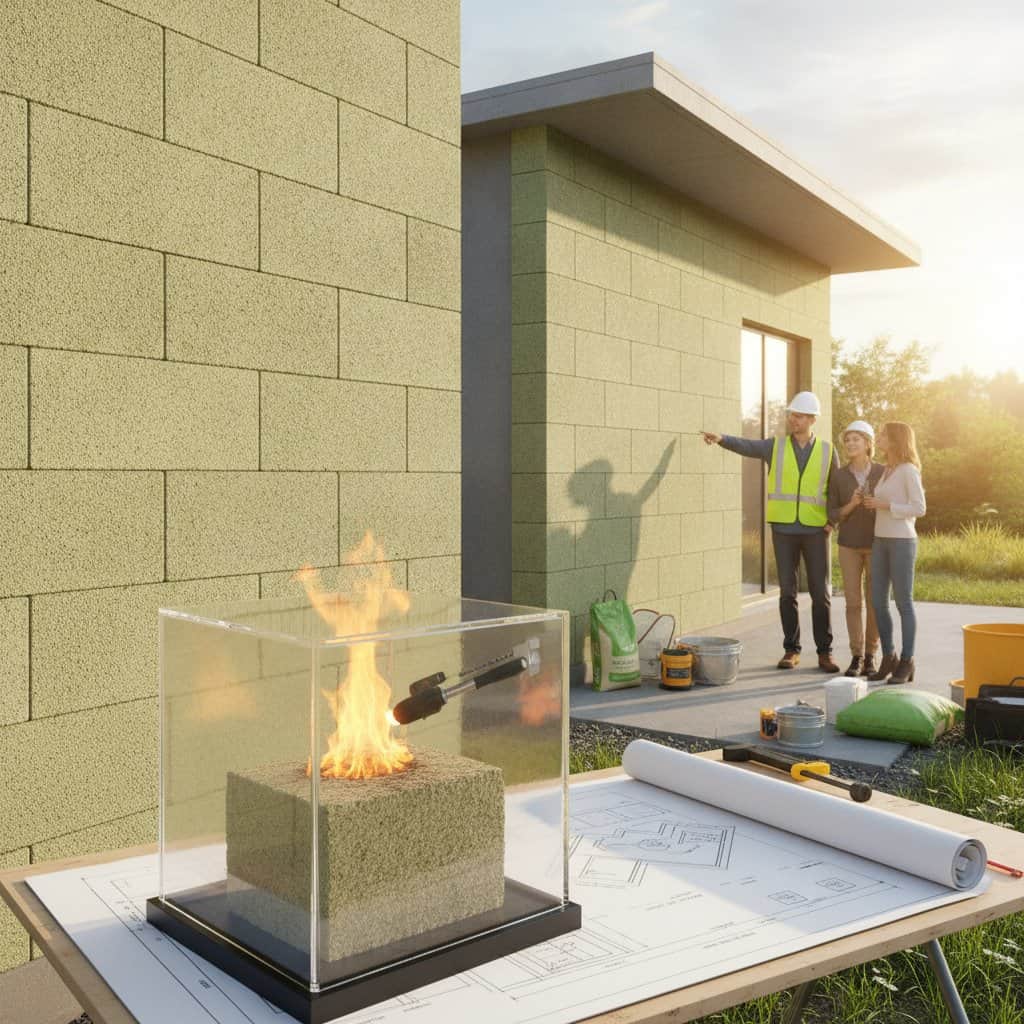
Hempcrete receives building code approval after fire-resistance testing. The hemp-lime composite offers breathable walls, stable indoor temperatures, and reduced ignition risk.
Loading...
Articles tagged with fire
Hempcrete receives building code approval after fire-resistance testing. The hemp-lime composite offers breathable walls, stable indoor temperatures, and reduced ignition risk.
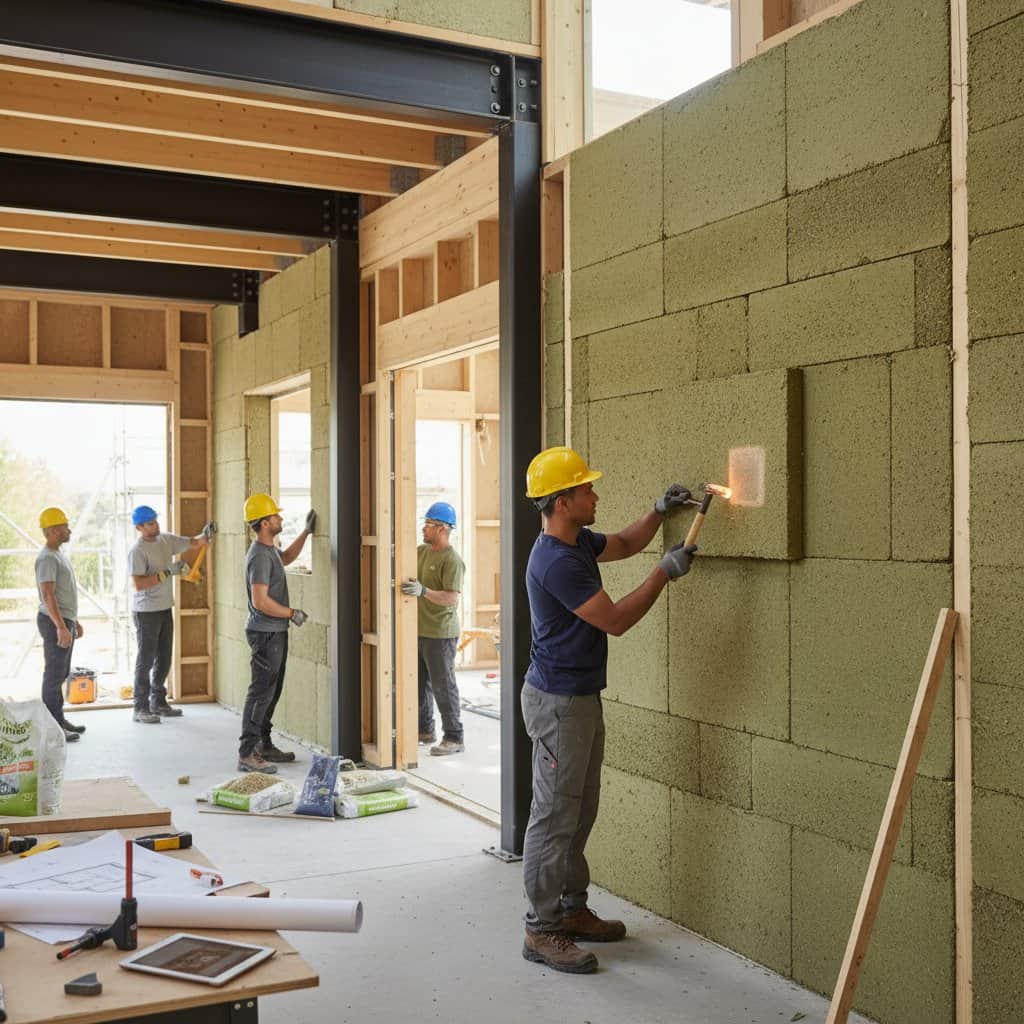
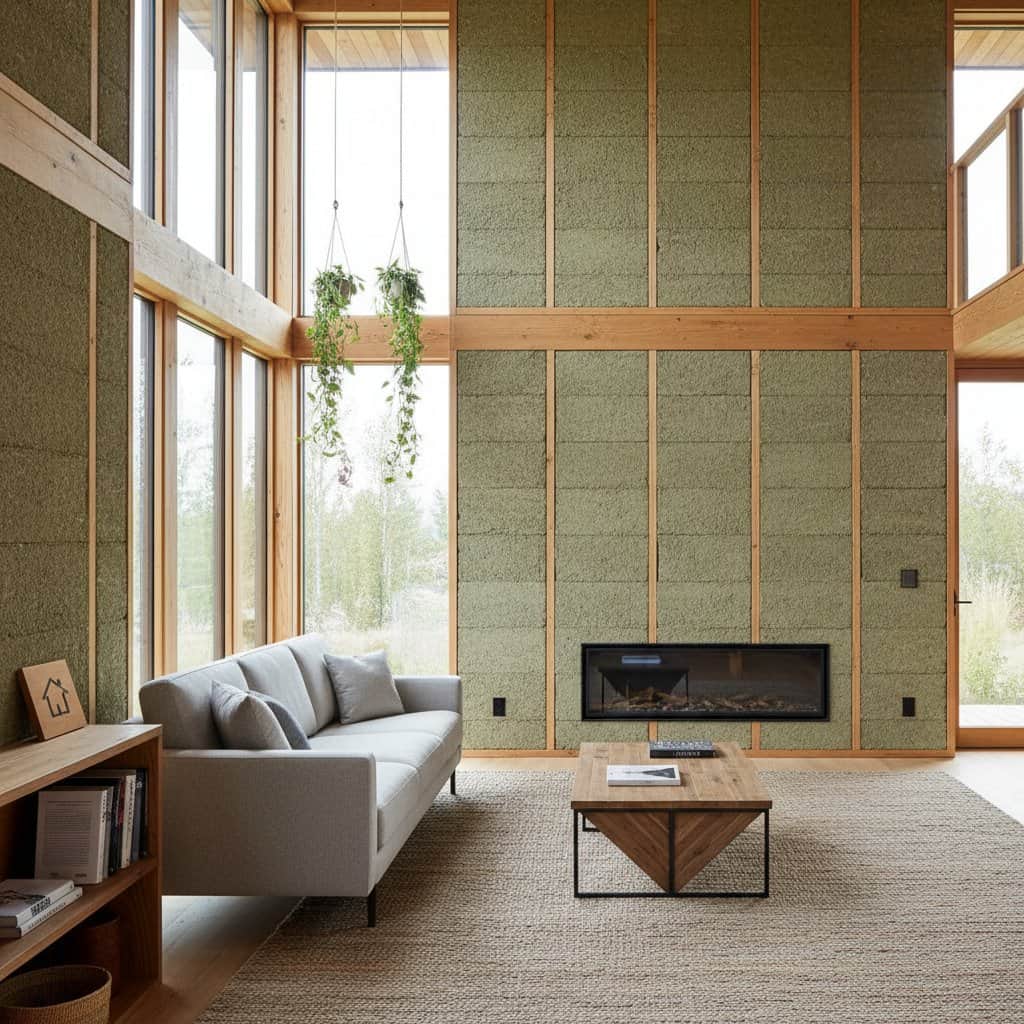
Hempcrete revolutionizes contemporary construction by combining inherent fire resistance, exceptional breathability, and unmatched sustainability. Construction professionals appreciate its structural integrity, superior insulation properties, and minimal environmental impact. Transitioning from a specialized eco-material to a staple in conventional developments, hempcrete delivers superior indoor air quality, optimized energy performance, and enduring resilience, positioning it as an intelligent choice for forward-thinking architecture.
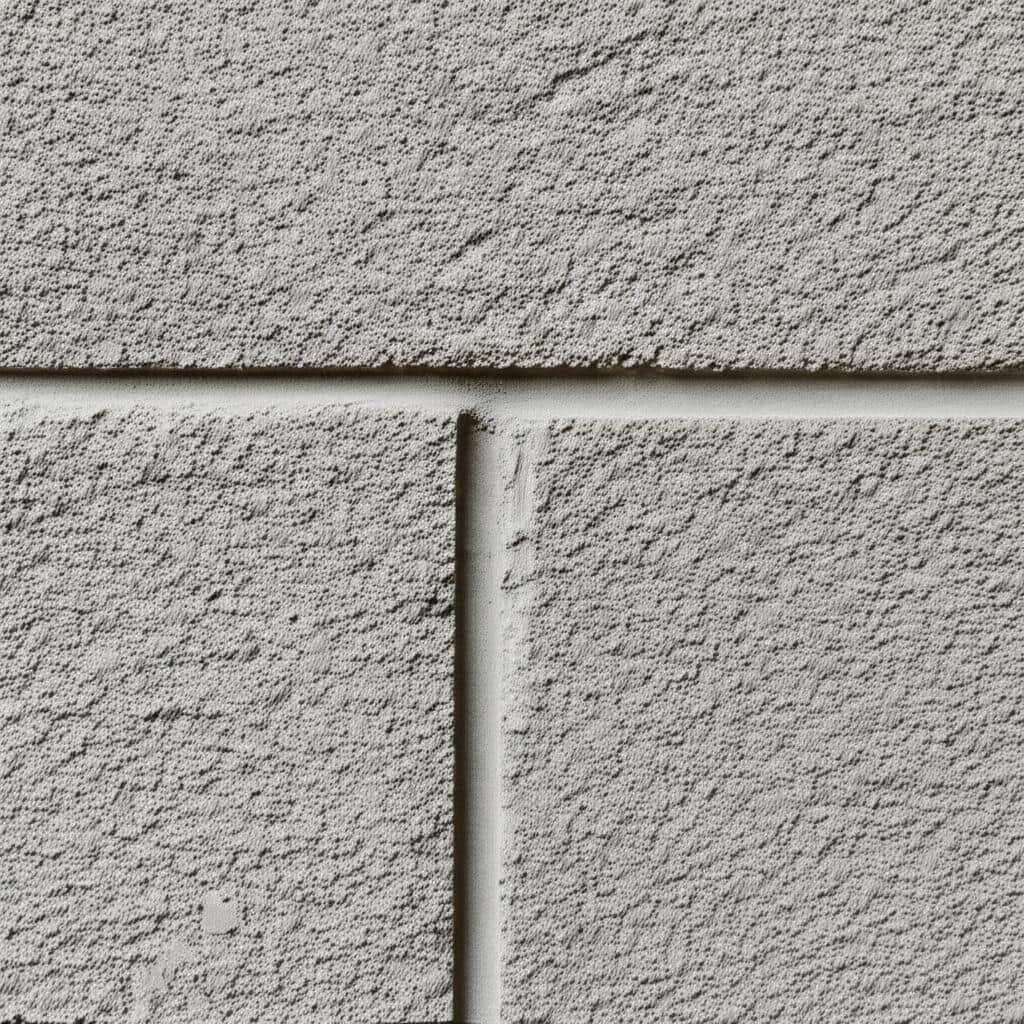
Hempcrete walls have secured building code approval, advancing sustainable residential construction. This material excels in fire resistance, thermal insulation, and moisture regulation, allowing builders to integrate natural elements into compliant, durable homes. The approval integrates eco-friendly options into conventional building practices, promoting safer and greener living spaces.
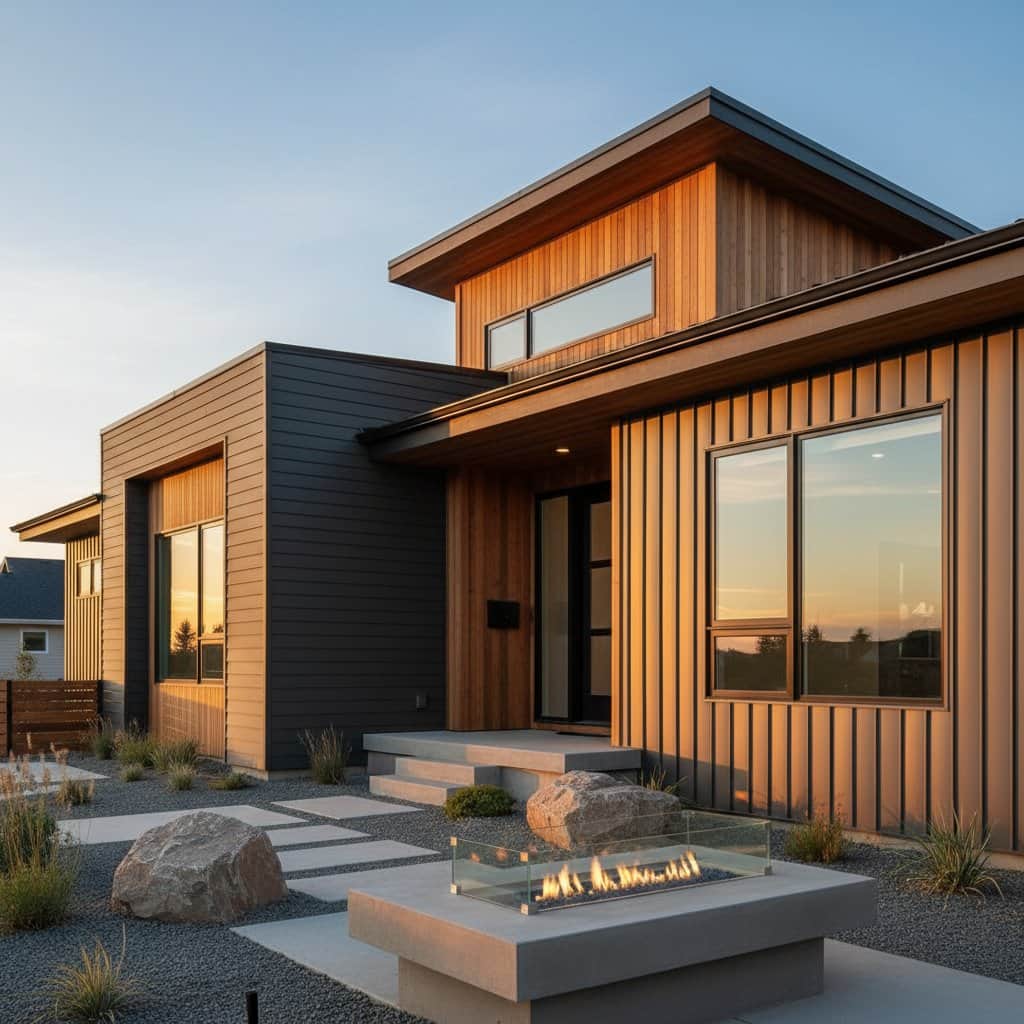
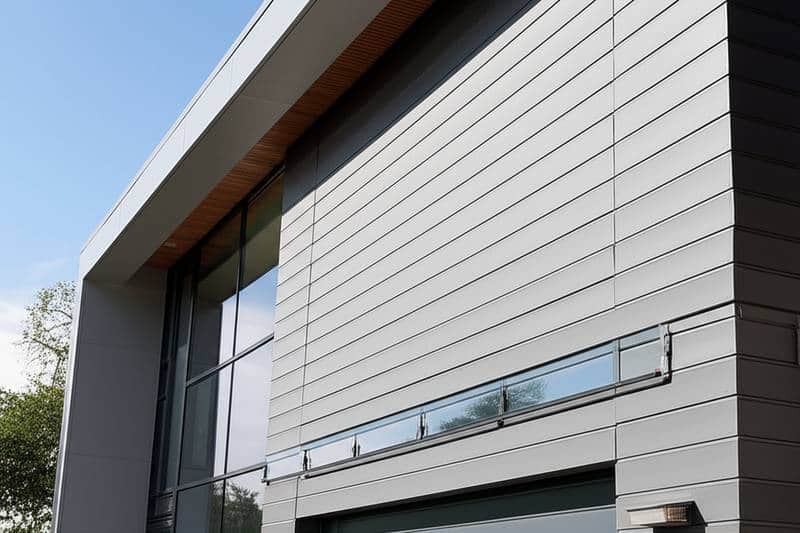
Twelve states mandate fire-resistant siding for new residential construction beginning in 2025, favoring materials such as fiber cement, metal, and treated wood. These choices not only mitigate wildfire risks but also yield insurance discounts, elevate property values, and preserve aesthetic appeal, positioning them as a prudent investment for homeowners.
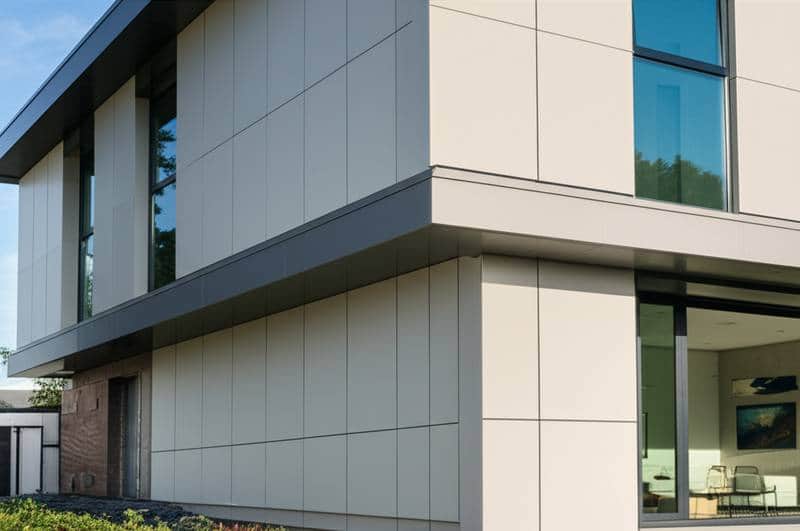
Starting in 2025, 12 states mandate fireproof cladding for homes, influencing design, safety, and budgets. Options like fiber cement and treated timber enable builders and homeowners to integrate style with fire resistance. This guide covers compliant material selection, cost planning, and code navigation to safeguard properties from wildfires.
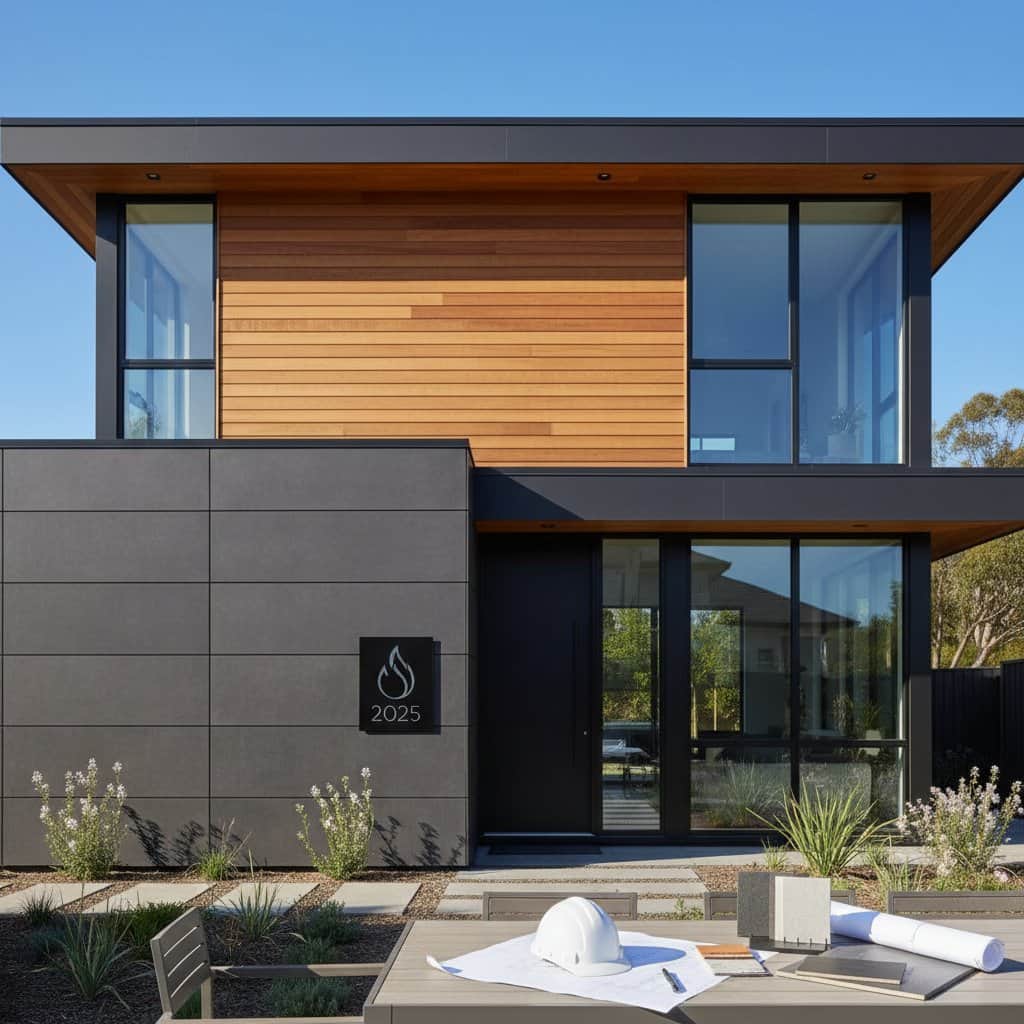
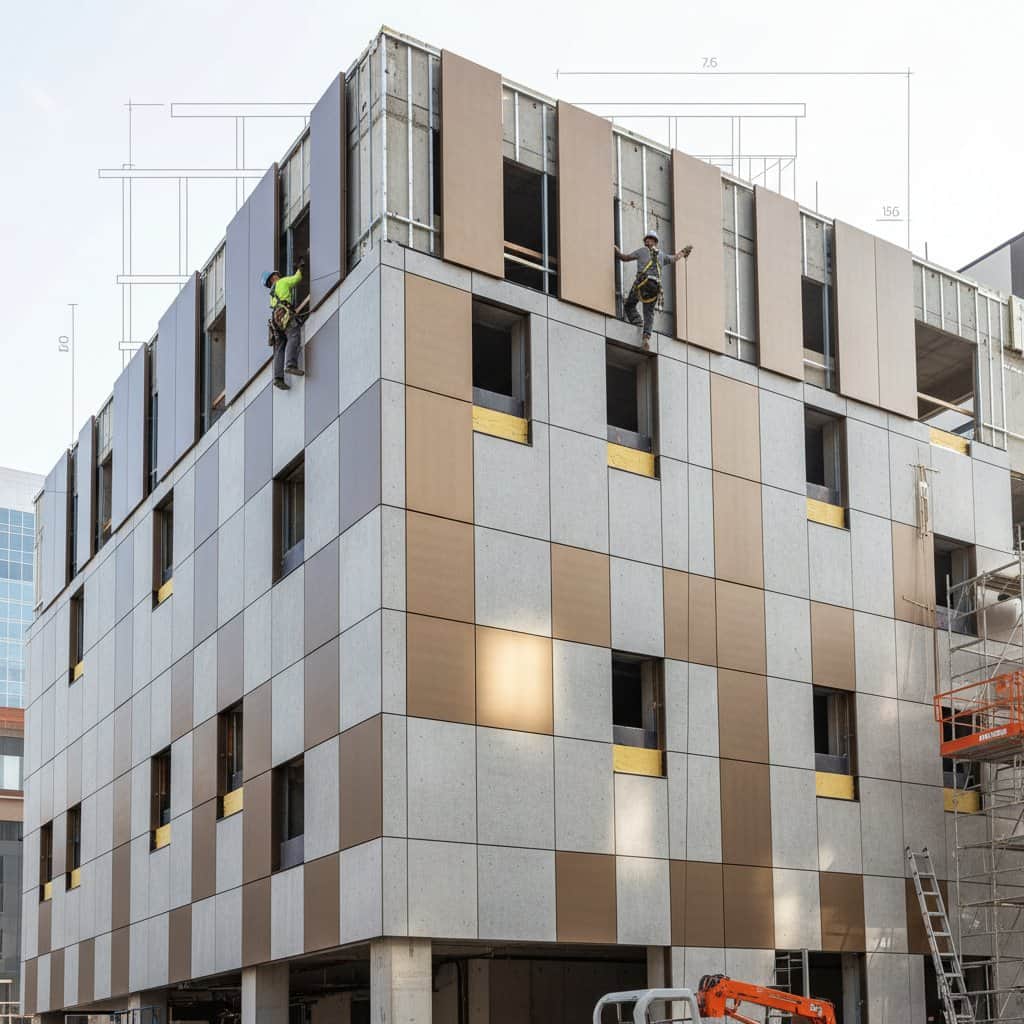
Effective 2025, twelve states enforce fire-resistant cladding for new constructions and significant renovations to mitigate wildfire threats. Although initial expenses rise, benefits include enhanced resilience, favorable insurance rates, and greater security. This guide details qualifying materials, budgeting approaches, and strategies to prevent compliance issues prior to project initiation.
Updated building codes in 15 states now mandate fireproof cladding to enhance safety and resilience. Materials like fiber cement and metal composites offer fire resistance, durability, and stylish options. Discover how these changes influence construction practices, costs, and sustainable design.
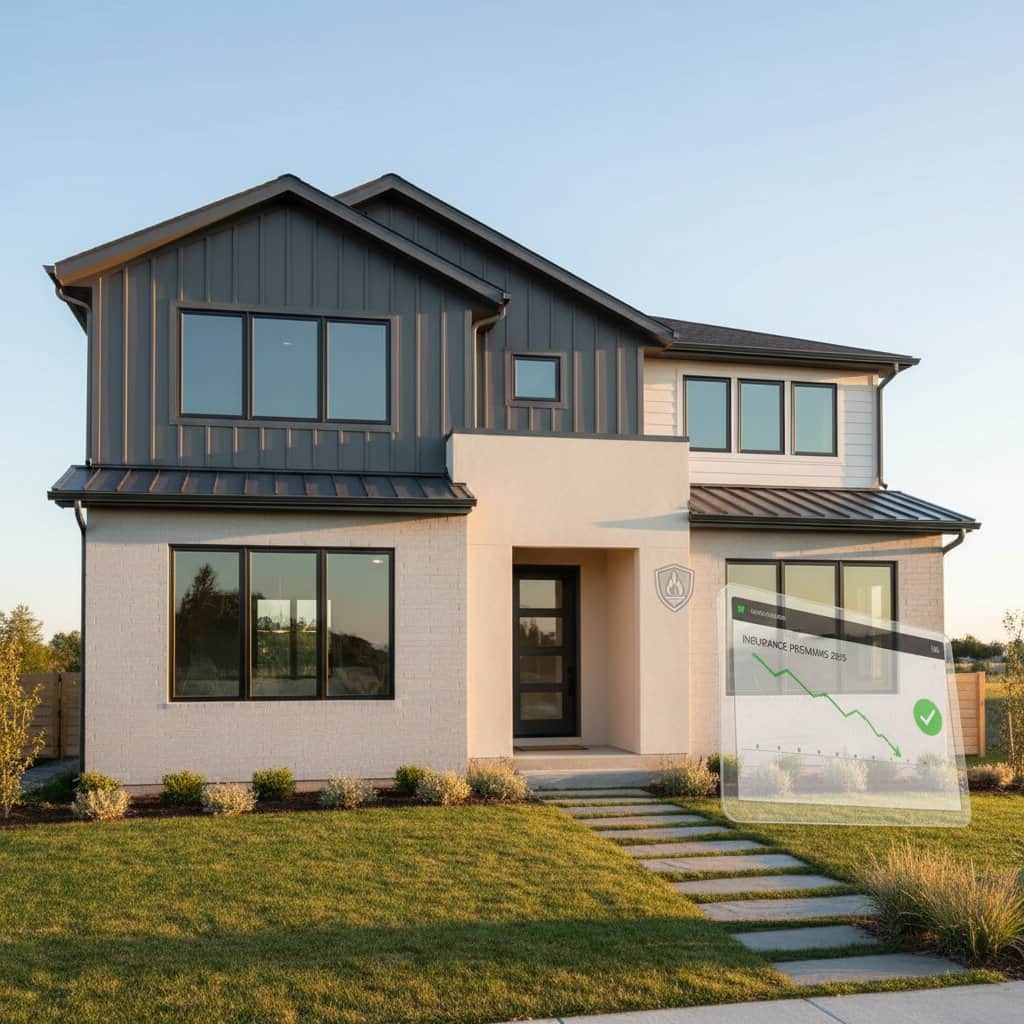
Fire-resistant siding protects homes from flames, reduces insurance premiums, and elevates curb appeal. Options like fiber cement, stucco, and metal offer safety, style, and long-term savings. Discover how these materials safeguard investments and provide reassurance.
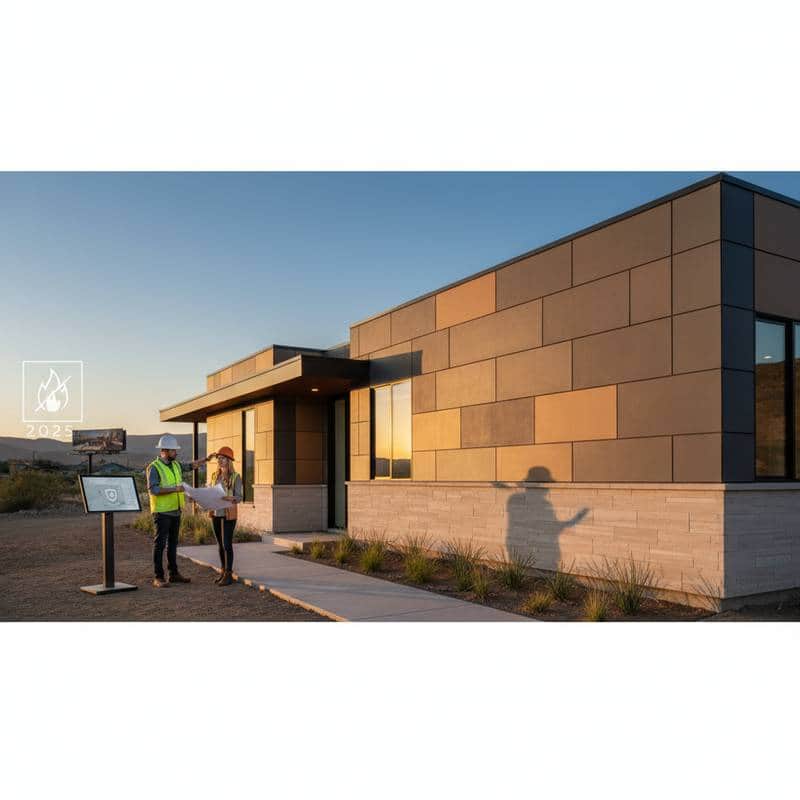
The 2025 building codes introduce rigorous fire safety standards for home exteriors, emphasizing certified materials like fiber cement and treated timber. These updates promote resilient designs that balance aesthetics, sustainability, and long-term protection against fire risks.
The 2025 fireproof cladding mandates introduce stricter standards for homes in wildfire zones, emphasizing materials that resist ignition and ember spread. Options such as fiber cement, fire-treated timber, and metal panels combine enhanced protection with aesthetic appeal. Initial costs may increase, yet the advantages in durability, reduced insurance rates, and innovative design position these solutions as a worthwhile investment for resilience.
Hempcrete's 2025 fire rating establishes it as a reliable, eco-friendly option for construction. This material combines superior insulation, moisture regulation, and fire resistance, delivering long-term value despite initial costs and the need for specialized installation.