Summary
- Hempcrete walls now hold official code approval for residential construction due to superior fire safety and insulation characteristics.
- Builders may incorporate hempcrete into projects without requiring exemptions or unconventional permits.
- This development supports the creation of natural, resilient, and environmentally responsible homes.
Understanding Hempcrete
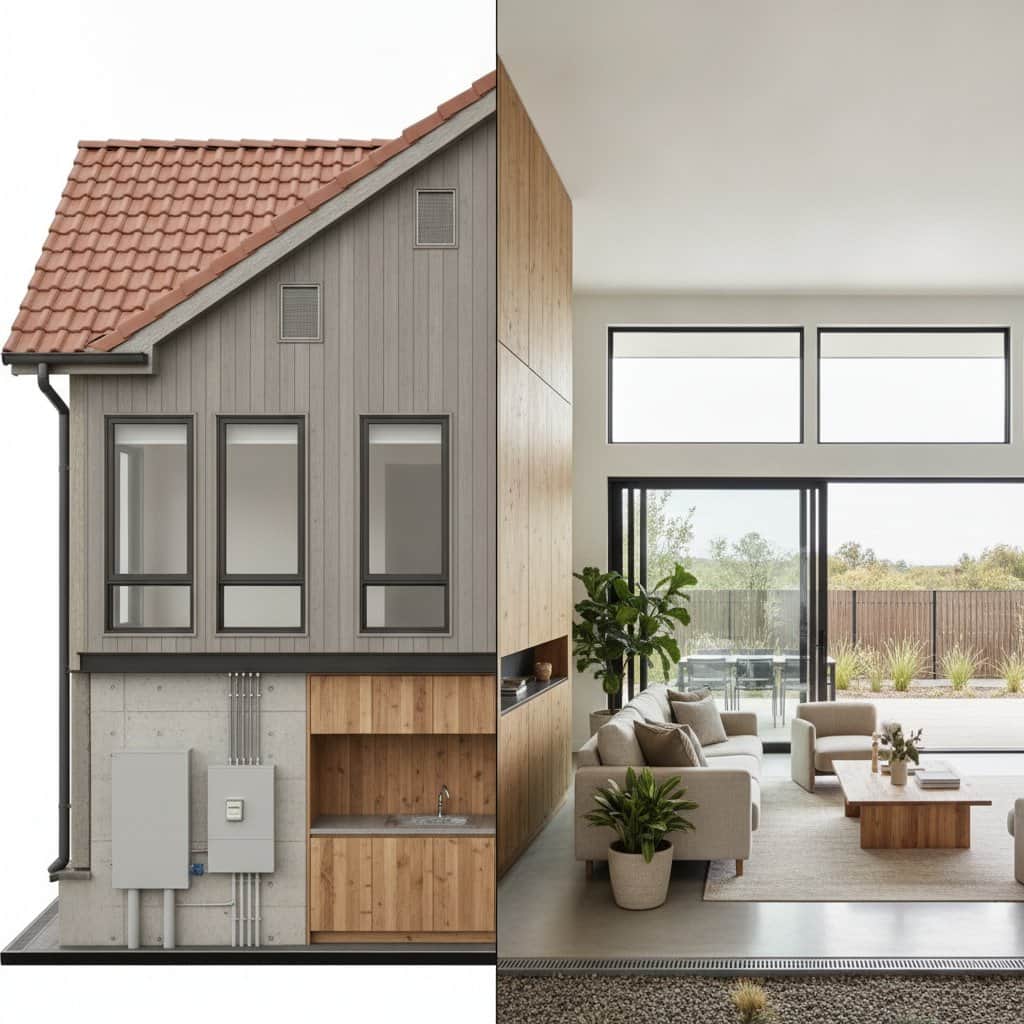
Hempcrete consists of hemp hurds, the inner woody portion of the hemp plant, combined with a lime binder and water. Builders mix these components and cast the material into forms surrounding a timber or steel structural frame. The result forms a solid yet permeable wall that manages indoor humidity and temperature without mechanical assistance.
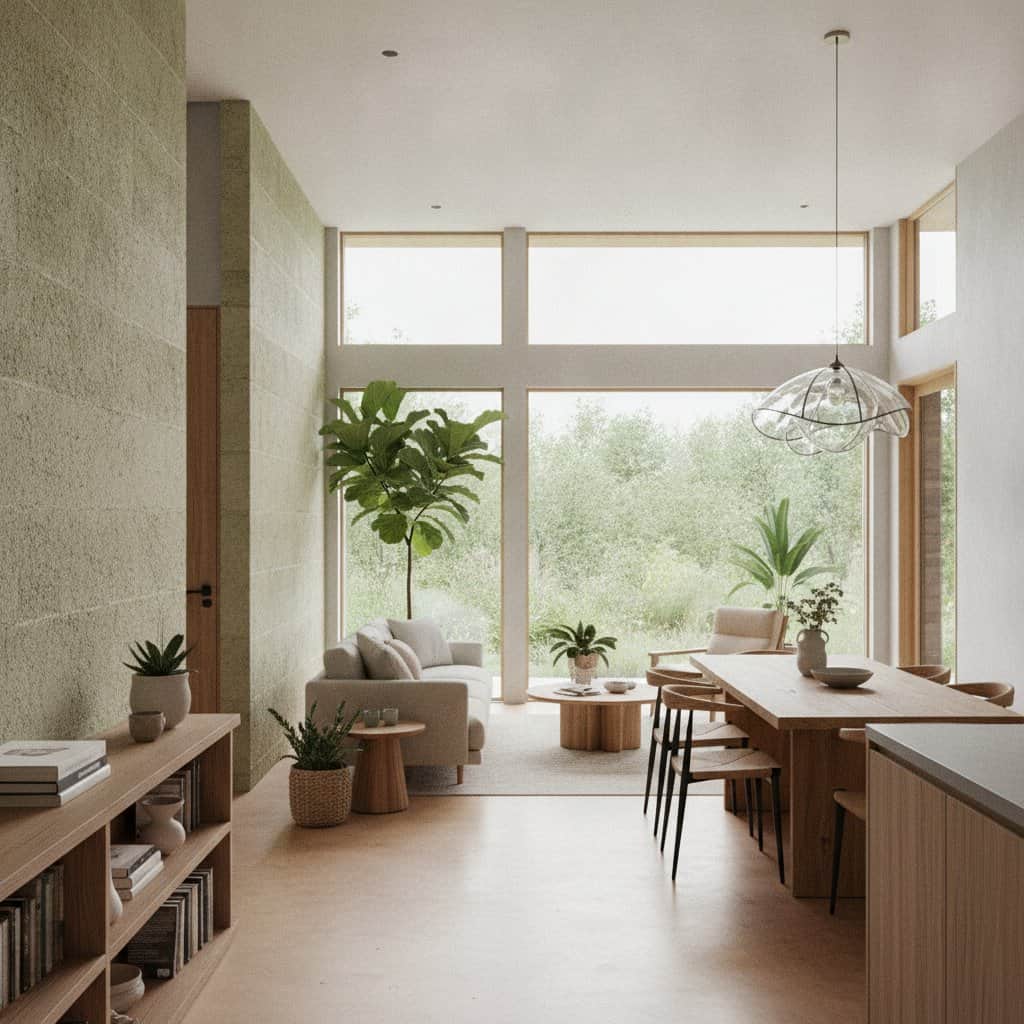
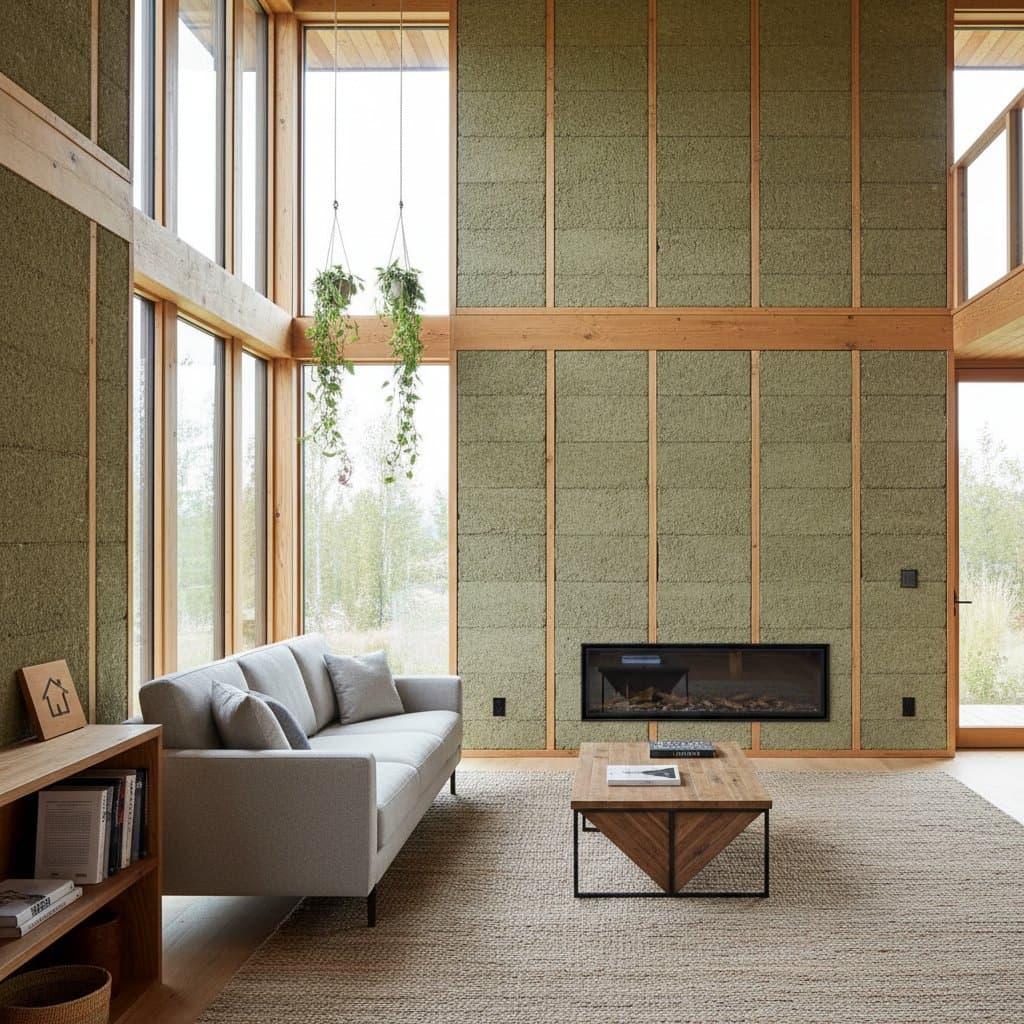
This material provides a distinctive sensory experience compared to conventional concrete or gypsum board. Walls constructed with hempcrete absorb sound effectively, retain warmth, and develop a pleasing patina over time. The absence of volatile organic compounds eliminates chemical odors, while the open structure prevents moisture accumulation, fostering a serene indoor environment.
Implications of Code Approval
Building code approval confirms that hempcrete satisfies established criteria for fire protection, structural integrity, and energy efficiency as recognized by local authorities. Previously, professionals sought variances or limited its application to non-structural elements.
With this endorsement, hempcrete qualifies for comprehensive wall assemblies under routine inspections. Contractors, architects, and property owners gain access to this option without navigating regulatory hurdles.
For individuals undertaking their initial residential project, the approval streamlines key processes:
- Streamlined Permitting: Authorities possess verified compliance records, accelerating approvals.
- Reduced Timelines: Projects proceed without extended evaluations for alternative materials.
- Enhanced Assurance: Structures adhere fully to mandated safety protocols.
Essential Considerations for Hempcrete Construction
The primary challenge involves adhering to curing timelines; hempcrete requires deliberate preparation, particularly for novice applications.
Insights from completed hempcrete installations highlight several best practices:
Prepare the Mixture Precisely
Maintain exact proportions of hemp hurds, lime, and water in each batch. Excess moisture leads to contraction during drying, while insufficient hydration impairs adhesion. Conduct trial mixes to achieve an optimal, workable consistency.
Shield from Precipitation During Curing
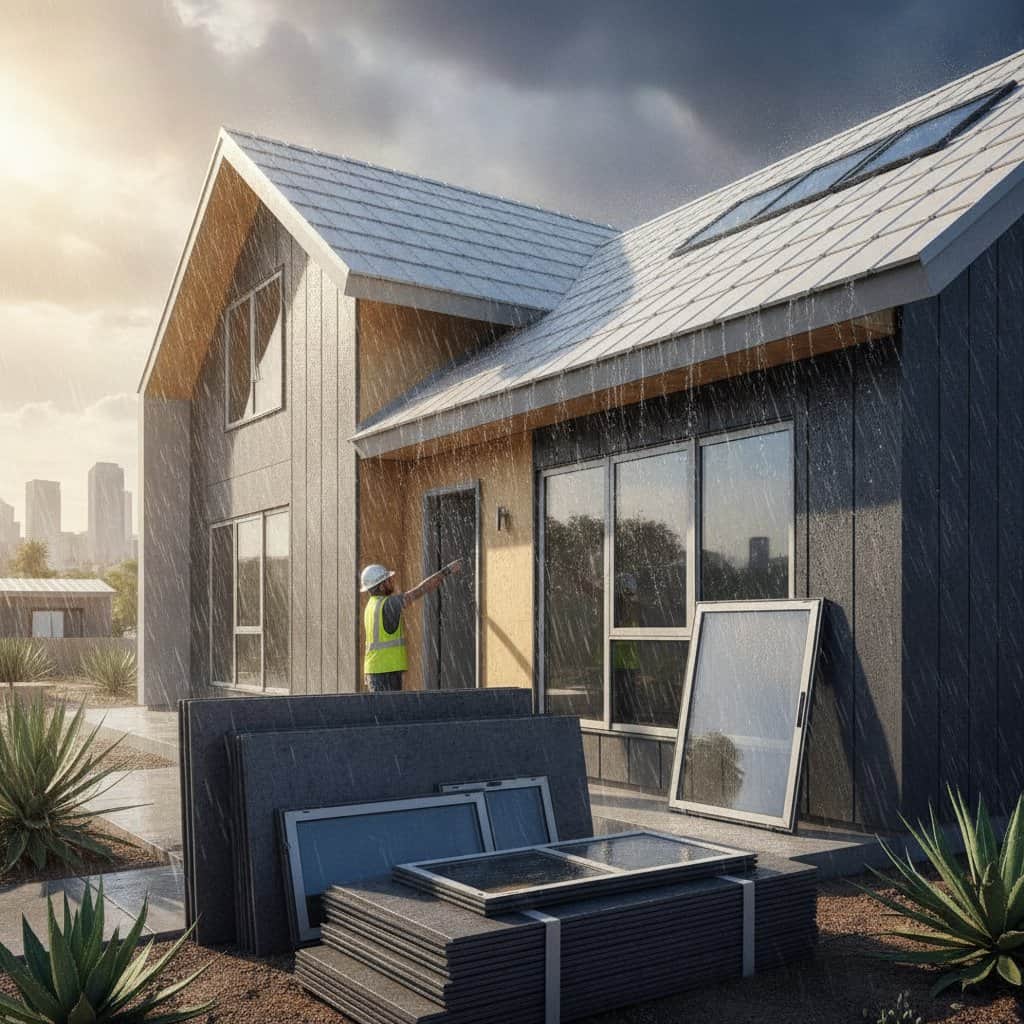
Hempcrete cures through exposure to air, so protect fresh installations from rainfall using permeable covers. Avoid impermeable barriers like plastic, which retain dampness and compromise the material.
Engage Skilled Professionals for Framing Integration
Hempcrete functions as an infill material and relies on a robust frame for load support. Ensure collaborators possess expertise in aligning these components for stability.
Select Compatible Finishes in Advance
Hempcrete pairs effectively with lime-based plasters or permeable coatings. Evaluate adhesion properties early to prevent rework; incompatible products may fail to bond securely.
Allow Ample Curing Duration
Full hardening may span several weeks, influenced by ambient conditions. Resist acceleration to ensure the walls attain maximum strength and durability.
Comparative Analysis of Building Materials
The following table outlines key attributes of hempcrete relative to common alternatives.
| Feature | Hempcrete | Traditional Concrete | Fiberglass Insulation |
|---|---|---|---|
| Fire Resistance | Superior; resists combustion | Adequate | Limited |
| Insulation | Effective thermal regulation | Minimal | Effective but impermeable |
| Moisture Control | Permeable; inhibits mold growth | Retains water | Susceptible to fungal issues |
| Sustainability | Carbon sequestering | High emissions | Petroleum-derived |
| Weight | Lightweight | Substantial | Lightweight |
| Longevity | Enduring with appropriate care | Durable | Subject to breakdown |
This comparison illustrates hempcrete's advantages in safety, comfort, and environmental impact, fueling interest among construction professionals.
Prospects for Residential Construction
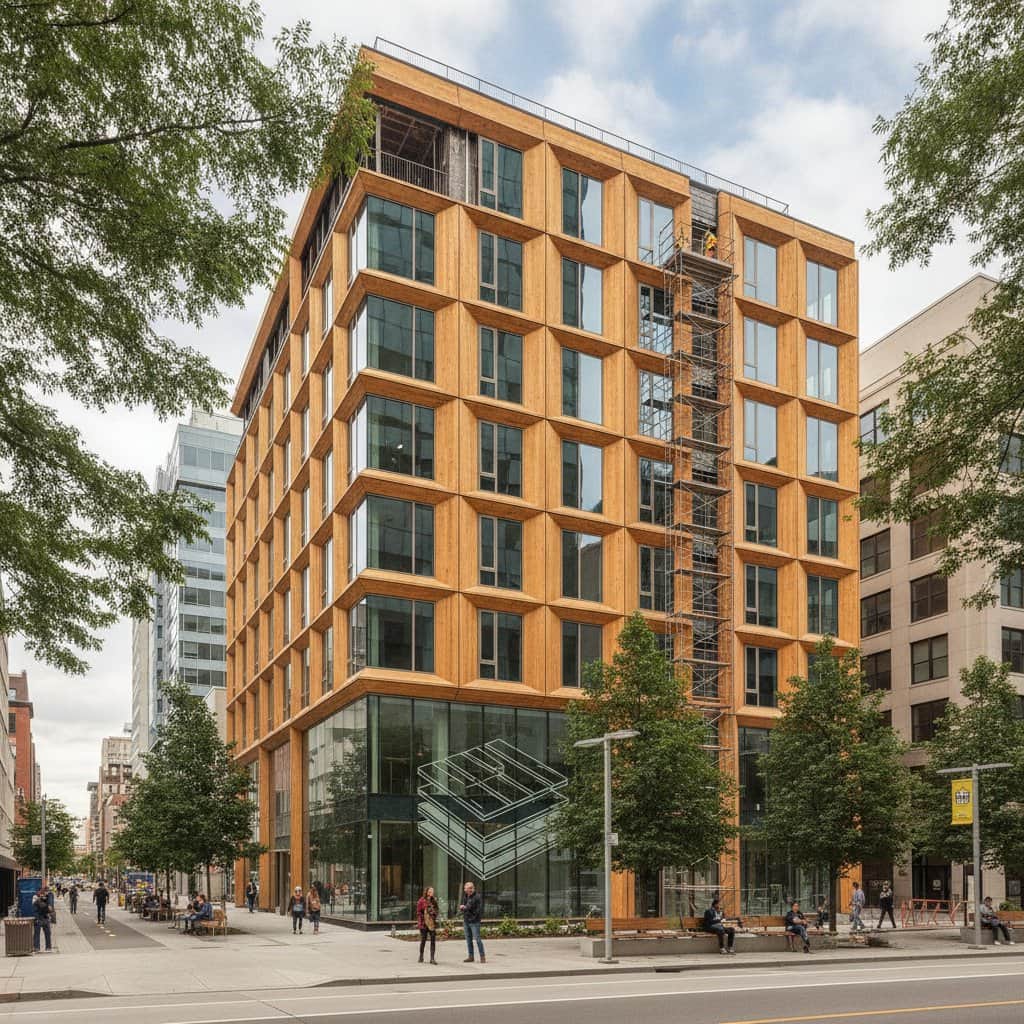
The code approval represents more than regulatory compliance; it signals a broader acceptance of bio-based materials in standard practices. Historically marginalized as niche solutions for unconventional designs, such options now align with contemporary requirements.
This validation encourages advancements, including modular hempcrete components and integrated insulation solutions. Professionals increasingly incorporate these elements into diverse project portfolios.
Observations indicate that regional firms are introducing hempcrete specifications as viable alternatives to conventional methods, accelerating adoption across the sector.
Frequently Asked Questions
Can hempcrete support load-bearing walls?
Hempcrete alone cannot bear structural loads. It serves as an infill within a timber or steel framework, enhancing performance without providing primary support.
Does hempcrete demand unique upkeep?
Maintenance remains minimal after application of a suitable seal, such as lime plaster or vapor-permeable paint. Steer clear of moisture-trapping finishes to preserve integrity.
How does hempcrete fare in varying climates?
It performs reliably in diverse conditions. Thermal properties insulate effectively against cold, while permeability mitigates humidity-related issues like condensation.
Is hempcrete costlier than standard options?
Initial material expenses may exceed those of traditional choices, yet long-term savings arise from reduced energy consumption and upkeep. Code compliance also minimizes permitting costs.
Is DIY hempcrete construction feasible?
Individuals may attempt it, though professional guidance proves beneficial for initial efforts. Mastery of mixing and curing techniques simplifies subsequent applications.
Experiencing Hempcrete in Daily Life
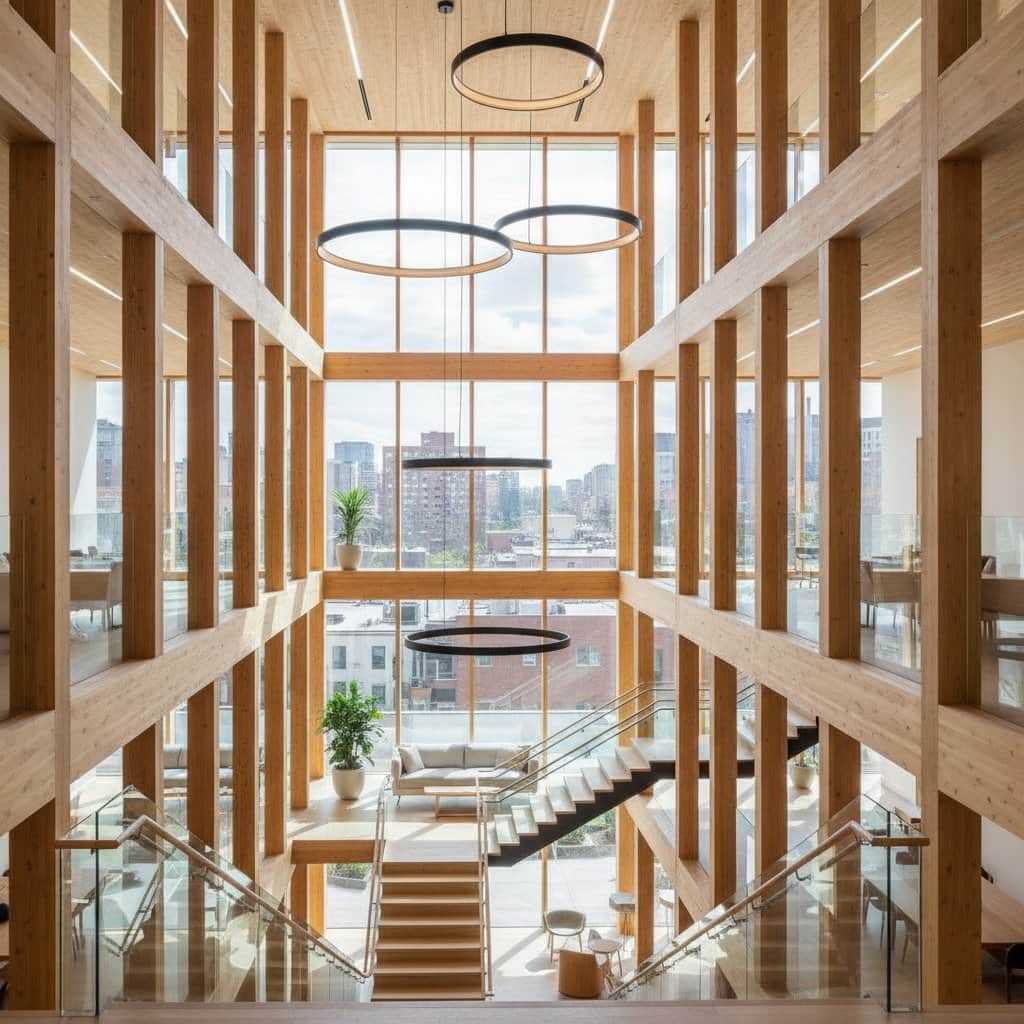
Upon completion, hempcrete walls deliver noticeable enhancements to indoor quality. Air circulation improves, acoustics soften ambient noise, and thermal stability persists through seasonal changes.
Navigating a construction project involves numerous decisions, and adopting unfamiliar materials carries inherent uncertainties. However, the proven benefits of hempcrete position it as a reliable selection for forward-thinking builds.
Consider integrating hempcrete into upcoming plans. Its certification ensures a pathway to structures that prioritize health, efficiency, and environmental harmony.