Fire-Resistant Hempcrete Wins Building Code Approval
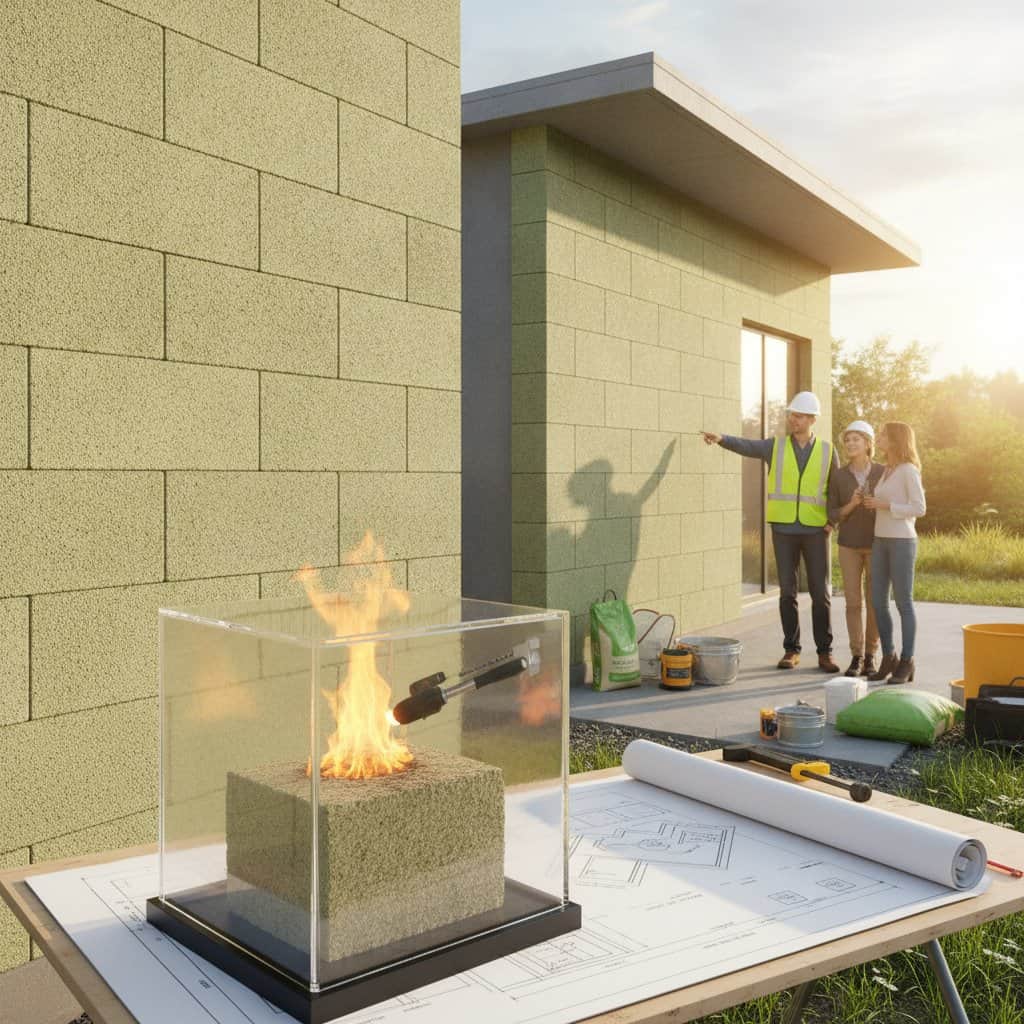
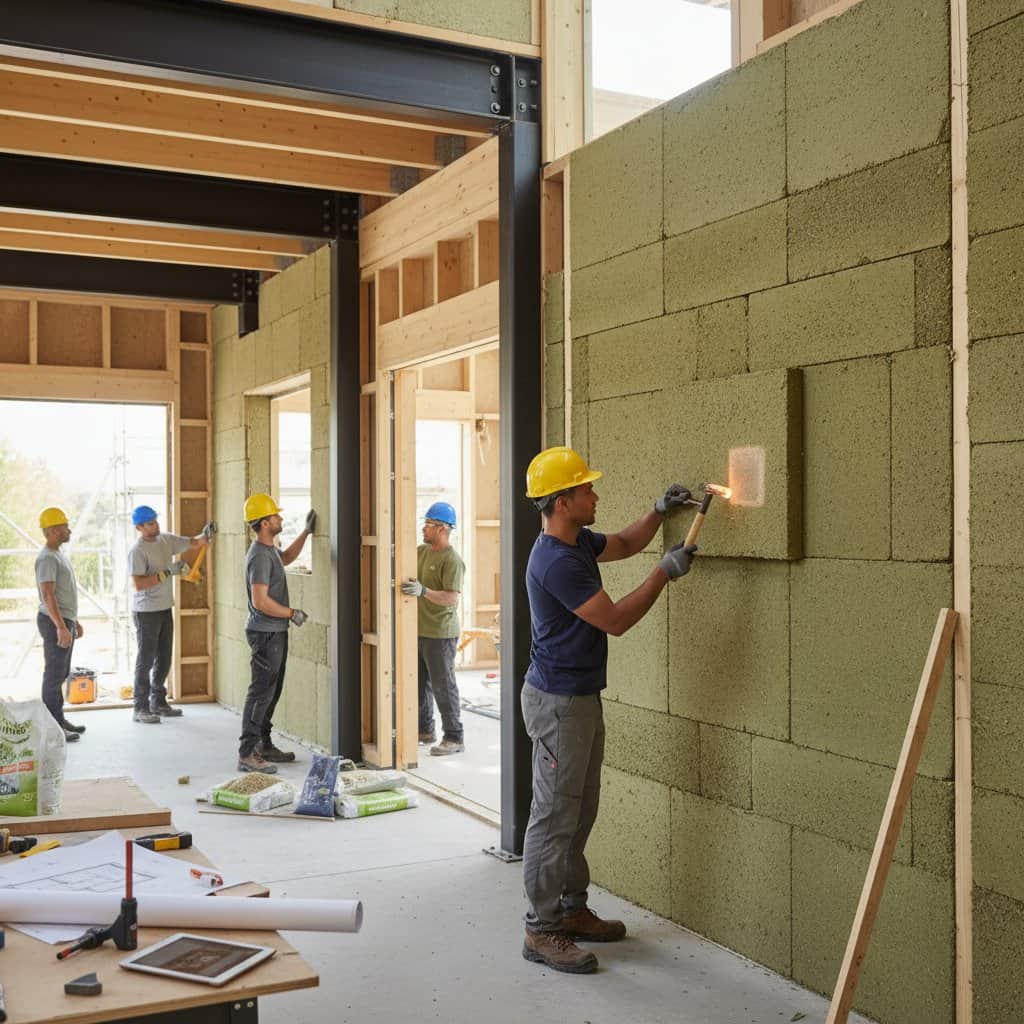
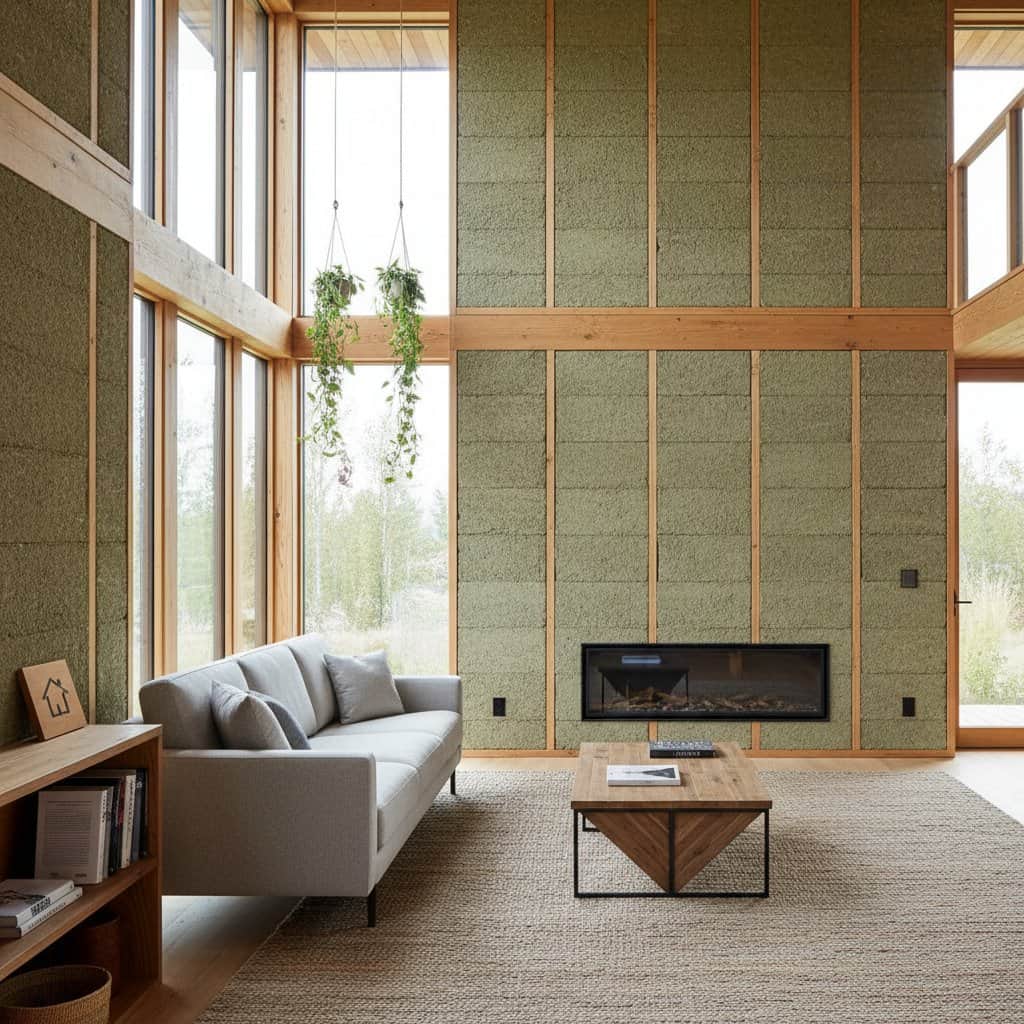
Hempcrete receives building code approval after fire-resistance testing. The hemp-lime composite offers breathable walls, stable indoor temperatures, and reduced ignition risk.
Loading...
Articles tagged with resistant
Hempcrete receives building code approval after fire-resistance testing. The hemp-lime composite offers breathable walls, stable indoor temperatures, and reduced ignition risk.
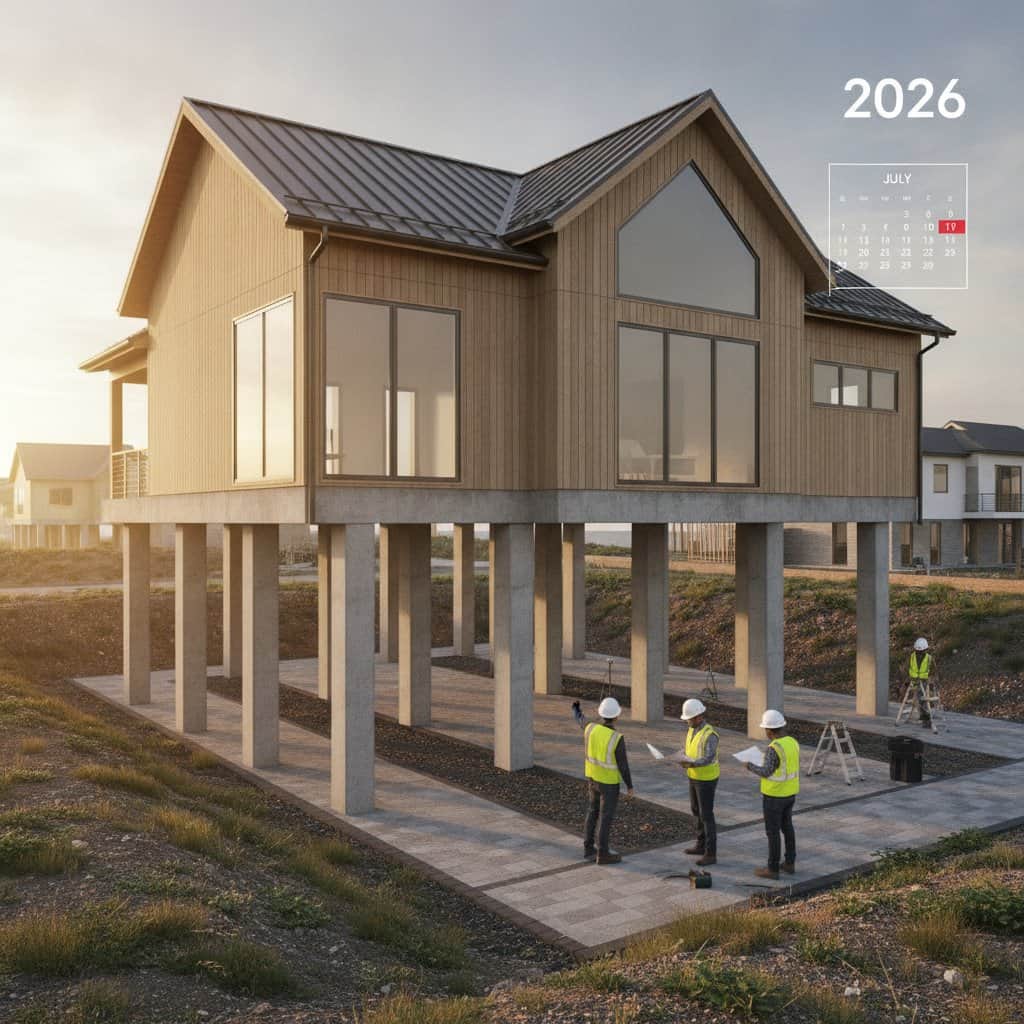
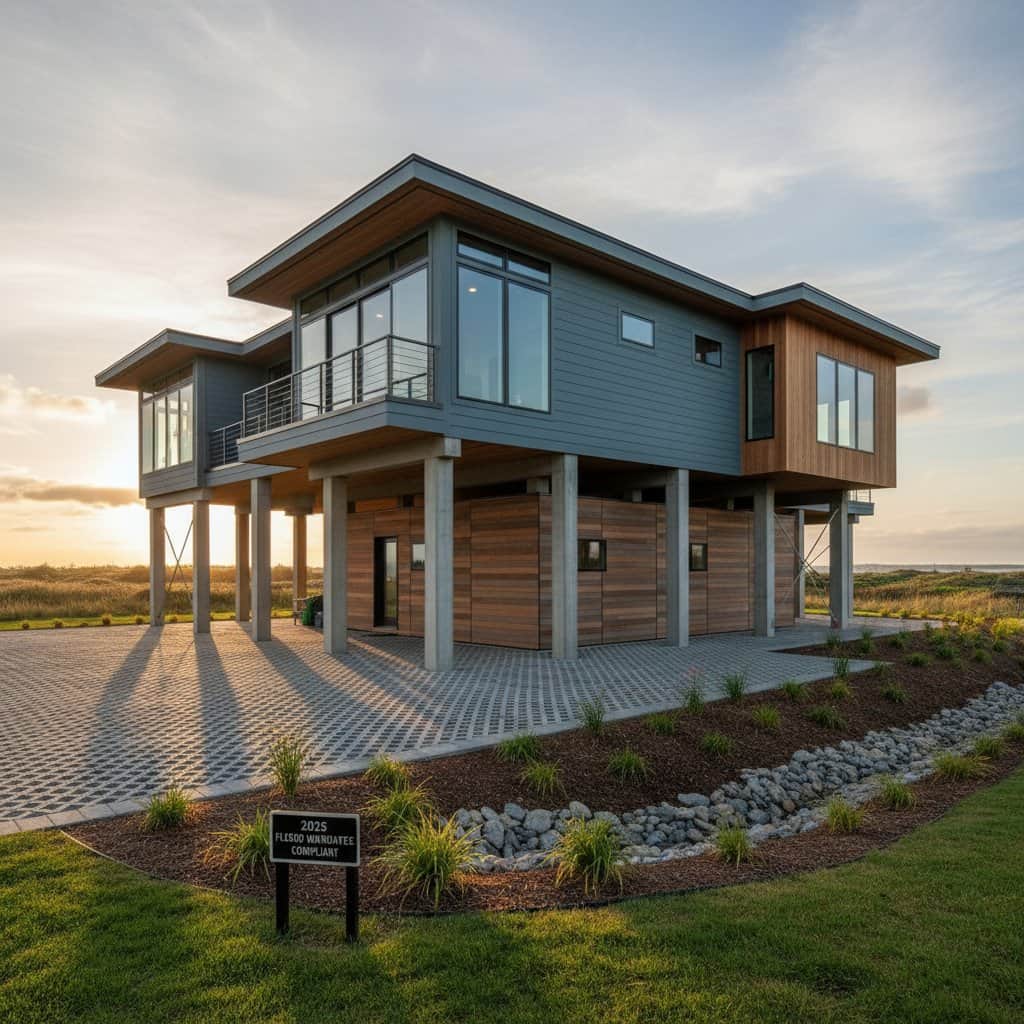
FEMA 2026 flood foundation rules raise elevation requirements and specify resistant materials in flood zones. Early compliance planning reduces retrofit costs and supports lower insurance rates.
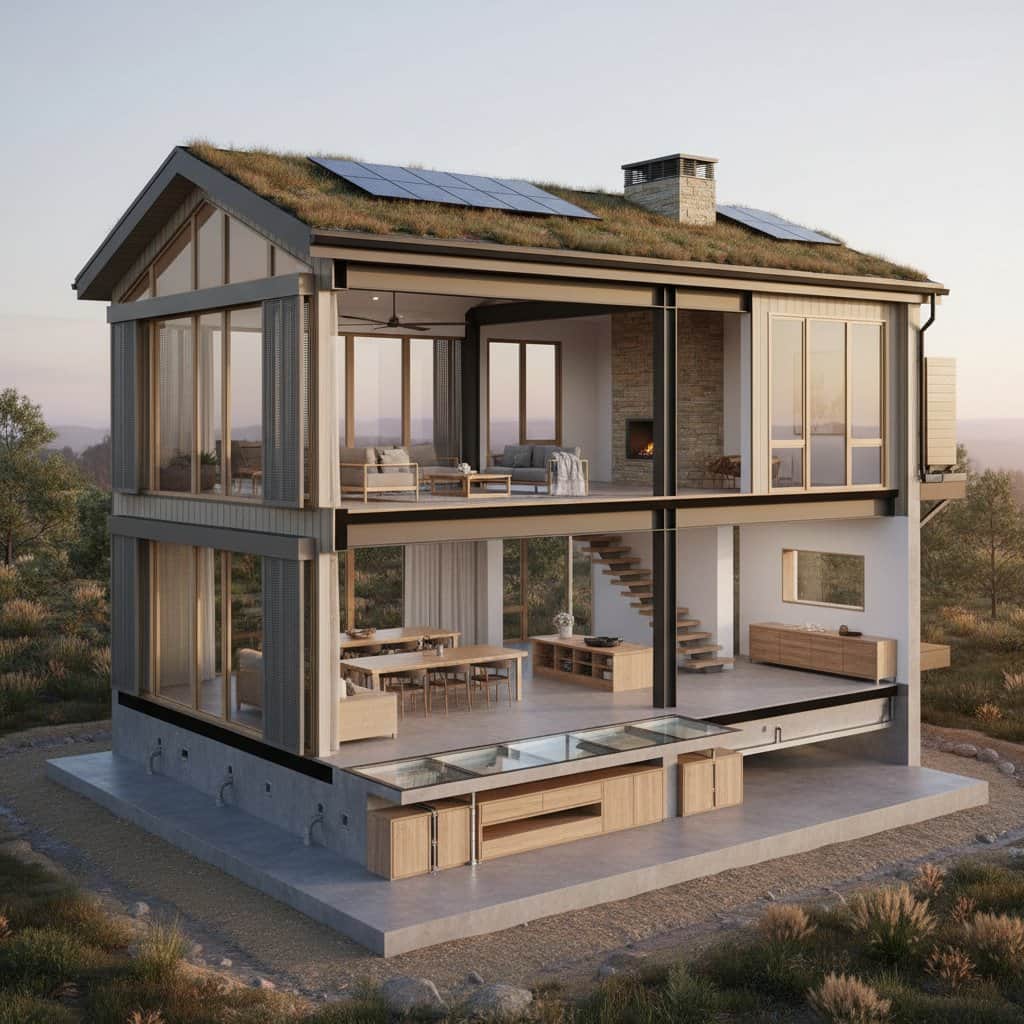
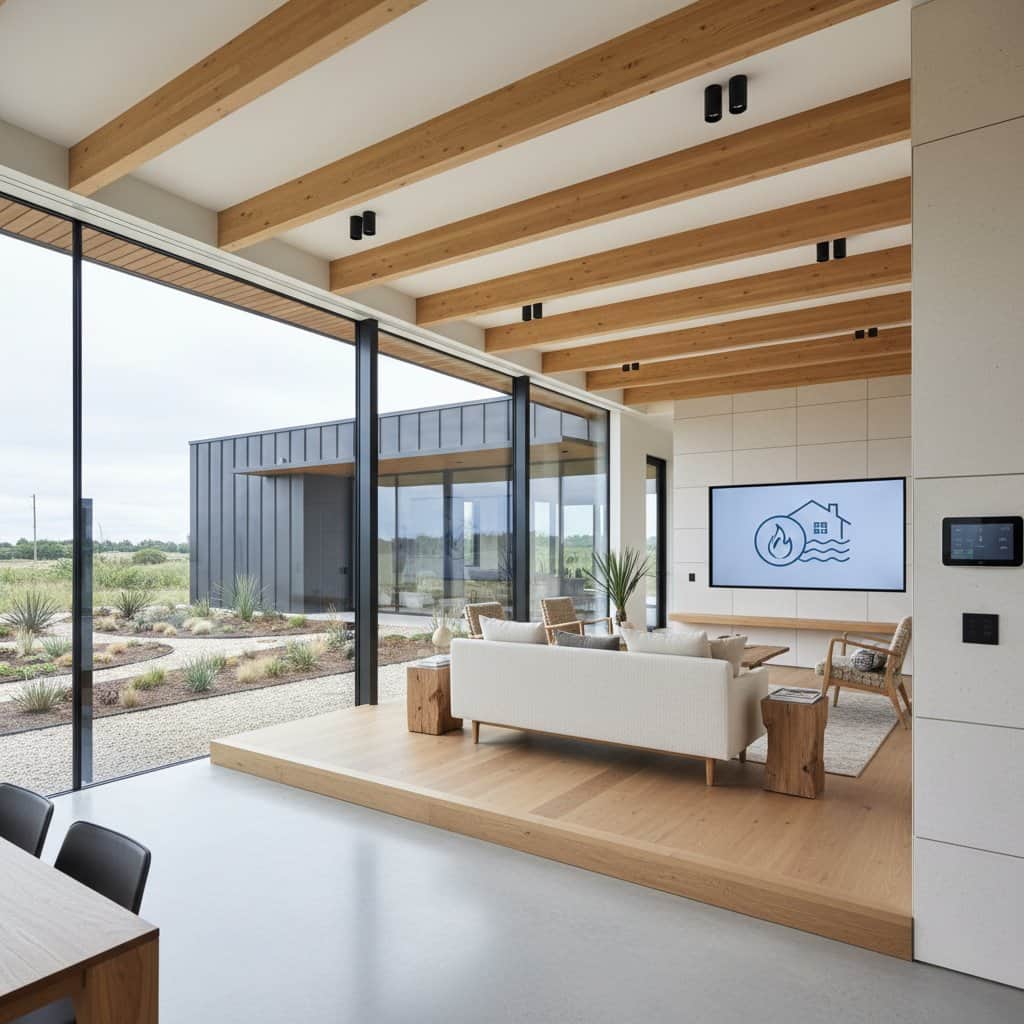
New 2026 building rules emphasize homes that withstand floods and fires through smarter design, durable materials, and climate-specific planning. From raised foundations to ember-resistant roofs, resilience now blends seamlessly with comfort and style. Thoughtful design choices protect families, reduce long-term costs, and reconnect modern living with the natural environment.
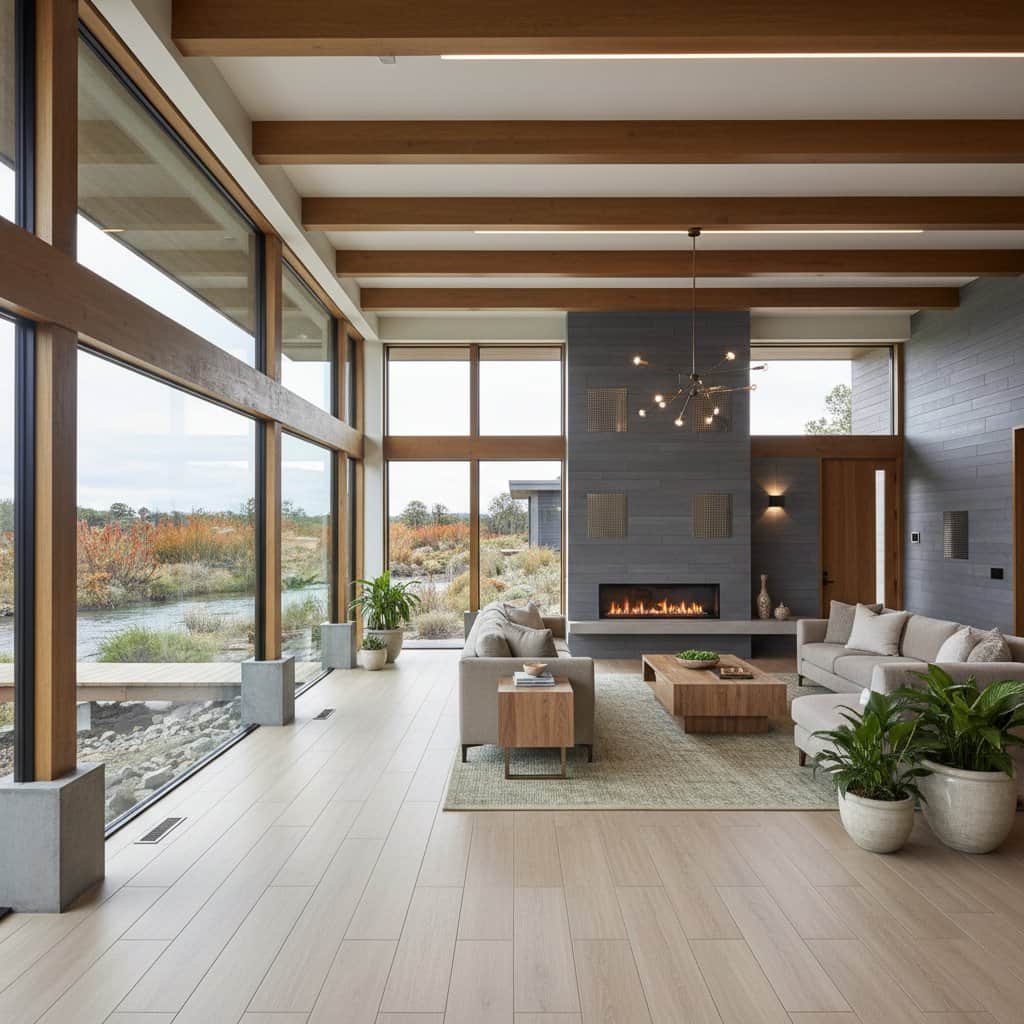
2026 building codes transform home construction with fire- and flood-resistant innovations. Non-combustible exteriors, elevated bases, and ember barriers ensure safety, aesthetics, and eco-friendliness, empowering owners to secure assets and embrace weather challenges confidently.
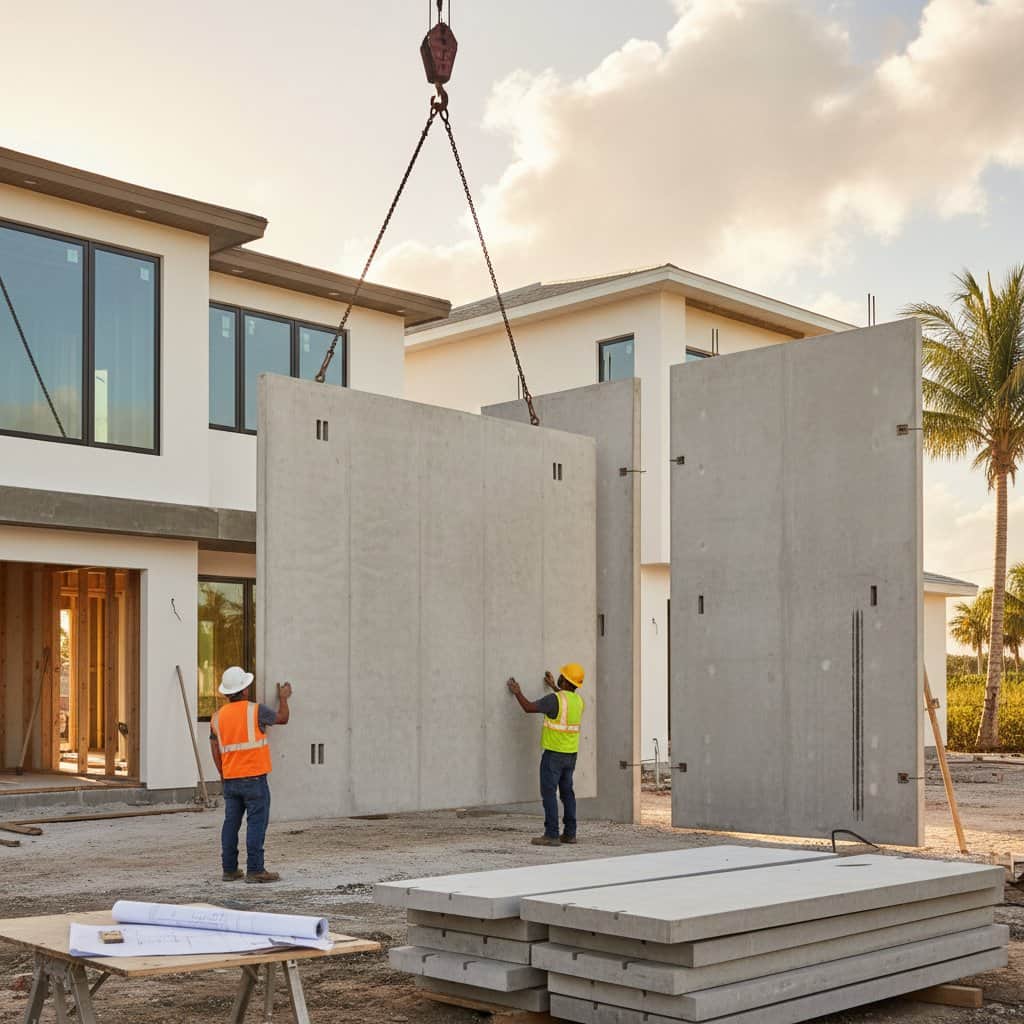
Florida's 2026 building code introduces mandatory hurricane-proof concrete panels for new homes, revolutionizing construction with superior strength, energy savings, and reduced maintenance. This shift addresses escalating storm risks, offering homeowners durable protection and builders efficient methods, despite initial costs.
Hempcrete revolutionizes contemporary construction by combining inherent fire resistance, exceptional breathability, and unmatched sustainability. Construction professionals appreciate its structural integrity, superior insulation properties, and minimal environmental impact. Transitioning from a specialized eco-material to a staple in conventional developments, hempcrete delivers superior indoor air quality, optimized energy performance, and enduring resilience, positioning it as an intelligent choice for forward-thinking architecture.
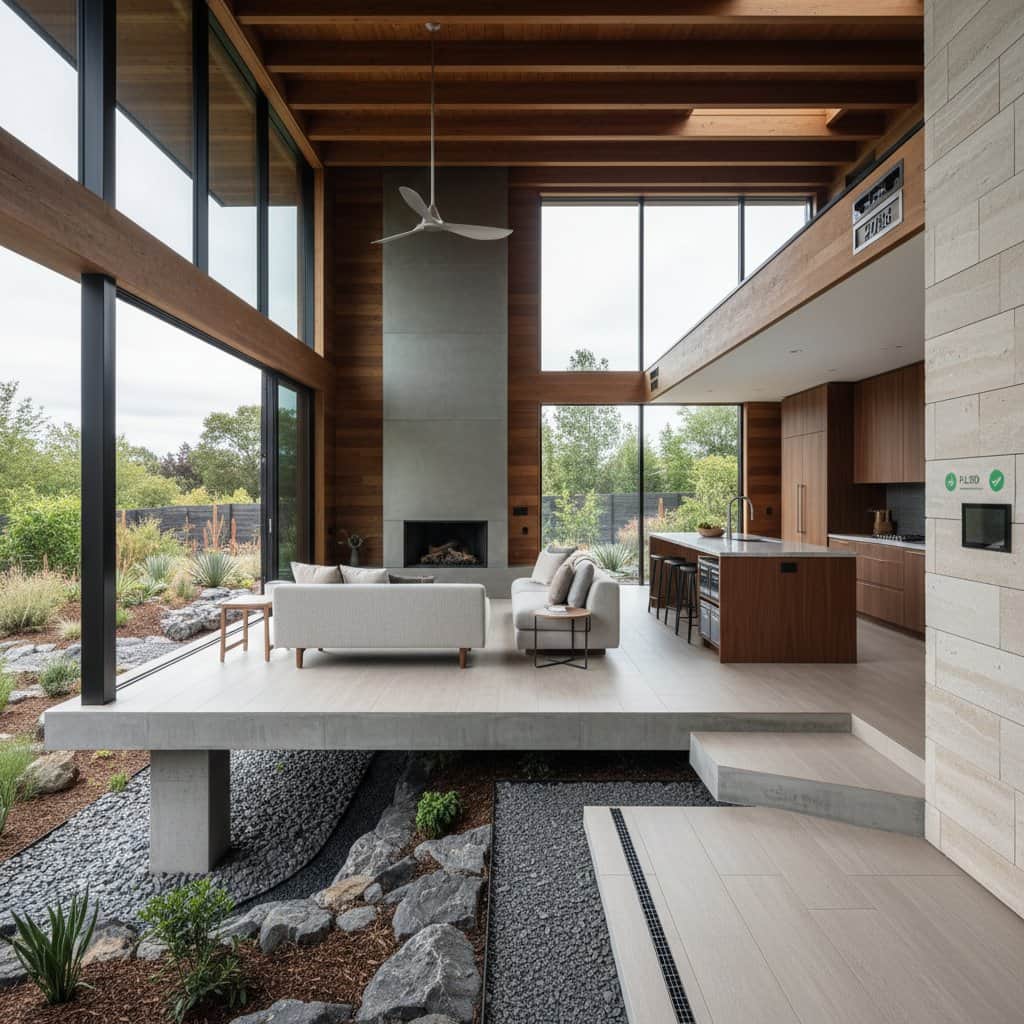
The 2026 building codes advance home resilience against wildfires, floods, and extreme weather through innovative materials and designs. Fire-rated exteriors, elevated structures, and efficient drainage systems deliver durable, cost-effective protection and serenity amid climate uncertainties.
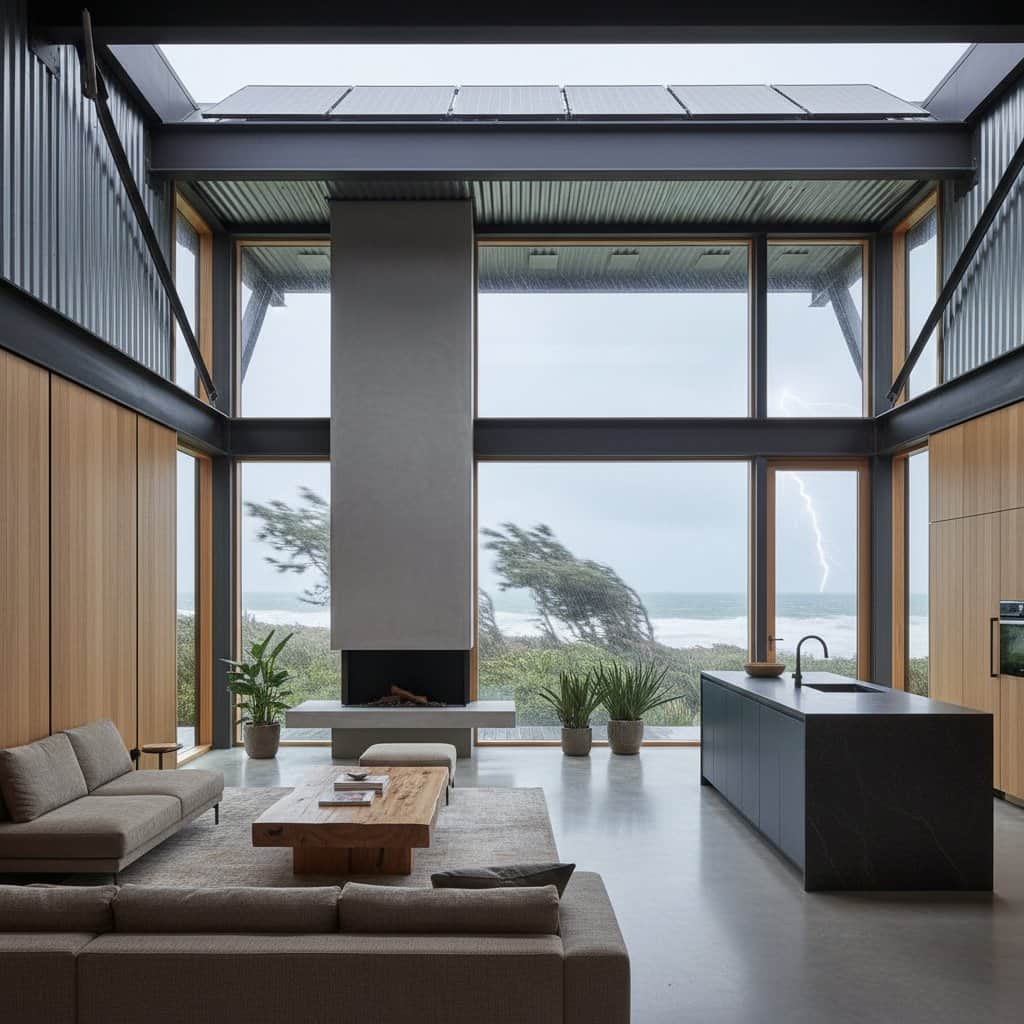
Uncover 2026 innovations in hurricane and fire-proof home construction. Advanced materials such as reinforced concrete, metal roofing, and fire-rated interiors deliver strength, efficiency, and elegance for enduring protection.
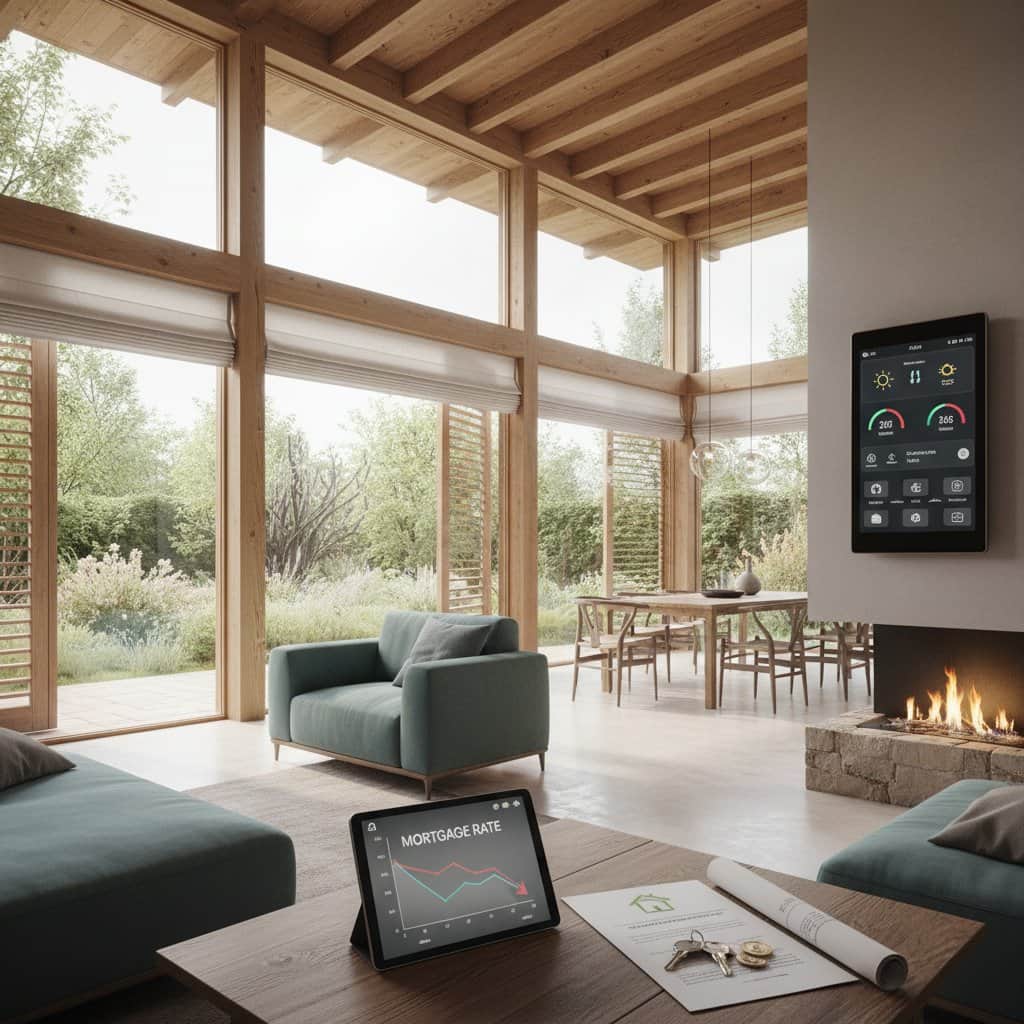
Climate-resilient homes represent a forward-thinking investment, designed to endure extreme weather, minimize repair needs, and attract favorable mortgage terms. These properties integrate robust materials, energy-efficient features, and strategic designs to deliver enhanced security, comfort, and financial benefits. Explore the ways resilience in home construction is transforming sustainable and economical housing options.
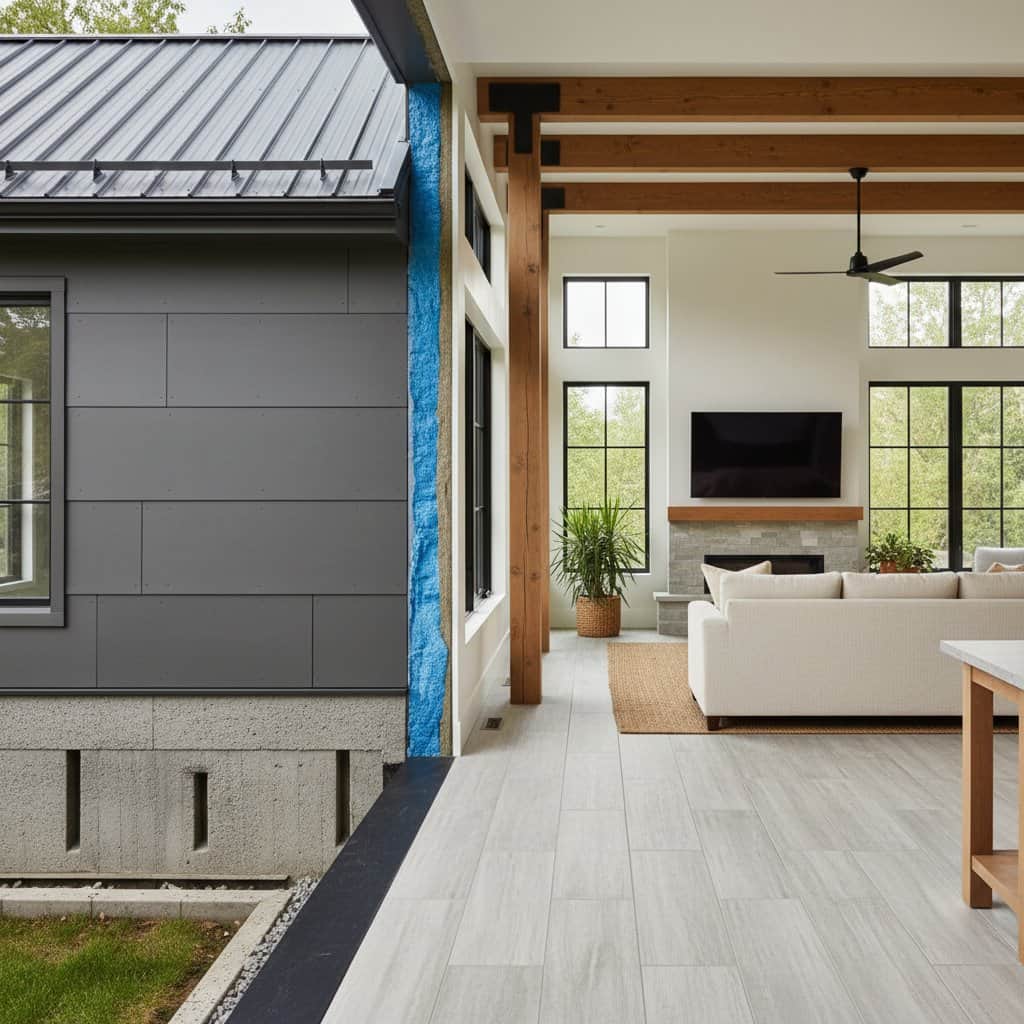
Uncover 2026's advanced materials that fortify homes against wildfires and floods. Options such as fiber cement siding, metal roofing, insulated concrete forms, and closed-cell insulation deliver robust defense alongside inviting aesthetics. Discover strategies to construct spaces that harmonize safety, elegance, and sustainability.
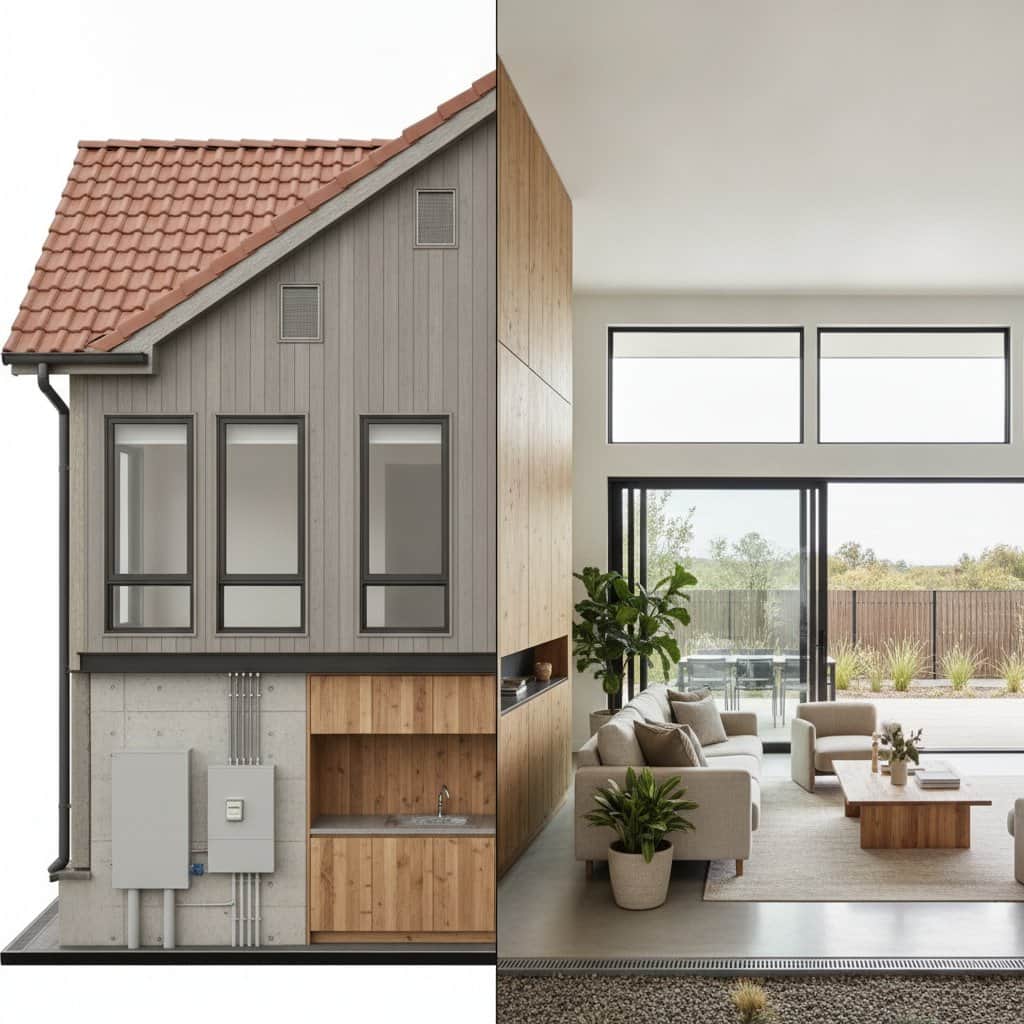
Hempcrete walls have secured building code approval, advancing sustainable residential construction. This material excels in fire resistance, thermal insulation, and moisture regulation, allowing builders to integrate natural elements into compliant, durable homes. The approval integrates eco-friendly options into conventional building practices, promoting safer and greener living spaces.
With 2025 insurance mandates in place, homeowners must demonstrate climate resilience to secure coverage and manage premiums. Upgrades like fire-rated roofs and flood barriers safeguard properties, cut expenses, and enhance living conditions. Discover how these prevention-oriented policies transform homeownership by incentivizing durable, adaptive designs.
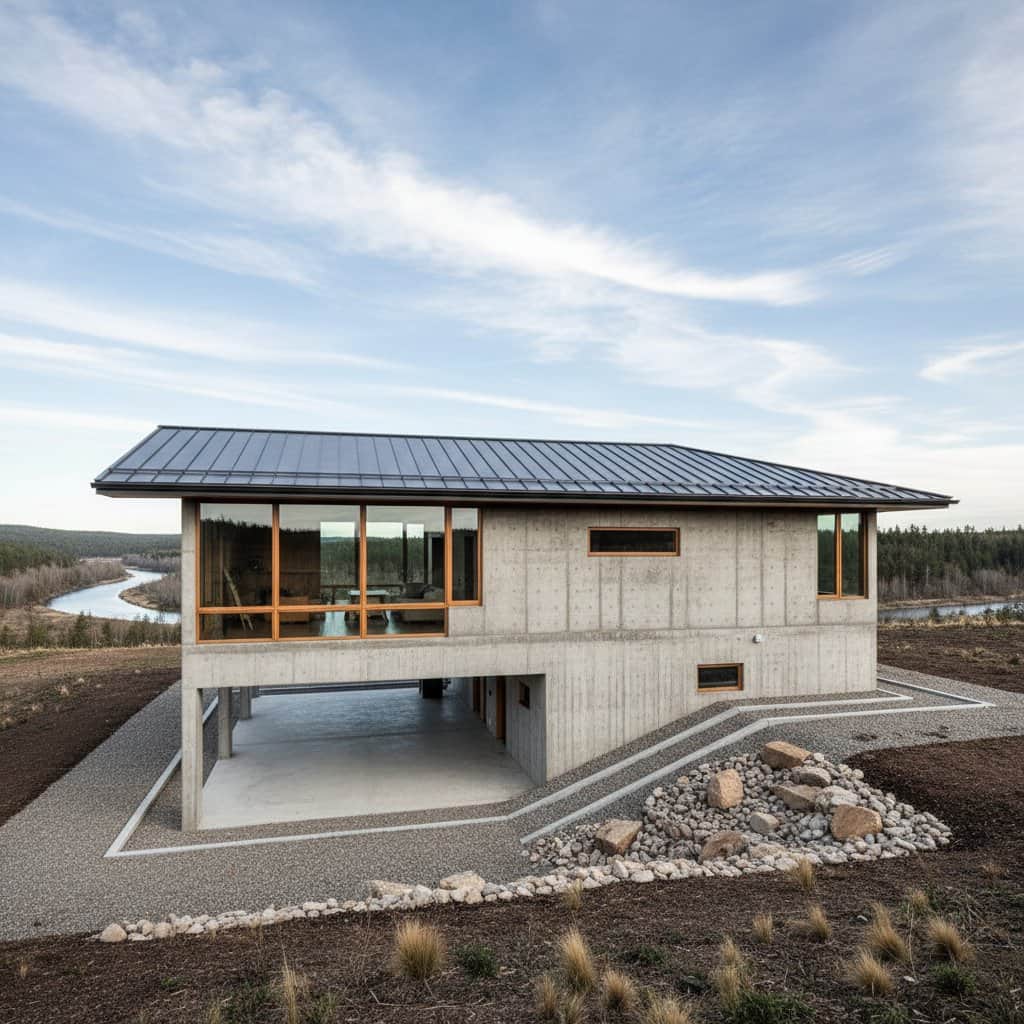
Upcoming 2025 flood regulations elevate building standards and associated expenses. Strategic choices, such as higher foundations, durable materials, and enhanced drainage, reduce insurance rates while enhancing property resilience. Elevation exceeds mere regulatory adherence; it delivers security, financial benefits, and tranquility amid increasing flood risks.
Learn about key building materials such as fiber cement siding, insulated concrete forms, metal roofing, impact-resistant windows, and fire-rated components. These options provide robust protection against wildfires and hurricanes while maintaining aesthetic appeal and energy efficiency for long-term home resilience.
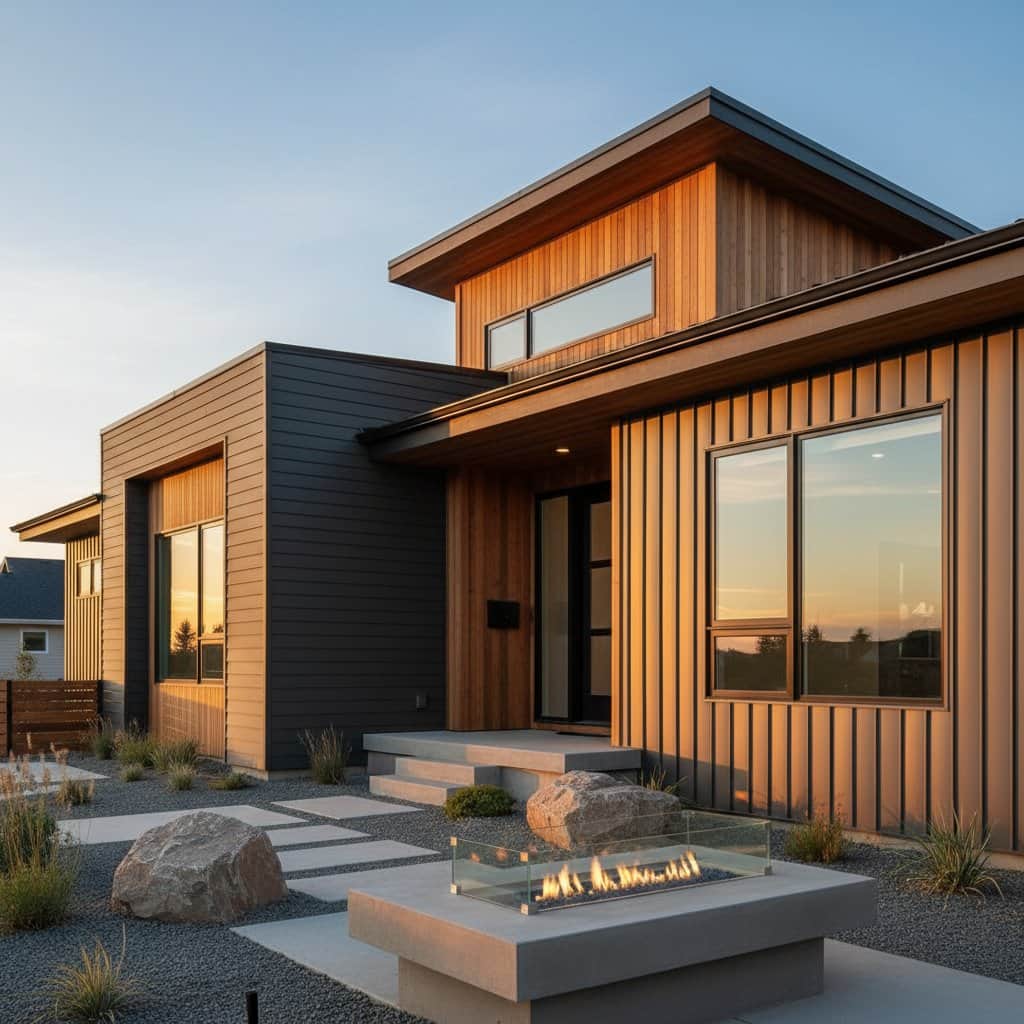
Twelve states mandate fire-resistant siding for new residential construction beginning in 2025, favoring materials such as fiber cement, metal, and treated wood. These choices not only mitigate wildfire risks but also yield insurance discounts, elevate property values, and preserve aesthetic appeal, positioning them as a prudent investment for homeowners.
The 2025 building codes transform home design to address climate challenges, integrating fire-resistant materials, effective drainage, and defensible landscaping to safeguard against wildfires and floods while boosting efficiency and community well-being.
Modern building codes and advanced materials enable homes to resist wildfires and floods effectively. Features such as ember-resistant vents, elevated foundations, and permeable landscaping integrate protection with aesthetic appeal, delivering safety, cost savings, and tranquility amid climate uncertainties.
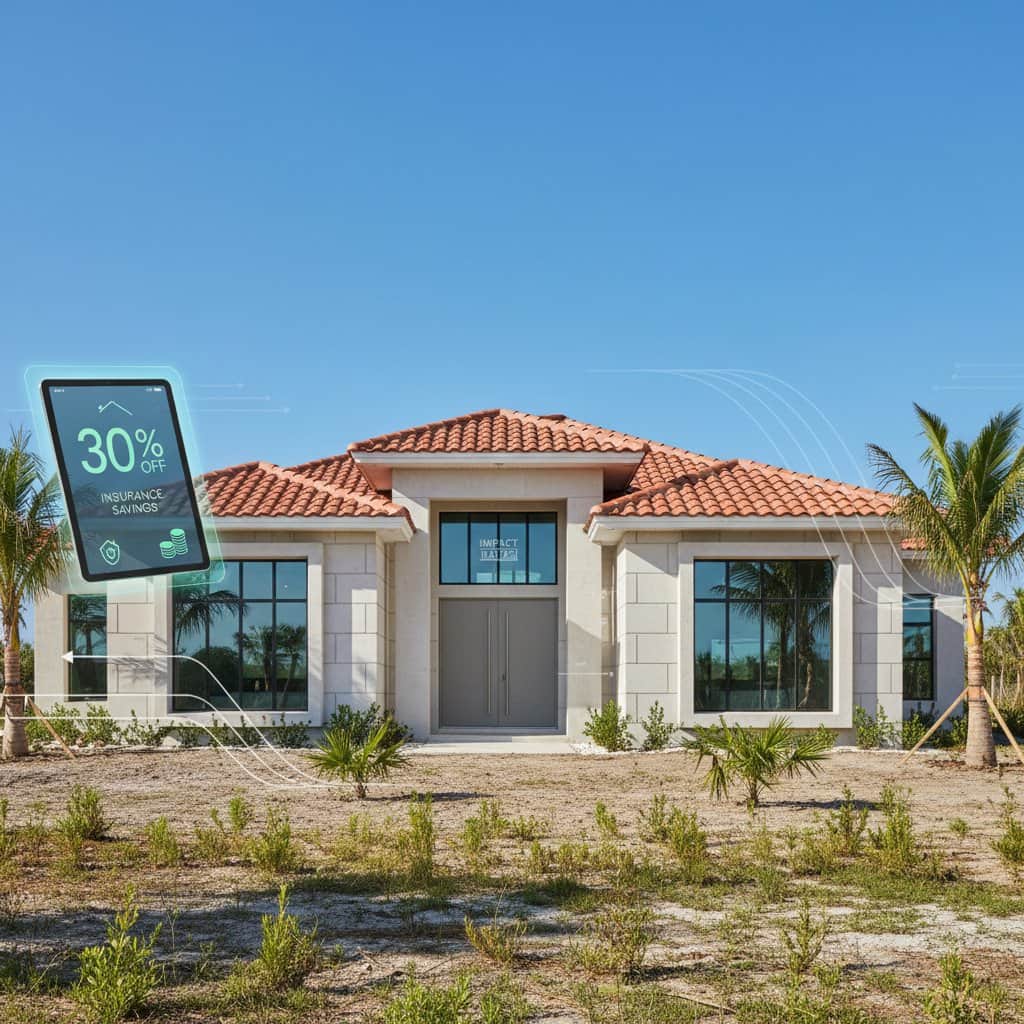
Fortify your home against hurricanes in 2025 to protect your family and finances. Upgrades such as reinforced roofs and impact-resistant windows can reduce insurance premiums by up to 30 percent. Discover how certified installations and innovative designs increase property value and provide reliable peace of mind.
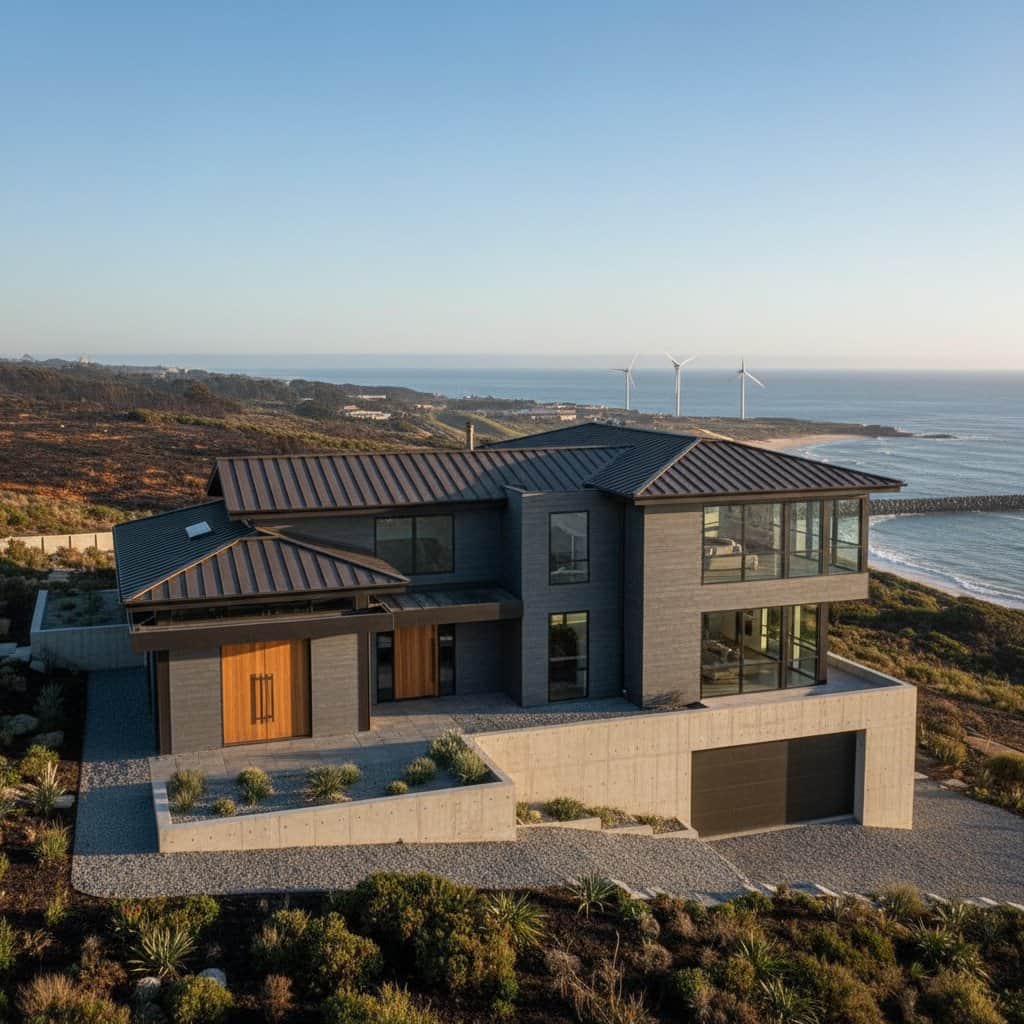
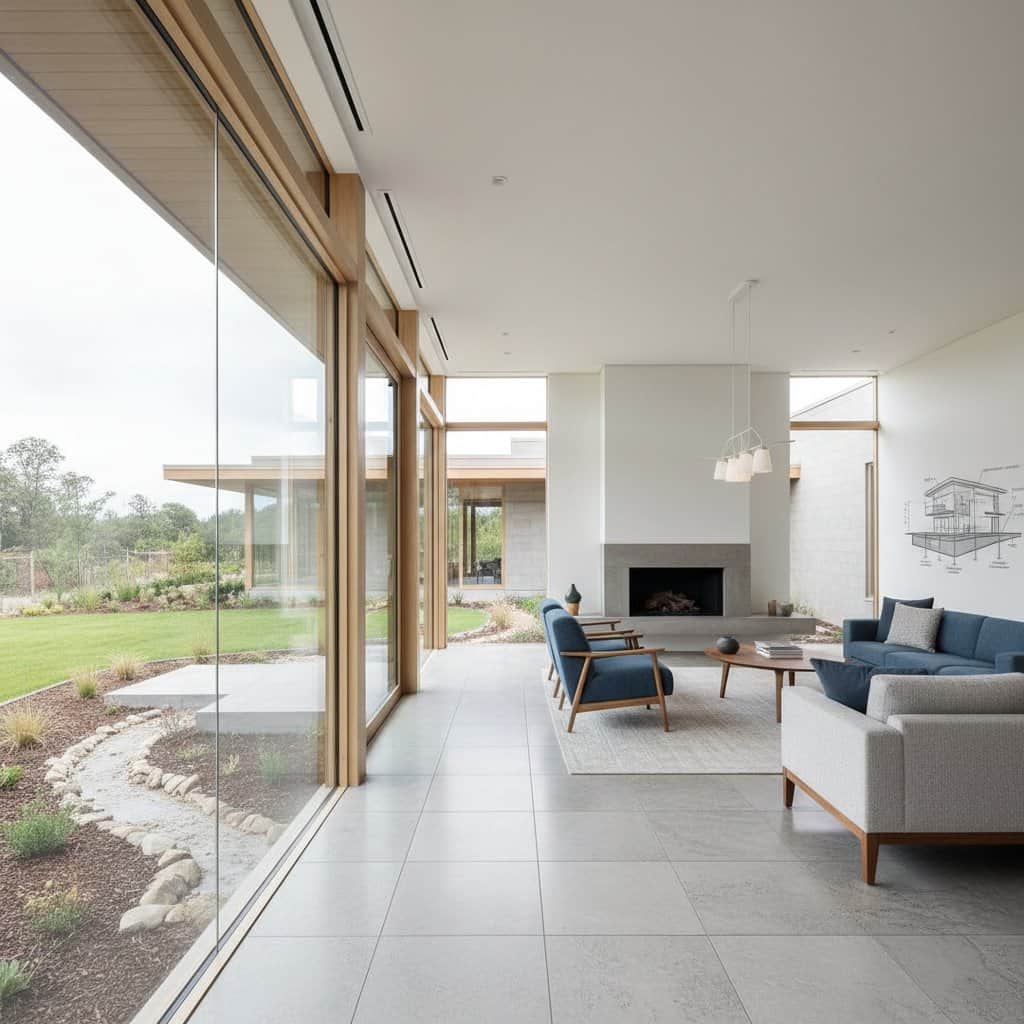
Fortify your home against the threats of wildfires and floods through strategic planning and advanced materials. Elevated foundations, fire-resistant exteriors, and efficient drainage systems form the backbone of resilience. Discover practical methods to integrate safety with comfort and style for a home that endures environmental challenges.
Starting in 2025, 12 states mandate fireproof cladding for homes, influencing design, safety, and budgets. Options like fiber cement and treated timber enable builders and homeowners to integrate style with fire resistance. This guide covers compliant material selection, cost planning, and code navigation to safeguard properties from wildfires.