TL;DR
- Twelve states require fire-resistant siding for new homes.
- Qualifying materials include fiber cement, metal, and treated wood.
- These options provide long-term savings through reduced insurance premiums and maintenance.
Understanding Fire-Resistant Siding
Fire-resistant siding refers to exterior materials engineered to resist ignition, limit heat transfer, and impede flame spread. These products do not render a home impervious to fire, yet they provide critical time for evacuation or firefighting efforts. In wildfire-prone regions, such siding serves as a primary defense against embers and radiant heat.
Key benefits include protection against exterior wall ignition and eligibility for insurance reductions. Many options maintain aesthetic appeal comparable to traditional siding. Builders in affected areas must select materials that comply with updated building codes effective in 2025.
Qualifying Materials for Fire-Resistant Siding
Several materials satisfy the requirements across the twelve states. Each offers distinct advantages in durability, appearance, and installation. Select based on climate, architectural style, and budget constraints.
-
Fiber Cement
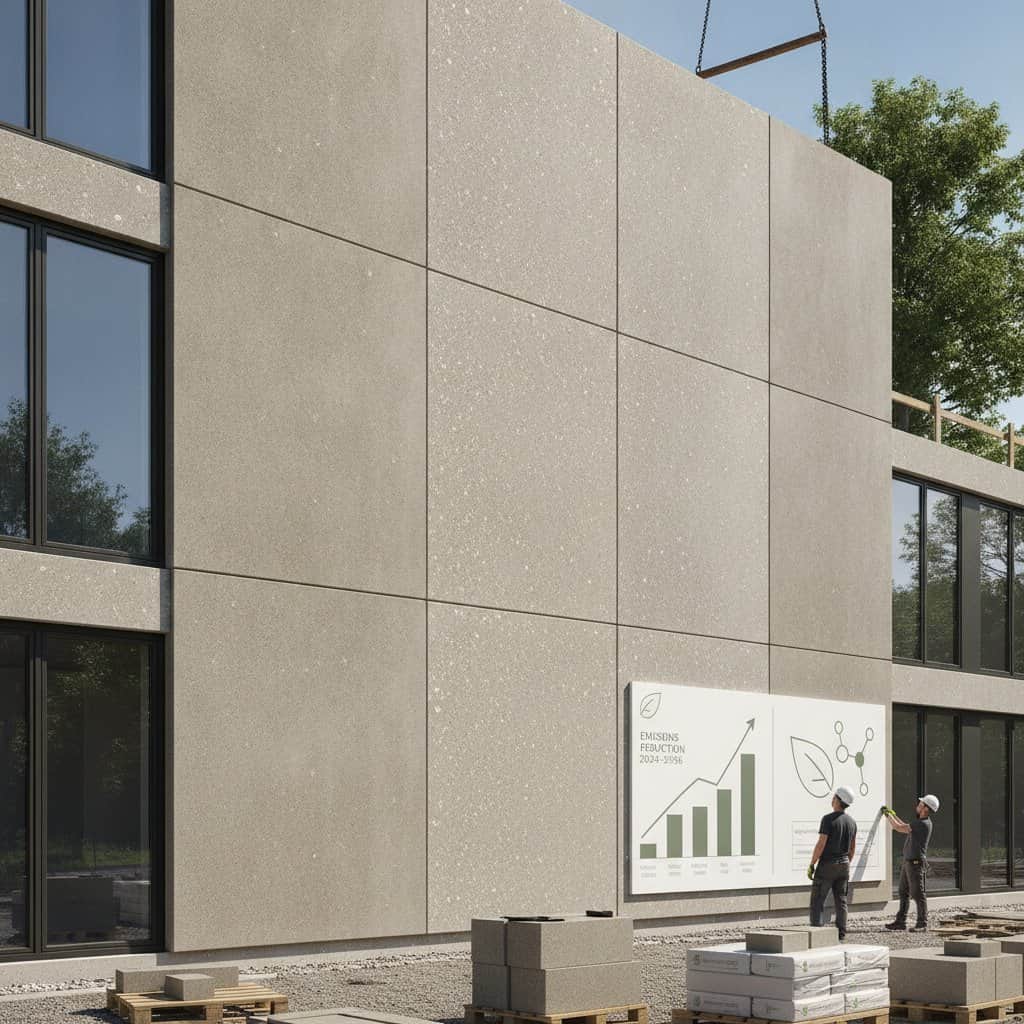
Composed of cement, sand, and cellulose fibers, fiber cement qualifies as non-combustible under most codes. It withstands extreme weather, resists pests, and accepts paint or stains effectively. Available in profiles that replicate wood siding or smooth stucco finishes, it suits a range of home designs. -
Metal Siding
Steel or aluminum panels reflect heat and prevent combustion. These materials endure for decades with minimal upkeep and deter insect damage. While rain may produce noticeable noise on metal surfaces, sound-dampening underlays address this concern for residential applications. -
Stucco
Applied over a reinforced base, stucco provides inherent fire resistance in arid environments. Proper installation ensures longevity, though annual inspections prevent moisture-related cracks. This finish delivers a seamless, textured exterior that enhances Mediterranean or contemporary aesthetics. -
Brick or Stone Veneer
Natural brick and stone inherently resist fire and add substantial visual weight to a facade. Though initial costs exceed other options, these veneers require little maintenance and increase property value. They integrate well with traditional or rustic home styles. -
Treated Wood Siding
Fire-retardant treatments applied to wood slow ignition and flame propagation. Verify local code approval before use, as acceptance varies. This choice preserves the warmth of natural wood grain while meeting safety standards.
Cost Considerations for Fire-Resistant Siding
Installation costs vary by material and project scale. Fiber cement typically exceeds vinyl siding by 20 to 30 percent per square foot, yet its lifespan offsets the difference through reduced replacements. Metal siding involves higher upfront expenses, around 40 percent more than basic options, balanced by near-zero ongoing care.
Brick and stone veneers demand the largest investment, often doubling standard siding prices, but deliver unmatched durability. Long-term financial advantages include insurance discounts of 5 to 15 percent annually, depending on the provider and location. Homeowners in high-risk areas report quicker resale times and higher offers due to enhanced safety features.
Consider a case where a family in California replaced vinyl with fiber cement following a close wildfire encounter. Their insurer applied a 10 percent premium reduction, yielding hundreds in yearly savings. Such examples illustrate how initial outlays translate to tangible protection and economic returns.
Maintenance Practices for Fire-Resistant Siding
Routine care ensures optimal performance over time. Maintain a defensible space by clearing vegetation within five feet of the structure to limit ember accumulation. Conduct yearly visual inspections for cracks, loose panels, or debris buildup, addressing issues promptly to preserve integrity.
Clean surfaces with low-pressure water to remove soot or pollutants, avoiding harsh chemicals that could damage finishes. Professional resealing every five to ten years extends material life, particularly for treated wood or stucco. These steps minimize repair needs and sustain both safety and appearance.
Steps to Implement Fire-Resistant Siding
Consult local building authorities to confirm requirements for your jurisdiction among the twelve states. Engage a certified contractor experienced in code-compliant installations to evaluate site-specific needs. Obtain material samples to align selections with your home's design vision.
Budget for the upgrade by factoring in potential rebates from insurance carriers or state programs. During construction or renovation, prioritize ignition-resistant vents and roofs alongside siding for comprehensive protection. This integrated approach fortifies your property against evolving wildfire threats while enhancing overall resilience.