#materials

Articles tagged with materials

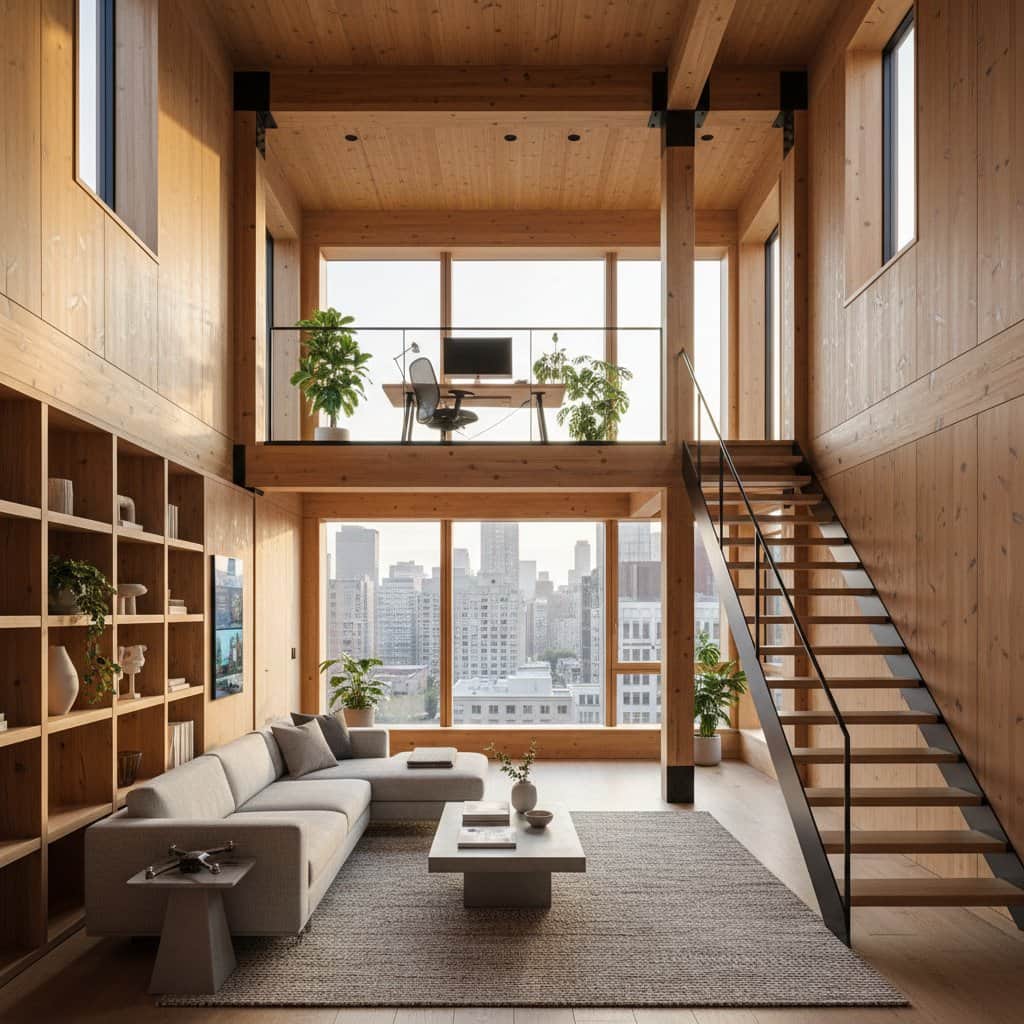
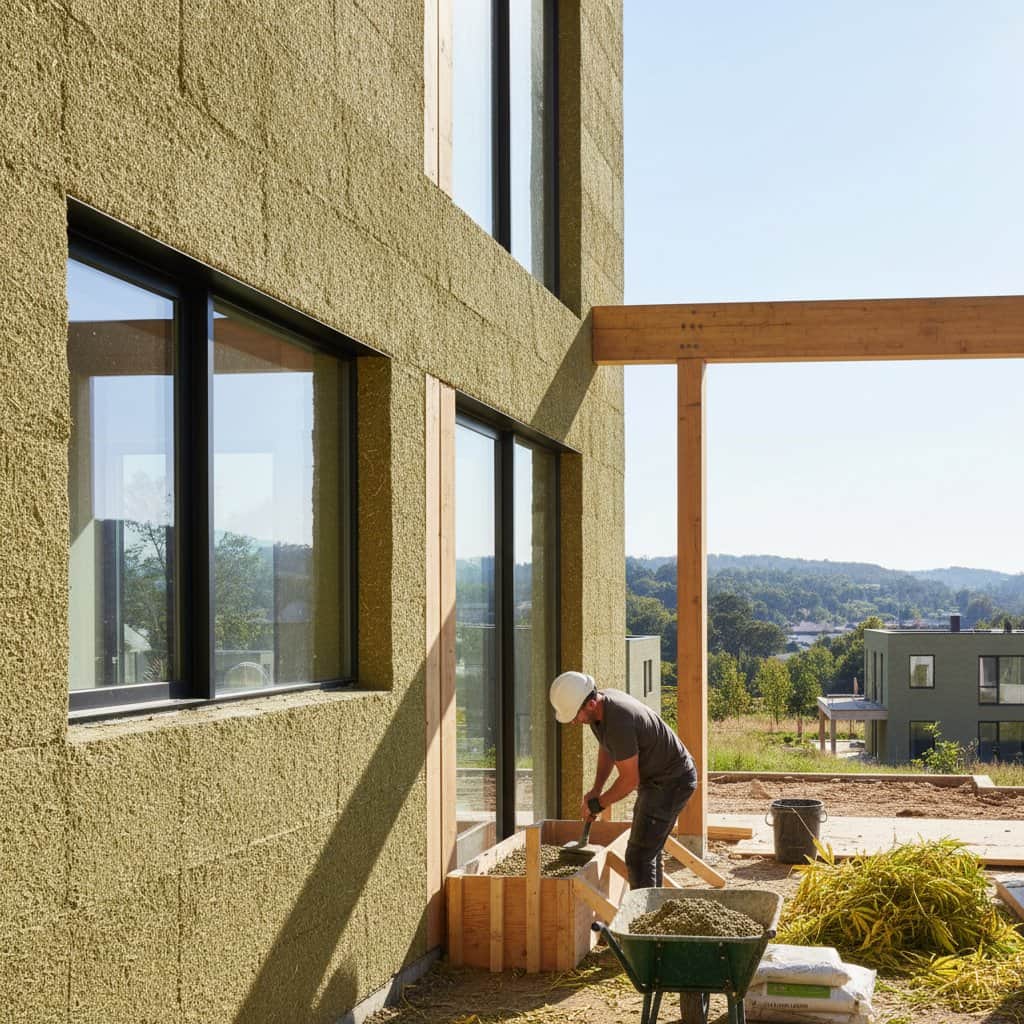
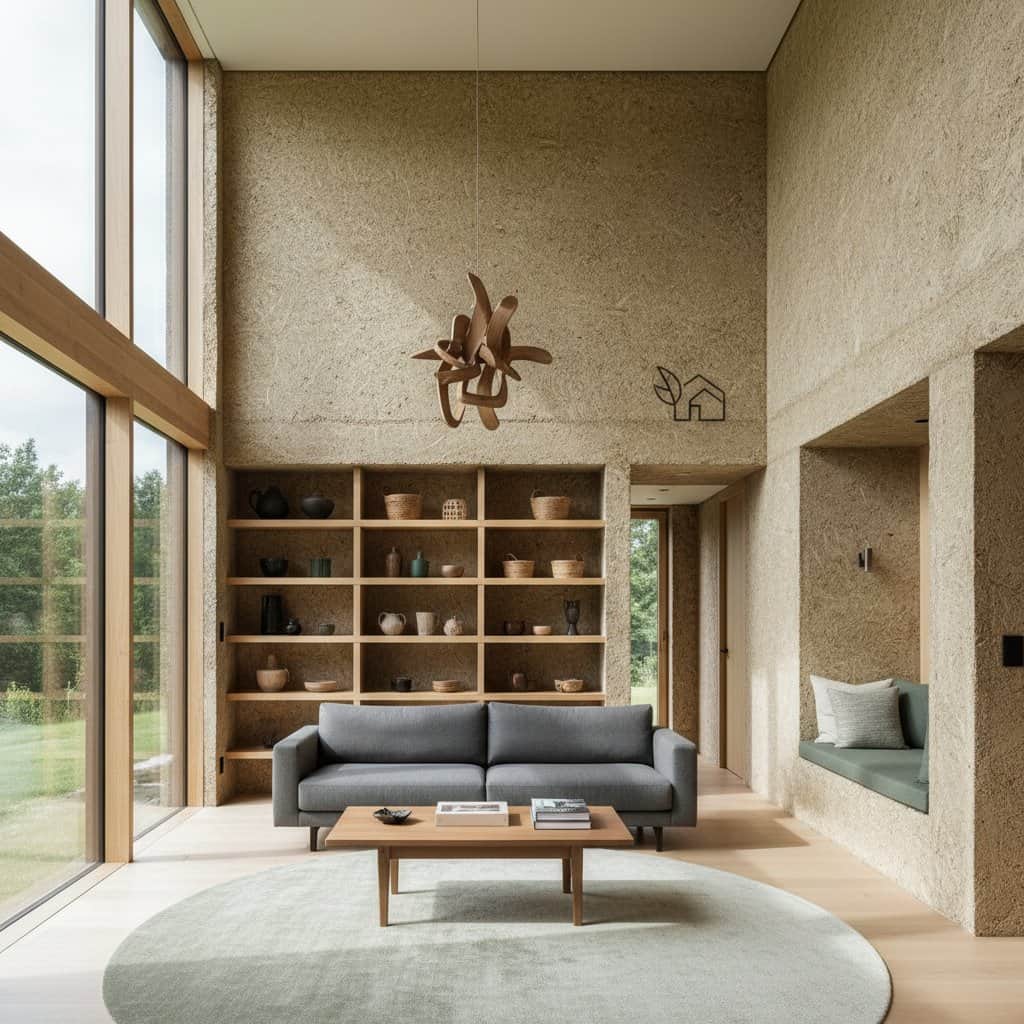
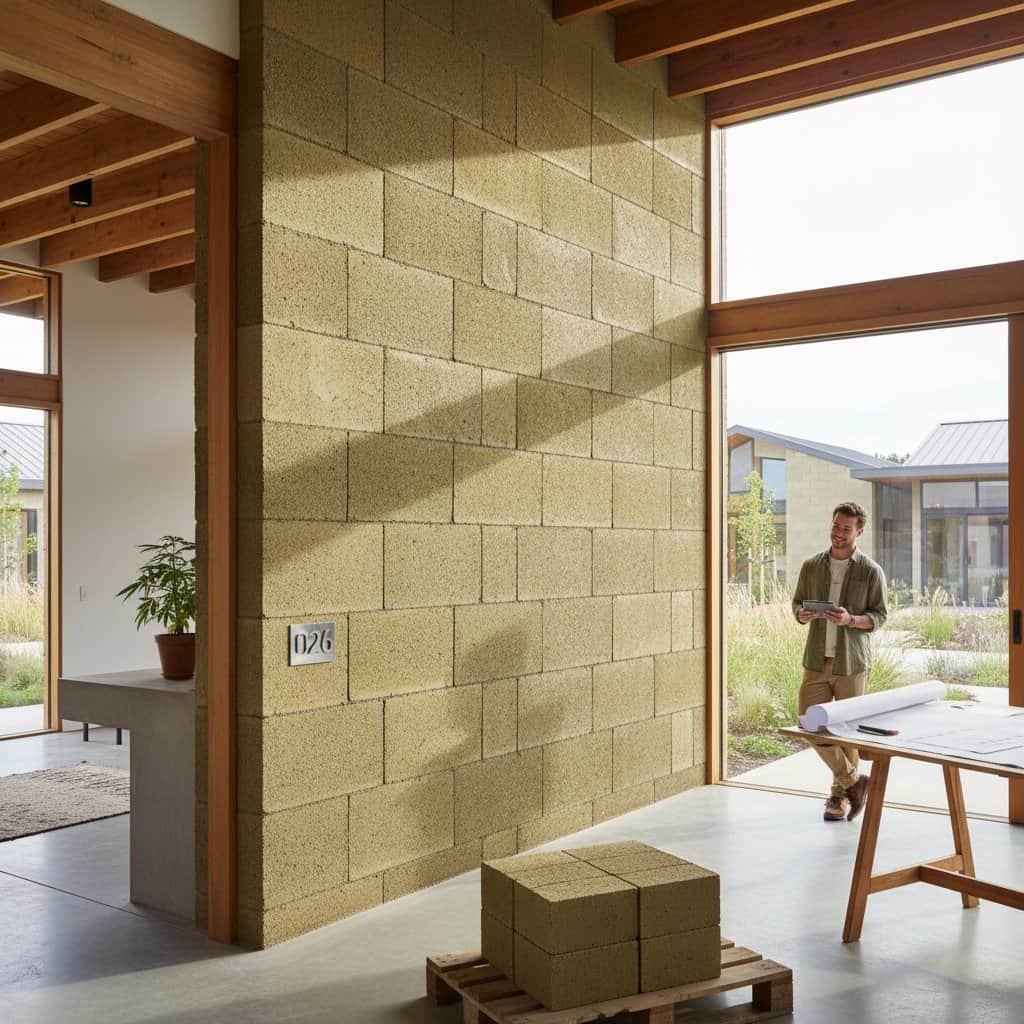
Featured image for Hempcrete Homes Cut Energy Bills in Half While Absorbing Carbon

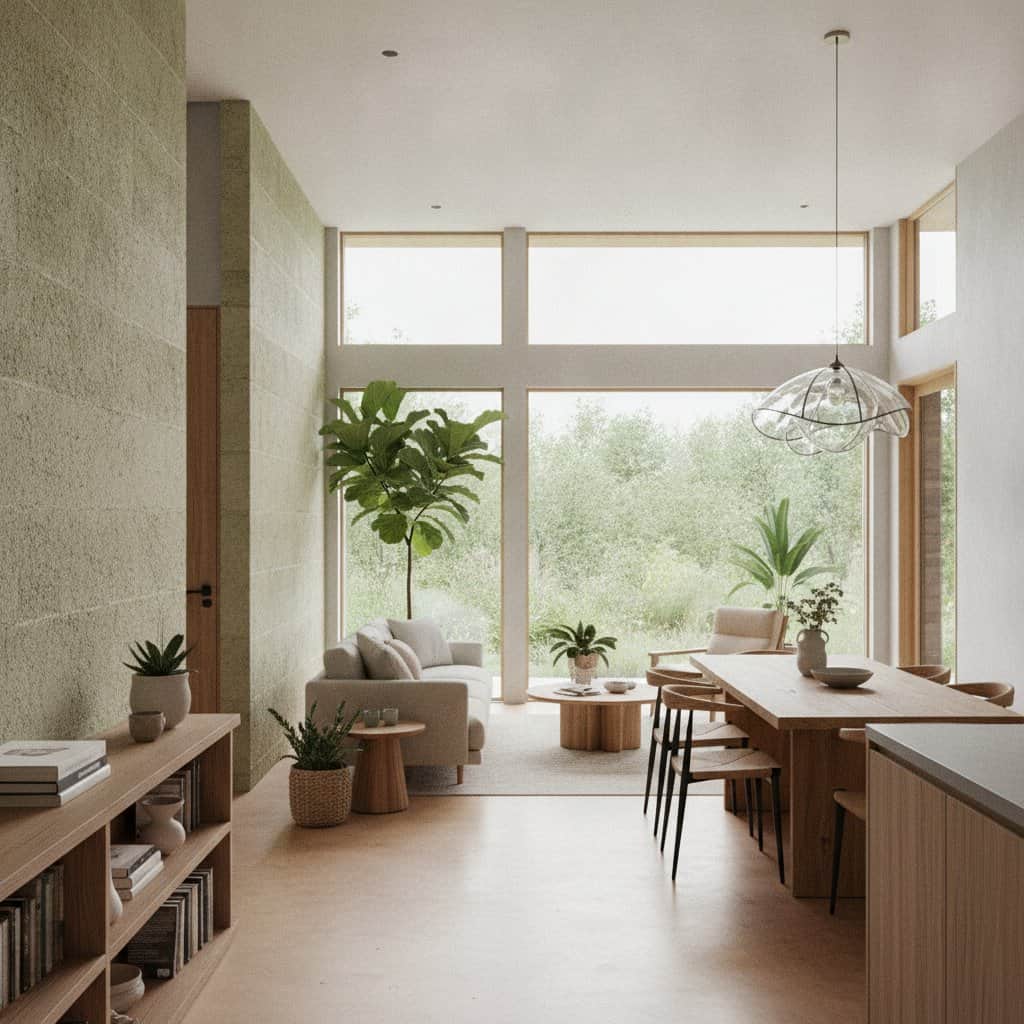
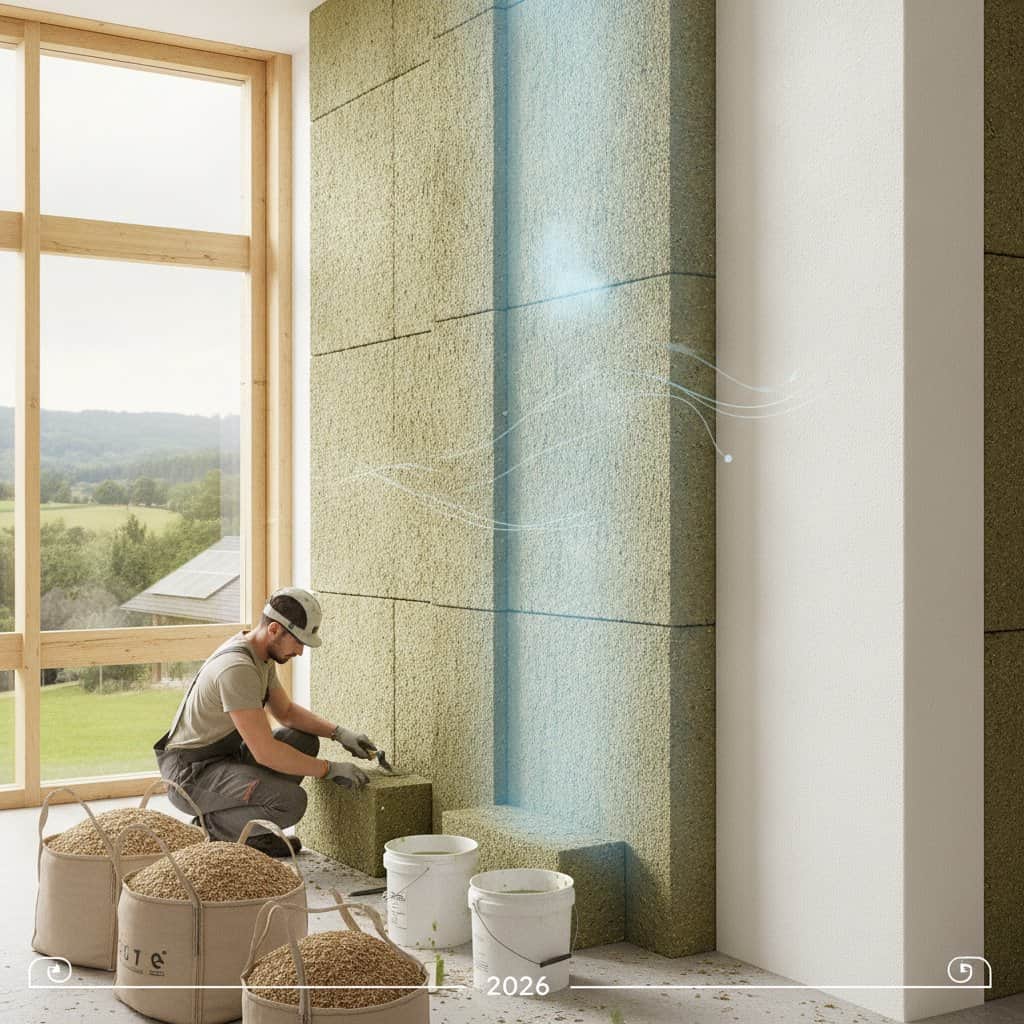
Hempcrete Homes Cut Energy Bills in Half While Absorbing Carbon

Hempcrete emerges as a game-changer in sustainable building, delivering carbon-negative performance, breathability, and energy savings. Composed of hemp hurds, lime, and water, this material provides long-lasting strength, enhanced comfort, and aesthetic appeal while minimizing emissions and operational expenses. As construction professionals integrate it into complete residential structures, hempcrete sets a new benchmark for environmentally responsible living.

4 min read
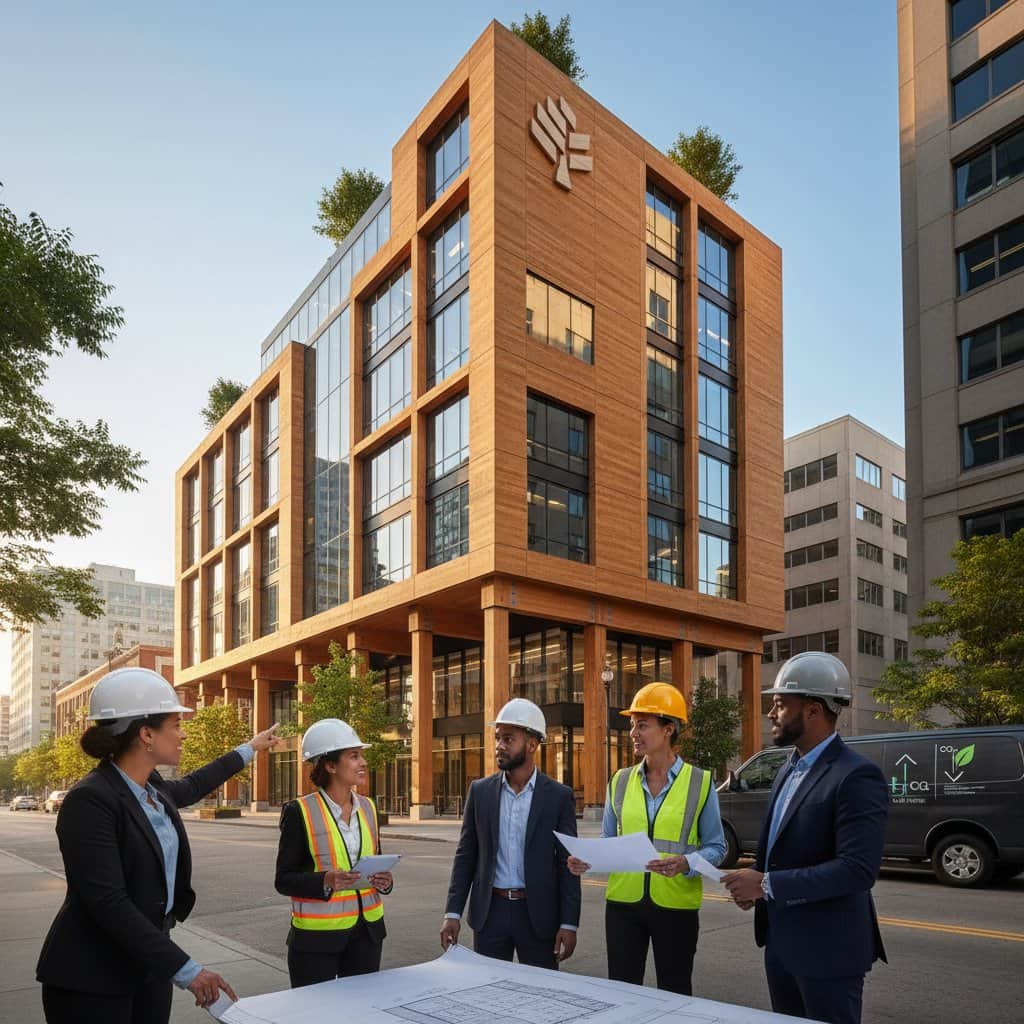
Featured image for 12 States Now Require Fire-Resistant Siding for New Homes

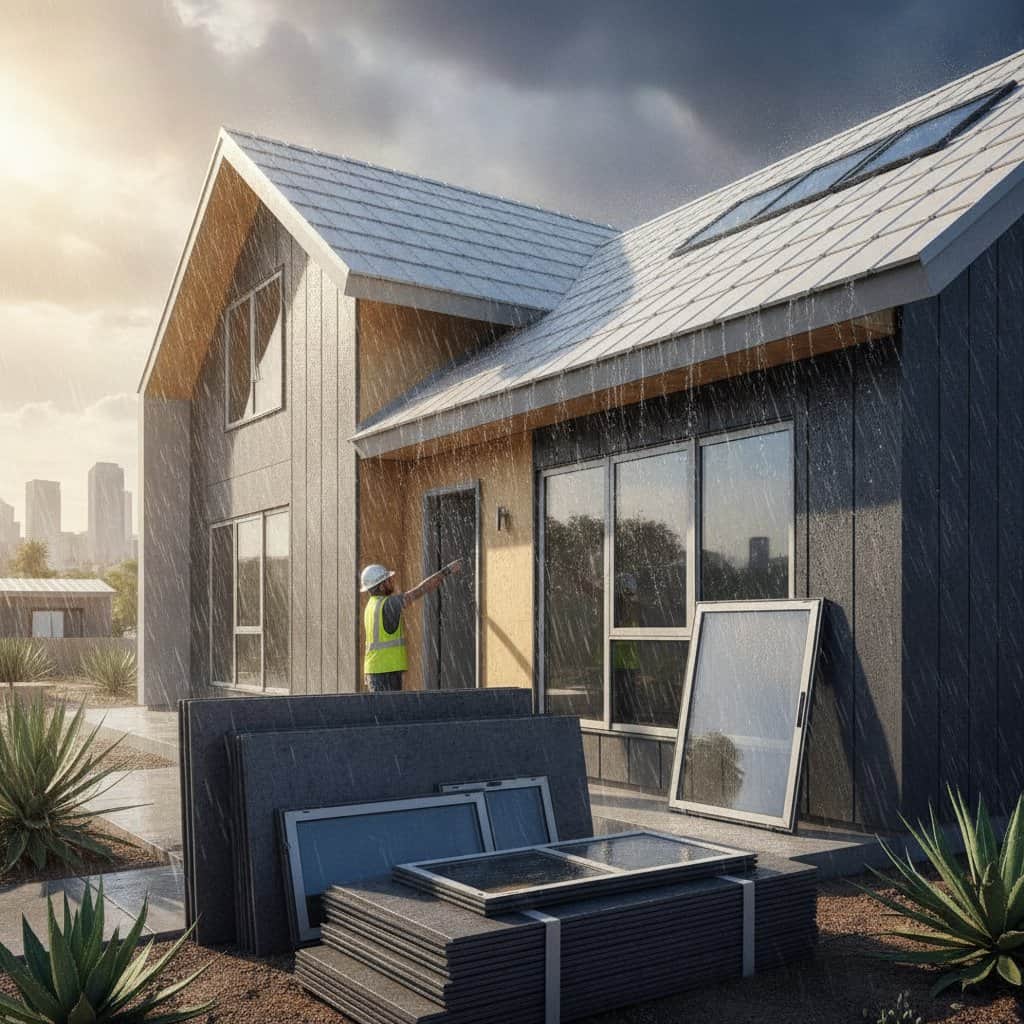
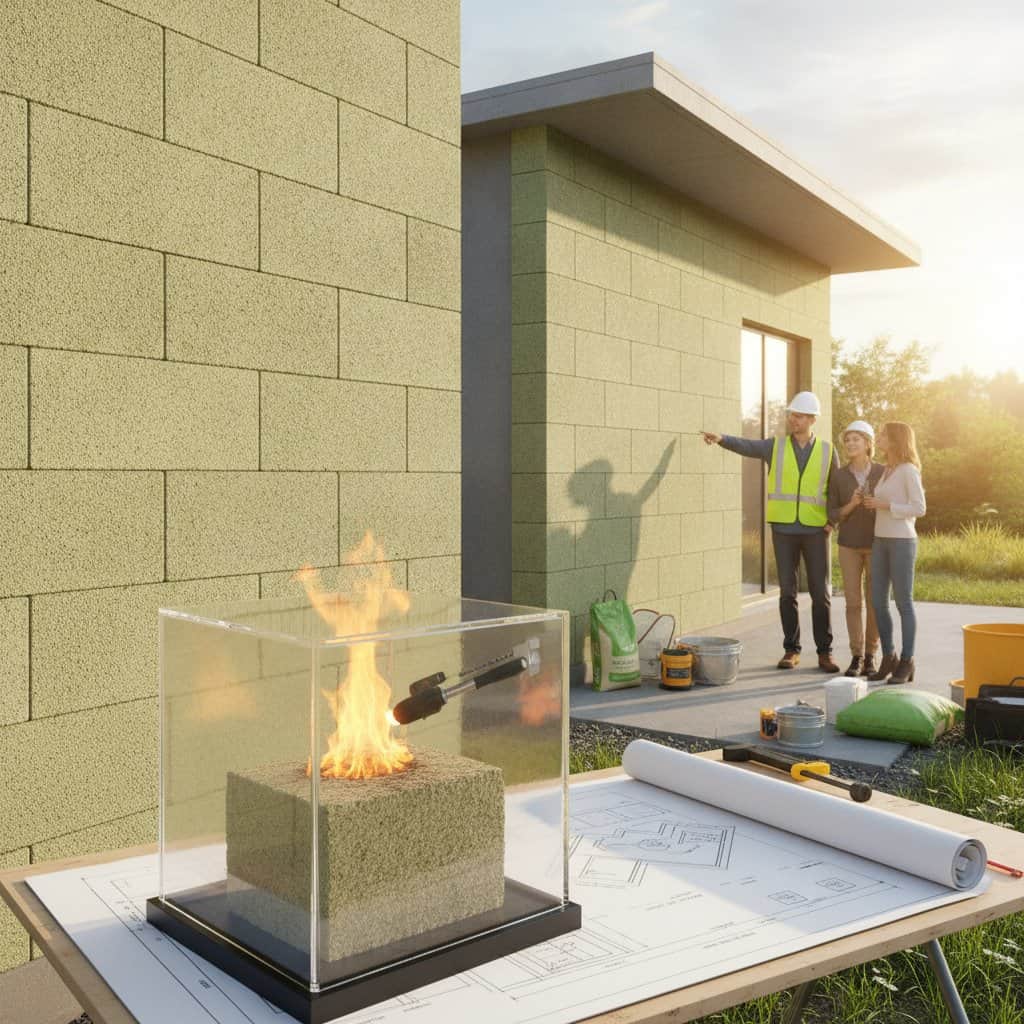
12 States Now Require Fire-Resistant Siding for New Homes

Twelve states mandate fire-resistant siding for new residential construction beginning in 2025, favoring materials such as fiber cement, metal, and treated wood. These choices not only mitigate wildfire risks but also yield insurance discounts, elevate property values, and preserve aesthetic appeal, positioning them as a prudent investment for homeowners.

4 min read
Featured image for Hempcrete and Mycelium: Breathable Alternatives to Concrete

Hempcrete and Mycelium: Breathable Alternatives to Concrete

Hempcrete and mycelium emerge as innovative substitutes for concrete in sustainable building practices. These renewable materials provide breathability, effective moisture regulation, and enhanced insulation while minimizing environmental impact. Builders and homeowners alike benefit from structures that promote well-being and align with ecological responsibility.

6 min read
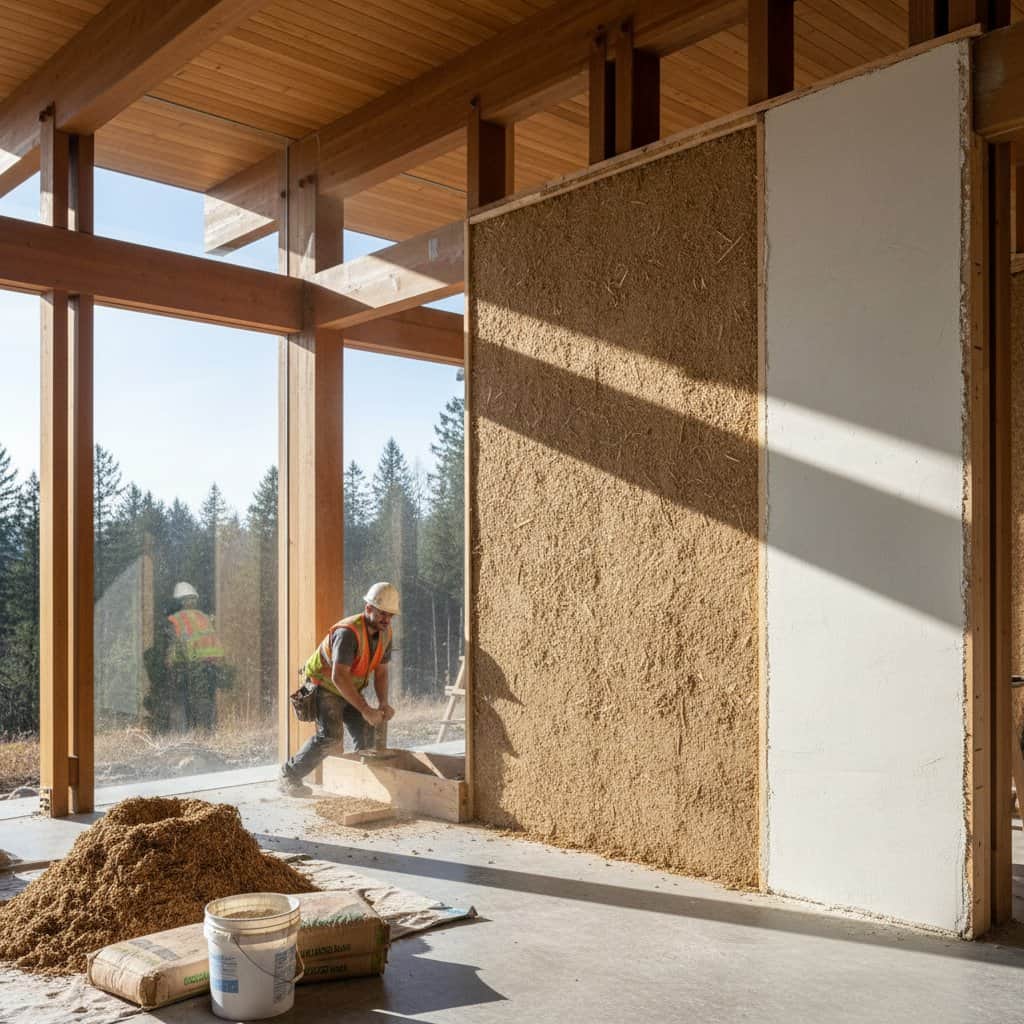
Featured image for Hempcrete Walls Absorb Carbon While They Insulate

Hempcrete Walls Absorb Carbon While They Insulate

Hempcrete redefines sustainable building in 2025 with carbon-negative walls that insulate effectively, regulate humidity, and improve indoor air quality. Composed of hemp, lime, and water, the material proves durable, fire-resistant, and energy-efficient. Beyond technical benefits, hempcrete boosts local economies and promotes regenerative practices where structures contribute to planetary health.

5 min read
Featured image for Why Hempcrete Stores Carbon Instead of Releasing It

Why Hempcrete Stores Carbon Instead of Releasing It

Hempcrete emerges as a transformative material in sustainable construction for 2025. It delivers carbon-negative properties, superior breathability, and natural insulation that promote comfortable, efficient homes. Although non-structural, hempcrete integrates seamlessly with wood or steel frames, reducing environmental impact while minimizing maintenance needs. Learn how this innovative choice redefines green building practices.

5 min read
Featured image for Hempcrete Walls Breathe and Lock Away Carbon

Hempcrete Walls Breathe and Lock Away Carbon

Hempcrete, composed of hemp hurds, lime, and water, revolutionizes sustainable building. With official approval in select regions, it delivers breathable, carbon-negative walls that naturally manage temperature and humidity. Lightweight, fire-resistant, and aesthetically versatile, hempcrete integrates design excellence with environmental responsibility, enabling builders and homeowners to craft inviting, eco-conscious environments.

5 min read
Featured image for Smart Materials That Stop Fires and Floods Cold

Smart Materials That Stop Fires and Floods Cold

Fortify your home against the threats of wildfires and floods through strategic planning and advanced materials. Elevated foundations, fire-resistant exteriors, and efficient drainage systems form the backbone of resilience. Discover practical methods to integrate safety with comfort and style for a home that endures environmental challenges.

4 min read
Featured image for Hempcrete and Mycelium Replace Concrete in Real Homes

Hempcrete and Mycelium Replace Concrete in Real Homes

Hempcrete and mycelium emerge as groundbreaking alternatives to concrete and drywall in sustainable construction. These materials provide breathable structures, superior insulation, and minimal environmental impact. With decreasing costs and increasing availability, they transition from experimental options to practical choices for builders seeking durable, green solutions.

6 min read