-
Mandatory Documentation: All invoices and payment records require detailed breakdowns, including labor hours and material costs. This level of specificity helps verify legitimacy but burdens parties with extensive record-keeping.
-
Verification of Completion: Homeowners must confirm stages of completion before releasing funds, which adds new responsibility. This step ensures payments align with progress but can delay disbursements if inspections lag.
-
Electronic Tracking: Some jurisdictions now use online systems where lien notices are filed automatically, making the process faster and more visible. However, technical glitches or unfamiliarity with these platforms can lead to incomplete filings and subsequent liens.
These measures sound protective, but they also create more points where delays or misunderstandings can occur. A missed notice or a delayed payment can trigger a lien even when all parties act in good faith.
Direct Impacts on Homeowners
If you plan a renovation or new home build, these changes directly influence your experience. Prompt payment to your primary contractor does not automatically protect you from liens by subcontractors you never directly engaged. The laws hold property owners accountable for downstream payments, exposing you to risks despite your diligence.
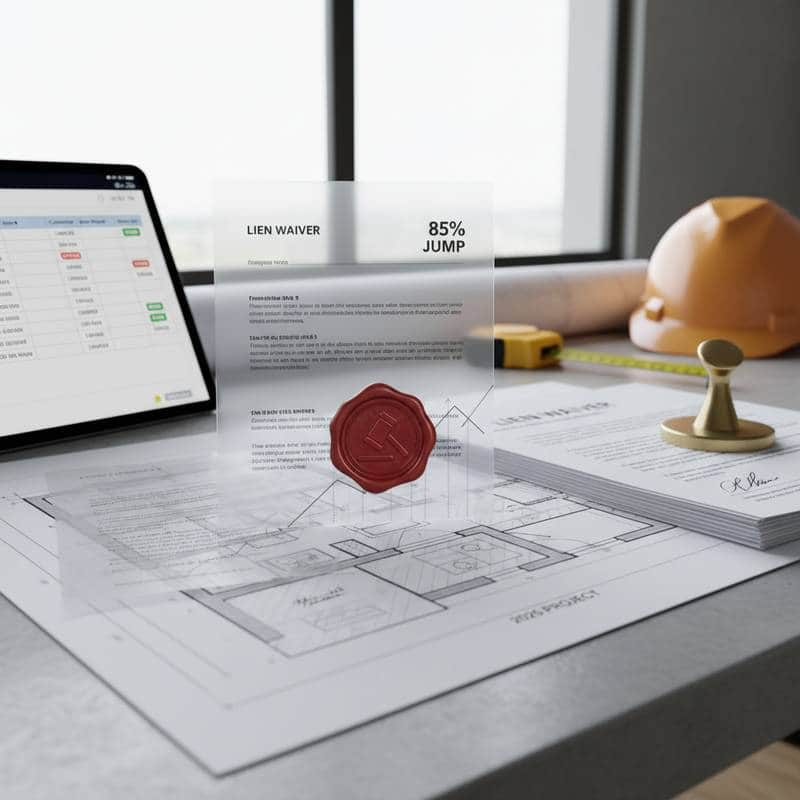
From practical experience, always request lien waivers prior to each payment. These signed documents confirm that the contractor or supplier has received funds and relinquishes the right to lien for that portion. This straightforward practice prevents future complications and provides clear evidence of compliance.
Benefits of Enhanced Regulations
The apparent rise in liens may seem concerning, but stricter laws foster greater accountability in the construction sector. Homeowners gain better access to payment histories and contractor qualifications, enabling informed decisions. Professional contractors who manage documentation effectively build stronger reputations, enhancing overall industry trust.
Over time, these frameworks reduce fraudulent practices and stabilize projects. Local suppliers in rural areas, for instance, benefit from faster payments when they adhere to notice protocols. This environment rewards diligent professionals at every tier of the supply chain.
Steps to Safeguard Your Project
Preparation serves as the strongest defense against lien risks. Implement these measures before committing to any contract to protect your property and finances.
-
Verify Licenses and References: Confirm your contractor holds valid licenses and insurance. Contact recent clients to gauge reliability and past performance.
-
Research State-Specific Lien Laws: Regulations vary by state; some mandate advance notices while others focus on post-work filings. Consult a construction attorney for tailored insights or review official state resources.
-
Draft a Comprehensive Written Contract: Detail payment schedules tied to milestones, deadlines, and subcontractor payment responsibilities. Include clauses for dispute resolution to clarify expectations.
-
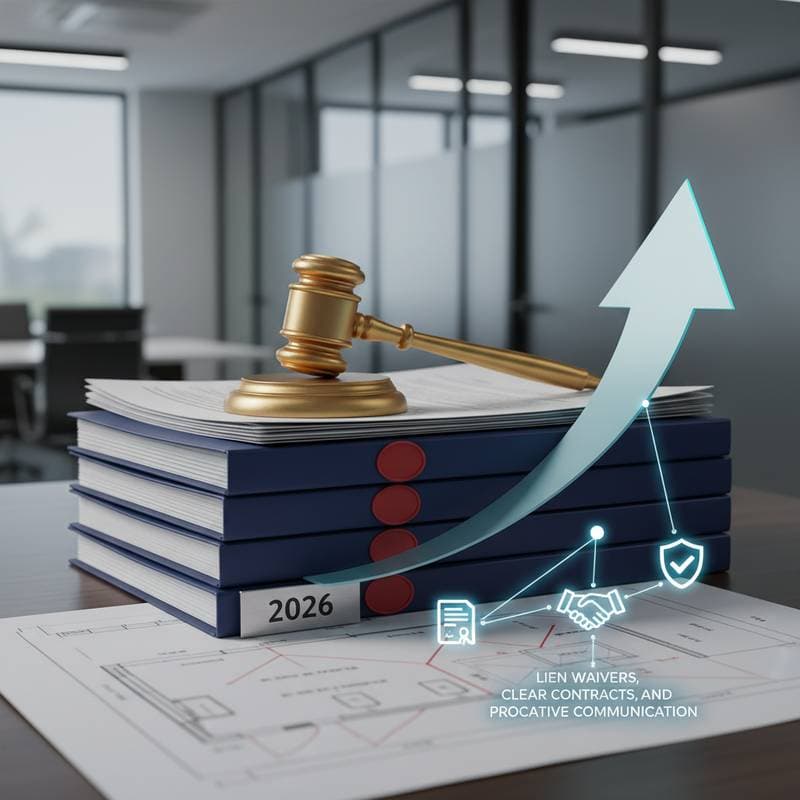
Secure Lien Waivers Routinely: Obtain waivers after every payment and store them alongside receipts in an organized file. Digital copies work well for easy access.
-
Foster Open Communication: Address concerns promptly through regular check-ins. Early discussions often resolve issues before they escalate into formal disputes.
During a recent bathroom renovation, maintaining a spreadsheet for payments and waivers required minimal effort yet delivered complete assurance. Weekly updates ensured nothing fell through the cracks.
Perspectives from Contractors
Contractors face challenges in this evolving landscape, balancing client delays with demands from their teams and suppliers. The additional reporting obligations divert time from hands-on tasks, particularly straining smaller operations. Unintentional errors in compliance can arise from these pressures.
For reputable contractors, the laws present chances to strengthen client bonds. Those who supply lien waivers unprompted and update payment statuses regularly earn loyalty and recommendations. Some builders now incorporate brief educational overviews in initial meetings, aligning expectations and minimizing conflicts.
Managing Associated Costs
Compliance introduces minor expenses, such as administrative fees or software for lien management. Contractors may incorporate these into bids, adding a few hundred dollars to projects like a standard kitchen remodel. View this as an investment in seamless, lawful execution.
Upon receiving a lien notice, remain calm; it reserves a claim rather than initiates litigation. Resolve it by presenting payment proofs or collaborating with your contractor. Most cases conclude swiftly with proper documentation.
Accessing Local Support
Community resources simplify navigation of these laws. County recorder offices provide online portals to monitor property liens. State-issued homeowner guides detail procedures for releasing or challenging claims.
For expert assistance, seek construction law attorneys or mediators focused on home improvement matters. Builders associations frequently offer workshops on compliance. Attending one clarified nuances far beyond generic online advice, empowering informed action.
Adopting the Updated Framework
Mastering these protections reveals liens as mechanisms for equitable payments in multifaceted projects. Focus on leveraging the system to your advantage through consistent practices.
- Organize all contracts, receipts, and correspondence in a dedicated repository.
- Require a subcontractor list from your contractor at project outset.
- Align payments with verifiable milestones rather than fixed calendar dates.
- Engage a title company for pre-final-payment lien searches.
These routines transform potential hurdles into routine safeguards.
Securing Long-Term Property Value
Upon project completion, your home represents an achievement free from lingering legal concerns. The emphasis on documentation now safeguards your investment enduringly. You will approach future hires with confidence, and contractors will value your process knowledge.
Each project imparts lessons in reliability. True partnerships emerge from skilled work paired with transparent records and dialogue. By integrating these homeowner protection laws, ensure your endeavors conclude in satisfaction and security.