The Emergence of Mass Timber in Multi-Family Housing
Architectural innovations often blend tradition with progress, and mass timber exemplifies this fusion in urban living. Engineered wood products now support multi-story structures, offering an alternative to conventional materials. This shift promises buildings that prioritize both environmental benefits and resident comfort.
Professionals in design and development recognize mass timber's potential to address pressing urban challenges. Cities face demands for denser housing while reducing carbon footprints. Mass timber meets these needs by sequestering carbon during growth and minimizing emissions in construction.
Understanding Mass Timber's Core Components
Mass timber encompasses engineered wood products designed for structural integrity in tall buildings. Key types include cross-laminated timber (CLT), which consists of layers of lumber glued crosswise for strength; glued laminated timber (glulam) beams for load-bearing elements; and laminated veneer lumber for versatile applications. These materials surpass traditional wood in scale and durability, rivaling steel and concrete.
Sustainability drives adoption. Trees absorb carbon dioxide as they grow, locking it into the wood product for the building's lifespan. Production processes emit far less than cement or metal fabrication, aligning with global goals to curb climate impact. Beyond ecology, the material's natural texture enhances visual and tactile appeal in living spaces.
Advantages for Multi-Family Developments
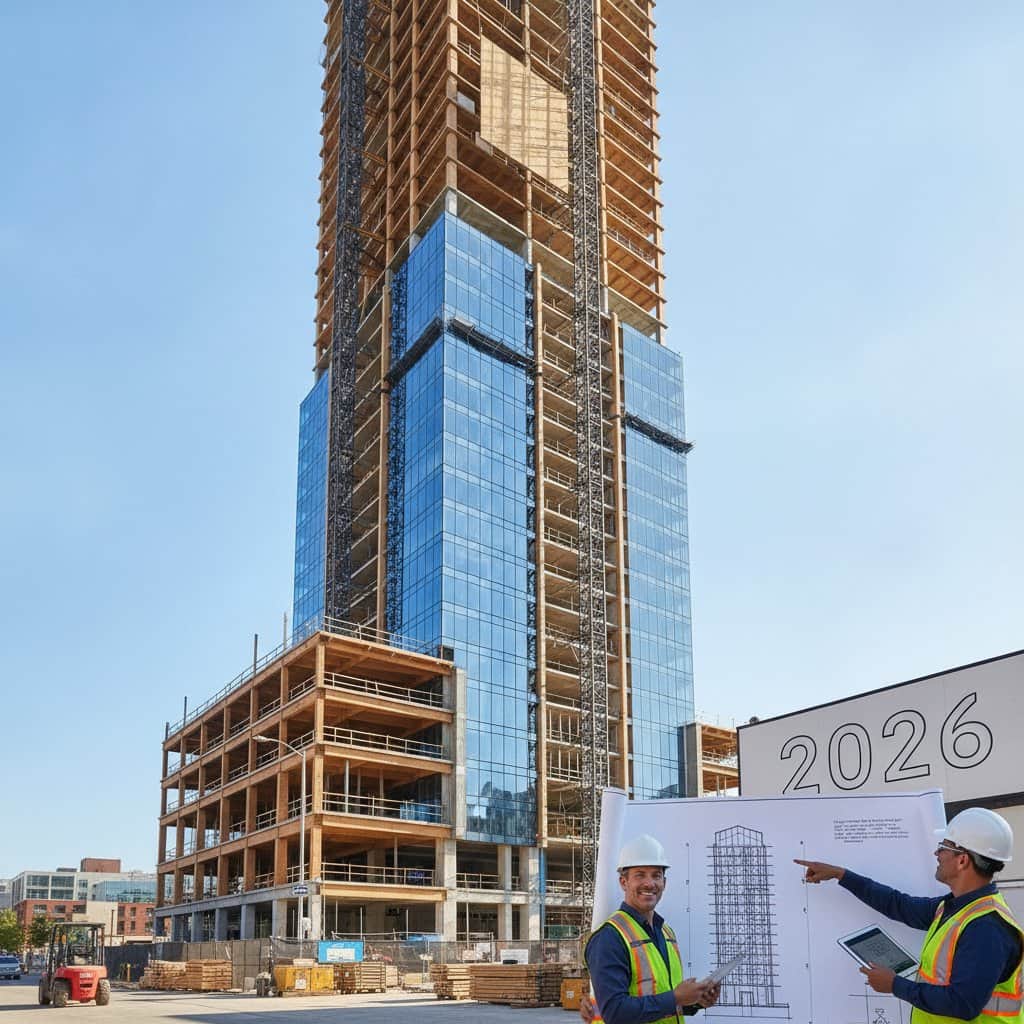
Multi-family projects benefit from mass timber's prefabrication capabilities. Panels assemble off-site in factories, allowing precise control over quality and weather protection. On-site installation proceeds rapidly, often cutting construction timelines by 20 to 30 percent compared to traditional methods.
This efficiency reduces disruptions in dense urban areas. Neighbors experience less noise, traffic, and pollution during builds. For developers, shorter schedules translate to earlier occupancy and revenue, while lighter structures demand smaller foundations, lowering overall costs.
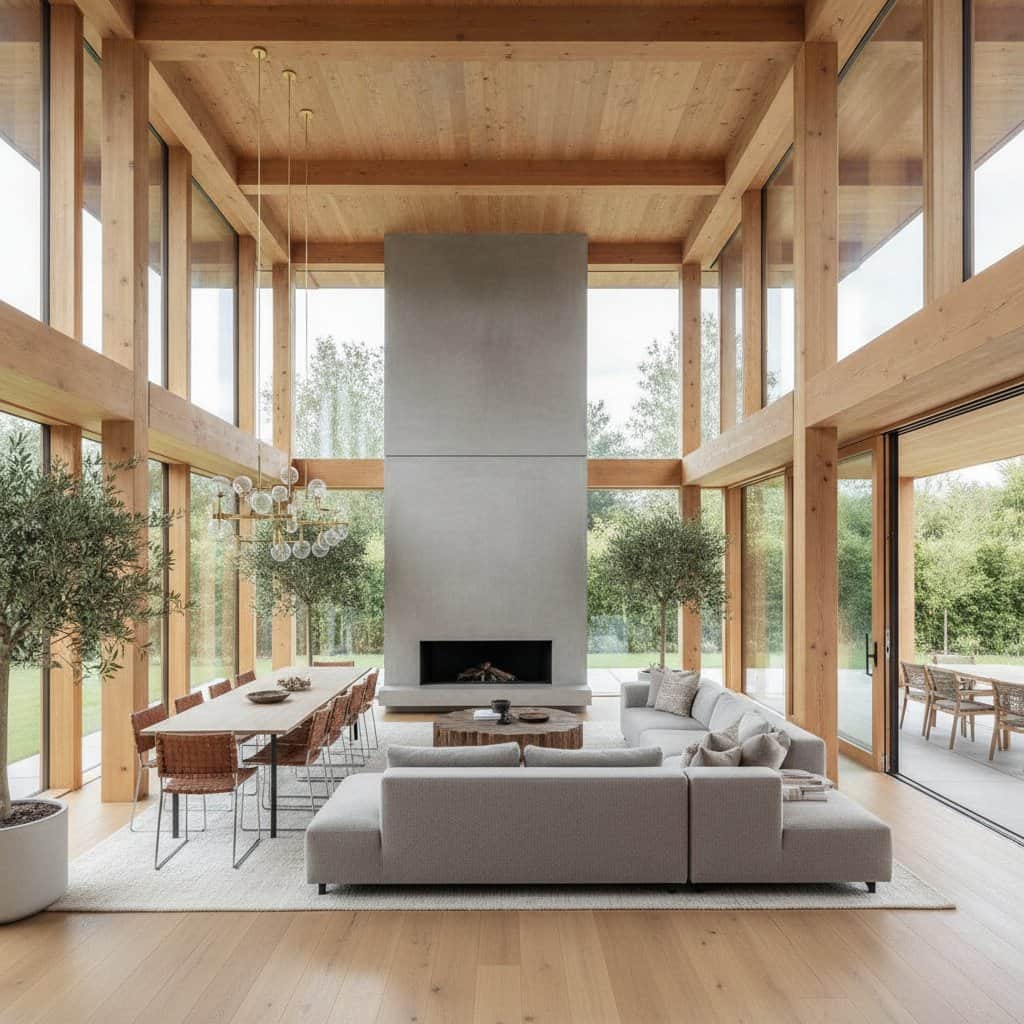
Residents gain from the material's inherent qualities. Exposed timber ceilings diffuse light softly, creating dynamic shadows throughout the day. Walls retain a subtle aroma of fresh wood initially, evolving into a neutral presence. These elements cultivate serene environments that promote well-being.
Key benefits include:
- Rapid assembly: Factory-prefab panels enable on-site erection in weeks rather than months.
- Environmental gains: Renewable sourcing and low-emission manufacturing support net-zero targets.
- Design flexibility: Natural grains allow for custom finishes that integrate with modern interiors.
- Structural lightness: Reduced weight eases seismic design and foundation requirements.
Evolving Aesthetics in High-Rise Design
High-rise multi-family buildings traditionally feature stark, industrial exteriors. Mass timber introduces organic elements that soften these profiles. Interiors shift from uniform whites to layered textures, where wood grains interact with natural light to evoke tranquility.
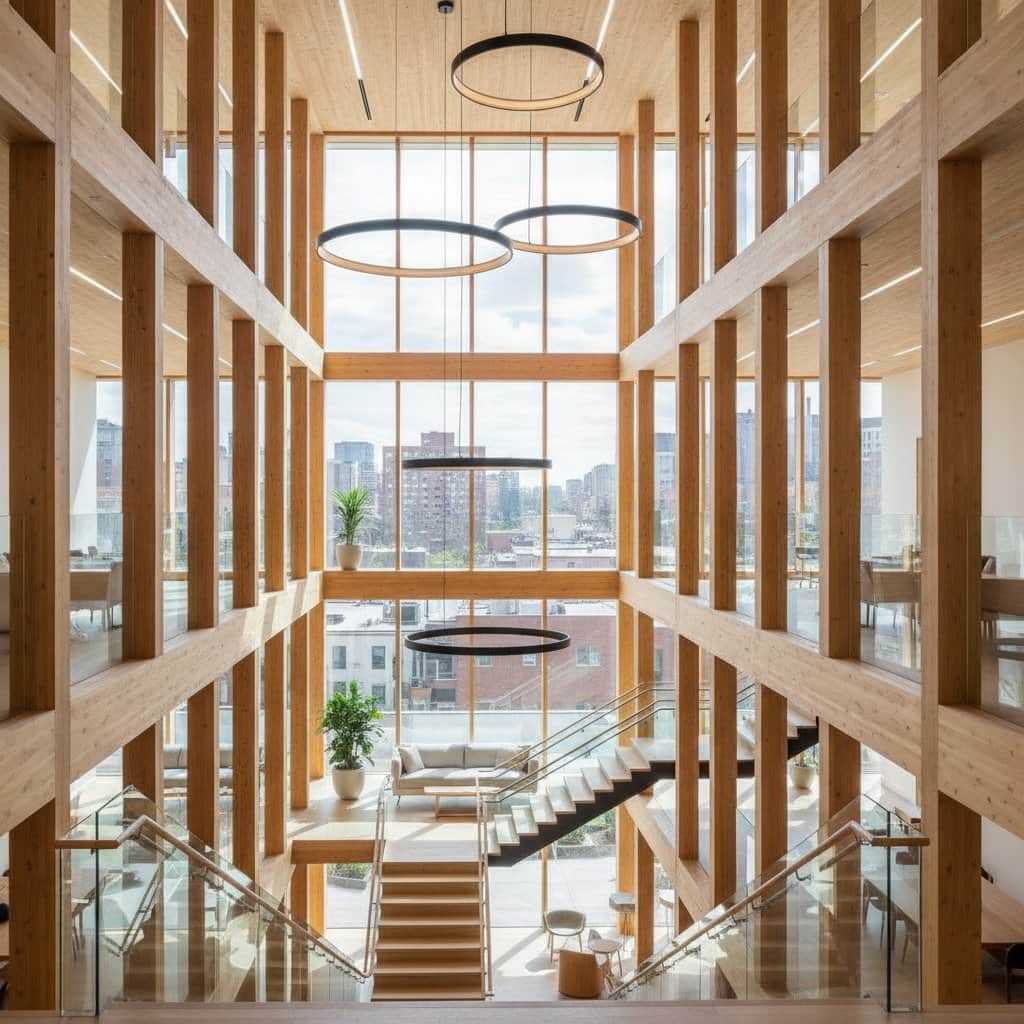
Architects pair timber with complementary materials for balanced compositions. Glass walls frame views through timber supports, while steel elements add precision. Color schemes draw from nature, incorporating muted greens, warm browns, and soft neutrals to amplify the wood's character.
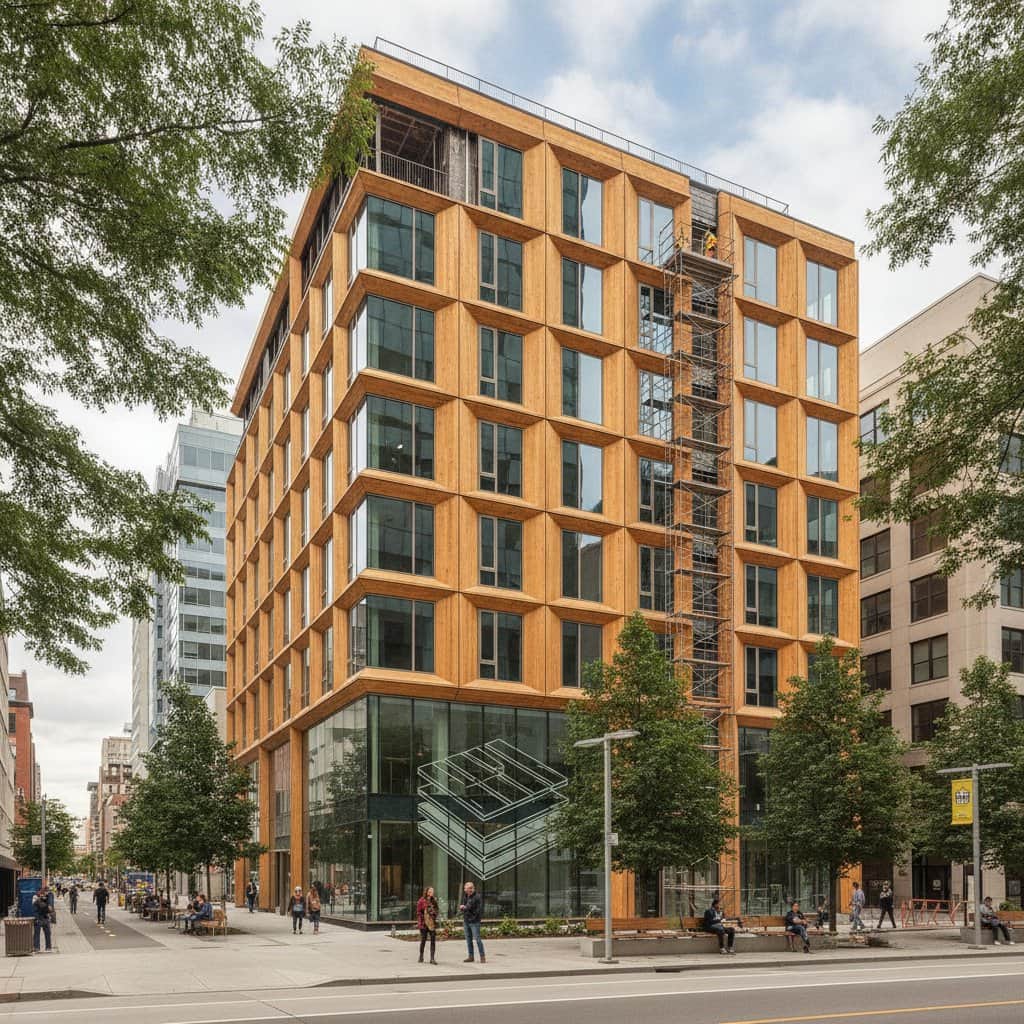
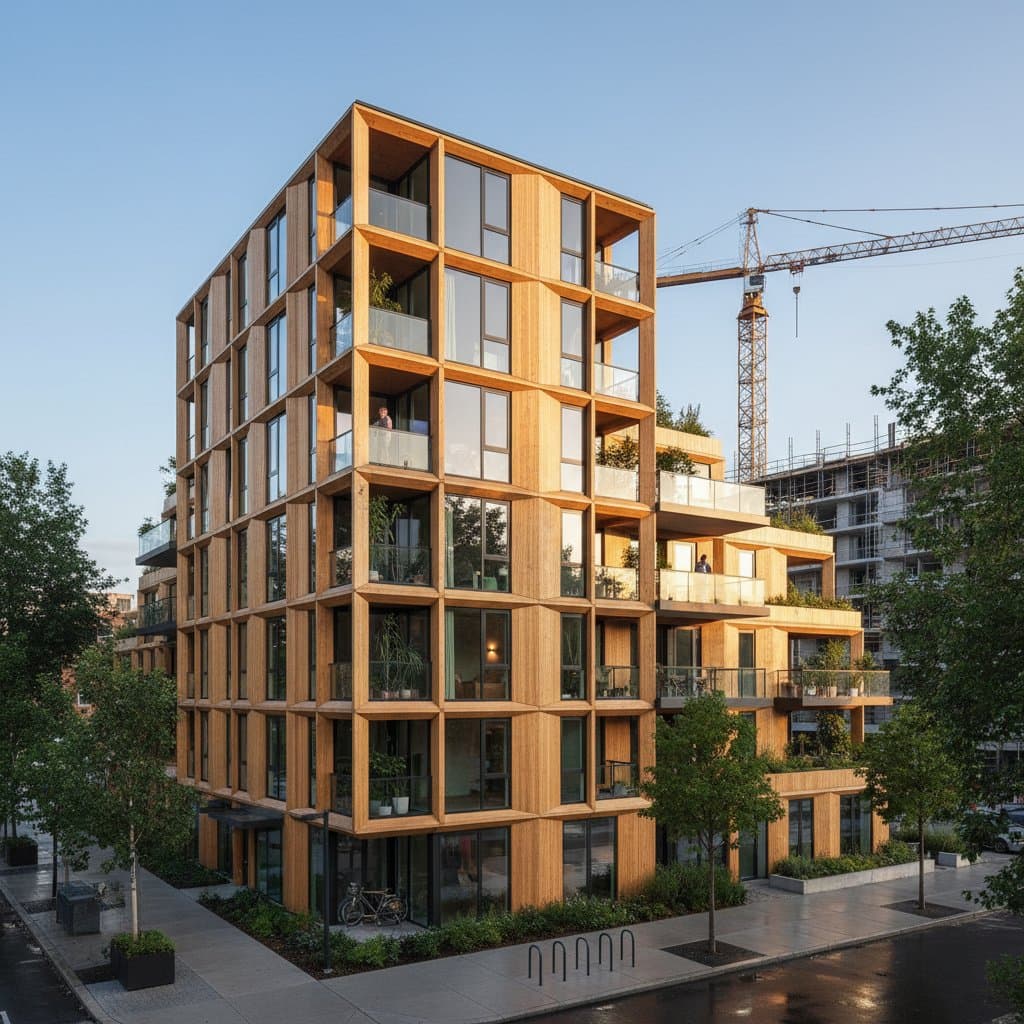
Exterior applications vary by climate and style. In some designs, timber clads facades for a rustic urban look; in others, protective layers preserve the material while hinting at its presence. Atriums with timber beams become communal focal points, fostering social interactions amid greenery.
Rooftop amenities enhance this approach. Timber decks support planters and seating, creating outdoor retreats that extend indoor warmth. Such integrations make high-rises feel approachable and integrated with their surroundings.
Addressing Practical Considerations
Implementing mass timber requires attention to real-world factors. Initial material costs may exceed those of concrete, yet time savings often offset this through reduced labor and equipment needs. Developers calculate total project economics, factoring in incentives for sustainable builds.
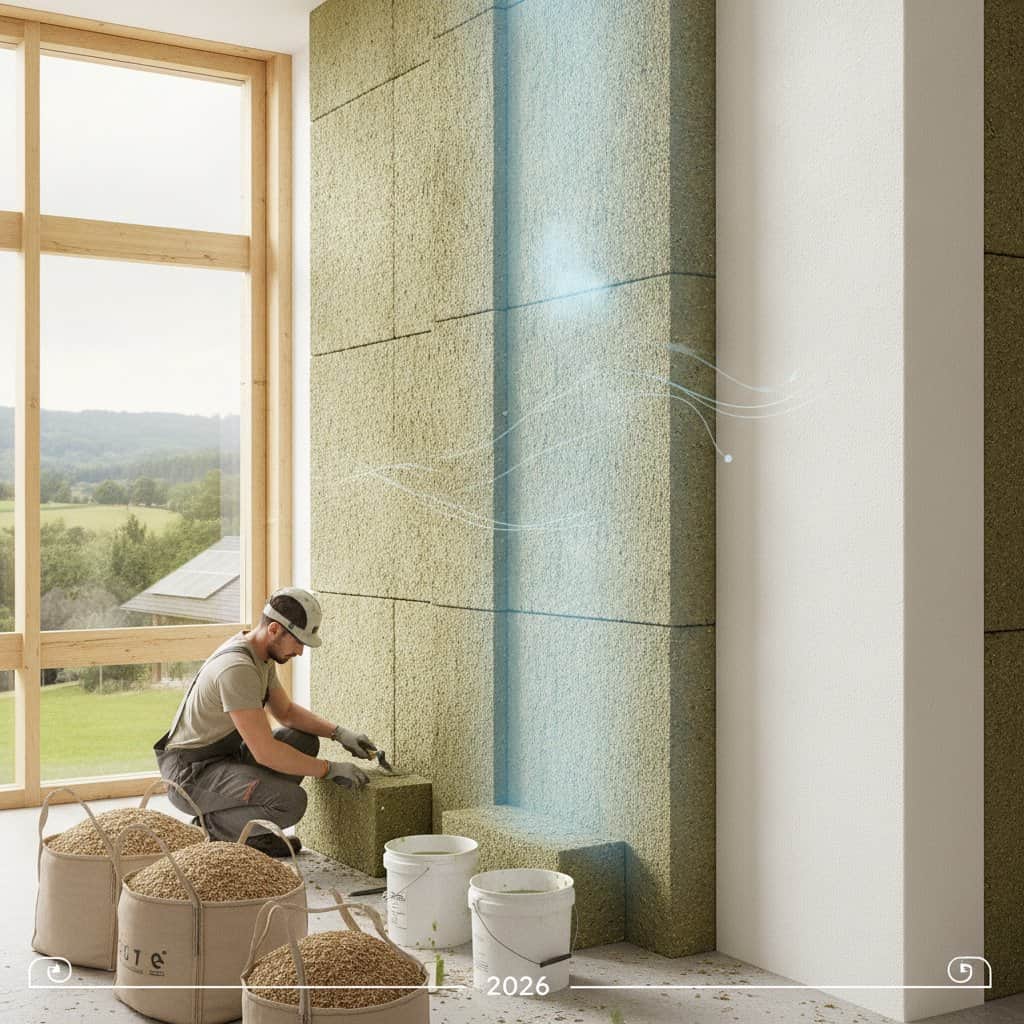
Fire performance demands rigorous compliance. Encapsulation techniques, intumescent coatings, and charring layers ensure timber meets or exceeds codes for high-rises. Testing protocols verify load-bearing capacity under fire conditions, providing confidence in safety.
Moisture management proves essential in humid or variable climates. Designers incorporate vapor barriers, drainage systems, and HVAC integration to maintain stability. Hybrid constructions combine timber floors and walls with concrete for service cores, optimizing strength and fire resistance.
For ongoing upkeep, sealed surfaces simplify maintenance. Apply oil-based finishes to interiors for protection against stains, refreshing every three to five years. In common areas, routine dusting and spill management preserve the material's integrity without specialized tools.
The Unique Appeal of Mass Timber
Previous sustainable trends focused on metrics like energy use. Mass timber distinguishes itself by emphasizing sensory experience. Acoustic properties dampen echoes in hallways, while visual warmth counters urban isolation.
This material aligns with evolving resident preferences. Modern multi-family living seeks spaces that support mental health and community. Timber's authenticity resonates, turning functional units into personalized havens.
Developers report higher occupancy rates in timber projects due to market appeal. Marketing highlights the blend of eco-credentials and livability, attracting environmentally conscious buyers and renters.
Experiencing Life in a Mass Timber Building
Daily routines transform in these spaces. Natural light filters through timber elements, creating inviting mornings. Kitchens with wooden accents feel cozy during meals, and evenings unwind in softly lit lounges.
Over years, surfaces develop a lived-in patina, enhancing character without detracting from cleanliness. Balconies framed in timber offer private outdoor nooks, ideal for reflection or gatherings.
For building professionals, opportunities abound in creative applications. Use CLT for feature walls or integrated furniture, maximizing the material's versatility.
Steps to Incorporate Mass Timber
Prospective residents should tour existing projects to assess ambiance. Note how acoustics and lighting interact with the wood. Developers initiating plans consult certified timber specialists early.
Select partners experienced in mass timber codes and supply chains. Budget for hybrid elements if full timber suits the site less. Prototype sections to test aesthetics and performance.
This material bridges innovation and heritage, enabling multi-family housing that sustains both people and planet. Urban landscapes evolve toward resilient, welcoming structures.