Hempcrete's Emergence: Sustainable Walls Poised for Expansion by 2026
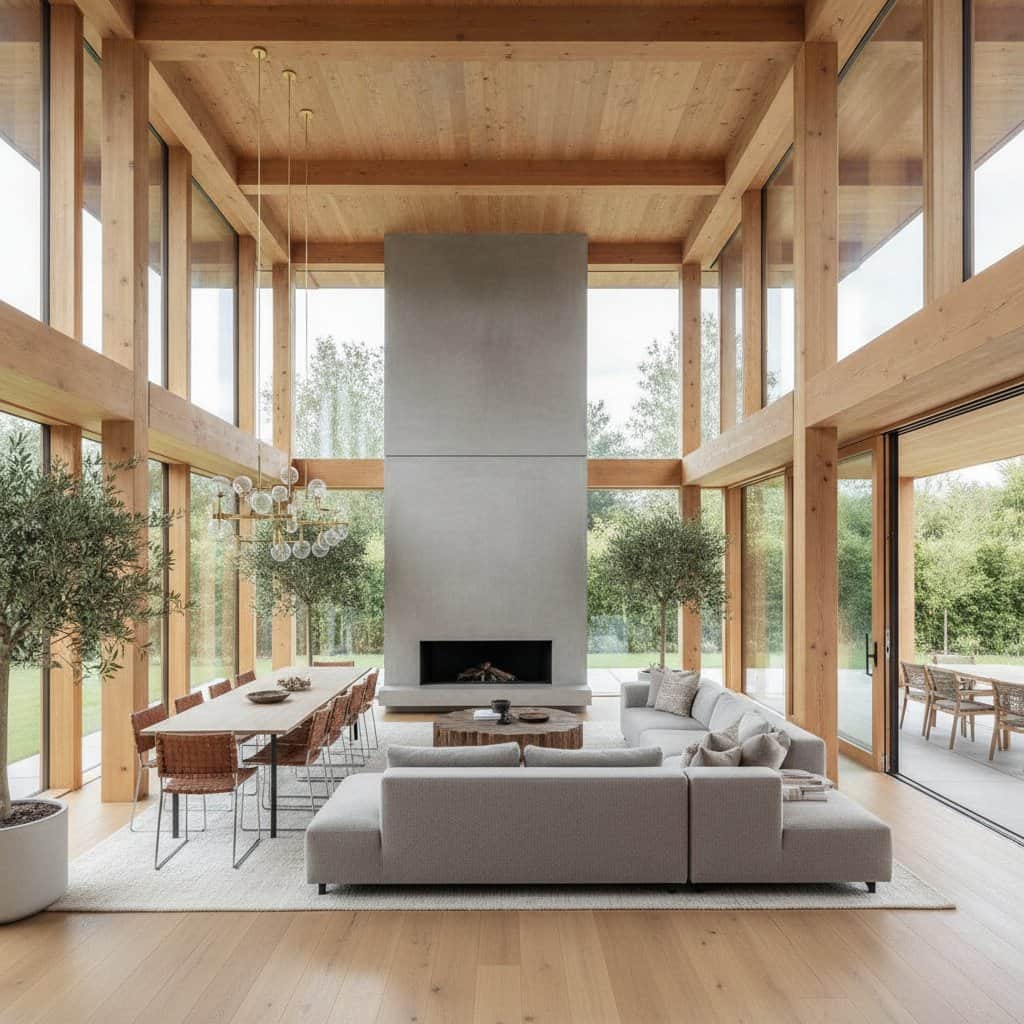
Envision entering a residence where the atmosphere remains fresh, walls facilitate natural air exchange, and consistent temperatures prevail across seasons. A visit to a hempcrete-constructed dwelling reveals an immediate sense of tranquility, with subdued acoustics, stable climate control, and a subtle aroma derived from unprocessed elements. Such experiences highlight the tangible benefits of sustainable construction practices.
Transition to Eco-Friendly Building Materials
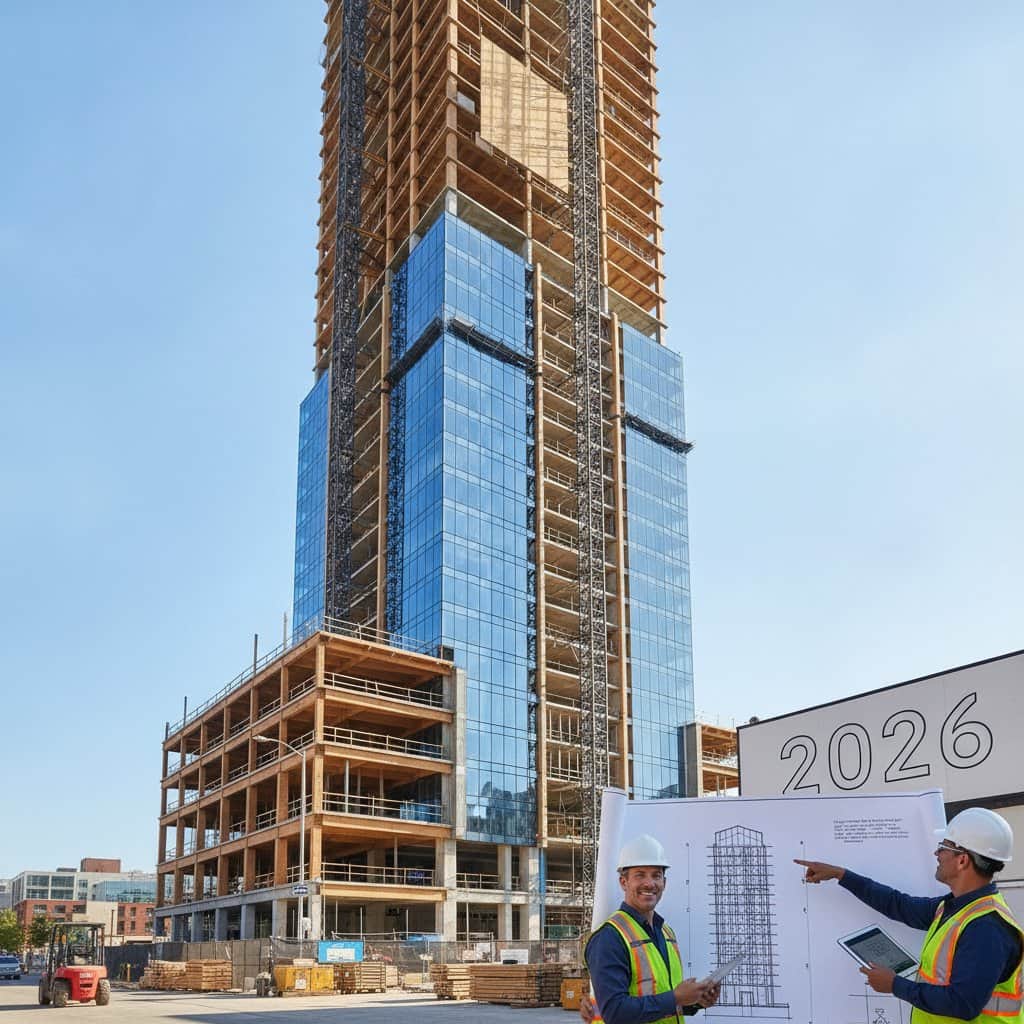
Concrete and steel have long dominated construction due to their reliability and strength, yet they impose substantial carbon emissions. Professionals and property owners now prioritize options that minimize environmental impact while preserving functionality. Hempcrete, composed of hemp hurds, lime, and water, emerges as a viable solution in this context.
This bio-based composite appeals for its sustainability and utility. It sequesters carbon throughout production, resulting in a net-negative carbon profile. Recognizing that structural elements can contribute to emission reductions reshapes approaches to both renovations and new developments.
Key Advantages Driving Adoption
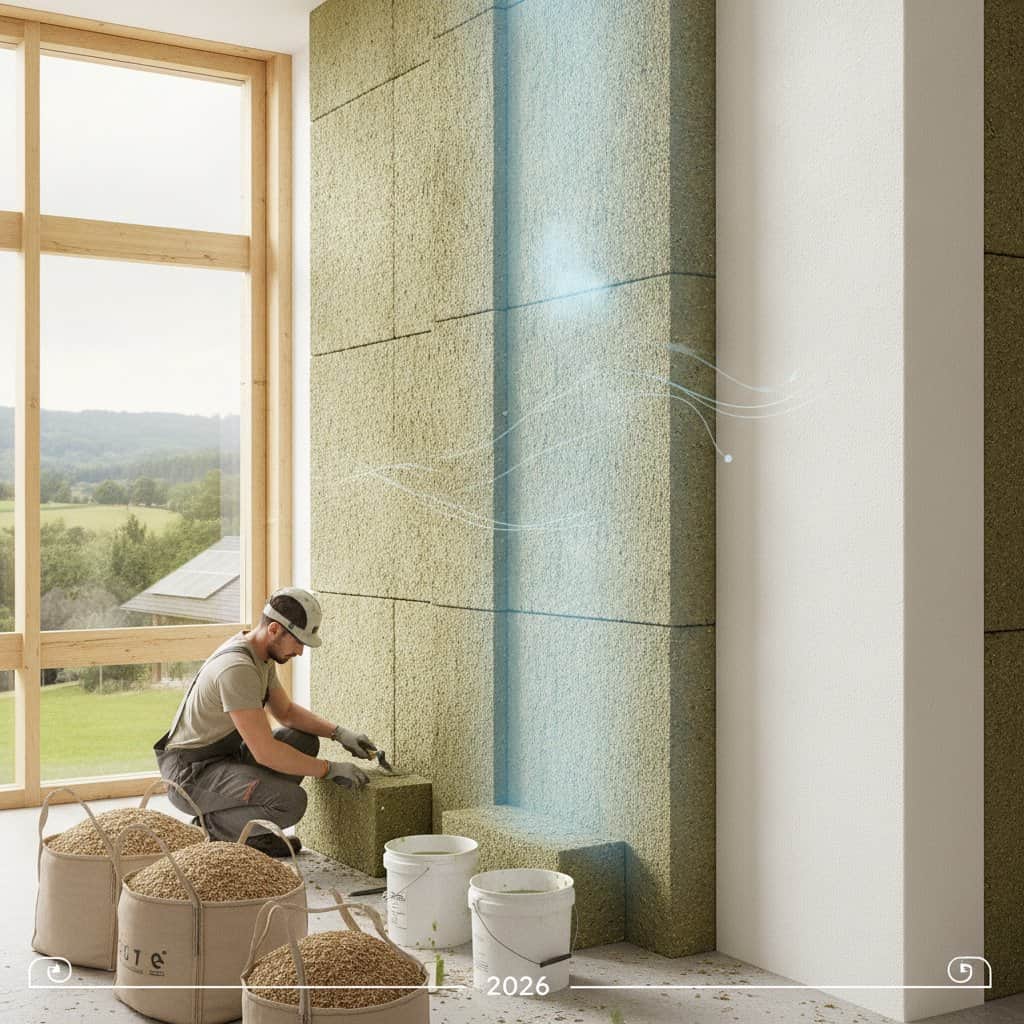
Hempcrete presents a textured, earthen appearance reminiscent of softened concrete, imparting immediate warmth to interiors. Its underlying properties deliver exceptional performance. The material manages humidity levels, inhibits mold formation, and provides inherent thermal regulation. It exhibits low flammability and adapts effectively to diverse climatic conditions.
Builders value hempcrete for these attributes:
- Carbon sequestration: Hemp cultivation captures atmospheric carbon, which the material retains long-term.
- Thermal efficiency: It maintains warmth during cold periods and coolness in heat, reducing reliance on mechanical systems.
- Air quality benefits: The lime component suppresses mold and microbial proliferation.
- Longevity: When correctly formulated and cured, it endures for generations with minimal upkeep.
- Aesthetic integration: The subdued, organic finish suits contemporary and traditional designs seamlessly.
Applying a limewash coating over hempcrete yields a bespoke, artisanal texture that enhances spatial harmony. Such finishes underscore how authentic materials amplify both visual and sensory experiences.
Composition and Construction Process
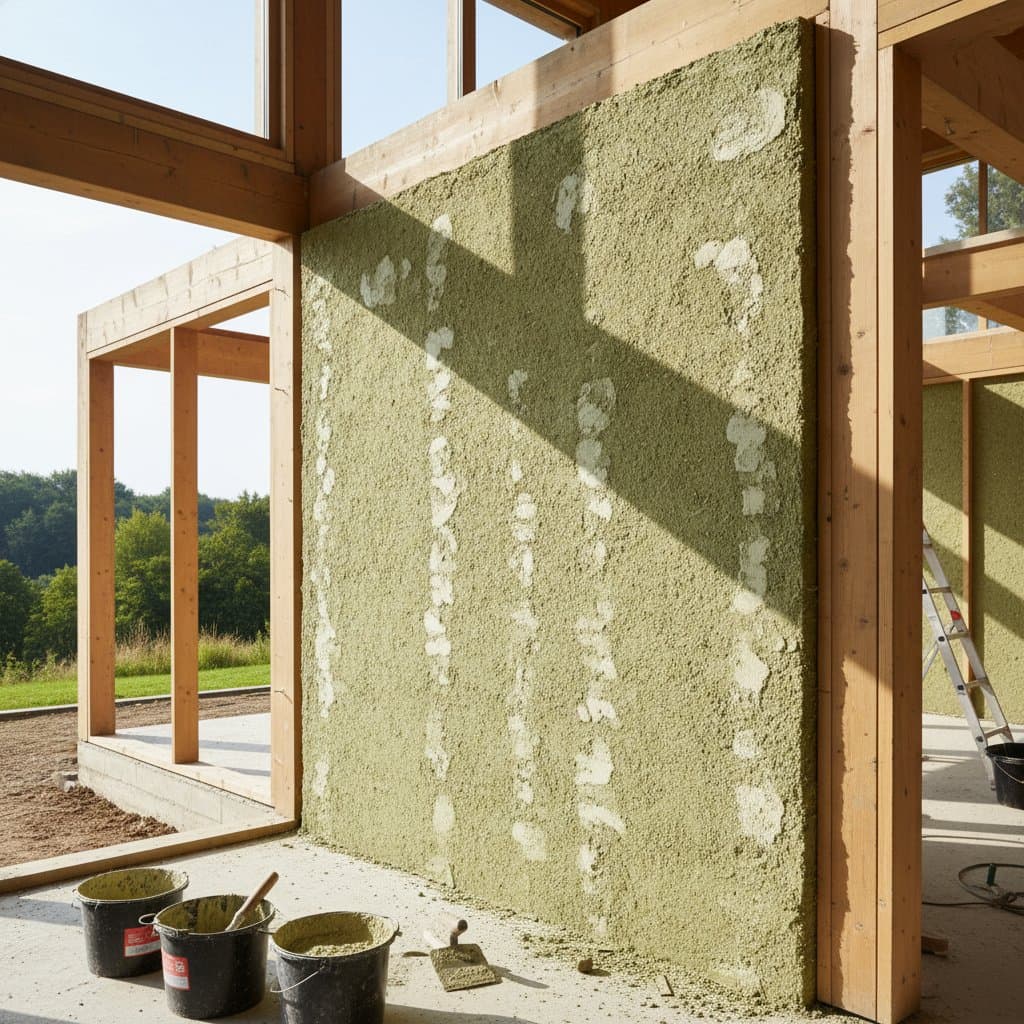
Hempcrete forms from the fibrous inner core of the hemp plant, known as shiv or hurd, combined with a lime binder. This formulation yields a lightweight, permeable substance akin to a compacted foam rather than rigid concrete. It serves as non-structural infill within a framed system, producing walls that permit vapor diffusion, control moisture, and exhibit notable resilience.
The construction sequence proceeds as follows:
-
Establish framework: Employ timber or metal framing to support the overall structure.
-
Prepare mixture: Blend hemp hurds, lime, and water, then pack the combination into molds.
-
Allow curing: Permit natural drying and carbonation, which fortifies the lime over time.
-
Apply finishes: Use permeable coatings like plasters or mineral-based paints to preserve moisture balance.
Homeowners have constructed modest outstructures using hempcrete within a week after mastering the mixing and packing techniques. Initial efforts involve some mess, but the emergence of refined, organic surfaces justifies the process.
Financial and Implementation Factors
Initial expenses for hempcrete may exceed those of conventional insulators, varying by regional availability. Costs typically align between standard options and high-end green alternatives. Long-term economies arise from diminished energy demands for climate control, as the material's thermal inertia stabilizes indoor environments year-round.
For those considering hempcrete in projects, evaluate these elements:
-
Sourcing strategy: Partner with nearby hemp providers to minimize shipping expenses. Production has increased in regions such as Colorado, Kentucky, and Canadian provinces, improving accessibility.
-
Workforce expertise: While some tradespeople lack familiarity, certification courses proliferate, often condensing essentials into short sessions.
-
Ongoing care: Select vapor-permeable coverings; lime-based plasters and mineral paints prove ideal, eschewing synthetic varieties.
-
Scheduling: Account for extended curing durations compared to concrete, integrating buffers into timelines.
A Vermont-based contractor recommends initiating hempcrete phases at the onset of construction cycles, ensuring completion before colder months. This foresight maintains project momentum.
Ecological Benefits and Enduring Worth
Hempcrete's primary appeal stems from its positive environmental role. Conventional concrete releases vast carbon quantities in manufacturing. In contrast, hempcrete withdraws carbon during plant growth and absorbs additional amounts during curing, effectively storing it within the structure.
This capacity yields quantifiable impacts. A hempcrete dwelling can sequester multiple tons of carbon, scaled to wall dimensions and overall scale. The material unites ecological responsibility with visual elegance, blending lime's inherent texture with the assurance of planetary contribution.
Residents often report seamless winters in hempcrete homes, where stable conditions reduce heating needs and foster equilibrium. This comfort becomes evident only through direct encounter.
Everyday Performance and Integration
Installed hempcrete requires scant maintenance. It repels insects, avoids decay, and matures with elegance. The lime exterior gradually firms, acquiring a vintage patina. Refreshing with limewash restores vibrancy effortlessly.
Hempcrete harmonizes with complementary sustainable choices, such as salvaged timber, earthen flooring, and natural fibers. These pairings cultivate spaces that convey authenticity and sophistication. Designs emphasizing subtlety and intentionality find ideal expression through this material.
Steps to Incorporate Hempcrete
To explore hempcrete, commence with modest applications like a backyard pavilion or accessory unit. These trials build confidence before larger undertakings. Reach out to regional green building vendors or join local associations offering hands-on seminars.
Constructing an initial hempcrete panel reveals the material's appeal: the distinctive lime fragrance, the tactile hemp texture, and the fusion of time-honored techniques with innovative outcomes.