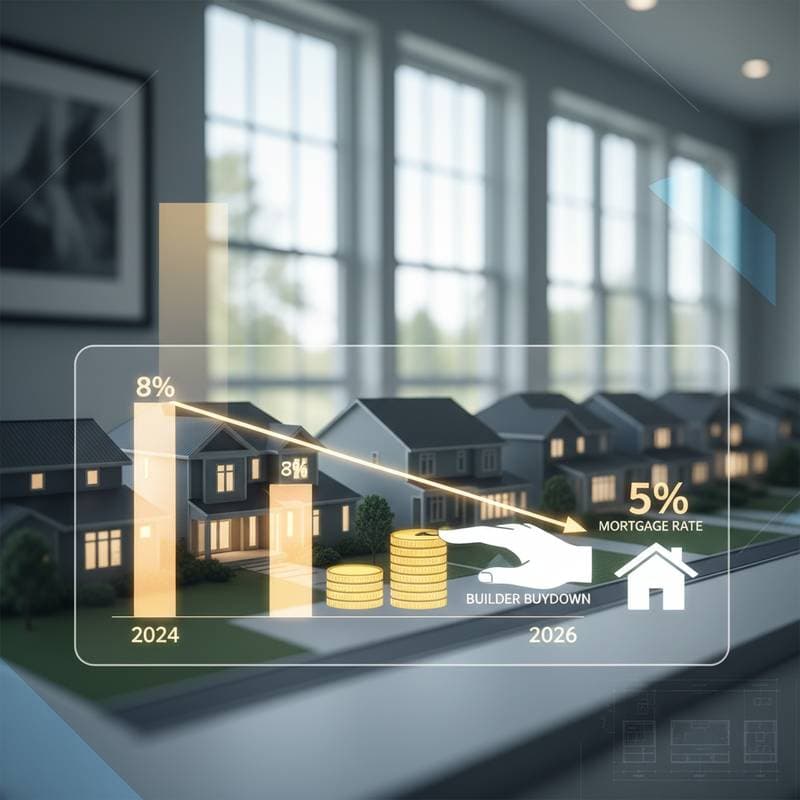
How Builder Buydowns Are Reviving 5% Mortgage Rates for Homebuyers
Rising housing costs have made new home purchases challenging for many prospective buyers. Builder buydowns emerge as a strategic response, offering temporary reductions in mortgage interest rates through upfront payments by the builder. This approach creates immediate affordability, allowing buyers to secure financing at rates approaching 5 percent, a threshold that restores confidence in the market.
Understanding Builder Buydowns
Builder buydowns involve the homebuilder funding a portion of the borrower's interest payments to lower the effective mortgage rate for an initial period. This incentive appears frequently in new construction listings, where builders aim to attract buyers deterred by current high rates, often exceeding 6 or 7 percent nationally.
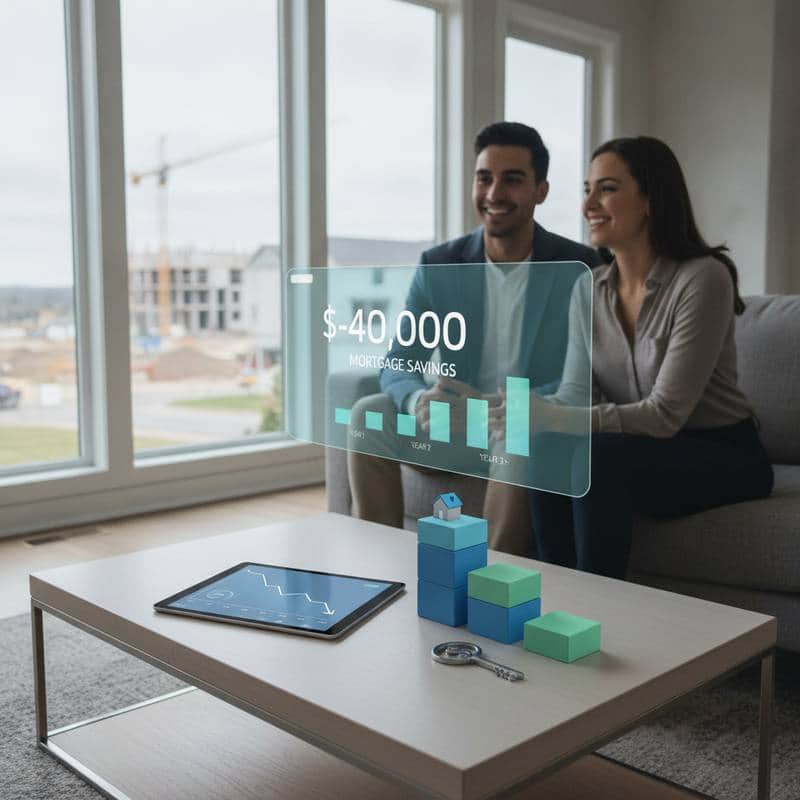
The mechanism differs from waiting for Federal Reserve adjustments or market-wide declines. Instead, it provides localized relief, enabling rates as low as 5 percent on specific loans. Buyers benefit from reduced monthly obligations early on, which can total thousands in savings over the buydown term.
Motivations Behind Builder Incentives
Homebuilders face pressure to sell completed or near-completion inventory amid slowing demand. By implementing buydowns, they enhance loan qualification prospects for buyers whose debt-to-income ratios might otherwise disqualify them. This tactic not only clears lots but also positions builders competitively against resale markets.
For buyers, the value extends beyond numbers. A lower starting rate aligns payments with household budgets, facilitating smoother transitions into homeownership. Builders often pair buydowns with other perks, creating comprehensive packages that address multiple barriers to purchase.
Mechanics of a Builder Buydown
Builder buydowns operate through structured payments into an escrow account, which covers interest differentials. Consider these common configurations:
-
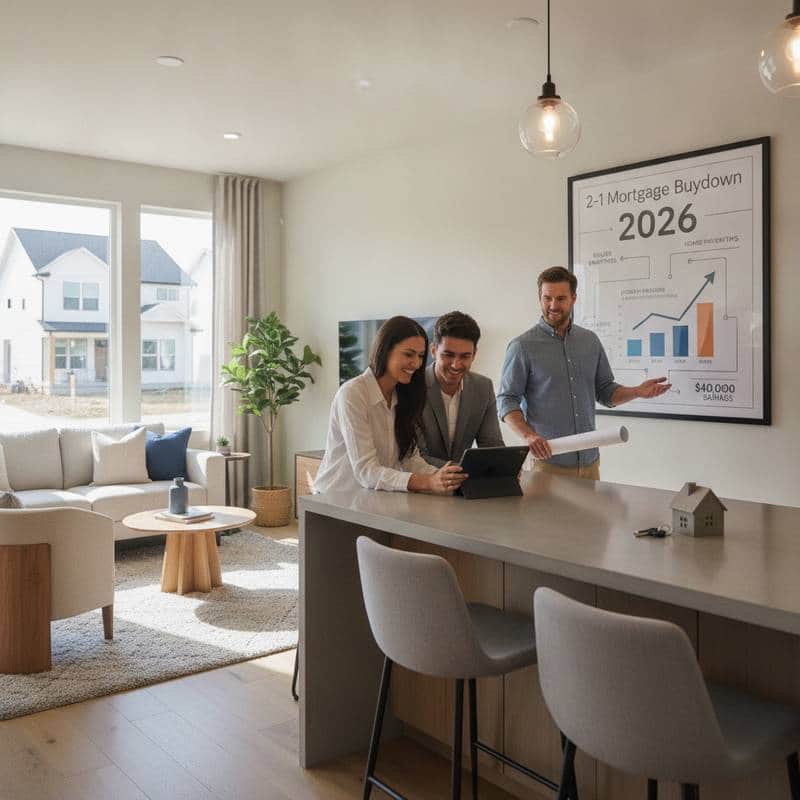
Temporary Rate Reduction: The builder funds a 2-1-0 buydown, for instance, where the rate drops by 2 percent in year one, 1 percent in year two, and returns to the note rate in year three. On a $400,000 loan at a 6.5 percent note rate, this could lower initial payments by over $300 monthly.
-
Permanent Adjustment: Less common due to higher costs, this involves a larger upfront contribution to secure a reduced rate for the loan's duration. Buyers might negotiate this for high-value properties, ensuring long-term savings of 0.5 to 1 percent on the interest rate.
-
Customizable Packages: Builders frequently offer flexibility, allowing buyers to allocate funds between rate buydowns, closing cost assistance, or interior upgrades. Evaluate options based on your financial timeline and home customization needs.
Lenders administer these buydowns seamlessly during closing, with no additional borrower outlay. The result is predictable payments that support budgeting during the adjustment to homeownership.
Key Considerations for Buyers
Before committing to a buydown, review the term length and adjustment schedule. A three-year buydown, for example, provides short-term relief but requires planning for the rate reset. Use the savings strategically: accelerate principal payments, establish a maintenance reserve, or eliminate high-interest debt.
Assess your residency plans. Short-term owners can capitalize on immediate cash flow benefits, potentially selling before the rate increases. Long-term homeowners should model post-buydown scenarios using online mortgage calculators to confirm sustainability.
Consult a financial advisor to integrate the buydown into your broader strategy. Factor in property taxes, insurance, and maintenance, which remain unaffected by the rate adjustment.
Buydowns in the Broader Housing Landscape
While builder buydowns signal localized affordability gains, they do not indicate a nationwide rate decline. Current economic factors, including inflation and employment trends, continue to influence baseline rates. However, widespread adoption by major builders could pressure lenders to offer competitive terms, fostering gradual market stabilization.
By 2026, projections suggest buydowns may become standard in 20 to 30 percent of new builds, particularly in high-cost regions. This trend underscores builders' adaptability, bridging the gap until broader economic shifts lower rates organically.
Strategies to Leverage Your Buydown Effectively
Once in your new home, the buydown's lower payments afford opportunities for personalization and financial growth. Allocate savings toward energy-efficient upgrades, such as solar panels or insulation, which yield long-term cost reductions.
Track your budget monthly to monitor progress toward goals like debt reduction or savings accumulation. If market conditions improve, consider refinancing options post-buydown to lock in even lower permanent rates.
Builder buydowns deliver practical relief in an unpredictable market. They empower buyers to act now, securing homes that align with future aspirations while navigating today's challenges.