2-1 Rate Buydown: Reduce Mortgage Costs by $40,000 in Two Years
Imagine entering a new home with the scent of fresh paint in the air and sunlight highlighting polished hardwood floors. The space inspires confidence, yet the monthly mortgage payment presents a challenge. A 2-1 rate buydown addresses this concern by providing immediate financial relief, allowing focus on establishing life in the new property.
Homebuyers often face unexpected costs during the initial period of ownership. This financing option delivers substantial savings in the early years, enabling better management of those expenses. The result supports a smoother transition to long-term homeownership.
What Is a 2-1 Rate Buydown?
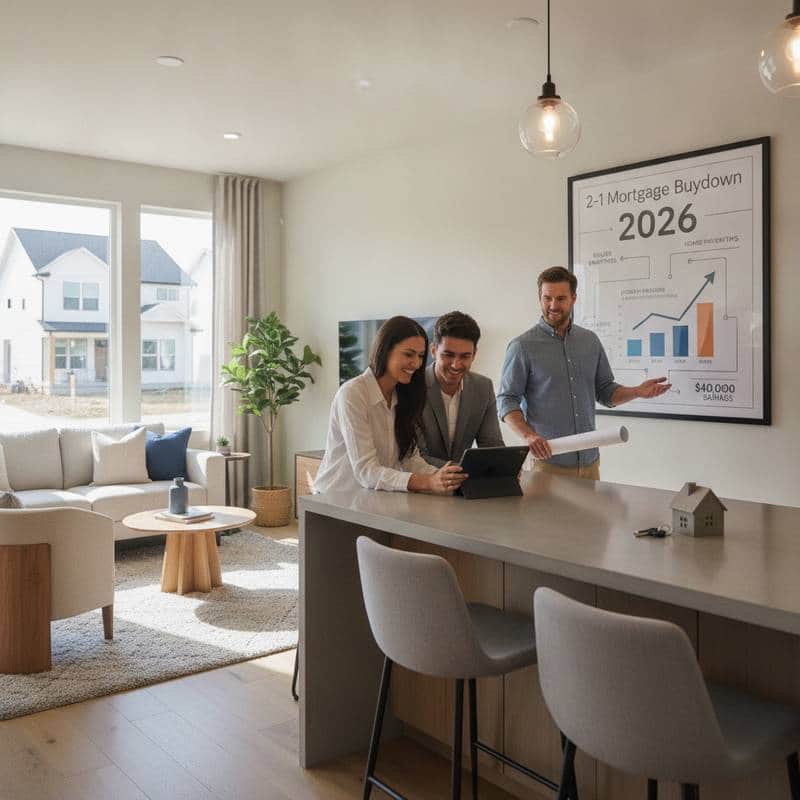
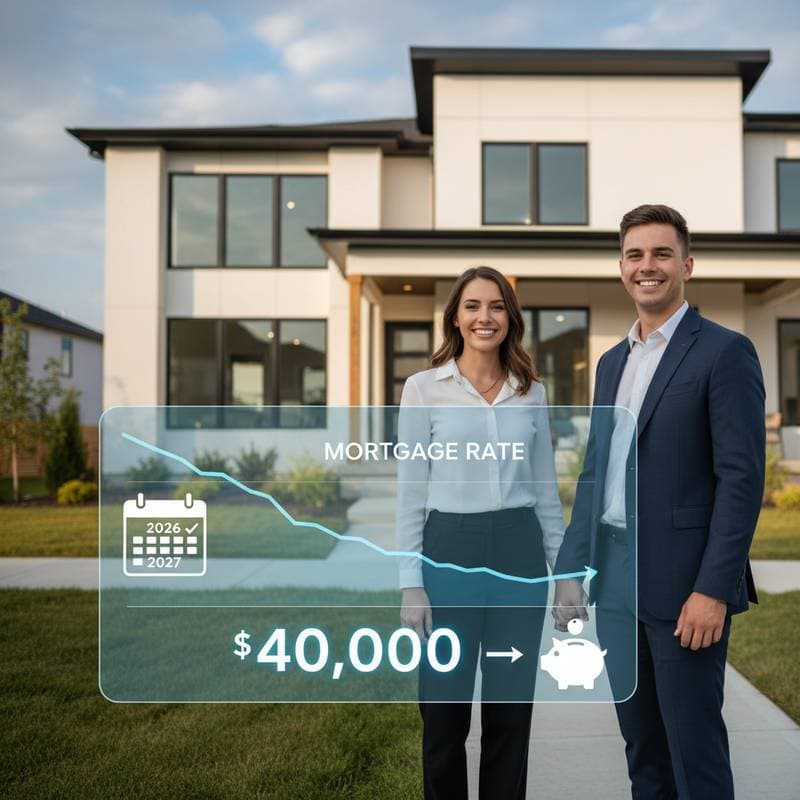
A 2-1 rate buydown serves as a temporary adjustment to a mortgage interest rate during the first two years of the loan. The designation refers to a reduction of two percentage points in the first year and one percentage point in the second year. After year two, the rate reverts to the original fixed level for the remainder of the term.
Consider a permanent rate of 6.5 percent. In year one, the effective rate becomes 4.5 percent, followed by 5.5 percent in year two. This structure lowers monthly principal and interest payments, providing relief while the borrower acclimates to homeownership responsibilities.
Lenders and builders frequently offer this incentive to encourage purchases, particularly in periods of elevated interest rates. The total savings can approach $40,000 over the two-year period, influenced by loan amount, property value, and specific terms.
Benefits for Current Homebuyers
New homeowners encounter various outlays, such as furnishing interiors, increasing utility services, and enhancing outdoor areas. The 2-1 buydown creates financial flexibility during this adjustment phase, prioritizing essential improvements over strained budgeting.
Buyers secure a fixed-rate loan for stability while enjoying reduced payments initially. This approach proves advantageous compared to delaying purchase in anticipation of rate declines or extending rental periods, as it facilitates entry into the market without prolonged uncertainty.
Mechanics of the Buydown Process
At closing, the lender or builder allocates funds to subsidize the difference between reduced and full-rate payments. This subsidy effectively purchases the lower rate for the initial period. Qualification occurs based on the permanent rate, ensuring realistic assessment of long-term affordability.
The process unfolds as follows:
- Year One: Interest rate decreases by two percentage points, resulting in significantly lower monthly payments.
- Year Two: Rate rises by one percentage point, remaining below the permanent level.
- Year Three Onward: Payments align with the original rate throughout the loan duration.
Funding for the buydown may come from the builder, seller, or buyer negotiations, often appearing as closing cost credits. Builders apply this strategy to accelerate sales of inventory, presenting more appealing payment projections to prospective buyers.
Comparison with Alternative Financing
Prospective buyers may evaluate the 2-1 buydown against refinancing or adjustable-rate mortgages. Key distinctions include:
- Refinancing demands waiting for favorable rates and incurs additional closing costs. The buydown delivers instant benefits without subsequent applications.
- Adjustable-Rate Mortgages introduce variability after the initial fixed period, whereas the buydown ensures a predictable shift to a known fixed rate.
- Permanent Buydowns reduce rates for the full term but require higher upfront investment. The 2-1 option balances cost and immediate impact effectively.
For individuals committed to long-term residency, this temporary relief complements enduring financial planning.
Calculating Potential Savings
Assume a $500,000 home purchase with a 20 percent down payment, yielding a $400,000 loan. At a 6.5 percent rate, the monthly principal and interest payment approximates $2,528.
With the 2-1 buydown:
- Year one payment falls to approximately $2,027.
- Year two payment increases to about $2,268.
These adjustments yield roughly $12,000 in savings during the first year and $7,000 in the second, based on precise terms. Cumulative benefits over two years can total near $40,000, incorporating related credits or incentives.
Such funds support practical enhancements, including flooring replacements, energy-saving installations, or emergency reserves for household needs.
Key Factors to Evaluate
Before proceeding, consider these elements carefully.
- Funding Source: Builder or seller contributions maximize value. Buyer-funded buydowns require analysis of net savings versus outlay.
- Long-Term Readiness: Qualification at the full rate confirms capability, but personal comfort with that payment level remains essential.
- Rate Outlook: Anticipated declines might enable future refinancing, yet planning must assume sustained higher payments.
- Eligibility: Conventional and FHA loans typically accommodate buydowns; verification with the lender ensures compatibility.
Request a detailed comparison from the lender illustrating standard versus buydown scenarios. Visualizing personalized figures clarifies the decision-making process.
Collaborating with Builders and Lenders
For new construction purchases, engage the builder's recommended lender. Builders in expanding markets commonly include buydown offers within promotional packages, sometimes combined with closing cost reductions or customization allowances.
Local lenders provide greater adaptability for innovative financing, including buydowns. Inquire about partnerships with regional initiatives or credit unions. Community-oriented banks often align with developers to broaden access to such options.
Local expertise proves invaluable, as these providers grasp area-specific property dynamics and customize solutions accordingly.
Steps to Secure a 2-1 Buydown
Initiate the process by obtaining quotes from at least two lenders. Evaluate interest rates, buydown expenses, and funding responsibilities. Review the loan estimate thoroughly to confirm transparency prior to closing.
With terms established, adjust budgeting to leverage the lower payments. Allocate savings toward reserves, investments, or deferred maintenance. This preparation positions the household for seamless adaptation when payments normalize.
Maximizing Long-Term Value
A 2-1 rate buydown extends beyond initial affordability by fostering strategic financial habits. It allows time for income growth or expense stabilization, reducing stress during the transition. Ultimately, this tool empowers informed homeownership, aligning short-term relief with enduring stability.