One-Close Loans: Streamlining Construction and Permanent Financing
Building a custom home often involves navigating complex financing options. Traditional approaches require separate loans for construction and the permanent mortgage, leading to multiple closings, higher fees, and potential refinancing risks. One-close loans address these challenges by combining both phases into a single loan product, offering a more efficient path from planning to occupancy.
This financing structure secures a single interest rate at the outset, which applies throughout construction and converts seamlessly to a standard mortgage once the home is complete. Borrowers submit one application and attend one closing, minimizing administrative burdens and providing budget certainty. As construction financing evolves, one-close loans stand out for their practicality in today's housing market.
Understanding the Core Mechanics
One-close loans function as a hybrid product, starting as a construction loan and transitioning to a permanent mortgage without additional underwriting. Lenders disburse funds in stages, known as draws, based on construction progress verified by inspections. This controlled release ensures funds align with actual work completed, protecting both borrower and lender.
Interest accrues only on the amount drawn, not the full loan commitment. During the building phase, payments typically cover this interest alone, keeping monthly obligations low until the home is finished. Once construction concludes, the loan automatically converts, and regular principal and interest payments begin.
Essential Benefits for Home Builders
The primary advantage lies in simplification. Borrowers avoid the need for a second loan application after construction, which can involve updated credit checks and appraisals. This single-process approach reduces closing costs, as fees like origination and title insurance apply only once.
Rate locks provide additional security. By fixing the interest rate upfront, borrowers shield themselves from market fluctuations during the build period, which can span six to twelve months. This predictability aids in accurate budgeting, allowing focus on design and quality rather than financial uncertainty.
Furthermore, one-close loans often feature competitive terms similar to conventional mortgages. Qualified borrowers may access lower rates and flexible repayment options, making custom home building accessible to a broader range of buyers.
Navigating Builder and Lender Requirements
Lenders impose specific criteria to mitigate risks associated with construction projects. Builders must hold valid licenses, maintain adequate insurance coverage, and demonstrate a track record of completed work. Pre-approval of the builder by the lender is standard, ensuring reliability from the start.
Selecting a compatible builder early proves crucial. Experienced professionals familiar with one-close financing can supply detailed plans, timelines, and cost estimates that satisfy lender scrutiny. Open lines of communication among borrower, builder, and lender help align expectations and resolve issues promptly.
Managing the Construction Timeline
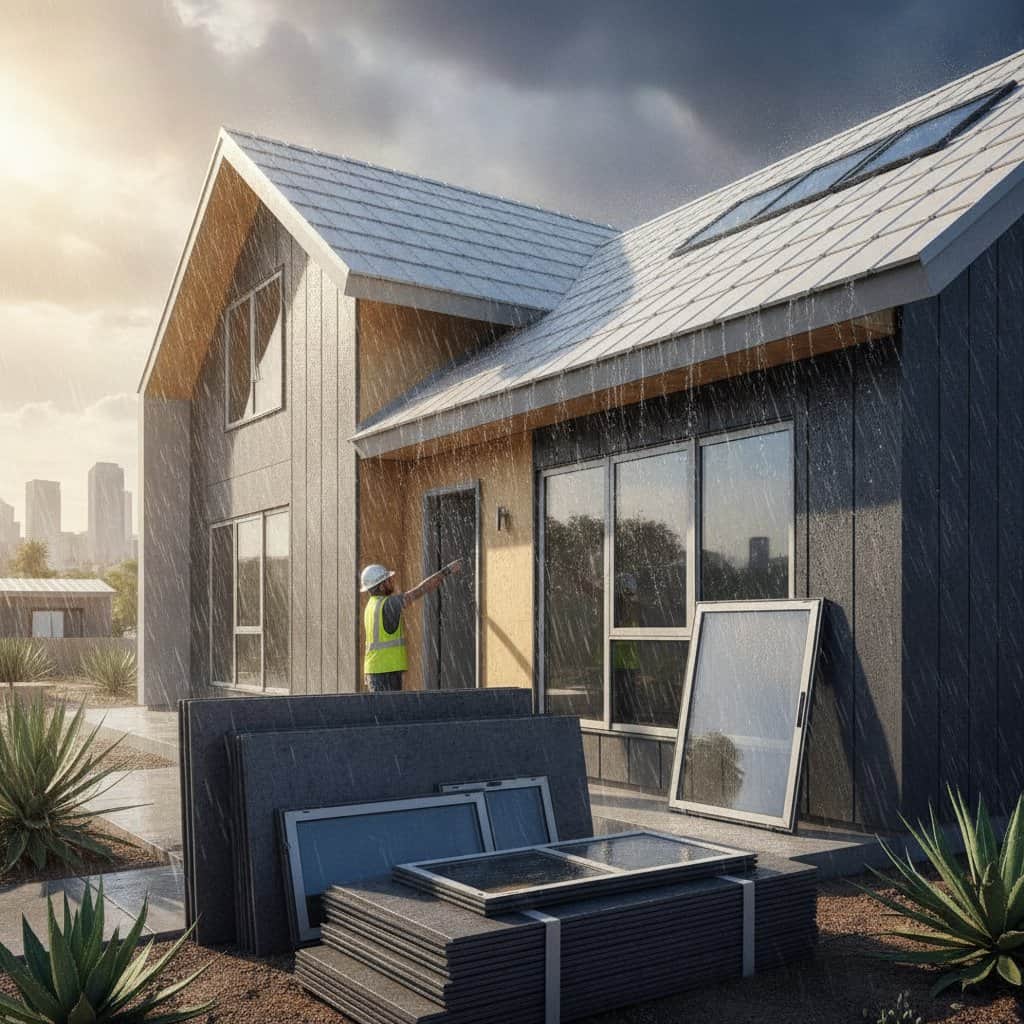
Construction timelines vary based on project scope, weather, and supply availability, but lenders structure draws around milestones such as foundation completion or framing. Delays in these stages can postpone fund releases, potentially increasing overall costs through extended interest accrual.
To maintain momentum, establish a clear schedule with all parties involved. Regular updates via site visits or progress reports keep the lender informed. Proactive management of potential setbacks, such as material shortages, preserves the project's financial framework.
Sourcing Local Expertise and Support
Regional lenders often excel in handling one-close loans due to their familiarity with local building codes and market conditions. Community banks and specialized mortgage brokers maintain teams dedicated to construction financing, offering personalized guidance tailored to area-specific needs.
Engage builders with proven experience in these loan types. Their insights into lender preferences can streamline documentation, from architectural plans to subcontractor lists. Collaborating closely on budget preparation enhances approval chances and sets realistic expectations.
Calculating Costs and Building in Flexibility
One-close loans incorporate standard mortgage expenses alongside construction elements. Expect origination fees ranging from one to two percent of the loan amount, plus costs for appraisals, surveys, and title searches. These occur at the initial closing, avoiding duplication later.
Construction-specific fees may include inspection charges and contingency reserves for overruns. Interest during the build phase typically ranges from the locked rate applied to drawn funds, averaging three to six months of payments. Overall, total costs align closely with traditional mortgages, often saving one to two percent in fees.
Incorporate a buffer of ten to fifteen percent in your budget for unforeseen expenses, such as site preparation adjustments or material price increases. Thorough planning, including energy-efficient choices, can offset initial outlays through long-term savings on utilities.
Steps to Secure Your One-Close Loan
Begin by evaluating your financial readiness. Gather documents including credit reports, income verification, and down payment sources, aiming for a credit score above 680 for optimal terms. Develop a comprehensive budget that covers land acquisition, if applicable, alongside construction estimates.
Consult multiple lenders to compare rates, fees, and draw policies. Select one with strong construction lending experience and request a pre-qualification to gauge eligibility. Simultaneously, interview builders and review their portfolios for alignment with your vision.
Submit your application with all supporting materials, including builder contracts and plans. Undergo the approval process, which includes property assessments and builder verification. Upon approval, proceed to the single closing, where funds become available for the first draw.
Embracing the Completed Build
With construction wrapped and the loan converted, homeowners transition to standard mortgage payments in a fully realized space. The one-close approach fosters a sense of control throughout, culminating in a home built to exact specifications without financing disruptions.
Long-term, this method supports equity growth from day one, as the permanent mortgage starts immediately upon occupancy. Families benefit from a stress-reduced experience, allowing energy to focus on personalization and enjoyment rather than procedural hurdles.