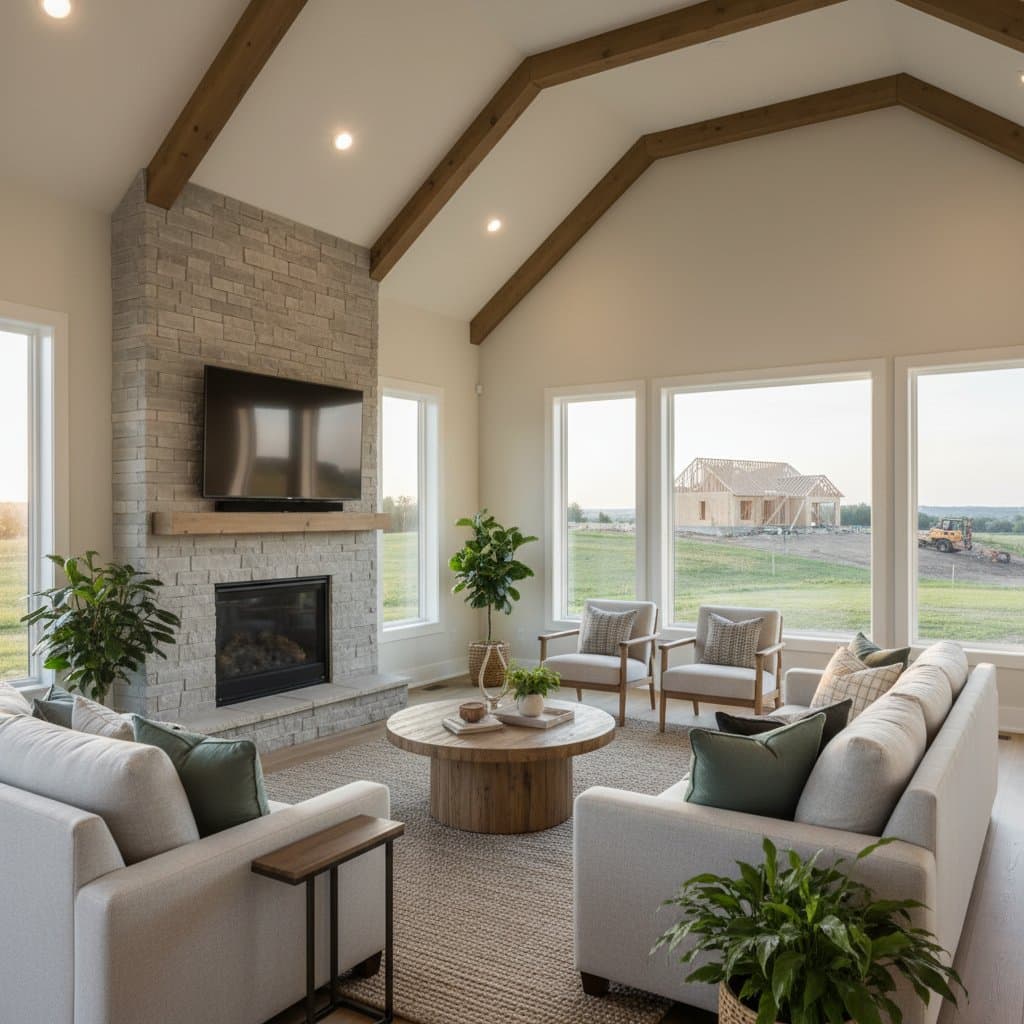
Key Benefits of USDA Zero-Down Loans
USDA zero-down loans provide an accessible pathway to homeownership in rural settings. These programs target individuals and families seeking residences in smaller communities without substantial savings. Proper preparation ensures the construction process remains efficient, budget-conscious, and achievable.
Essential Features of USDA Zero-Down Loans
Several attributes distinguish USDA zero-down loans from conventional financing options.
- No down payment required for eligible applicants.
- Interest rates remain lower than those of numerous conventional loans.
- Credit standards prove flexible, accommodating profiles without flawless histories.
- Emphasis on rural development extends to small towns and certain suburban peripheries.
- Provisions support new construction projects or purchases of existing properties, subject to lender guidelines and regional availability.
These elements collectively lower barriers to entry for rural home building.
Qualification Criteria for USDA Zero-Down Loans
The USDA initiative prioritizes support for households with moderate to low incomes. This approach broadens access to homeownership for those who may not meet stringent conventional lending thresholds, without implying financial hardship.
Lenders evaluate candidates based on several factors:
- Income thresholds. Limits vary by region, reflecting local median earnings and living expenses.
- Property location. The site must reside within designated rural or semi-rural areas, which may extend nearer to urban centers than anticipated.
- Credit history. A consistent pattern of financial responsibility strengthens applications, though perfection remains unnecessary.
- Intended use. Applicants must occupy the property as their primary dwelling.
Early verification of eligibility proves advantageous. Many discover that preferred locations align with USDA designations upon review.
Common Pitfalls to Avoid in USDA Zero-Down Home Construction
Patience serves as a critical asset in home building, particularly under USDA financing where procedural timelines influence outcomes. Rushed decisions often lead to complications.
Consider these insights to navigate the process effectively:
1. Verify lender support for construction financing. Not all institutions extend USDA loans to new builds; inquire promptly and compare providers specializing in such options.
2. Confirm rural eligibility status. USDA designations evolve periodically; validate the property's inclusion before committing to purchases or contracts.
3. Account for ancillary expenses. Zero-down terms exclude certain fees, such as those for appraisals, inspections, and non-standard enhancements.
4. Organize documentation meticulously. The application demands comprehensive records, including income verification, tax documents, and builder agreements; preparation expedites approval.
5. Adjust expectations for construction duration. Factors like remoteness, seasonal conditions, or supply chain issues may extend timelines in rural contexts.
Adhering to these precautions minimizes disruptions and fosters a smoother experience.
Strategies for Efficient Construction Management
Effective oversight during building ensures alignment with goals and timelines. Implement these practices to maintain progress.
Select interior elements in advance. Decisions on flooring, fixtures, and color schemes should precede major work phases. Early choices prevent bottlenecks, as builders proceed more rapidly with defined specifications.
Solicit bids from multiple sources. Cost variations exist even in rural markets; obtain at least three estimates for materials and services. Local vendors occasionally provide competitive pricing over larger retailers.
Inquire about regional incentives. Certain counties or states extend benefits for new constructions, such as property tax reductions or permitting fee waivers. Lenders or contractors often possess relevant details.
Assess utility and connectivity options upfront. Rural parcels may lack immediate access to high-speed internet, municipal water, or natural gas; evaluate infrastructure availability prior to site selection.
Establish a contingency reserve. Unforeseen expenses, including land preparation or additional structural needs, arise frequently. Allocating funds for such occurrences provides financial security.
These measures promote control and adaptability throughout the project.
Understanding the Limitations of Zero-Down Financing
Zero-down loans eliminate initial capital requirements, yet other obligations persist. Closing costs and a guarantee fee apply, though some lenders incorporate these into the principal balance to reduce immediate outlays.
Responsibility extends beyond financing terms. Applicants require stable employment, thorough preparation, and commitment to project completion. For diligent individuals, the program transforms previously unattainable goals into viable realities.
Steps to Initiate Your USDA-Financed Build
USDA zero-down loans represent a practical solution for aspiring rural homeowners, extending beyond cost savings to enable lifestyle transitions toward serene environments.
Overcome down payment concerns by first confirming area eligibility through official resources. Subsequently, consult lenders experienced in USDA construction financing to outline personalized pathways.
Construction involves inevitable adjustments, from material selections to scheduling shifts. Embrace these as integral to the journey. Upon completion, the satisfaction of a custom-built residence amid natural surroundings affirms the value of each preparatory step.