Introduction to Builder Rate Buydowns
Homebuyers in 2026 face a dynamic market where builders compete aggressively to close sales. One prominent strategy involves mortgage rate buydowns, which temporarily lower interest rates on new construction loans. This approach makes homes more affordable at the outset, drawing in price-sensitive purchasers amid elevated baseline rates.
These buydowns function as incentives funded by the builder, often covering the cost to reduce the borrower's rate for a set period, typically one to three years. Buyers enjoy lower payments during this time, which can amount to hundreds of dollars monthly. However, the temporary nature of these reductions leads to a critical phase: the reset, when rates revert to market levels.
Understanding this mechanism proves essential for avoiding financial pitfalls. Builders present these offers as straightforward benefits, but the full implications require careful analysis.
How Builder Rate Buydowns Operate
Builders collaborate with lenders to implement rate buydowns, effectively prepaying interest to secure a discounted rate. For instance, a 6.5 percent market rate might drop to 5.5 percent for the first year through a 1-0 buydown structure. This setup adjusts the rate incrementally or holds it steady before expiration.
The funding comes from builder contributions, sometimes amounting to several thousand dollars per loan. In exchange, buyers commit to purchasing within the development. This tactic proves particularly effective in high-rate environments, where even modest reductions influence buying decisions.
Common structures include temporary buydowns like 2-1 or 3-2-1, where the discount decreases annually until full rate applies. Permanent buydowns exist but prove rarer in builder incentives, as they demand higher upfront costs from developers.
Funding and Eligibility Details
Eligibility hinges on qualifying for the underlying mortgage, including credit score, debt-to-income ratio, and down payment requirements. Builders may impose additional conditions, such as closing within a specific timeframe or selecting certain upgrades.
The buydown amount varies by market and builder competitiveness. In oversupplied areas, discounts reach deeper, potentially covering two points of interest reduction. Buyers should verify that the lender applies the buydown correctly at closing.
The Reset: What Occurs and Why It Matters
At the end of the buydown period, the interest rate resets to the note rate established at origination, adjusted for any permanent modifications. This shift can elevate monthly payments substantially, often by 20 to 30 percent, depending on the discount depth and principal balance.
For example, a borrower with a $400,000 loan at a reset from 5 percent to 7 percent faces an increase of approximately $350 per month. Such jumps strain household budgets, particularly if income has not risen proportionally since purchase.
Resets typically align with anniversary dates of the loan, providing a predictable timeline. However, market fluctuations during the buydown period may alter the effective reset rate if the loan includes adjustable elements, though fixed-rate mortgages predominate in these scenarios.
Financial Implications of the Reset
The primary impact involves recalculating affordability. Lenders reassess escrow for taxes and insurance, which may also rise, compounding the payment hike. Borrowers unprepared for this transition risk delinquency or the need to refinance, incurring additional fees.
Long-term, the reset underscores the importance of viewing homeownership costs holistically. Initial savings must offset future increases, especially in inflationary periods where overall expenses climb.
Potential Savings and Hidden Costs
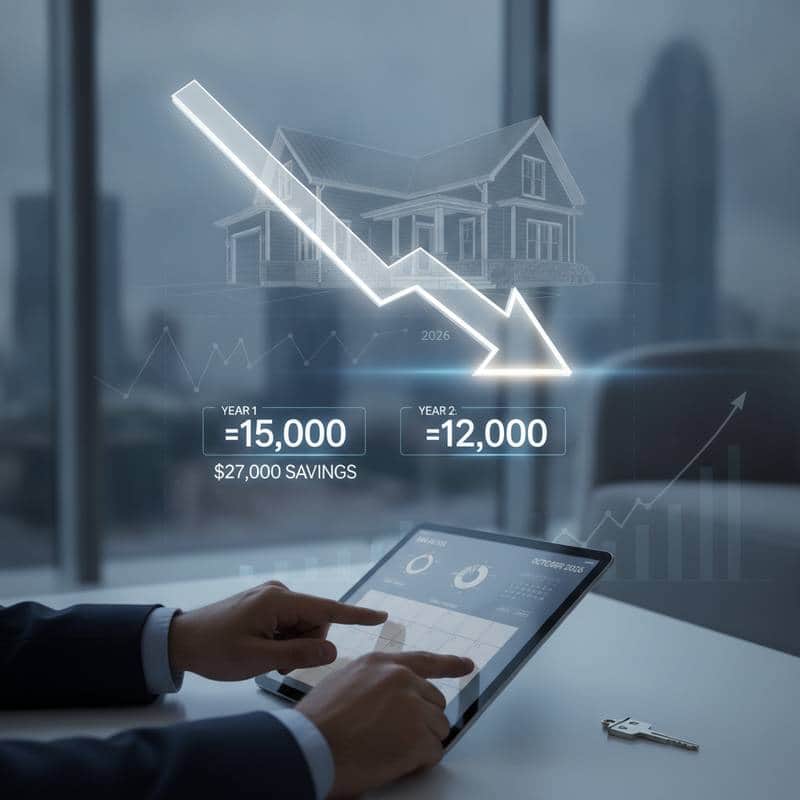
Rate buydowns deliver tangible benefits during the subsidized phase. Over two years, a one-point reduction on a $300,000 mortgage saves roughly $4,000 in interest, freeing funds for other priorities like furnishings or emergency savings.
Builders market these as win-win propositions, enhancing perceived value in new homes equipped with modern features. For first-time buyers, the lower entry barrier facilitates market entry when rates deter conventional purchases.
Yet hidden costs lurk. Some programs tie buydowns to specific lenders, limiting refinancing options and potentially higher origination fees. Prepayment penalties, though rare in current regulations, may apply if early exit proves necessary.
Unseen Fees and Risks
Appraisal and closing costs sometimes inflate under builder-preferred arrangements. Moreover, if the home appreciates, selling before reset locks in equity gains but triggers full-rate payments sooner via payoff.
Market risks include rate drops post-purchase, rendering the buydown less advantageous compared to waiting. Conversely, if rates rise further, the temporary relief proves invaluable, highlighting the timing element in decisions.
Strategies for Evaluating and Negotiating Buydowns
Buyers empower themselves by comparing multiple offers systematically. Request detailed breakdowns of buydown terms, including exact rate schedules and expiration dates, from competing builders.
Consult independent mortgage advisors to model payment scenarios pre- and post-reset. Tools like amortization calculators reveal net savings over the loan life, accounting for tax implications of builder contributions.
Negotiation strengthens positions in buyer-favorable markets. Builders may extend buydown durations or combine with price reductions if inventory lingers. Document all verbal promises in writing to prevent disputes.
Step-by-Step Comparison Process
-
Gather incentive packages from at least three builders, noting buydown depth, duration, and associated costs.
-
Calculate projected monthly payments using current principal, taxes, and insurance estimates for both phases.
-
Assess total ownership costs over five years, factoring reset impacts and potential rate changes.
-
Review contract fine print for clauses on lender selection, upgrade mandates, or resale restrictions.
-
Simulate stress tests: How does a 10 percent income drop affect post-reset affordability?
-
Seek builder concessions, such as waived fees or enhanced warranties, to bolster the deal.
Planning for Post-Reset Affordability
Preparation mitigates reset shocks. Build an emergency fund covering six months of full-rate payments to buffer transitions. Explore refinance options early, monitoring rates for favorable windows.
Income strategies include pursuing raises or side income before reset. Some buyers allocate initial savings toward principal reductions, lowering the balance and thus future payments.
Home maintenance budgets prevent unexpected repairs from exacerbating financial pressure. Viewing the buydown as a bridge to stability encourages proactive financial planning.
Long-Term Financial Preparation Tips
-
Track market rates monthly to anticipate refinance viability.
-
Adjust lifestyle spending during the low-payment period to amass reserves.
-
Consider loan modifications if reset proves untenable, though approval varies.
-
Integrate buydown analysis into broader homebuying budgets, including utilities and commute costs.
Securing Lasting Value from Your Purchase
Builder rate buydowns serve as powerful tools in 2026's competitive market, offering accessible entry to homeownership. By grasping reset dynamics and employing diligent evaluation, buyers position themselves for sustained financial health.
This informed approach transforms potential pitfalls into manageable phases, ensuring the home delivers enduring satisfaction. Ultimately, prioritizing comprehensive planning yields decisions aligned with long-term goals, fostering confidence in an evolving real estate landscape.