Understanding Builder Rate Buydowns for 2026 New Homes
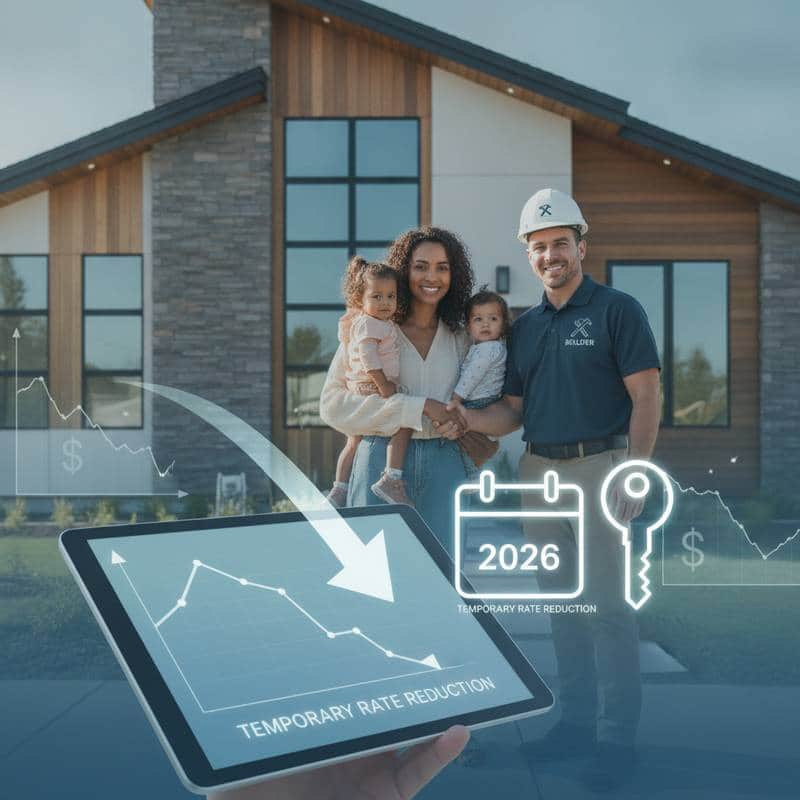
New homebuyers in 2026 can benefit from builder rate buydowns, which lower initial mortgage payments and enhance affordability. These programs allow individuals to step into a newly constructed home with reduced financial pressure from the outset. The result is a smoother adjustment to homeownership, supported by strategic incentives from builders.
Builders implement rate buydowns to attract buyers in a competitive market. This approach provides immediate relief on monthly obligations without altering the home's base price. For those planning a purchase, grasping these mechanisms proves essential for informed decision-making.
Mechanics of Builder Rate Buydowns
A builder rate buydown involves a temporary reduction in the interest rate on a mortgage, funded by the builder rather than the borrower. At closing, the builder deposits a lump sum into an escrow account to subsidize the difference between the reduced rate payments and the standard rate collections by the lender.
The process unfolds as follows:
- Builder Funding: The builder commits a specific amount as part of the purchase agreement, covering the buydown costs.
- Rate Adjustment Period: The mortgage begins at a discounted rate that increases incrementally over one to three years.
- Return to Original Rate: Following the initial period, payments align with the full interest rate for the loan's remaining duration.
Certain builders provide permanent buydowns, which lock in a lower rate for the entire loan term. These options require greater upfront investment from the builder but offer sustained savings for long-term residents.
Key Drawbacks of Rate Buydowns
Rate buydowns present clear advantages, yet they include notable limitations that warrant careful review. Borrowers must assess these factors to align the program with their financial profile.
- Future Payment Increases: Upon expiration of the buydown, monthly payments rise to the original rate level. Budgets should accommodate this adjustment in advance.
- Restricted Availability: Not every builder extends this incentive, and availability may limit to select properties or developments.
- Non-Refundable Funds: Selling or refinancing prior to the buydown's end results in forfeiture of remaining builder contributions to the lender.
- Potential Price Integration: Builders occasionally incorporate buydown expenses into the home's listed price. Evaluations should consider overall costs beyond immediate payments.
Planning budgets from the full rate perspective minimizes surprises during the transition period.
Collaborating with Builders and Lenders
Prospective buyers should inquire directly with local builders about available mortgage incentives. Many collaborate with preferred lenders experienced in structuring buydowns to streamline construction and closing processes.
Effective comparison strategies include:
- Request Written Terms: Obtain documented details on buydown duration and annual payment projections.
- Examine Loan Estimates: Verify that the buydown appears accurately in rate and payment breakdowns.
- Evaluate Lender Expertise: Local institutions often specialize in builder programs, providing tailored flexibility.
- Explore Negotiations: Balance buydowns against alternatives like upgrades, seeking combinations where feasible.
Local builders frequently demonstrate greater adaptability in incentive packages compared to national firms. Engaging sales managers in direct discussions yields customized solutions.
Calculating Costs and Anticipated Savings
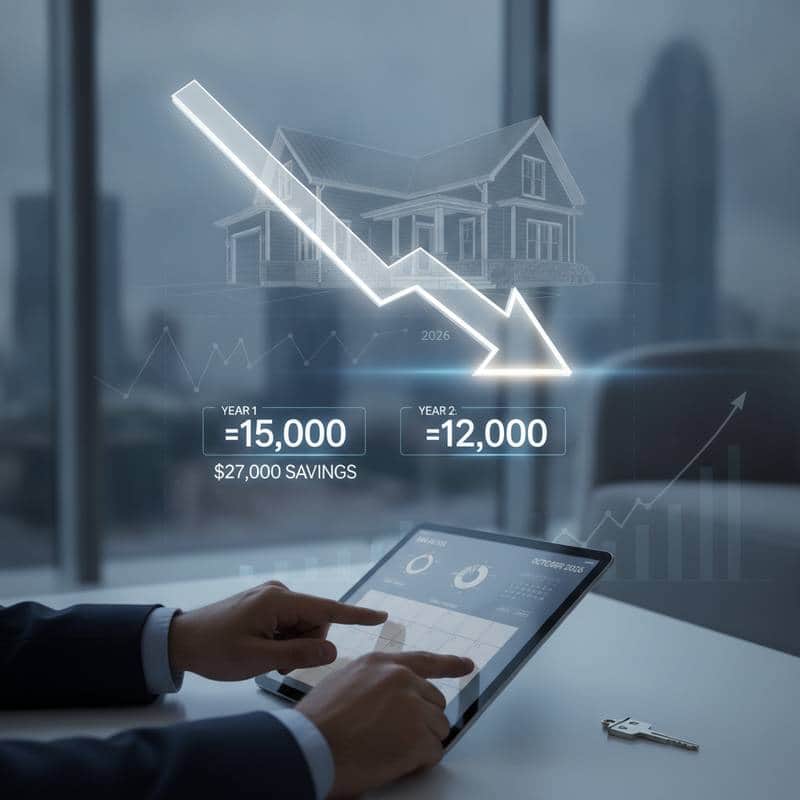
Builders bear the expense of temporary buydowns, with costs varying by loan amount and reduction depth. A typical 2-1 buydown, reducing the rate by two points in the first year and one in the second, equates to approximately two percent of the loan principal. For a $400,000 mortgage, this translates to about $8,000 funded by the builder.
Borrowers realize savings through diminished monthly payments. In the initial year, reductions might amount to $400 per month, tapering to $200 in the second year. These adjustments prove particularly valuable amid setup costs associated with new homes.
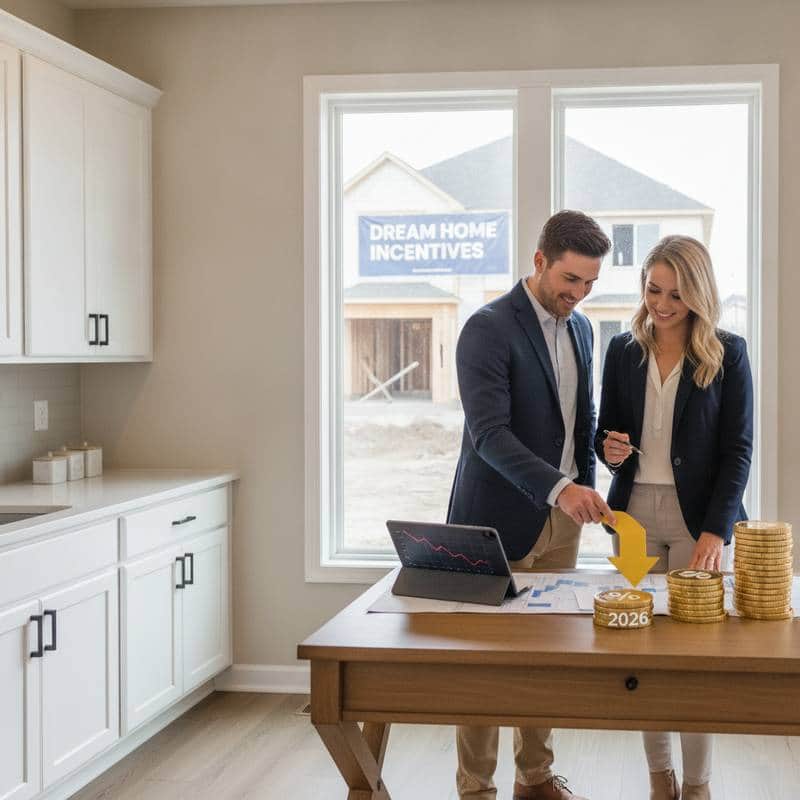
From the builder's viewpoint, buydowns function as targeted marketing investments. For buyers, they deliver tangible, immediate financial relief that supports both parties' objectives.
Ensuring Long-Term Financial Security
Excitement over reduced initial payments should not overshadow future implications. Borrowers must verify that their ongoing budgets sustain the full rate post-buydown.
Refinancing considerations require monitoring interest rate trends and associated fees. To prepare, allocate a portion of early savings equivalent to the anticipated payment increase. For an expected $300 monthly rise in the third year, saving that sum routinely builds familiarity and reserves.
Regional Trends Influencing Buydowns
In numerous markets, builders deploy rate buydowns to sustain new home sales amid economic pressures, avoiding direct price reductions. These incentives significantly elevate affordability in high-demand areas. Seasonal promotions often highlight specific rate cuts to draw buyers.
Local lenders innovate by integrating buydowns with regional grants or first-time buyer assistance programs. Such pairings substantially lower entry barriers.
In regions with robust building activity, touring model homes reveals current offerings. Incentives evolve frequently, with optimal opportunities on quick-move-in or near-completion inventory.
Essential Steps Prior to Commitment
To confirm a buydown aligns with personal objectives, follow these preparatory measures:
- Secure Pre-Approval: Establish qualified loan parameters to accurately gauge incentive impacts.
- Obtain Payment Projections: Review detailed schedules outlining yearly cost variations.
- Benchmark Against Market Rates: Assess standard mortgage options to quantify buydown value.
- Forecast Long-Term Affordability: Ensure budgets support elevated payments beyond the initial period.
- Seek Professional Input: Consult independent lenders or advisors for validation.
These actions demand minimal effort yet safeguard against unforeseen challenges.
Securing Your Path to Affordable Ownership
Builder rate buydowns in 2026 empower buyers to achieve homeownership with enhanced financial ease. By understanding the structure, weighing trade-offs, and planning strategically, individuals position themselves for sustained success. This incentive not only bridges immediate affordability gaps but also fosters confidence in long-term homeownership goals.