How Rising Bridge Loan Rates in 2026 Will Impact Custom Home Builds
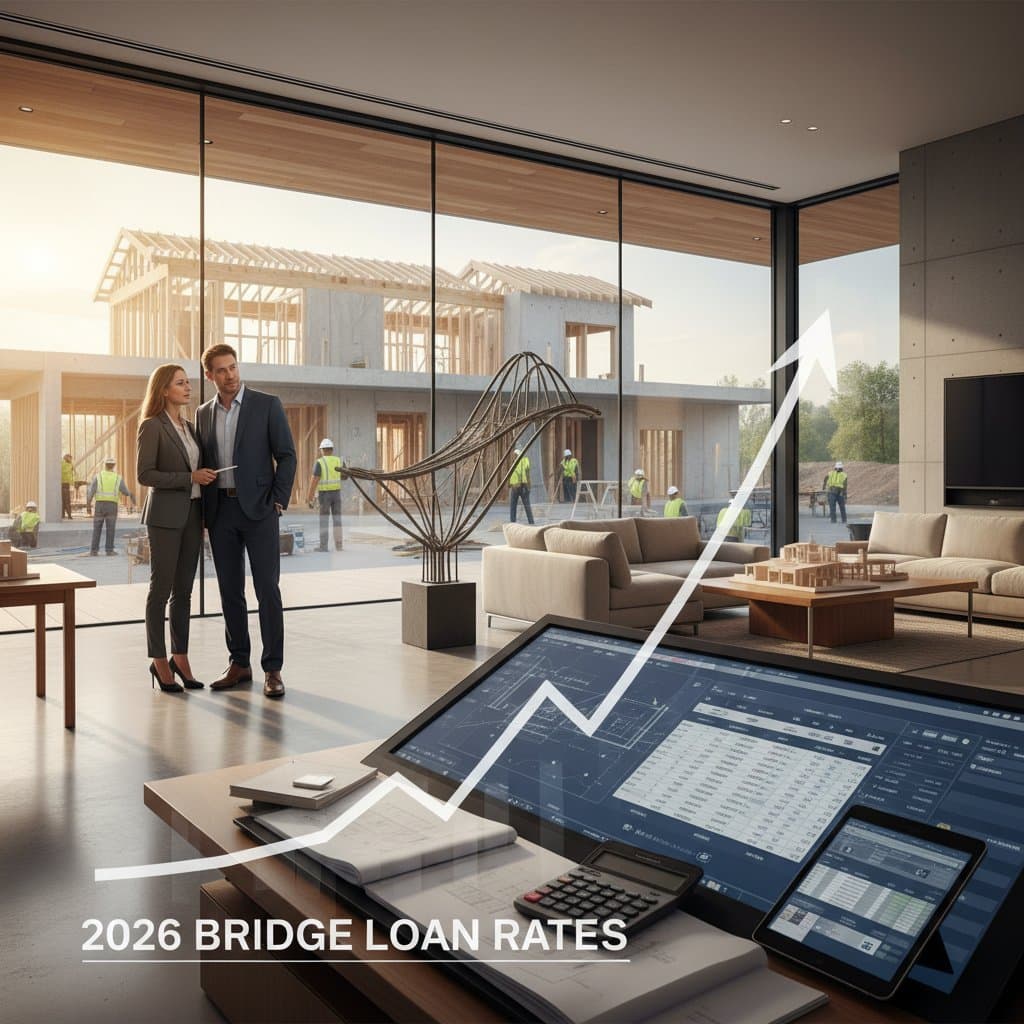
Bridge loans serve as essential short-term financing tools for homeowners transitioning between properties or initiating new construction. As 2026 approaches, projections indicate that these rates will increase due to broader economic trends. This shift will influence custom home projects by elevating interim costs, prompting builders and homeowners to adopt strategic adjustments.
Preparation remains key. Understanding these dynamics allows individuals to safeguard their budgets and maintain project momentum. The following sections explore the mechanics of bridge loans, the drivers behind rate increases, and practical responses.
Understanding Bridge Loans
Bridge loans provide temporary funding to bridge financial gaps during property transitions. For instance, they enable the purchase of land or initiation of construction before the sale of an existing home or the securing of a permanent mortgage. In custom home builds, these loans often cover the period from land acquisition to the commencement of long-term financing.
Such loans offer timing flexibility, which proves valuable when designs evolve or market conditions fluctuate. However, their rates tie closely to prevailing short-term interest benchmarks. Consequently, any tightening in lending environments directly elevates bridge loan expenses.
Drivers of Rising Bridge Loan Rates
Bridge loan rates align with short-term lending indices, such as the prime rate or LIBOR successors. When central banks raise benchmark rates to combat inflation or stabilize economies, these indices follow suit. Lenders then incorporate additional premiums for risk, liquidity constraints, and market volatility.
This escalation affects borrowing capacity. Higher rates translate to increased monthly interest during the bridge period, potentially limiting the overall loan amount available. For custom projects, where timelines span months or years, even modest rate hikes compound into significant additional costs.
Impacts on Custom Home Construction
Custom home builds demand meticulous financial oversight from the outset. Unlike purchasing a completed property, these projects involve layered expenses: land procurement, permitting, material sourcing, and labor coordination. Elevated bridge rates introduce upward pressure on these initial phases.
Consider the following specific effects:
-
Land Acquisition Delays
Homeowners frequently secure land prior to finalizing designs. A bridge loan facilitates this step, yet higher rates increase the carrying costs, potentially delaying purchases or requiring larger initial down payments to offset interest. -
Extended Construction Periods
Unforeseen factors, such as supply chain disruptions or permitting delays, extend timelines. Each additional month under a bridge loan accrues more interest, straining budgets and necessitating contingency planning. -
Equity and Down Payment Constraints
Borrowers often leverage home equity via bridge loans for down payments. Rising rates diminish the effective equity available, as interest erodes funds faster, which may force reductions in project scope. -
Overall Budget Adjustments
To accommodate higher financing costs, teams might revise specifications, such as opting for cost-effective materials or streamlining architectural features without sacrificing quality.
Beyond numerical impacts, these rates shape design philosophies. Projects lean toward efficiency, favoring modular components or prefabricated elements that accelerate timelines and minimize interest exposure.
Strategies Employed by Builders and Homeowners
Industry professionals now integrate financing expertise into early project discussions. Custom builders frequently collaborate with specialized lenders to evaluate bridge options alongside construction loans. This proactive approach identifies hybrid financing models that transition seamlessly to permanent mortgages.
Implement these targeted strategies:
-
Initiate Financial Consultations Promptly
Engage lenders during the conceptual phase to forecast rates and assess borrowing limits. This establishes a baseline for design and budgeting decisions. -
Secure Rate Lock Agreements
Select lenders offering rate locks for bridge loans, typically lasting 30 to 90 days. While they involve upfront fees, these protections shield against mid-planning rate surges. -
Optimize Project Timelines
Collaborate with builders to define milestones rigorously, aiming to shorten the bridge period. Techniques include phased permitting and just-in-time material ordering. -
Allocate Dedicated Contingencies
Reserve 5 to 10 percent of the total budget for financing fluctuations. This buffer accommodates extensions or rate adjustments without derailing the project.
These measures transform potential challenges into structured opportunities for fiscal discipline.
Design Adaptations Driven by Financing Pressures
Financial constraints often inspire innovative design solutions. Homeowners prioritize elements that deliver enduring value, blending aesthetics with practicality. Current trends reflect this balance, emphasizing efficiency alongside elegance.
Notable adaptations include:
-
Streamlined Luxury Configurations
Opt for compact layouts that allow investment in high-end details, such as custom cabinetry or integrated smart systems, rather than expansive square footage. -
Versatile Interior Arrangements
Incorporate adaptable spaces with features like retractable partitions or multifunctional furniture, maximizing utility within limited areas. -
Earth-Toned Palettes and Textures
Select neutral hues inspired by natural elements, complemented by durable woods and stones, to create serene environments that require minimal upkeep. -
Eco-Conscious Integrations
Prioritize systems like high-efficiency HVAC, passive solar designs, and enhanced insulation. These not only lower operational costs but may qualify for favorable lending terms through green building incentives.
Such choices enhance resale potential and occupant comfort, proving that fiscal prudence aligns with sophisticated living.
Navigating the Emotional Aspects of Financing Shifts
Uncertainty in financing can introduce tension during the planning stages. Questions arise about proceeding, modifying visions, or timing the project differently. These concerns mirror challenges faced in past building cycles, from resource scarcities to land value spikes.
Focus on resilience. View the budget as an integral design parameter, guiding selections toward elements that resonate personally. For example, reallocating funds from ancillary features to core living areas fosters a sense of fulfillment.
Achieving Lasting Satisfaction in Your Custom Home
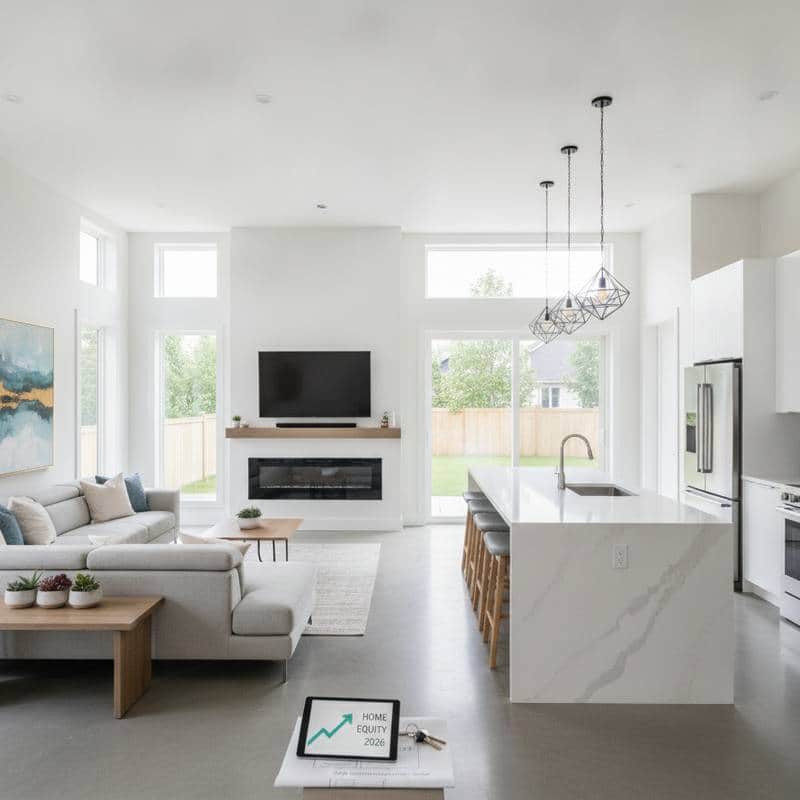
Upon completion, as the bridge loan converts to a permanent mortgage, reflections on initial choices bring reassurance. The interplay of natural light in shared spaces, seamless indoor-outdoor connections, and tactile quality of selected materials affirm the value of deliberate planning.
Elevated rates encourage purposeful construction, yielding homes that endure and adapt over time. To embark on your custom build, consult financial advisors early, align with experienced builders, and embrace flexible designs that prioritize essentials.