Builder Rate Buydowns Soften the Landing in 2026
Builder rate buydowns emerge as vital 2026 incentives, providing temporary interest rate reductions that lower early mortgage payments and enhance buyer confidence in new home acquisitions.
Loading...
Articles tagged with mortgage-rate-buydowns
Builder rate buydowns emerge as vital 2026 incentives, providing temporary interest rate reductions that lower early mortgage payments and enhance buyer confidence in new home acquisitions.
As mortgage rates climb in 2025, builder buydowns gain prominence by reducing buyer interest rates temporarily or permanently. Builders fund these cuts to sustain sales, delivering substantial early savings. Understand the process, expenses involved, and ways to integrate them into your financial plan.
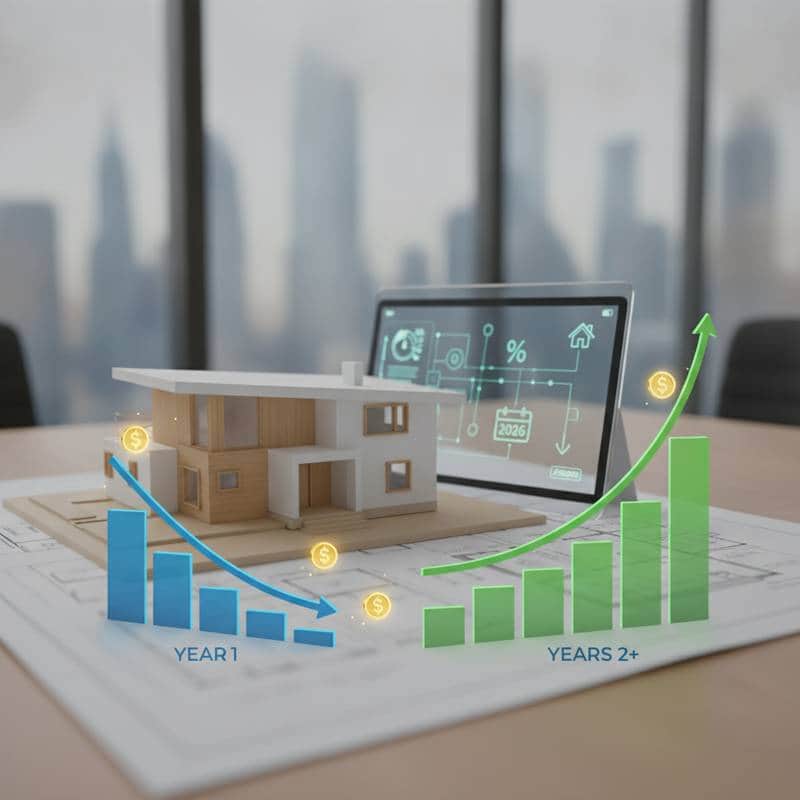
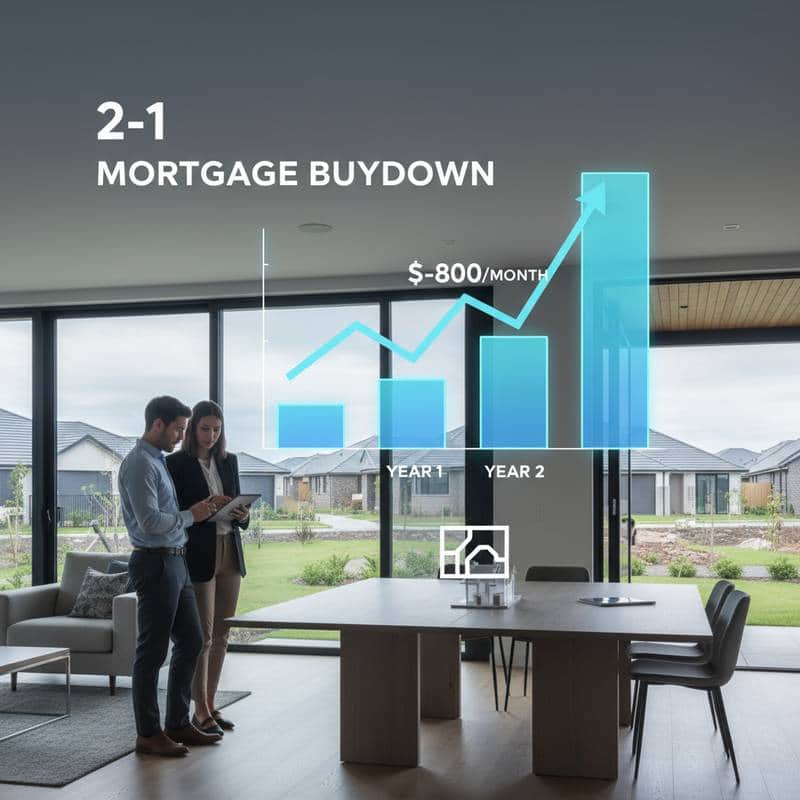
The 2-1 buydown temporarily reduces mortgage interest rates, cutting payments by two points in year one and one in year two. Funded by sellers or builders, it saves up to $40,000 initially, aiding budget adjustments and potential refinancing for long-term affordability.
Builder buydowns are transforming the 2025 new home market by providing authentic mortgage rate reductions and incentives that improve buyer affordability and deliver lasting value.
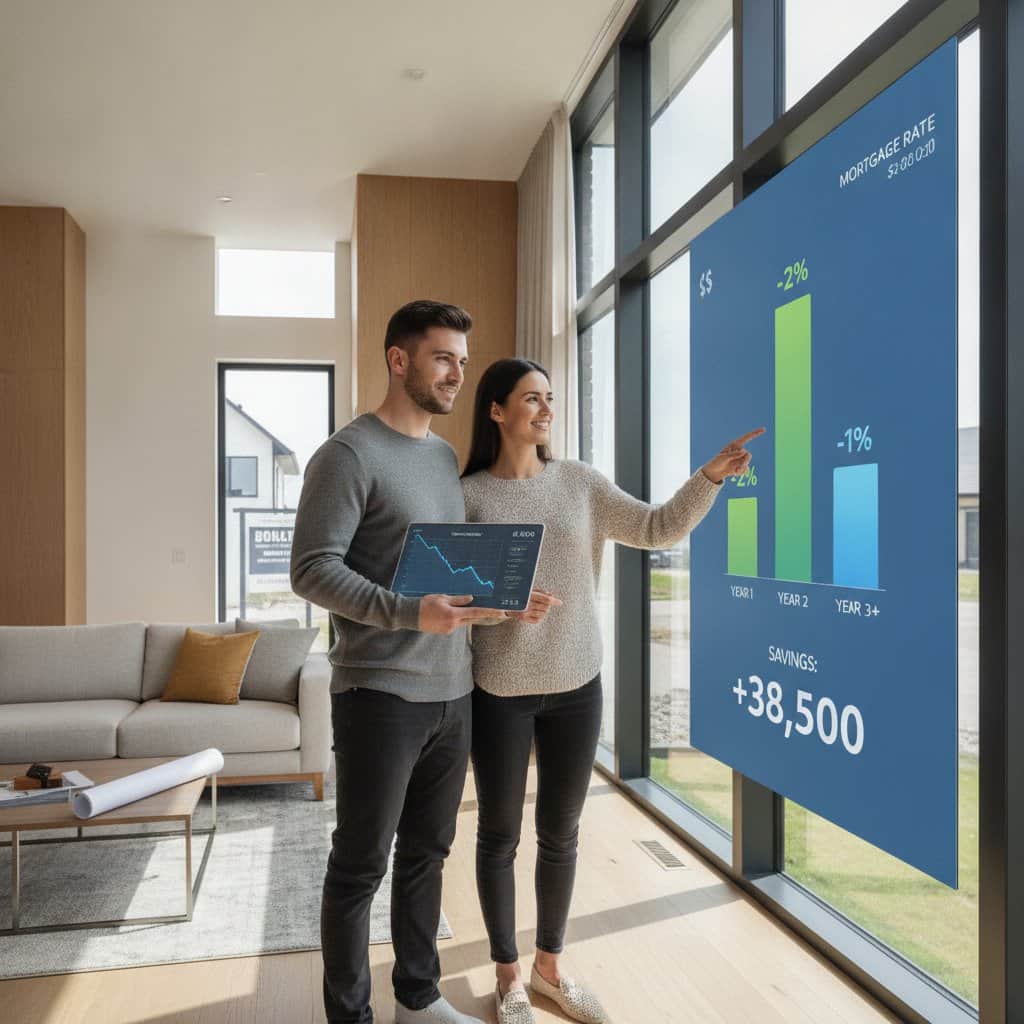
A 2-1 buydown lowers your mortgage rate by 2% in year one and 1% in year two, potentially saving $40,000 over the loan. This guide explains how it works, when to use it, and steps to implement for easier home buying in 2025.
Elevated interest rates have not deterred homebuyers; builder buydowns provide a vital bridge. These incentives temporarily reduce mortgage rates, potentially saving homeowners thousands of dollars and easing initial payments. A clear grasp of buydown mechanics, funding sources, and negotiation strategies transforms temporary relief into enduring financial security.
Homebuilders in 2025 use temporary rate buydowns to offer 4% mortgages, reducing initial payments and enhancing affordability for new homes. These strategies sustain construction demand while aiding buyers in entering the market. Understand the mechanics, potential pitfalls, and alignment with personal homebuying objectives.
The 2-1 buydown enables new homebuyers to access reduced mortgage rates for the first two years, yielding savings of about $18,000. Builders fund this benefit to improve affordability without price reductions. It provides prompt payment relief, aids budgeting, and boosts buyer confidence in new developments.
A 2-1 buydown lowers mortgage rates temporarily—by two points in the first year and one in the second—providing essential relief for new homeowners. Builder-funded options accelerate sales while offering buyers qualification advantages and early payment reductions. Prepare for rate normalization by budgeting ahead to ensure lasting affordability.
A 2-1 buydown allows builders to temporarily reduce mortgage interest rates, lowering payments in the initial years and providing financial relief for new homeowners. This strategy helps buyers manage early costs while builders maintain property values and attract purchasers in a challenging market.
Builder rate buydowns transform the 2025 homebuying landscape by reducing interest rates and monthly payments, either temporarily or permanently. Builders fund these reductions to maintain affordability, allowing buyers to allocate budgets more effectively. This guide explains the process, highlights common errors to sidestep, and provides tactics to convert initial savings into enduring financial advantages.
The 2-1 buydown lowers mortgage rates for the first two years, potentially saving $40,000 in 2025. This guide covers how it functions, payment reductions, best applications, comparisons, and implementation to ease homebuying transitions.
Amid high mortgage rates, builders use rate buydowns to subsidize interest and lower payments, making 2025 new home purchases more accessible and supporting buyer confidence in a dynamic housing sector.
A 2-1 buydown temporarily lowers your mortgage interest rate, potentially saving $40,000 in the early years of your loan. This approach provides financial flexibility for new homeowners, with insights on eligibility, negotiation tactics, and long-term mortgage management.
With elevated mortgage rates impacting affordability, builders increasingly offer temporary rate buydowns to lower initial payments for one to three years. This strategy provides buyers financial relief, sustains sales momentum, and delivers mutual benefits when applied strategically.
Builder rate buydowns transform the 2025 homebuying landscape by enabling lower mortgage payments without increasing upfront expenses. Buyers gain insights into temporary and permanent buydown options to save significantly, enhance loan qualifications, and negotiate effective incentives. Master these builder strategies to sidestep pitfalls and optimize offers before closing.
In 2025, builder buydowns enable new homebuyers to achieve lower mortgage rates for the early years. Builders subsidize interest to ease affordability, offering payment relief and qualification benefits. This guide covers operations, advantages, risks, and optimization tips for maximum value.
Homebuyers in 2025 are turning to builder buydowns to ease high mortgage rates. These builder-funded incentives temporarily lower interest costs, offering smaller payments and smoother budgets. From 3-2-1 to 2-1 structures, buydowns help buyers settle comfortably into new homes while builders keep sales strong and communities thriving.
In 2025, builder buydowns are on the rise, offering temporary or permanent mortgage rate reductions to make new homes more affordable. These incentives lower monthly payments significantly, providing buyers with substantial savings. Understand the types, benefits, and key considerations to optimize your home purchase.
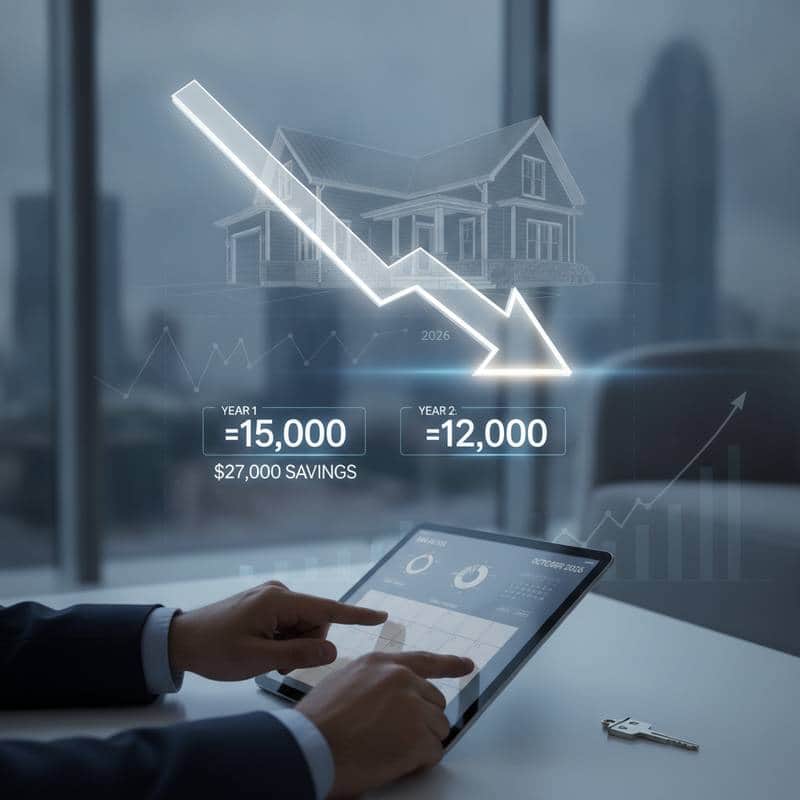
A 2-1 rate buydown reduces your mortgage interest by two points in year one and one point in year two, potentially saving $15,000 when builders fund the cost. This approach provides lower initial payments, financial flexibility, and a smoother transition into homeownership. Understand the mechanics, benefits, and strategies to leverage this incentive effectively.