2-1 Buydown Reduces Early Mortgage Payments
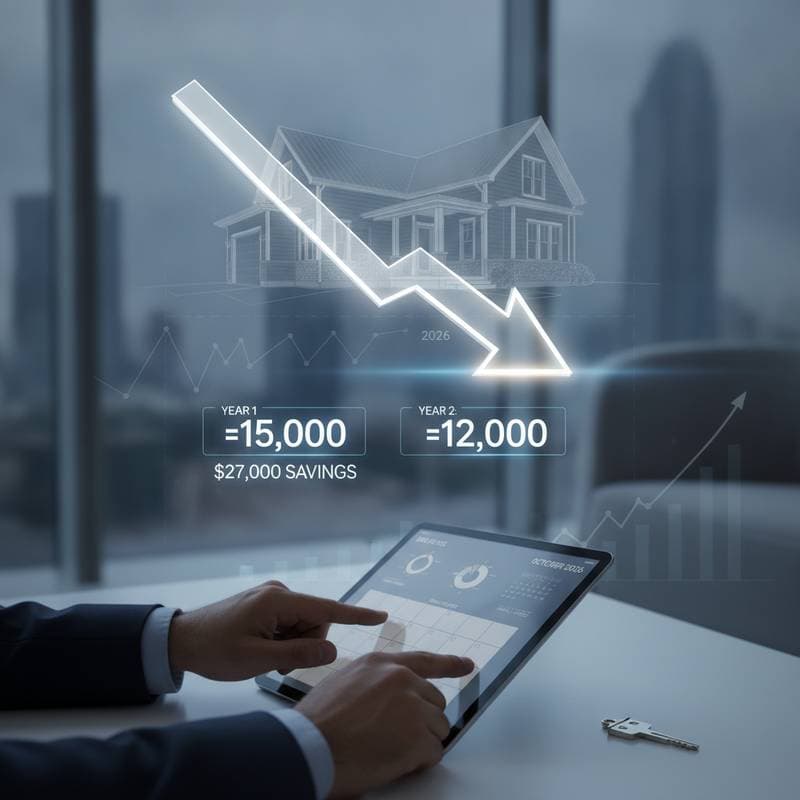
A 2-1 buydown lowers the interest rate on a mortgage for the initial two years. This approach reduces monthly payments during that period and can deliver total savings near 40000 dollars when aligned with a sound repayment strategy.
Key Points
- The rate drops by two percentage points in year one and one percentage point in year two before returning to the note rate.
- Sellers or builders frequently fund the cost to accelerate home sales.
- Qualification occurs at the full note rate, which removes qualification risk.
- The option suits buyers who anticipate income growth or plan to refinance.
Benefits for New Construction Buyers
Purchasers of newly built homes often face simultaneous expenses for construction changes, furnishings, and landscaping. A temporary reduction in payments creates room to address these priorities without depleting reserves. One homeowner used the freed cash flow to complete backyard landscaping immediately after closing while preserving an emergency fund.
Tip 1: Identify the Funding Source
Builders commonly absorb the buydown expense because the concession speeds inventory turnover. Buyers can negotiate this benefit in place of cosmetic upgrades. Long-term interest savings typically exceed the value of upgraded finishes such as premium countertops.
Tip 2: Compare Payment Scenarios
Request amortization schedules that show payments under the buydown versus the standard rate. This comparison clarifies the exact monthly difference and helps weigh the concession against other closing incentives.
Tip 3: Align the Buydown With Future Plans
Success depends on a clear path beyond the second year. Buyers who expect salary increases, a return to the workforce by a spouse, or a refinance opportunity should confirm that the restored payment remains manageable. The objective is to avoid payment shock when the temporary rate expires.
Suitable Candidates
This structure works well for buyers who meet these conditions:
- They are purchasing or building a new home and seek short-term payment relief.
- Income is projected to increase within the next few years.
- Refinancing is anticipated before the buydown period ends.
- The seller or builder is willing to cover the cost.
Buyers whose current income barely covers the full-rate payment should proceed carefully. The buydown provides temporary relief rather than a permanent affordability solution.
Frequently Asked Questions
Can a 2-1 buydown be combined with other concessions?
Yes. Some transactions layer the buydown with builder credits or lender contributions toward closing costs, provided the lender guidelines permit stacking.
Does a 2-1 buydown function like an adjustable-rate mortgage?
No. The note rate remains fixed; only the payment amount changes for the first two years. An adjustable-rate mortgage alters the interest rate itself according to market indexes.
What occurs if market rates decline after closing?
Refinancing remains available at any time. Many borrowers complete a refinance before the buydown expires to secure a lower permanent rate.
Do all lenders provide this program?
Availability varies. Major lenders and production builders routinely offer the option, yet it is prudent to confirm early in the application process.
Is the strategy available on refinances?
In limited cases. Eligibility depends on the specific lender program and whether the transaction involves cash to the borrower or credits from another party.
Next Steps for Buyers
Discuss the 2-1 buydown with a loan officer to model payments against projected income. Present the option to the builder during contract negotiations to determine whether the cost can be absorbed into the sale price. This preparation positions the household to manage early ownership expenses with greater flexibility.