I Almost Gave Up on Buying, Then Discovered the 2-1 Buydown
Several months ago, I stood in a model home holding a cup of coffee, gazing at the kitchen island as if it contained solutions to all challenges. The home featured elements I had long envisioned, including soft-close drawers and abundant natural light from large windows. However, upon receiving the mortgage estimate, my enthusiasm diminished rapidly. On that same visit, the builder introduced the concept of a 2-1 buydown, a term unfamiliar to me. I acknowledged it courteously and later researched it thoroughly at home. The information revealed that homeownership remained within reach despite initial concerns.
If you plan to purchase a home in the near future, consider examining this option closely. A 2-1 buydown can reduce costs by tens of thousands of dollars during the initial years, providing essential financial flexibility.
Understanding the Mechanics of a 2-1 Buydown
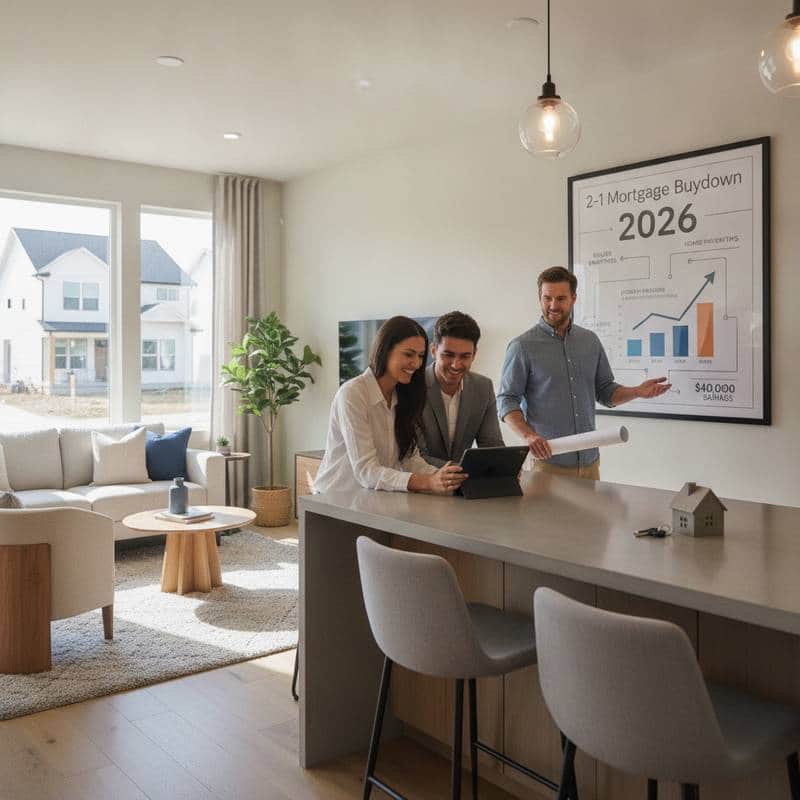
A 2-1 buydown adjusts the interest rate on a mortgage temporarily. In the first year, the rate decreases by 2 percentage points below the note rate. During the second year, it rises to 1 percentage point below the note rate. From the third year onward, the full note rate applies.
This structure originates from funds deposited into an escrow account at closing, often provided by the builder, seller, or lender. These funds subsidize the reduced payments for the first two years. For instance, on a $400,000 loan at a 7% note rate, the first-year rate might drop to 5%, lowering monthly principal and interest payments from approximately $2,661 to $2,147—a savings of $514 per month.
Calculating Potential Savings of Up to $40,000
Assume a home purchase near the national median price of $400,000 with a 30-year fixed-rate mortgage at 7%. Without a buydown, monthly payments total about $2,661 for principal and interest. With the 2-1 buydown, year-one payments fall to around $2,147, and year-two payments to $2,404.
Over two years, these adjustments yield cumulative savings of approximately $9,168 in the first year and $6,204 in the second, totaling over $15,000. For larger loans or higher rates, savings scale accordingly; a $600,000 loan could approach $40,000 in total relief by 2026, factoring in current rate trends. These figures exclude taxes and insurance, which remain unchanged.
Such savings provide a financial buffer during the adjustment period of homeownership. Use the extra funds to cover closing costs, establish an emergency reserve, or invest in initial home improvements.
Determining If a 2-1 Buydown Aligns with Your Goals
This financing tool suits specific buyer profiles. Evaluate its fit based on your circumstances:
- Anticipate income growth within the next few years, allowing easier handling of full payments later.
- Prefer a gradual increase in housing expenses to maintain budget stability.
- Intend to refinance if interest rates decline, potentially locking in a lower permanent rate.
- Purchase new construction where builders offer buydowns as incentives to close sales.
Even for long-term homeowners, the buydown delivers short-term advantages. It enhances cash flow during the settling-in phase, when expenses like utilities and maintenance may exceed expectations.
For those transitioning from renting or relocating, the buydown mitigates initial shocks. Unexpected costs, such as appliance repairs or landscaping, become more manageable with reduced early payments.
Key Considerations and Potential Drawbacks
The 2-1 buydown provides clear benefits, yet review details carefully before proceeding. The primary adjustment occurs after two years, when payments increase to the full note rate. Plan your budget to accommodate this rise, treating the buydown as a transitional aid rather than a lasting reduction.
Consider these factors:
- Identify the funding source. Builders or lenders often cover the cost to attract buyers; if you must pay, calculate the total expense against projected savings.
- Monitor market conditions for refinancing. A drop in rates before year three could enable a switch to a more favorable loan.
- Assess long-term affordability. Ensure the full payment aligns with your financial projections, including potential life changes.
Consult a mortgage professional to model scenarios specific to your loan amount and credit profile. This step ensures the buydown integrates seamlessly with your overall financial strategy.
Applying Savings to Enhance Your Homeownership Experience
Beyond numerical benefits, the 2-1 buydown alleviates early financial pressure. It allows allocation of saved funds toward practical enhancements, such as installing energy-efficient lighting or purchasing essential furniture.
This approach fosters a sense of security. Homeownership evolves from a daunting commitment to a structured progression, enabling focus on personalization and enjoyment.
Steps to Secure a 2-1 Buydown for Your Purchase
To implement this strategy:
- Discuss options with your lender during pre-approval. Request quotes comparing standard and buydown scenarios.
- Inquire about builder or seller contributions, especially in new developments.
- Review loan estimates for buydown fees and payment schedules.
- Verify eligibility based on loan type, such as conventional or FHA mortgages.
By integrating a 2-1 buydown, you position yourself for a smoother entry into homeownership. This tool transforms potential barriers into opportunities, paving the way for lasting stability.