TL;DR
- The USDA zero-down loan program will include select suburban areas beginning in 2026.
- Eligible buyers in these regions can obtain 100% financing without a down payment.
- Expanded access lowers financial hurdles, allowing more families to purchase or construct homes in developing communities.
- Review updated eligibility maps and income limits to determine qualification.
- Prepare for additional costs beyond the down payment, such as closing fees.
- This update aligns loan availability with modern suburban growth patterns.
Understanding the Expansion of USDA Loan Eligibility to Suburban Areas
The United States Department of Agriculture (USDA) administers the zero-down loan program to promote homeownership in rural and underserved regions. Historically, these loans targeted areas with populations under 35,000 residents, focusing on agricultural communities. However, demographic shifts have blurred the lines between rural and suburban landscapes as urban sprawl extends into former countryside zones.
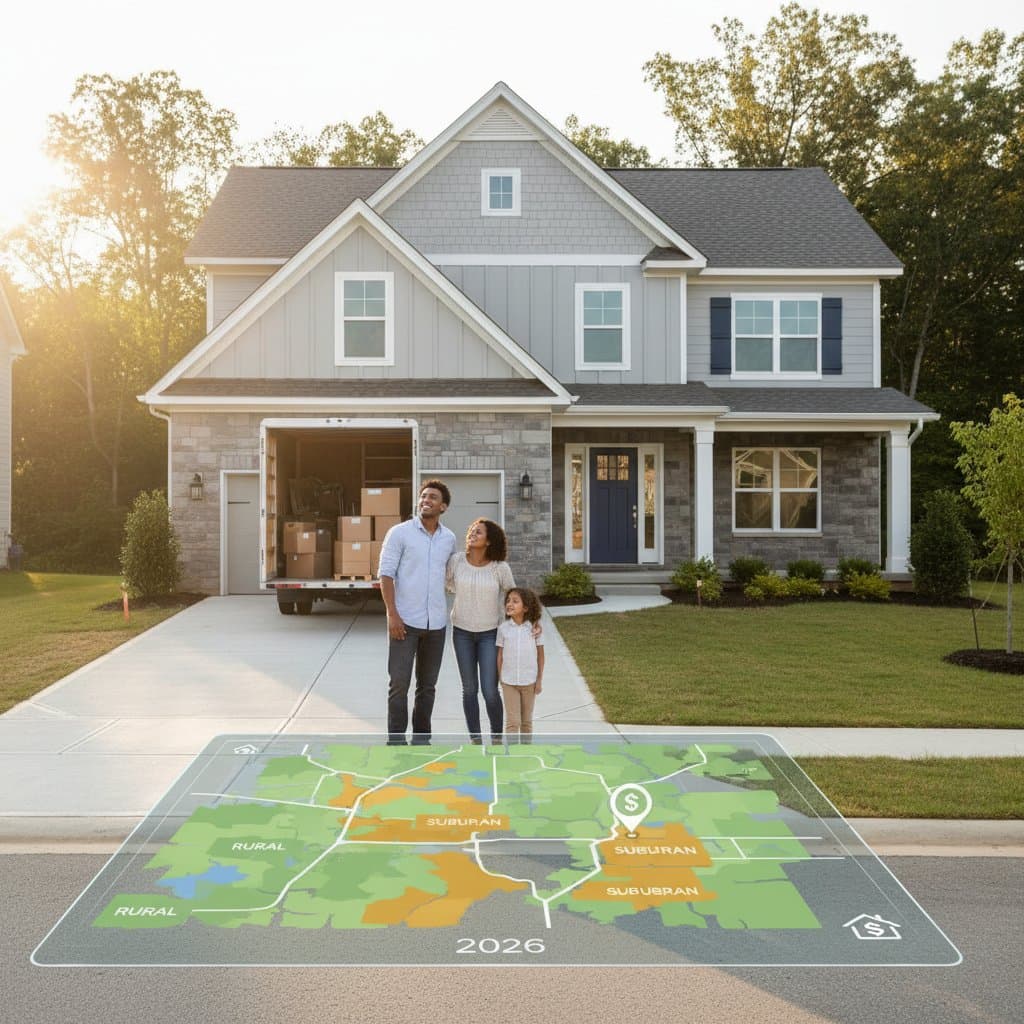
In response, the USDA plans to revise eligibility maps in 2026, incorporating select suburban neighborhoods adjacent to cities. This adjustment recognizes that many such areas now support working-class families who commute to urban jobs but face housing affordability challenges. The program offers guaranteed loans through approved lenders, covering up to 100% of the home's value, which eliminates the need for down payments and reduces monthly burdens compared to conventional mortgages.
Homebuyers should monitor official announcements for precise boundary changes. Areas near major metros, such as outskirts of Atlanta or Denver, may qualify if they meet updated rural development criteria. This expansion could increase loan approvals by 20% in transitional zones, based on preliminary USDA projections, fostering economic stability in growing suburbs.
Benefits of USDA Zero-Down Loans for Suburban Buyers
One primary advantage lies in the financing structure. Buyers secure loans at competitive fixed interest rates, often 0.5% to 1% below market averages, thanks to the USDA's government backing. This translates to substantial savings over a 30-year term; for a $300,000 home, the difference might exceed $50,000 in interest payments.
Credit flexibility further enhances accessibility. While a minimum score of 640 typically applies, some lenders accept scores as low as 580 with compensating factors like stable employment or reserves. The program also waives private mortgage insurance, a common expense in other low-down-payment options, keeping overall costs lower.
For families eyeing suburban living, these loans support diverse property types, including single-family homes, modular units, and even certain manufactured homes on permanent foundations. The expansion addresses a key gap: suburbs often lack the high-density housing that qualifies for urban programs, leaving middle-income households underserved.
Key Considerations Before Applying
Qualification requires careful evaluation of location, income, and financial readiness. The USDA defines eligible areas using interactive maps that exclude urban cores and high-income enclaves. Suburban tracts must demonstrate limited access to conventional financing, often verified through census data on median household earnings.
Income limits vary by county and household size, generally capping at 115% of the area median income. For example, a family of four in a moderate-cost suburb might face a $120,000 annual limit. Exceeding this threshold disqualifies applicants, though joint filers or those with dependents receive adjustments.
Even without a down payment, other expenses demand attention. Closing costs average 2% to 5% of the loan amount, covering appraisals, title searches, and origination fees. Buyers can negotiate seller concessions to offset these, or explore USDA assistance grants for repairs in eligible properties. Budgeting for ongoing costs, such as property taxes and utilities typical in suburban settings, ensures long-term sustainability.
Frequently Asked Questions
Q: Must applicants be first-time homebuyers?
A: The program does not require first-time status. However, applicants cannot own another property that serves as a suitable residence at the time of application.
Q: Are USDA loans available for new home construction in suburban areas?
A: Yes, select lenders provide construction-to-permanent financing. This option funds site preparation, building, and conversion to a standard mortgage upon completion, subject to USDA oversight for quality standards.
Q: Do restrictions apply to property size or type?
A: Limits focus on reasonable residential use rather than strict square footage. Properties must serve as primary residences, excluding investment or commercial spaces, and adhere to local zoning in eligible suburbs.
Q: What credit score qualifies for approval?
A: Lenders generally require a score of 640 or higher for streamlined processing. Scores below this level may still qualify with manual underwriting, emphasizing debt-to-income ratios under 41% and verifiable income stability.
Q: Can townhomes or condominiums receive USDA financing?
A: Approval extends to these if the development meets USDA rural housing guidelines, such as adequate amenities and no excessive density. Individual units in eligible suburban complexes often succeed, provided the association complies with program rules.
Q: How do interest rates compare to other loan types?
A: USDA rates remain lower due to the guarantee, currently averaging 6.5% versus 7.2% for conventional loans. Rates lock in for the loan term, protecting against market fluctuations.
Steps to Prepare for USDA Loan Qualification
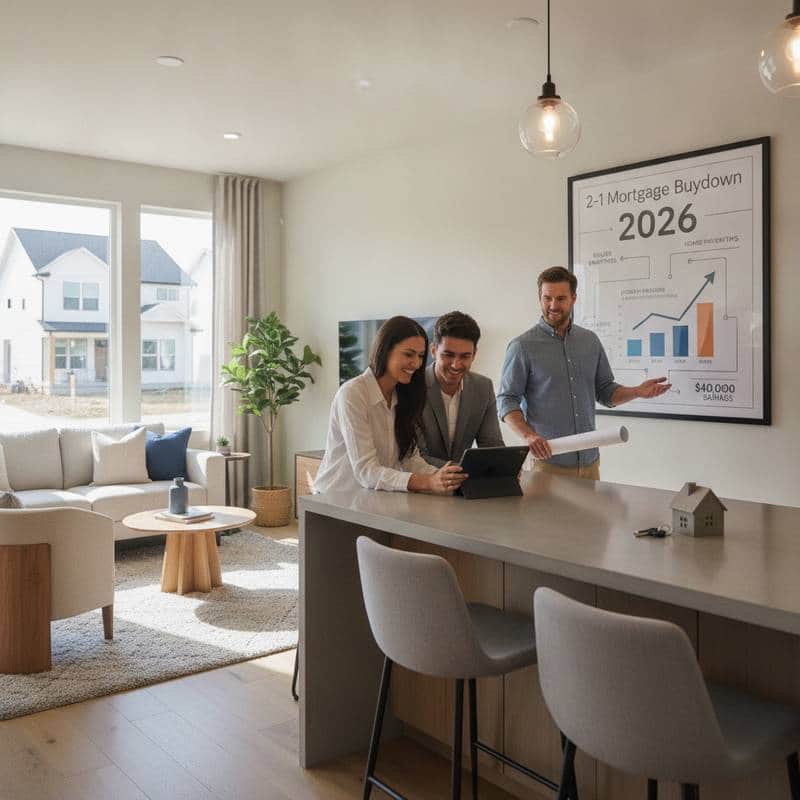
Prospective buyers should start by using the USDA's online eligibility tool once 2026 maps release. Input your address to confirm zone status, then gather documentation: pay stubs, tax returns, and bank statements for the past two years. Pre-approval from a USDA-approved lender accelerates the process, revealing personalized rate quotes and budget limits.
Consult a local real estate agent familiar with rural development areas to identify qualifying properties. Early engagement with lenders clarifies income calculations and explores options like co-signers for borderline cases. Attending USDA webinars or contacting rural development offices provides insights into application timelines, often spanning 30 to 60 days.
Realizing the Potential of Suburban Homeownership
This USDA expansion positions suburban living within reach for countless families, bridging the affordability divide between city and countryside. By leveraging 100% financing and supportive terms, buyers invest in stable communities with access to schools, parks, and employment hubs. Those who act promptly on updated eligibility stand to secure their future in these evolving areas, turning homeownership dreams into tangible realities.