Summary
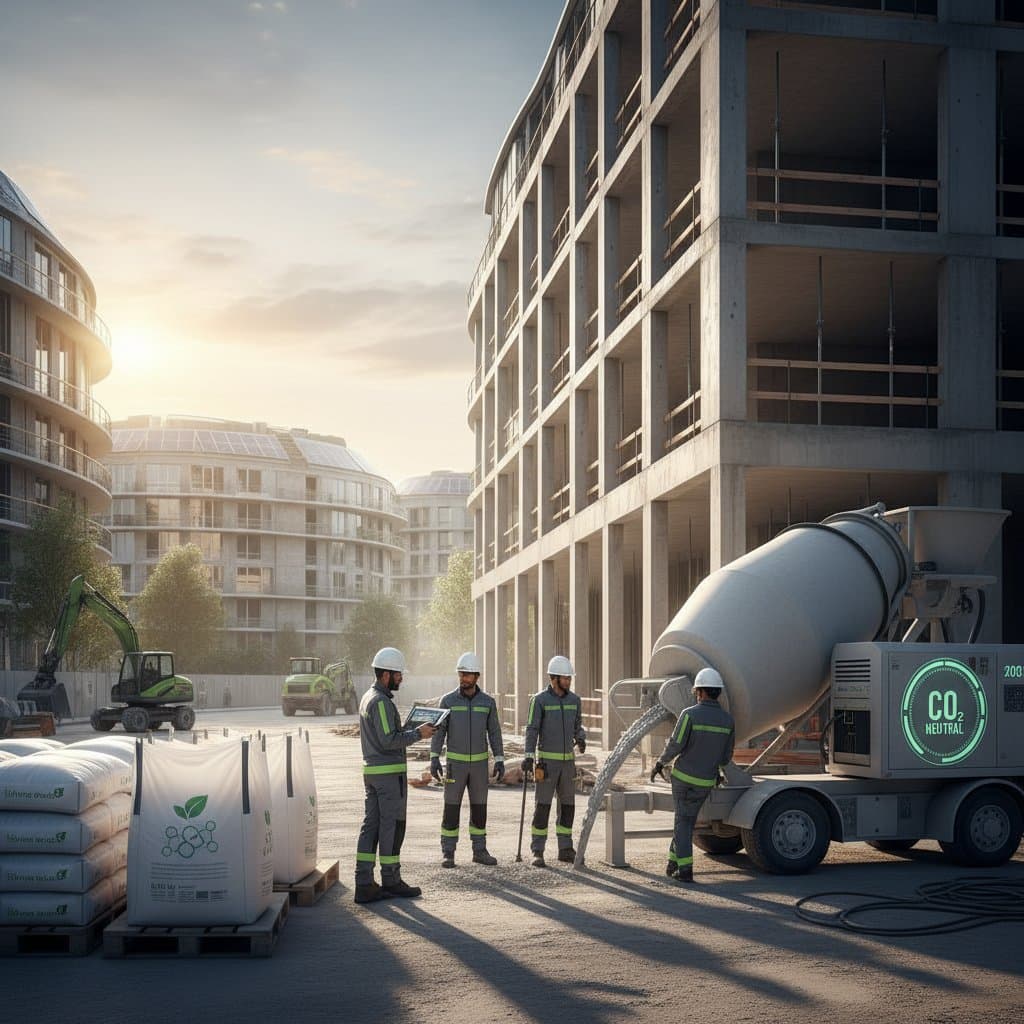
- Builders select carbon-neutral concrete to reduce emissions and achieve green building objectives.
- This material matches the performance of traditional concrete while minimizing the carbon footprint.
- Benefits include improved sustainability, reduced long-term costs, and contributions to a more environmentally responsible construction sector.
Key Advantages
- Equivalent strength with reduced carbon emissions.
- Decreased long-term expenses through sustainable sourcing practices.
- Simplified adherence to green building regulations.
- Increasing demand from clients seeking environmentally conscious residences.
Performance on Construction Sites
Carbon-neutral concrete integrates seamlessly into standard workflows, surprising many with its familiarity. Contractors pour, level, and cure it using the same methods as conventional concrete. The primary distinction appears in the production process, not the on-site handling.
One builder recently applied it to a driveway and foundation project. He noted, "You would never know the difference by looking at it." The surface achieved a smooth finish, set correctly, and satisfied the client, who appreciated the sustainable foundation for their home.
Concerns about reduced strength or increased risk prove unfounded. Advances in technology ensure that most formulations meet or surpass established strength standards. This reliability supports confident adoption across various project scales.
Common Pitfalls to Avoid When Transitioning to Carbon-Neutral Materials
Approach the switch as a tailored integration rather than a universal replacement. Homeowners sometimes proceed without confirming builder experience, resulting in miscommunications, project delays, or incorrect material selections. Proactive steps mitigate these issues effectively.
Tip 1: Consult Your Builder During Planning
Discuss carbon-neutral options in the initial design discussions. Inquire about prior experience with these materials and preferred suppliers to align expectations early.
Tip 2: Assess Regional Availability
Access to suppliers varies by location, potentially affecting timelines. Coordinate with your team to secure deliveries and prevent scheduling disruptions.
Tip 3: Confirm Certification Standards
Green concrete formulations differ in quality. Seek certifications from reputable industry organizations to verify true carbon neutrality.
Tip 4: Account for Pricing Fluctuations
Initial costs per cubic meter might exceed those of standard concrete due to sourcing or logistics. However, available rebates often offset differences, keeping projects within planned budgets.
Cost Comparison
Upfront expenses for carbon-neutral concrete typically exceed those of traditional varieties by a modest margin. Factors such as geographic location and order volume influence this premium, often tied to specialized sourcing or transportation rather than raw material costs.
The long-term value becomes evident through diminished environmental impact, eligibility for incentives, and enhanced market positioning for sustainable practices. Builders and homeowners frequently view this investment as justified, given the broader advantages. For instance, projects in regions with strict emissions regulations may qualify for tax credits that further balance initial outlays.
Aesthetic and Functional Similarities
Cured carbon-neutral concrete mirrors the appearance of standard concrete, offering no visible distinctions. It accommodates the same finishing techniques, including polishing, stamping, or staining.
This compatibility allows for creative designs, such as glossy interior floors or patterned outdoor patios, without compromising environmental goals. The material's versatility ensures that sustainability enhances rather than limits aesthetic choices.
Frequently Asked Questions
Question: Is carbon-neutral concrete suitable for smaller projects, such as patios or garage floors?
Yes. Suppliers commonly provide batch options for residential applications, and contractors manage the mixture using existing equipment.
Question: Does it demand unique curing methods?
Standard procedures suffice, including typical timelines for moisture and temperature control. Builders should review specific product guidelines to ensure optimal results.
Question: Is it accessible in all areas?
Availability expands rapidly, though regional differences persist. Local builders or suppliers offer the most current information on proximity and options.
Question: Does it differ in feel during use or later modifications?
No. It provides the same tactile and performance qualities as regular concrete.
Question: Can it integrate with additional sustainable elements?
Yes. Combining it with recycled metals, salvaged timber, or high-efficiency insulation amplifies overall project sustainability.
Advancing Sustainable Construction Practices
Transitioning to carbon-neutral concrete represents a deliberate move toward efficient and responsible building methods. This choice aligns with evolving industry standards and client expectations for reduced environmental harm.
When evaluating project plans or inspecting sites, inquire about concrete compositions. Such questions often reveal straightforward paths to greener outcomes that support both financial and visionary objectives.