TL;DR:
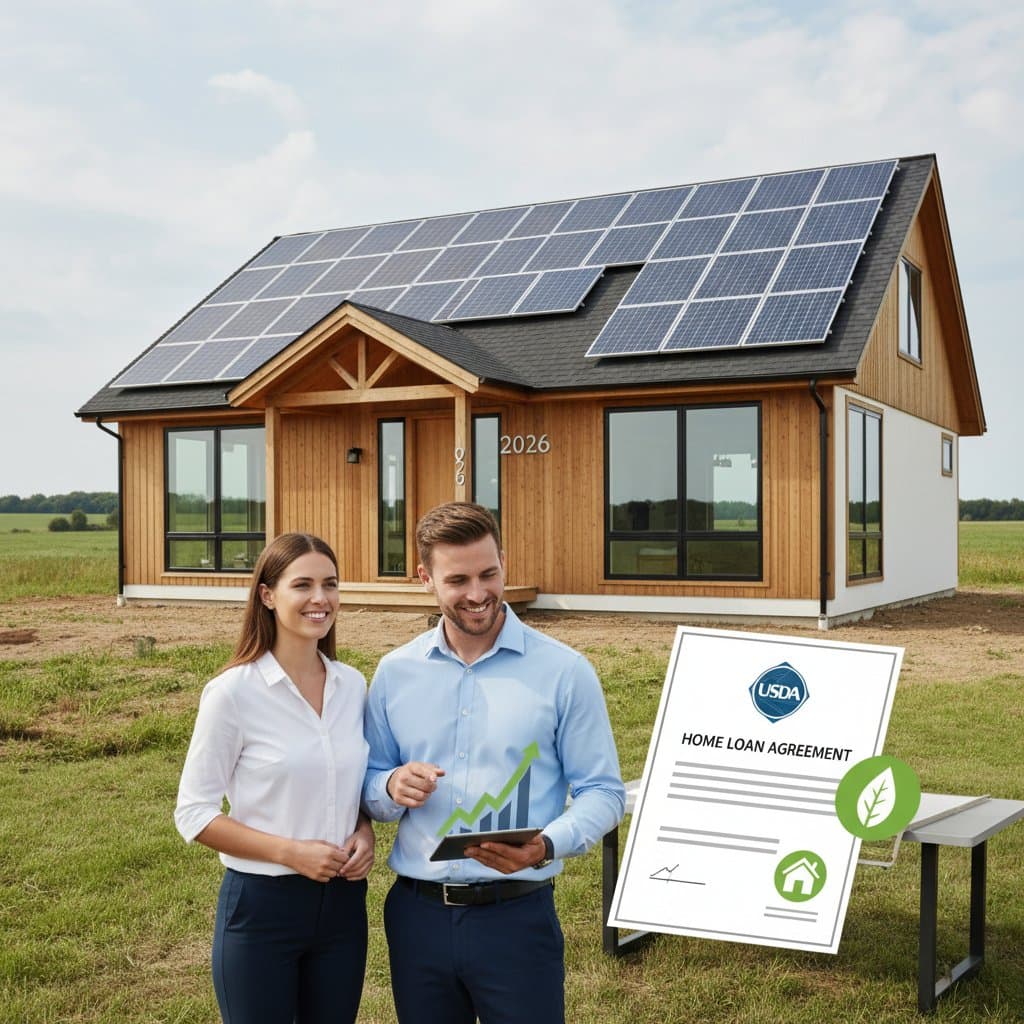
- USDA loans now permit inclusion of solar panels within new home construction financing through a single loan.
- Borrowers can incorporate solar costs directly into construction budgets and realize reductions in monthly utility expenses.
- This approach supports efficient building practices and enhances long-term property value without separate financing.
Why does this matter for first-time builders?
First-time builders must manage numerous expenses, including materials, labor, and unexpected upgrades. The updated USDA guidelines allow solar systems to integrate into the primary construction loan. This structure eliminates the need for additional financing arrangements and spreads costs across the mortgage term.
Homeowners gain immediate access to energy production from the date of occupancy. Energy bill reductions often begin to offset added loan amounts within the first few years of ownership. Builders who incorporate solar during initial design avoid later modifications that increase both expense and complexity.
What are the benefits of including solar early?
Integrating solar during construction allows builders to optimize roof orientation, electrical pathways, and equipment placement. Permanent installation meets code requirements without post-completion alterations. Financing through the USDA program typically carries lower rates than dedicated solar loans.
Owners receive energy cost savings starting immediately rather than after separate installation. The system contributes to overall property efficiency from the outset. Appraisers can document these features when determining final valuation.
How much extra does solar add to your loan?
A typical residential solar installation ranges from ten thousand to twenty thousand dollars. When amortized over a standard USDA mortgage term, this amount increases monthly payments by a modest sum. Utility savings frequently cover a substantial portion of that increase.
The added system value can support higher appraisal figures during loan processing. Borrowers should request detailed cost estimates from certified installers early in planning. Lenders can then adjust construction budgets to reflect the combined scope.
What builders need to know about USDA solar inclusion
Builders must confirm that solar components appear in the original construction specifications and satisfy local permitting standards. Permanent attachment and code compliance remain mandatory for loan approval. Coordination with experienced solar contractors ensures proper integration with electrical and structural plans.
Lenders require documentation of system specifications before final underwriting. Early discussion with both the builder and lender prevents delays during inspection. Projects that address these elements upfront proceed through approval with fewer revisions.
What about appraisals and resale value?
Energy-efficient features receive positive consideration during appraisal when documented with utility data and comparable sales. Solar installations completed during construction appear as standard improvements rather than retrofits. This distinction supports stronger valuation arguments.
Properties marketed with included solar systems attract buyers seeking reduced operating costs. Rural markets often place particular emphasis on energy independence. Owners who maintain performance records strengthen future resale positioning.
Living with your solar-powered USDA home
System monitoring applications provide daily production data that owners can review for performance trends. Routine cleaning maintains output levels across seasons. Insurance providers may adjust coverage terms when notified of the installation.
Owners benefit from consistent energy generation that reduces reliance on grid power. Maintenance requirements remain minimal when panels receive periodic inspection. These operational details contribute to sustained efficiency throughout the loan period.
FAQs about USDA solar construction loans
1. Do I need to live in a rural area to qualify?
Yes. USDA loans target eligible rural and suburban locations. Applicants should review current eligibility maps with their lender.
2. Can I add solar to an existing USDA-financed home?
Construction financing does not cover retrofits. Separate energy efficiency programs may provide options. Lenders can outline available alternatives based on individual circumstances.
Planning your project timeline
Contact lenders experienced with USDA solar projects to confirm current documentation requirements. Share system specifications with builders during initial budgeting discussions. This sequence supports smooth incorporation of solar into the overall construction schedule.